REVIEW · VIENNA
Private Tour of the Belvedere Palace with an Art Historian: “Pictures of Austrian Identities”. Art & History Tour with Skip-the-line Tickets
Book on Viator →Operated by Art with me! — Art experience for the intellectually curious · Bookable on Viator
Klimt makes more sense here. This private Belvedere Palace tour pairs a professional art historian with skip-the-line entry, so you spend your time looking instead of waiting. You’ll also get a guided thread through centuries of Austrian visual culture, from early art to major 20th-century works.
I love the personal pacing of a private tour. And I especially like how the guide connects what you see to Austrian identity, not just names and dates. Hearing Julia, the art historian mentioned in past guest experiences, describe the exterior first is a smart move because it helps you read the palace as part of the story, not just a backdrop.
One consideration: at $228.91 per person, this is a premium ticket. If you only want a quick highlight walk and you don’t care about context, you may find it hard to justify the cost.
In This Review
- Key Highlights You’ll Feel Fast
- Belvedere Palace as Austrian Identity, Not Just a Pretty Building
- Meeting at Upper Belvedere: Where the Guide Actually Stays With You
- Skip-the-Line Entry: How You Save Time Without Rushing
- Stop 1: Belvedere Museum Galleries, From Middle Ages to the 20th Century
- The hidden benefit: context changes how you see famous works
- Gustav Klimt’s The Kiss: Why the Guide’s Story Matters
- Stop 2: Belvedere Gardens for Views and Symbolic Meaning
- What a Professional Art Historian Adds (And What You Might Still Do on Your Own)
- Price and Value: Is $228.91 Per Person Worth It?
- Who This Tour Fits Best
- Small Logistics That Make or Break the Experience
- Should You Book This Private Belvedere Tour?
Key Highlights You’ll Feel Fast
- Private, just your group: less crowd pressure, more time for questions.
- Skip-the-line entry: you gain time for the galleries.
- Art historian framing: you learn how architecture and painting relate to Austrian identity.
- From medieval to Klimt: a guided path through major periods, not random rooms.
- Belvedere gardens stop: short, scenic views with symbolic meaning.
Belvedere Palace as Austrian Identity, Not Just a Pretty Building
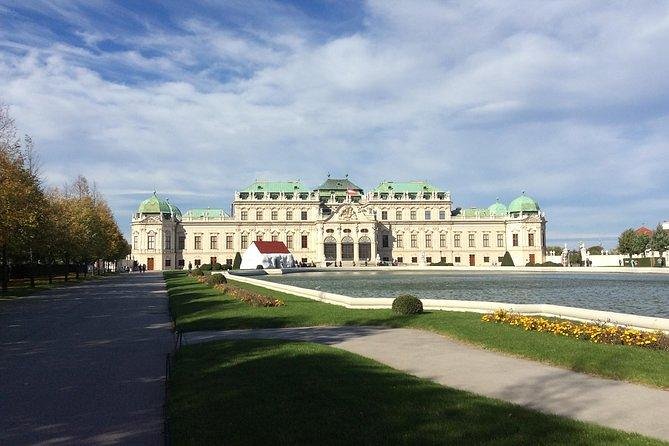
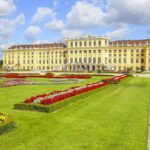
Belvedere Palace works on two levels at once: it’s a landmark you can photograph from almost anywhere, and it’s also a carefully designed setting for how power, culture, and taste wanted to be seen. What makes this tour feel worthwhile is that you’re not treating the palace like a checklist. You’re learning to read it.
The tour is built around a theme called Austrian identities, and you’ll see why that framing helps. Austria didn’t develop a single, simple national story. It’s more like a set of competing ideas—about empire, modern life, tradition, and changing beliefs—and art is one of the ways those ideas get expressed.
If you’re the kind of traveler who likes your museum visits to make emotional sense, this approach helps. You start noticing patterns: how symbolism gets used, how style changes over time, and how buildings communicate too.
You can also read our reviews of more tours and experiences in Vienna
Meeting at Upper Belvedere: Where the Guide Actually Stays With You
You meet at the main entrance of the Upper Belvedere (the museum side), at Prinz-Eugen-Straße 27, 1030 Wien. That matters because Belvedere has multiple points and garden viewpoints, and you don’t want to waste the first 10 minutes figuring it out.
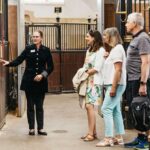
Here’s the practical tip from the meeting instructions: your guide waits on the right side of the main entrance of the Belvedere Palace when you face it from the front. If you look at the building differently, the guidance shifts: it’s on the opposite side if you turn your back to the entrance. The good news is the directions are explicit enough that you can self-check. If you see a breathtaking view of Vienna, you’re likely at the right place.
If you’re worried about timing, aim to arrive a bit early. This experience is only for your party, so the schedule is tight, and the whole point is to use that skip-the-line advantage immediately.
Skip-the-Line Entry: How You Save Time Without Rushing
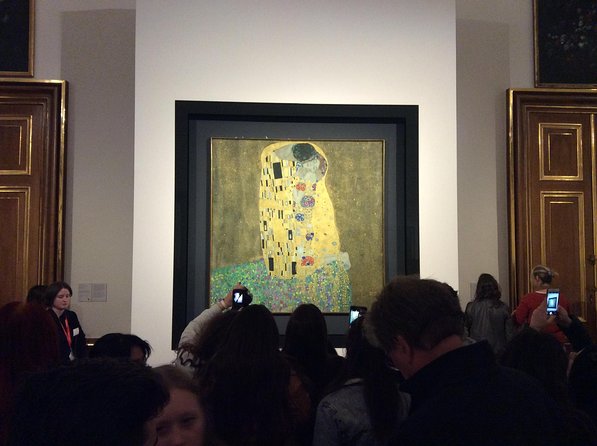
The biggest “value” of skip-the-line is not speed for speed’s sake. It’s that you arrive with less stress. In a museum like Belvedere, the first stress you remove makes everything else easier: you can concentrate on the guide’s explanations and you don’t start by feeling behind.
This tour includes admission tickets, and it runs about 2 hours 15 minutes total. The stop breakdown is also clear: roughly 2 hours 5 minutes inside the museum, then a short garden section. That short overall duration is one of the reasons a private guide works so well. You can get context without turning your day into an endurance event.
It’s also offered in English, with confirmation provided at booking time. You’ll be able to present an electronic or paper voucher. If you like smooth logistics, this is one less thing to manage while you’re in Vienna.
Stop 1: Belvedere Museum Galleries, From Middle Ages to the 20th Century
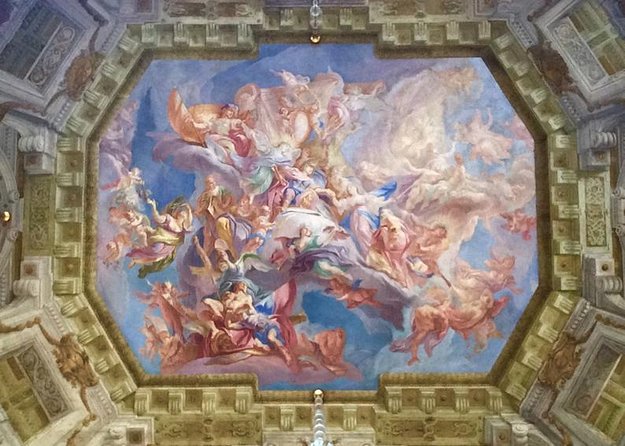
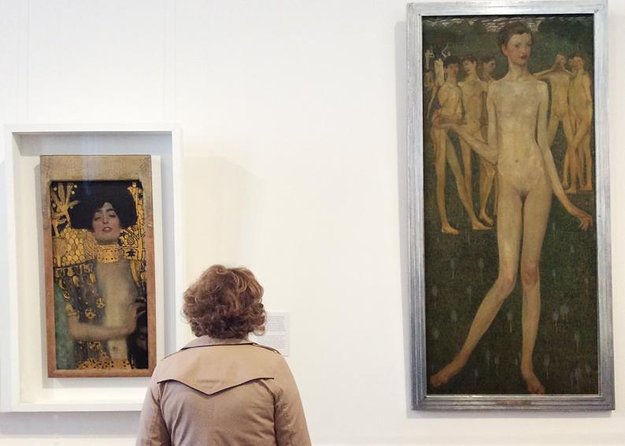
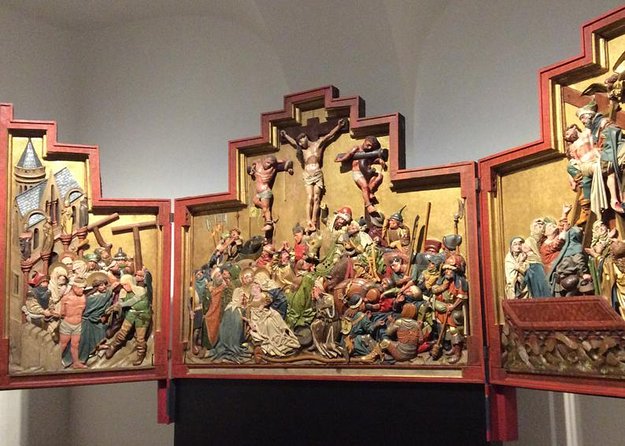
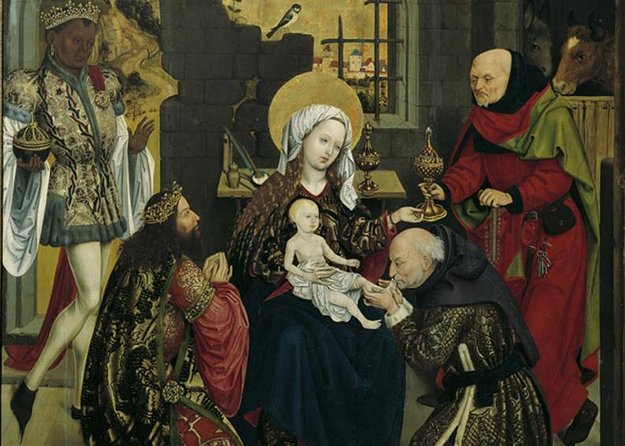
The museum portion is where most of the learning happens. The tour starts with the architecture and history of the Belvedere Palace, then moves into the collections, which stretch from Middle Ages art to 20th-century painting.
What I like about this structure is that it prevents the common museum problem: wandering first, learning later. Instead, you’re trained to look in sequence. You see how earlier artistic choices influence later ones, and you start recognizing what changes and what stays.
The guide’s approach focuses on visible meaning. You’ll learn how artists conveyed ideas through composition, style, and subject matter. Then the bigger theme kicks in: the guide connects those artistic signals to Austrian ways of life and how people understood themselves across time.
The hidden benefit: context changes how you see famous works
Even if you already know names like Klimt, you often miss the real impact if you only look for the famous details. With a guide, you get context first, and then the painting lands differently. You’re not just spotting beauty. You’re understanding why that beauty exists inside a particular cultural moment.
If your travel style includes slow looking but you still want direction, this is the best match. You get a plan, but it doesn’t feel like a factory conveyor belt.
You can also read our reviews of more private tours in Vienna



Gustav Klimt’s The Kiss: Why the Guide’s Story Matters
The tour highlights Gustav Klimt’s famous work, The Kiss. This is one of those “you’ve probably seen it online” paintings. But the value here is not seeing it. It’s learning what to look for in how it works.
Klimt’s reputation often makes him sound like a standalone genius. The guide helps you connect him to Austrian cultural character and artistic change over time, so you can understand the painting as part of a larger conversation, not just an isolated masterpiece.
This is where I’d expect many people to realize something important: Klimt is not only about aesthetic pleasure. He’s also about how identity and ideas get expressed through visual language. When the guide links that to the history surrounding the work, you don’t just admire the painting—you read it.
Also, because the tour is private, you can spend extra moments on the Klimt works if you want. If you’re with someone who likes to move faster, you can still keep the pace. The guide isn’t forced to follow a rigid group rhythm.
Stop 2: Belvedere Gardens for Views and Symbolic Meaning
After the museum, you step into the Belvedere gardens for a short, focused break: about 5 minutes with no admission ticket required for this portion.
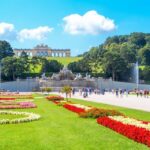
Gardens at Belvedere are more than a photo stop. They’re designed space—framed sightlines, historic structure, and a relationship between nature and architecture. Even in a brief visit, the guide’s framing matters because you’ll learn the garden’s symbolic meaning rather than just looking at pretty greenery.
This garden segment also acts as a reset. You go from indoor paintings and history to open air and Vienna’s city views. That contrast is useful, especially if you’re visiting later in the day and want to keep your energy up without extending the tour.
What a Professional Art Historian Adds (And What You Might Still Do on Your Own)
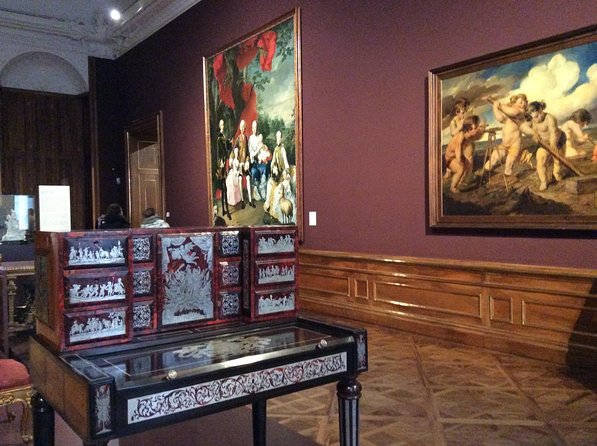
A private art historian guide doesn’t just add facts. It adds interpretation. And interpretation is what makes museums stick in your memory.
Here’s what you should expect the guide to do well in this setting:
- Explain exterior-to-interior connections, so the palace feels like part of the artwork.
- Turn painting details into cultural clues, especially for works you might otherwise treat as icons.
- Thread the timeline, so you don’t feel lost between medieval art and modern pieces.
And you’ll likely want to follow up after the tour. One practical strategy is to do exactly what the tour encourages by its design: listen, take in, then later return on your own for a slower re-look at rooms that match your interests. Because the guide will have narrowed your attention, you’ll know what’s worth spending longer on.
Price and Value: Is $228.91 Per Person Worth It?
This tour costs $228.91 per person, and that’s not small change for Vienna. So how do you judge value without guessing?
You’re paying for three specific things:
- Private format for your group, which usually makes the experience feel more personal.
- A professional art historian delivering context and interpretation, not just general commentary.
- Skip-the-line admission, which saves time when museums are crowded.
So this is best value when at least one of these is true for you:
- You’re genuinely interested in why art looks the way it does, not only what it is.
- You want to ask questions and steer the attention a bit.
- You’d otherwise struggle to make sense of Belvedere quickly on your own.
If you’re more of a roam-and-snap photos traveler, you might prefer a cheaper ticket and a self-guided plan. But if you want a guided story that ties architecture, paintings, and Austrian identity into one understandable line, this price starts to look more reasonable.
Also note the booking pattern: it’s often booked around 44 days in advance. That’s a clue that demand stays steady. If you want a specific time window, don’t wait until the last week.
Who This Tour Fits Best
This private tour is especially suited for you if:
- You have a moderate interest in art history and want it explained clearly.
- You like museums but don’t want to guess your way through the collection.
- You want your visit to be structured within a limited time window.
The physical demand is listed as moderate fitness. The tour is only 2 hours 15 minutes, but museums involve standing and walking, plus some movement through galleries. If you’re comfortable with that, you should be fine.
It’s also an excellent pairing with other Vienna plans because it doesn’t swallow your whole day. You get a meaningful museum experience without turning your schedule into a marathon.
Small Logistics That Make or Break the Experience
A few details help the tour run smoothly:
- Show up punctually at the main entrance of Upper Belvedere, where the museum is located.
- Your guide will wait on the correct side of the entrance depending on your viewpoint; if you’re unsure, look for the Vienna view and follow the museum entrance signage.
- Bring an electronic or paper voucher so you can present it easily.
- Use nearby public transportation when possible. The meeting point is stated as near public transport.
If you enjoy calm mornings and hated rushing at other attractions, you’ll probably appreciate how direct the meeting instructions are. Clear directions matter more than people think, especially in a complex place like Belvedere.
Should You Book This Private Belvedere Tour?
If you’re choosing between a self-guided Belvedere visit and paying for a guide, my take is simple: book it when you want context you can feel. This tour is built to connect architecture, collections, and Austrian cultural identity into one storyline. That’s what makes it memorable.
I’d skip this one if you:
- Only want quick highlights and don’t care much about meaning.
- Are trying to keep museum spend very low.
- Prefer a fully independent route without a guide steering your attention.
But if you love the idea of walking into Belvedere and coming out with a clearer lens for works like The Kiss, this is the kind of “pay once, see differently” experience that tends to feel like good money. Your time is limited; your guide’s job is to help it count.