REVIEW · VIENNA
Vienna: Johann Strauss 200th birthday anniversary exhibition
Book on GetYourGuide →Operated by Kunsthistorisches Museum · Bookable on GetYourGuide
A Strauss birthday exhibit is music history you can walk through. In Vienna, the Theatermuseum in Palais Lobkowitz puts Johann Strauss Sohn front and center with objects, documents, and music examples that make the Waltz King feel close, not distant. I especially love the chance to see the original score of Die Fledermaus and the way the exhibition uses real performance items to show how his work traveled far beyond Vienna.
The main thing to consider is the presentation of the sound/film elements: the music examples are strong, but in one spot the soundtrack may not line up perfectly with the film, which can be distracting if you’re paying close attention. Also, there is no audio guide included, so you’ll rely on what’s on the wall and any included wording.
In This Review
- Key highlights worth timing your visit for
- Palais Lobkowitz: why this setting matters for a Strauss exhibit
- The star attraction: seeing the Die Fledermaus original score
- A life story told through relationships and major turns
- Following Strauss beyond Vienna, all the way to Boston
- Dance, concert music, and music theater: how the exhibition stays focused
- Music examples, film clips, and the one potential annoyance
- Price and value: is $18 a fair deal?
- Timing your visit: how to plan for a 1-day ticket
- Practical tips that make the museum feel easier
- Who should book the Johann Strauss 200th birthday exhibition?
- Should you book this Johann Strauss anniversary exhibition?
- FAQ
- Where is the Johann Strauss 200th birthday anniversary exhibition held?
- How much is the ticket?
- How long is the ticket valid?
- What is included with the ticket?
- Is an audio guide included?
- Is the venue wheelchair accessible?
- Can I reserve now and pay later?
- Is free cancellation available?
Key highlights worth timing your visit for
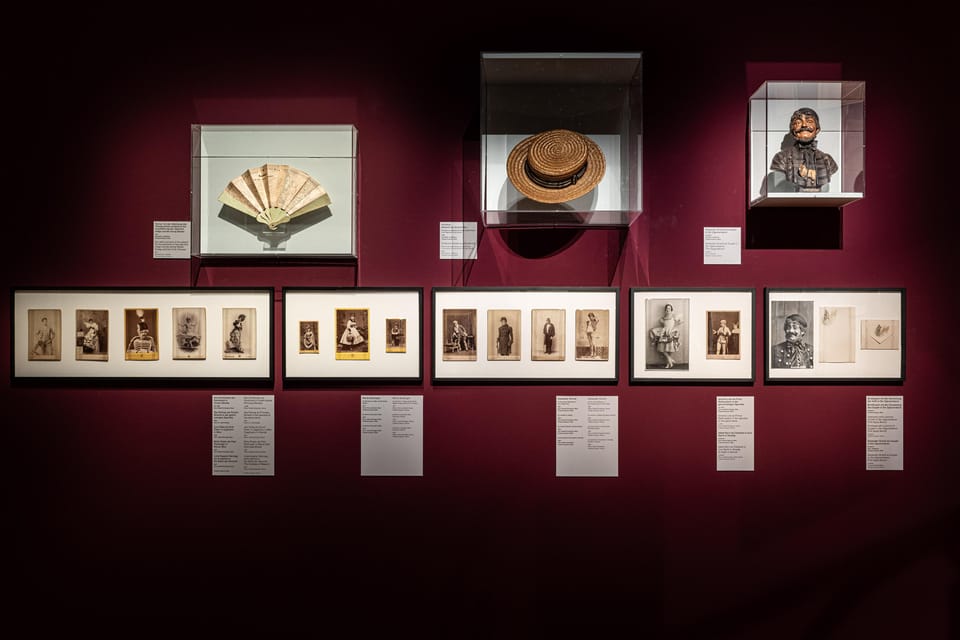
- Die Fledermaus original score: a rare, tangible connection to one of Strauss’s best-known works.
- Palais Lobkowitz setting: the Theater Museum backdrop fits the subject in a big way.
- Strauss’s full personal story: you see relationships and major life arcs, including three wives and love affairs in Russia.
- A world connection to Boston: follow how Strauss’s music made it across the Atlantic.
- Original performance and exhibit objects: they help explain the historical and political context around his music.
Palais Lobkowitz: why this setting matters for a Strauss exhibit
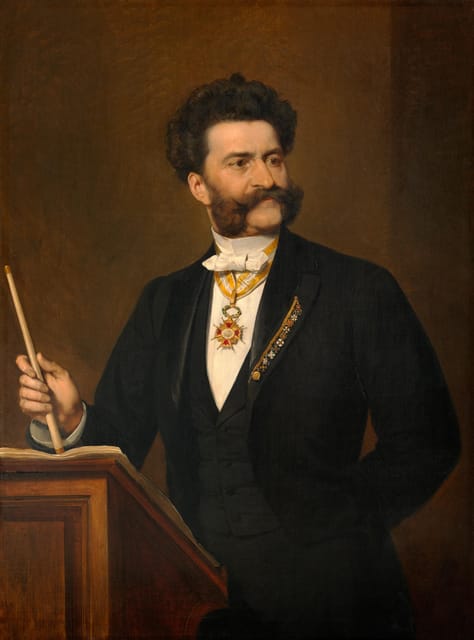
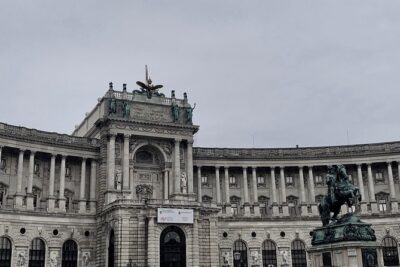
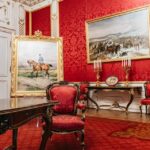
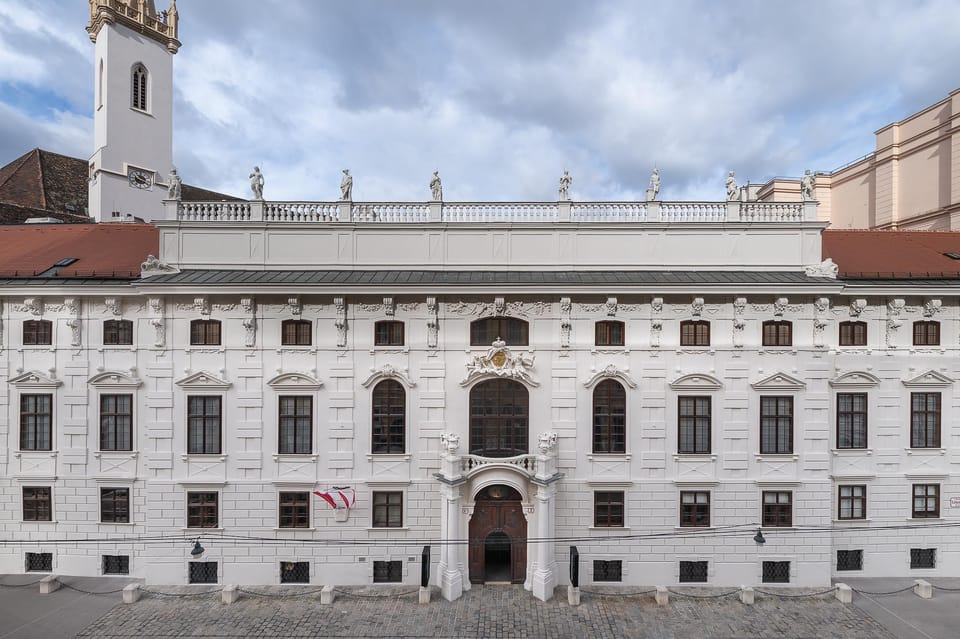
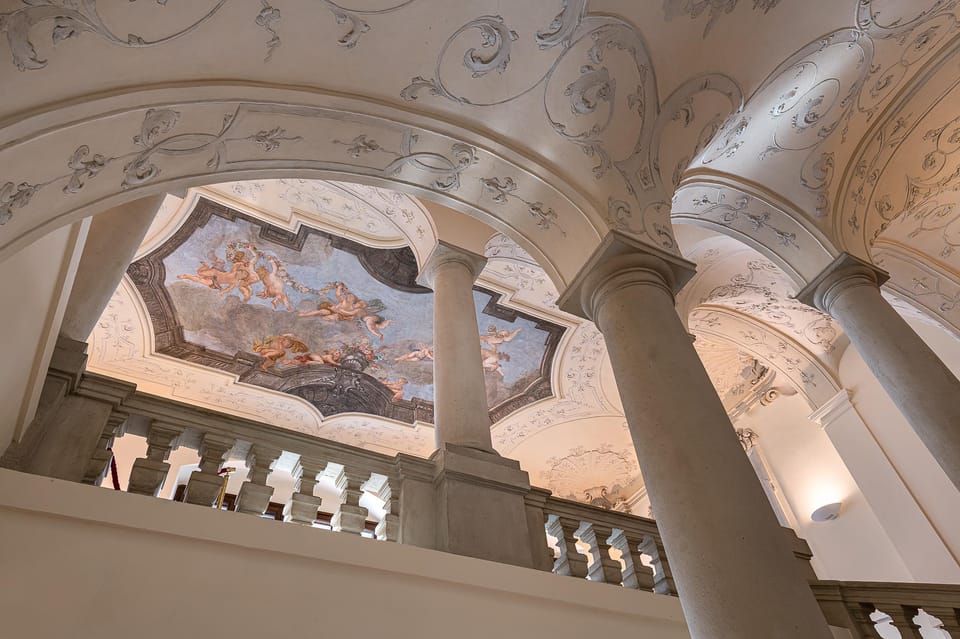
This experience happens at the Theatermuseum in Palais Lobkowitz, which already tells you you’re in the right mood. The building isn’t just a container for displays; it supports the whole idea of theater and performance, which is exactly what Strauss built his career on.
What I like about the value here is simple: your ticket doesn’t just get you into a single display room. Admission includes entry to the theater museum itself plus the Johann Strauss anniversary exhibition. That matters if you like wandering at your own pace and picking up details you might miss if everything were strictly scripted.
The exhibition also has a clear sense of purpose. It’s not only celebrating Strauss the legend; it’s explaining the person behind the music and the era around him. That combination is what makes the visit feel like more than a quick stop.
You can also read our reviews of more museum experiences in Vienna

The star attraction: seeing the Die Fledermaus original score
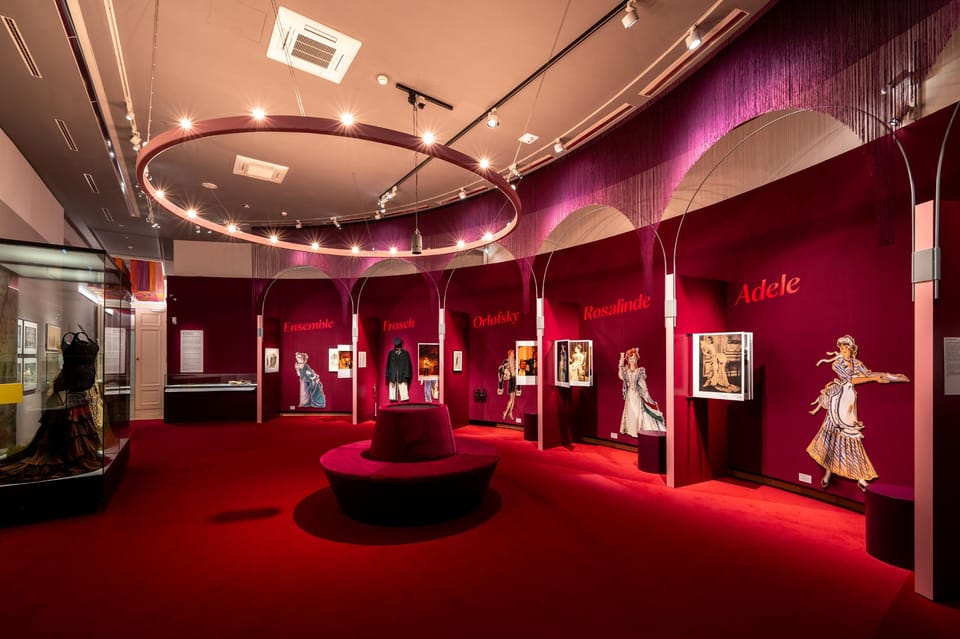
One highlight people tend to remember is the original score of Strauss’s Die Fledermaus. For me, there’s something different about seeing music preserved in its original form. It turns the waltz from something you mostly hear into something you can actually study.
Even if you’re not a musician, it helps you notice how carefully structured the work is and how the artistry sits in the page before it ever reaches the stage. And if you already know Die Fledermaus from recordings, this is a good moment to connect what you hear with what you see.
This is also where the exhibition’s approach clicks. Instead of treating the music as decoration, it anchors you to a specific work and then uses objects around it to build context. That’s a great way to make the whole Strauss story feel real.
A life story told through relationships and major turns
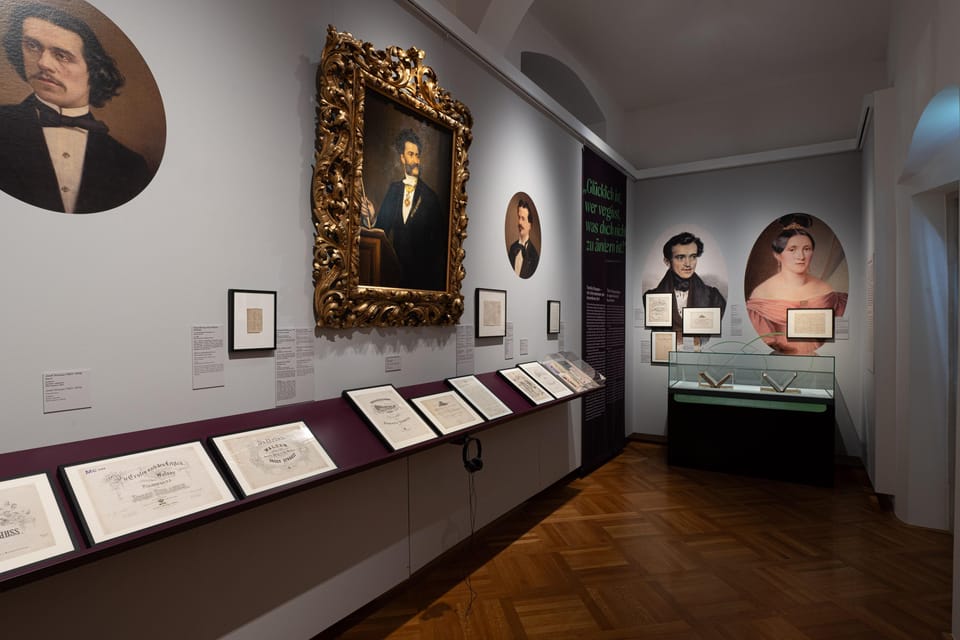
The exhibition is guided through Johann Strauss Sohn’s eventful life, with the Theatermuseum and the Vienna Library in City Hall working together. You’ll move through the kind of timeline that makes a composer feel like a fully formed person, not just a name on a program.
You get details about his grueling life and how it shaped the work he produced. The exhibition also looks at relationships across the long arc of his life—his parents, brothers, and his three wives, plus love affairs in Russia. That’s a lot to cover, but the structure helps you keep the threads straight.
Why that matters: Strauss’s music is often described as light and graceful, but the story around it includes stress, obligation, and complicated choices. Seeing the human side doesn’t ruin the romance of the waltz. It makes the sparkle feel earned.
If you like exhibitions that connect art to biography, this one gives you enough to make the connections without turning into a textbook.
Following Strauss beyond Vienna, all the way to Boston
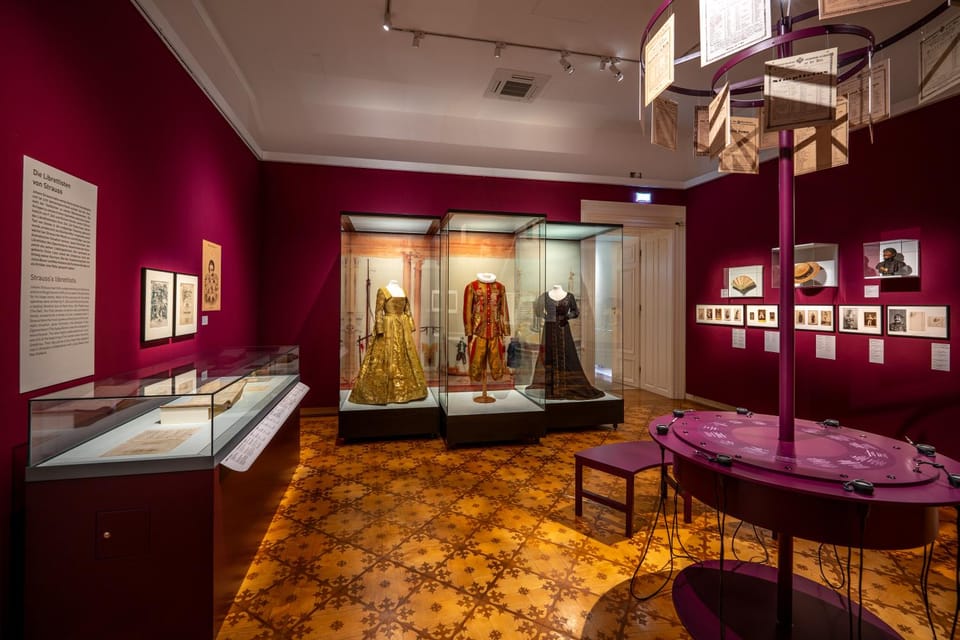
One of the most interesting parts is the sense of reach—this is where the exhibition stops being only about local fame and starts showing how Strauss became a global phenomenon. The exhibition follows his world tour to Boston, which is a great reminder that his music wasn’t only popular because it was familiar.
Music that travels does more than entertain. It lands inside new cities, new audiences, and new cultural moments. Seeing the Boston thread is a helpful way to understand why Strauss still gets performed so often today. His sound didn’t rely on one street corner in Vienna—it could travel.
If you’re trying to learn how “Vienna music” became something international, this portion gives you a concrete path. You’re not guessing; you’re looking at the idea of expansion as part of the story.
Dance, concert music, and music theater: how the exhibition stays focused
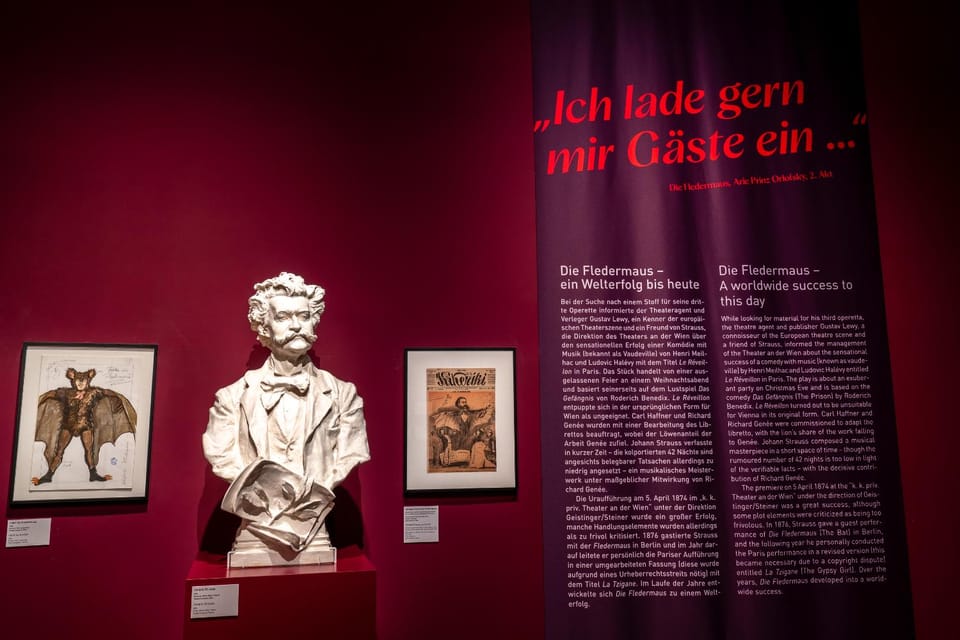
The anniversary exhibition doesn’t treat Strauss as one thing. It focuses on his artistic production, including dance and concert music that was popular all over the world, plus his music theater works. That range is important because Strauss’s reputation isn’t just based on ballroom hits. He worked across styles and settings.
The show uses original objects from performances and exhibits from his written legacy. It also connects those items to historical and political contexts of the time. That means you’re not only learning what Strauss created; you’re also seeing what kind of world those creations landed in.
For practical purposes, this focus makes the visit easier to process. You can choose to go broad—taking in dance, concerts, and theater—or go deep on one category if you’re more interested in, say, concert music than stage works.



Music examples, film clips, and the one potential annoyance
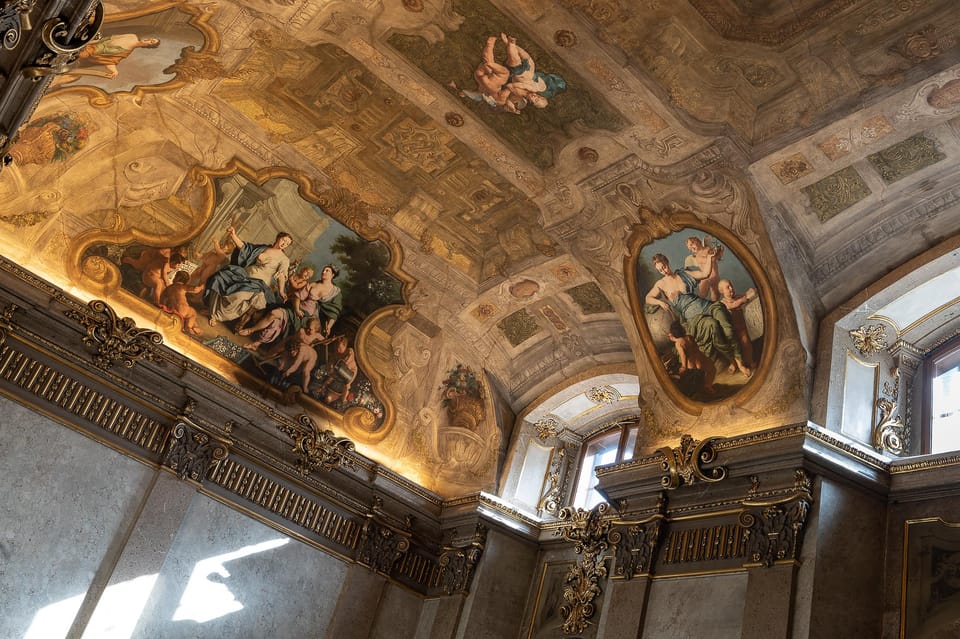
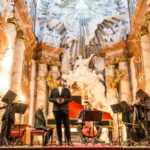
This is one of the areas where the experience feels both strong and slightly imperfect. The music examples are a major draw, and the show’s explanations are presented in a way that’s easy to follow. If you like hearing how works connect to the story, you’ll probably enjoy this part a lot.
Here’s the consideration: in at least one spot, the music isn’t synchronized with the film clips. If you’re the kind of person who watches closely and expects perfect alignment between sound and visuals, that could bug you.
There’s also no audio guide included in the ticket. So if you want more in-depth commentary than what’s posted on the walls, plan to rely on the wording and your own curiosity rather than expecting headphones.
Price and value: is $18 a fair deal?
At $18 per person, this ticket price is worth thinking about in terms of what you actually get. Your admission includes entry to the Theatermuseum in Palais Lobkowitz and the Johann Strauss anniversary exhibition. That’s key: you’re not paying only for a single exhibit room.
Also, it’s a Johann Strauss 200th birthday anniversary showing. Anniversaries often mean limited-time displays and special materials that aren’t always available in regular museum rotations. That’s exactly the kind of reason people make room in an itinerary for a short, focused cultural visit.
If you love Strauss or Viennese music, it’s an easy yes because the exhibition is built around his life, his works, and how he became widely known. If you’re only mildly interested in waltzes or you prefer big-name art museums over performance history, you might question whether this museum stop is the best use of your time.
My take: the ticket feels fair when you know you’ll spend real attention on the music artifacts and the story behind them.
Timing your visit: how to plan for a 1-day ticket
Your ticket is valid for 1 day, but you’ll want to check availability for the starting time. That suggests you should treat this like a timed-entry museum experience rather than a random walk-in whenever you feel like it.
Plan your visit so you’re not rushing. With exhibitions like this, the best moments come from slowing down to read and look at original objects. If you arrive late in the day, you might feel pressure to move faster than the content deserves.
The good news is that you can keep your plans flexible. You can reserve your spot and pay later, which helps if your schedule in Vienna is still changing.
Practical tips that make the museum feel easier
A few small things can improve your experience a lot:
- Bring your focus for the music portions. The original score and music examples are the heart of the show, so don’t treat them like a quick photo op.
- Take a moment with the personal-life section. The exhibition covers parents, brothers, three wives, and love affairs in Russia, so reading carefully helps it all click.
- If you’re sensitive to audio/visual details, note that at least one point involves music not synchronized with film clips.
- Accept that there is no audio guide. If you like guided commentary, you may prefer to read the on-site explanations closely.
Also, the venue is wheelchair accessible, so mobility needs shouldn’t be a dealbreaker here.
Who should book the Johann Strauss 200th birthday exhibition?
This is a good fit if you:
- Love Strauss music and want to connect what you hear to what you can see in original artifacts.
- Enjoy Vienna museums that teach through theater and performance history, not only through paintings and grand architecture.
- Like exhibitions that mix biography with context, including relationships and the era around the works.
It’s less ideal if you:
- Want a fully guided audio experience, because an audio guide is not included.
- Are easily irritated by imperfect audio/visual matching (the music may not line up with film in one section).
If you want one “Vienna music story” stop that’s more intimate than a concert hall and more human than a simple recital program, this does that job.
Should you book this Johann Strauss anniversary exhibition?
I’d book it if Johann Strauss Sohn is on your Vienna must-list, or if you’re curious about how Vienna became a global music brand in the 19th century. The combination of the Theatermuseum setting, the original Die Fledermaus score, and the focus on dance, concert music, and music theater makes it feel specific, not generic.
Skip it only if you’re mainly chasing big art galleries or you know you’ll get frustrated by soundtrack/film synchronization. Otherwise, $18 is a reasonable price for an exhibition that uses original objects and clear explanations to tell a complete Strauss story.
If you’re choosing just one museum stop, this is one that gives you both entertainment and meaning, without requiring you to already know every waltz by heart.
FAQ
Where is the Johann Strauss 200th birthday anniversary exhibition held?
It’s at the Theatermuseum in Vienna, set in Palais Lobkowitz.
How much is the ticket?
The price is $18 per person.
How long is the ticket valid?
The ticket is valid for 1 day. You should check availability to see starting times.
What is included with the ticket?
The ticket includes admission to the Theatermuseum in Palais Lobkowitz and a visit to the Johann Strauss anniversary exhibition.
Is an audio guide included?
No, an audio guide is not included.
Is the venue wheelchair accessible?
Yes, the experience is wheelchair accessible.
Can I reserve now and pay later?
Yes, you can reserve now and pay later.
Is free cancellation available?
Yes, you can cancel up to 24 hours in advance for a full refund.