REVIEW · VIENNA
Vienna: Meet Beethoven Life Private Guided Walking Tour
Book on Viator →Operated by Rosotravel - Vienna Tours · Bookable on Viator
Beethoven in Vienna turns streets into music. This private walking tour follows Ludwig van Beethoven through landmark Vienna scenes, then anchors the story at the composer’s former home, the Pasqualatihaus. If you choose the extended version, you also roll into an evening classical concert option.
I especially like how the tour makes sense of Vienna’s big-picture architecture while keeping Beethoven at the center. The other standout for me is the long, included stop at Beethoven Pasqualatihaus, where you spend time with objects and details tied to his life and music.
One possible drawback: several stops are exterior views only, and a couple of sights can cost extra if you choose to enter (like the Secession Building). Also, if you’re very strict about comfort and health precautions, do your own check-in on what feels right for you, since one guest noted hoping for more COVID prevention awareness.
In This Review
- Key highlights that matter on the street
- A private Beethoven walk through Vienna’s musical landmarks
- Meeting at Friedrichstraße 12 and keeping the day smooth
- Secession Building: start with gold, then link it to Beethoven
- Historic Center and Beethovenplatz: Vienna’s center stage
- From Wiener Staatsoper to Albertina: musicians, art, and civic pride
- Theatermuseum and Hofburg exteriors: Beethoven’s world, in context
- Volksgarten pause and Ringstrasse pacing
- Beethoven Pasqualatihaus: the 2-hour heart of the tour
- Adapting the route near Stephansplatz and St. Stephen’s Cathedral
- Extended option: the evening concert ticket, planned with Vienna timing
- Price and value: what $264.50 buys you in Vienna
- Who should book this Vienna Beethoven tour
- Should you book it?
- FAQ
- How long is the Vienna Meet Beethoven Life Private Guided Walking Tour?
- Is the tour offered in English?
- What’s included besides the walking tour?
- Is the Secession Building included inside?
- Where does the tour start, and does it end nearby?
- Are there optional add-ons during the tour?
- What time are the concert performances for the extended option?
Key highlights that matter on the street
- Beethoven Pasqualatihaus included for about 2 hours, so this is not a quick photo stop
- Private, licensed guide in English, tailored to your group’s interests
- Ringstrasse and Old Town routing, linking grand buildings to what Beethoven would have recognized
- Optional classical concert add-on (Beethoven, Mozart, Strauss, or Schubert), usually 5:30–8 pm
- Mobile ticket and a meeting point you can find fast near public transport
- Exterior-only architecture stops at several major venues, with a few optional entrances if you want more
A private Beethoven walk through Vienna’s musical landmarks
This is the kind of tour that works when you love Beethoven, but you also want Vienna to feel like more than a postcard backdrop. I like that the route connects themes in a logical way: you’ll see famous city form—opera, theaters, official buildings—then come back to the composer’s personal world.
The tour is private, meaning it’s just your group with a guide. That matters on a walking tour because it lets you ask questions and get explanations at a human pace, not at a bus-tour volume.
You can also read our reviews of more walking tours in Vienna
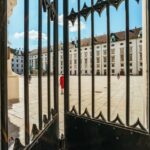
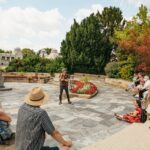
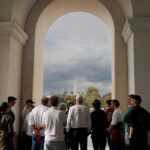
Meeting at Friedrichstraße 12 and keeping the day smooth
You start at Friedrichstraße 12, 1010 Wien, and the tour ends back there. The meeting setup is simple: you find your name on a holding card, then you’re off.
Because it’s near public transportation, you don’t have to solve a parking puzzle. Also, you’ll receive confirmation at booking, and the day before you should check your email for important details (this is especially relevant if you’re doing the extended concert option).
The duration is listed as 3 to 5 hours (approx.), which is a useful range: it gives room for the Pasqualatihaus time and the pace of your group. If you’re trying to fit Vienna sights into a tight schedule, think of this as a “main event” block rather than a quick add-on.
Secession Building: start with gold, then link it to Beethoven
Your first stop is the Secession Building (Secessionsgebaude). You meet your guide here, and the golden dome is the immediate wow-factor—bright against the white facade. This is a smart opener because it signals Vienna’s visual identity early, before you head into the older center.
You’ll learn how this area connects to Beethoven through your guide’s commentary. One key practical note: the optional inside admission is not included, and it’s listed as 4.5 to 9.5 EUR if you want to go beyond the exterior.
If you’re trying to keep costs steady, you can treat this as an exterior moment. If you’re an architecture person, you might choose to pay in to see more.
Historic Center and Beethovenplatz: Vienna’s center stage
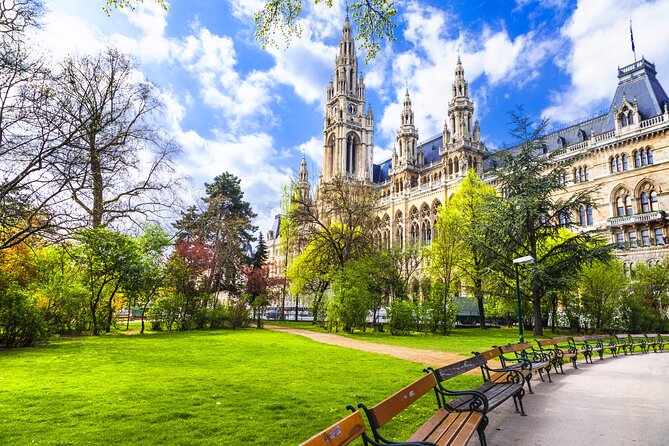
Next, you move through the Historic Center of Vienna, with commentary that ties together Beethoven and the city’s famous streets. The time here is about 1 hour, and it’s a good length for a walking-tour explanation without feeling like you’re stuck in one spot.
You’ll pass a mix of architecture styles, including Baroque castles and gardens, then later the Ringstrasse era—the late-19th-century boulevard lined with major buildings, monuments, and parks. This is where Beethoven’s Vienna starts to feel real: the city’s public spaces were part of the cultural stage.
After that comes a fun “meet Beethoven” pause: a bronze statue of the composer in Beethovenplatz. It’s listed for about 25 minutes, which is generous for a statue stop—so you can look, take photos, and let the guide set context before the walk gets big again.
From Wiener Staatsoper to Albertina: musicians, art, and civic pride
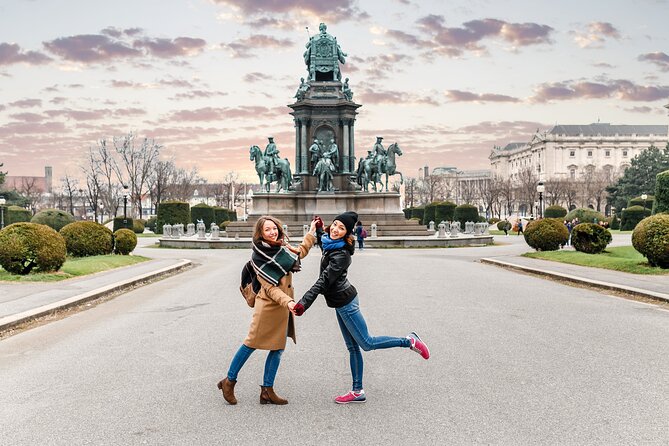
The route then shifts into major cultural institutions.
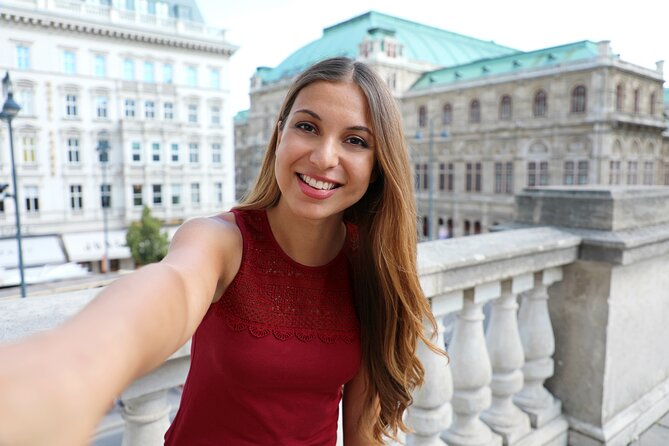
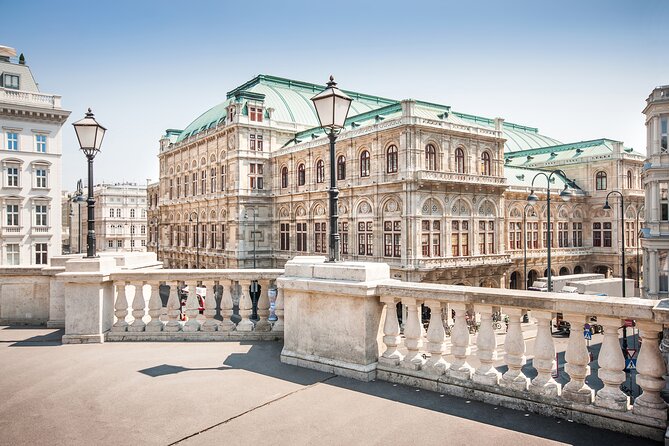
At Wiener Staatsoper, you’ll spend about 10 minutes. The guide framing here is practical: this is described as a prime location in Vienna for musicians and performances. Even from the outside, it helps you understand why Vienna became a musical capital rather than just a place where music happened.
Then you’ll head to Albertina, another short stop (about 10 minutes). The building itself has a strong visual identity, including a horse-rider statue on top, and Albertina is identified as home to major art masterpieces. You won’t be touring galleries on this walking route, but you get oriented and you learn what makes the collection significant.
The benefit of these quick hits is momentum. The trade-off is that you’re not going inside—so if you love museums, you might want to plan a separate gallery visit later.
You can also read our reviews of more guided tours in Vienna
Theatermuseum and Hofburg exteriors: Beethoven’s world, in context
You’ll also see Theatermuseum from the outside. The interesting detail here is that it’s tied to a private Viennese premiere of Beethoven’s 3rd Symphony Eroica, according to the tour notes. The stop itself is about 10 minutes, and entry is listed as not included.
Then there’s Hofburg, again primarily an exterior experience. You’ll pass it for about 10 minutes, focusing on its size, architecture, and history. The tour specifies you only see it from the outside, with entry possible on other tours.
I like how this segment uses “context stops” instead of pushing you into extra tickets. But if you’re the kind of traveler who wants to step inside every historic building, you’ll likely feel a bit of restraint here.
Volksgarten pause and Ringstrasse pacing
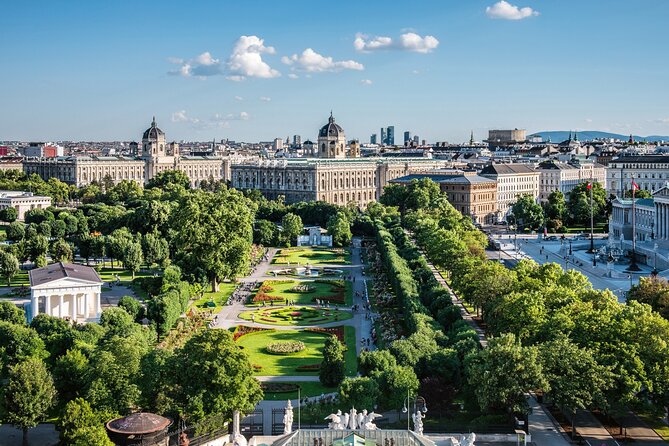
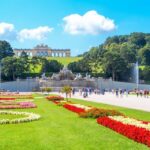
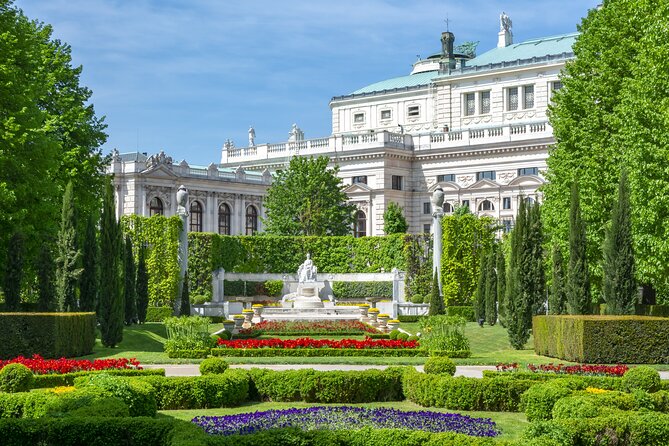
Not every stop is a monument. You’ll take a breather at Volksgarten, which is described as a quieter old-town park space, including a rose garden. It’s about 25 minutes, and that longer time slot is useful: it prevents the walk from becoming one long line of stone and statues.
From there, you move to Burgtheater (about 10 minutes) for the detailed exterior. Then you head to Rathaus, Vienna’s huge municipal building made with around 30 million bricks. This is the kind of stop where your guide’s voice matters, because the point is scale: the architecture is the message.
The tour also works in a small area walk where you’re near the Austrian Parliament Building and the University of Vienna. Finally, you connect it all through Ringstrasse (about 10 minutes), with the explanation that this street helps make Vienna feel alive—from opera to Rathaus.
This whole stretch is about reading the city. You’ll likely come away looking at grand buildings and thinking less about what they look like and more about why they were built and what they signaled.
Beethoven Pasqualatihaus: the 2-hour heart of the tour
This is the center of the experience: Beethoven Pasqualatihaus, included with admission. You’re there for about 2 hours, which turns it into a real visit rather than a quick stop.
The tour frames it as an authentic residence where Beethoven once lived, and it’s also connected to remains of old city fortifications. That combination matters. It’s not just a composer “brand site,” it’s a place where personal life, city history, and music all sit in the same walls.
The exhibit focus is explicitly tied to Beethoven’s working life: you’ll see notes, piano-related items, photos, and paintings. You’ll also hear stories linked to famous works, including Fur Elise and Fidelio.
If you care about Beethoven as a person (not only as a name on a concert program), this is the part that usually justifies the whole tour. It’s also the part where a good guide can make details feel connected instead of random.
Adapting the route near Stephansplatz and St. Stephen’s Cathedral
At Stephansplatz and St. Stephen’s Cathedral, the tour notes a flexible approach. These stops are listed as theme-related and typically shorter, but you can request additional time if you want to include them.
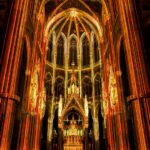
Stephansplatz is described as a mix of new and old architectural styles, and it’s suggested as a place to hang out and watch the world pass. St. Stephen’s Cathedral is presented as Austria’s national symbol and one of Europe’s highest cathedrals—so it fits both sightseeing goals and a big-moment Vienna photo.
The tour also mentions that Karlsplatz and Karlskirche may be visited on request. Entry for some of these is listed as not included, so the value here is mainly that your guide can help you shape what’s missing from your own itinerary.
This is a nice option if you’re the kind of traveler who likes to customize. You don’t have to follow a strict checklist once you’re in Vienna with a private guide.
Extended option: the evening concert ticket, planned with Vienna timing
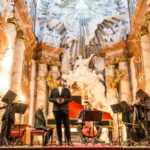
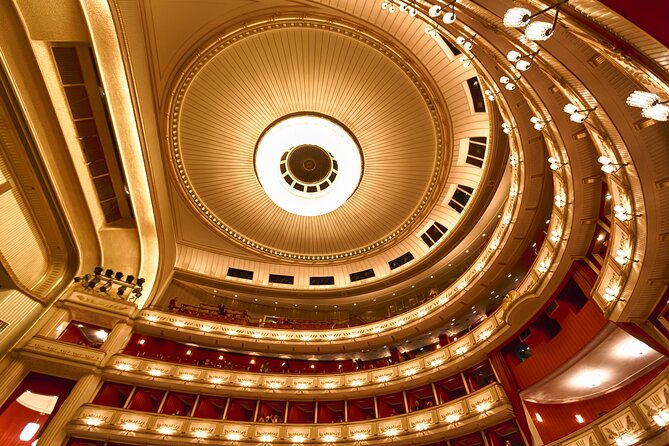
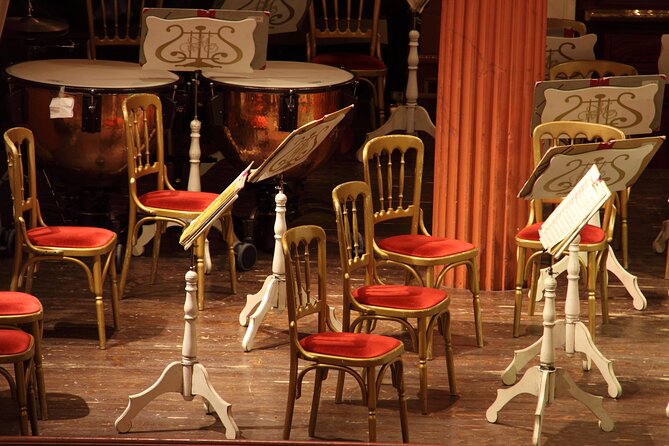
If you upgrade to the extended tour, you get a ticket for a classical concert tied to the works of Beethoven, Mozart, Strauss, or Schubert. This is an important “value lever” because it turns the day’s story into a night’s experience.
Concerts are described as running in multiple venues in Vienna Old Town. Availability, day, time, and group size can change the specific venue, based on what creates the best experience.
Timing is your main thing to watch. The concert starts usually between 5:30 and 8 pm, and the exact concert time is on the ticket attached in your email. The tour is separated as an evening attraction, so plan to be punctual and ready to shift from walking mode to seated listening mode.
What you gain is obvious: you’ll have spent hours connecting Beethoven’s life to the city, and then you’ll hear music that closes the loop.
Price and value: what $264.50 buys you in Vienna
At $264.50 per person, this isn’t the cheapest way to see Vienna—but it’s not a mystery why it costs more. You’re paying for a private, licensed guide, a structured route focused on Beethoven, and included admission to the Beethoven Pasqualatihaus.
Two inclusions matter for value:
- Pasqualatihaus entrance is included, and the time there is about 2 hours
- In the extended option, you also get a concert ticket, which adds a whole evening activity without you hunting for availability
On the other hand, some stops are exterior-only and a few sights can cost extra if you choose to enter (like the optional Secession Building fee). That’s not a scam, it’s a trade: you get a tight story route and pacing, not unlimited museum time.
If you’re traveling with a family member who knows Beethoven well, or you want a guide who can meet both beginner and connoisseur interests, this format tends to work well. The tour info even hints at personalization, and guide names like Ingrid and Sergio show up in the experience’s context.
Who should book this Vienna Beethoven tour
This tour is a great fit if:
- You want Vienna’s architecture explained through Beethoven’s life and creative era
- You prefer private guiding over crowd management
- You’d like a meaningful visit at Pasqualatihaus without adding extra planning work
- You’re considering the extended option and want a music night that matches the day’s theme
It may feel less perfect if:
- You want constant interior access at every major sight (this route includes several exterior stops)
- You expect every optional building to be included automatically
- You’re likely to change plans last minute, since concert timing is fixed once the ticket is issued
Should you book it?
I’d book this if Beethoven is your main reason to visit Vienna and you want your sightseeing to feel connected, not random. The 2-hour Pasqualatihaus visit is the strongest anchor, and the option to add a concert ticket turns the day into a fuller experience.
If you’re on the fence, my practical advice is simple: choose the standard tour if you want a focused daytime story, and upgrade only if you’re truly ready for an evening concert. Either way, use the private format to your advantage—ask questions, request extra time near Stephansplatz or St. Stephen’s Cathedral if that’s what you care about most, and keep your route calm enough to enjoy the walking pace.
FAQ
How long is the Vienna Meet Beethoven Life Private Guided Walking Tour?
The tour runs about 3 to 5 hours (approx.).
Is the tour offered in English?
Yes, it’s offered in English.
What’s included besides the walking tour?
You get a private guided walking tour focused on Beethoven, sightseeing of Beethoven-related places, entrance to Beethoven Pasqualatihaus, and (in the extended option) a ticket to a classical concert of Beethoven, Mozart, Strauss, or Schubert.
Is the Secession Building included inside?
The tour includes a stop at the Secession Building, but admission to step inside is optional and not included.
Where does the tour start, and does it end nearby?
It starts at Friedrichstraße 12, 1010 Wien, Austria and ends back at the meeting point.
Are there optional add-ons during the tour?
Yes. The tour notes that it can adapt to your needs, and sights like Stephansplatz and St. Stephen’s Cathedral (and also Karlsplatz and Karlskirche) may be included on request.
What time are the concert performances for the extended option?
Concerts take place in the evening, usually starting between 5:30 and 8 pm, and the exact time is provided on your concert ticket attached in your email.