REVIEW · VIENNA
Vienna: Musical Tickets THE PHANTOM OF THE OPERA
Book on GetYourGuide →Operated by Vereinigte Bühnen Wien · Bookable on GetYourGuide
Vienna goes theatrical fast with a haunted classic. The Phantom of the Opera brings Andrew Lloyd Webber’s music to the Raimund Theater in a production associated with Cameron Mackintosh, with dramatic special effects built to hit hard onstage.
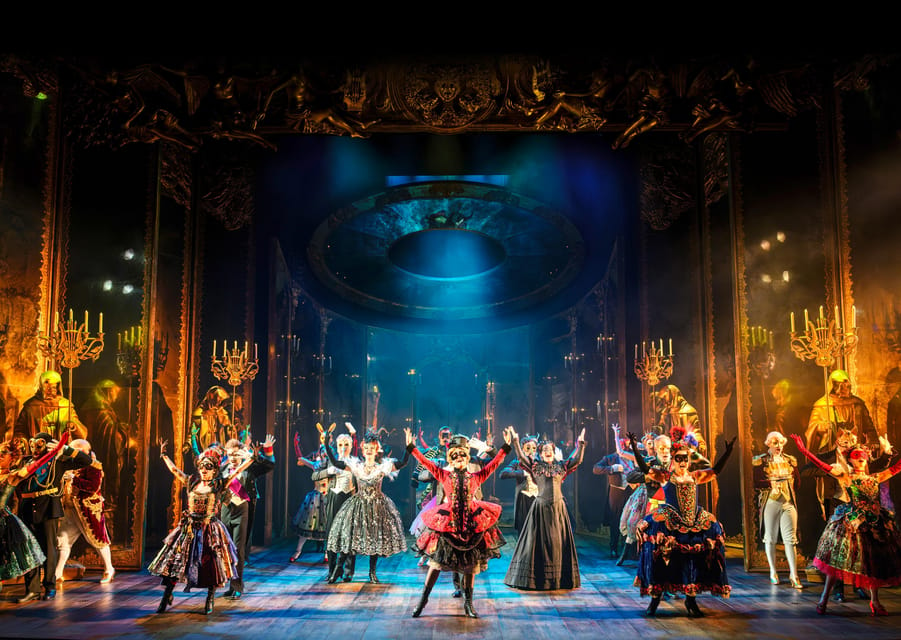
I particularly love two things about this experience: the live Andrew Lloyd Webber score performed by the VBW Orchestra, and the famous chandelier moment with full-scale stage magic. You’re not just watching songs—you’re watching effects, costumes, and storytelling designed to keep tension tight from start to finish.
One consideration: this is a German-language production with English surtitles, so if you strongly prefer hearing every word in English, check how you feel about reading during big musical moments.
In This Review
- Key highlights worth planning for
- Raimund Theater and a Mackintosh-Associated Phantom in Vienna
- Price and value: what $128 buys (and what it doesn’t)
- Tickets, exact seats, and how to find your spot quickly
- Timing the night: when the theater opens and why early arrival helps
- German on stage, English surtitles: how to follow the story
- Live orchestra: Andrew Lloyd Webber performed by the VBW Orchestra
- The chandelier scene and effects that do more than impress
- The plot that keeps tension high: Phantom, Christine, and passion
- Small group size: what changes when it’s limited to 8
- Who should book this (and who should reconsider)
- Should you book The Phantom of the Opera in Vienna?
Key highlights worth planning for
- Reserved seating tied to your exact seat number on the tickets you receive on site
- German production with English surtitles, so you can follow the story without missing key lines
- 150 minutes with one intermission, meaning it’s a real “evening out,” not a quick show
- The VBW Orchestra plays live, including the big Andrew Lloyd Webber classics
- The chandelier scene and other special effects are a major part of the show’s impact
- Small group size (up to 8) keeps the experience feeling more controlled and personal
Raimund Theater and a Mackintosh-Associated Phantom in Vienna
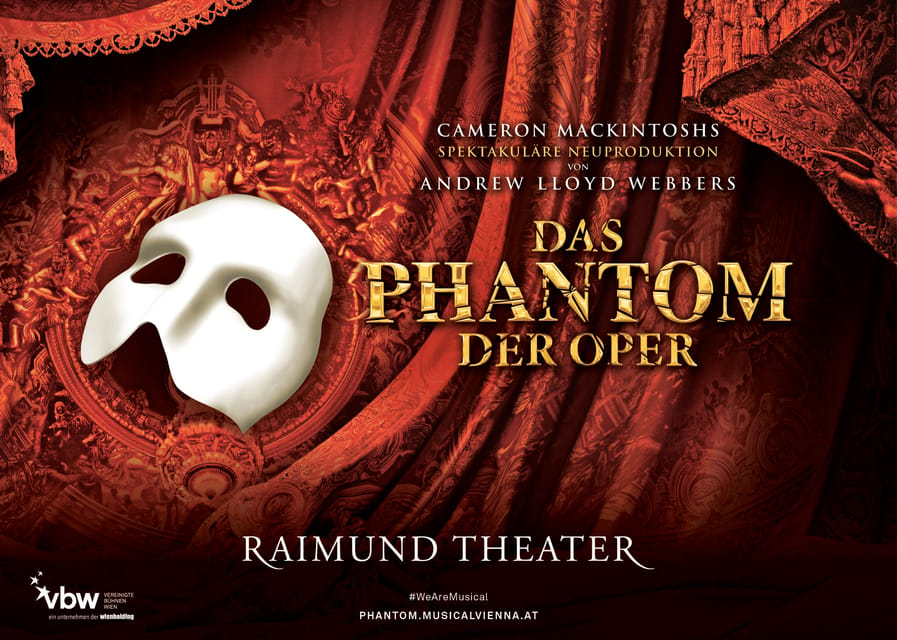
If you’ve ever heard The Music of the Night and felt that little magnetic pull, this is the reason musicals last. In Vienna, The Phantom of the Opera lands at the Raimund Theater, where the production is described as a reimagining by Cameron Mackintosh—part of a run that has delighted audiences across the USA, UK, and Australia before coming to the German-speaking world.
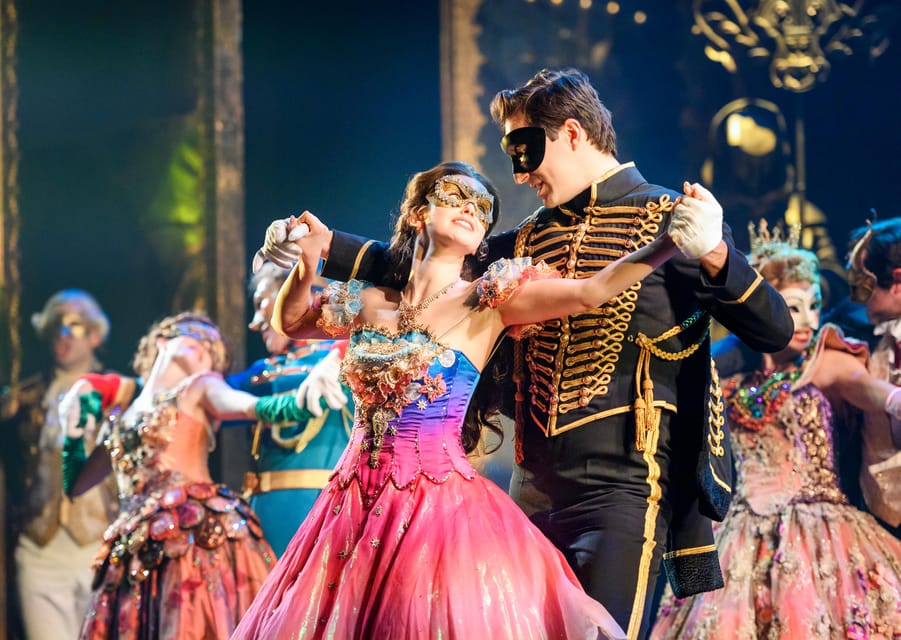
What that means for you is simple: you’re seeing a show built for scale. This is the kind of staging where the technical cues matter, the lighting does emotional work, and the effects are not just decoration. The production is designed around high drama and intense passion—exactly the mood the story demands.
And Vienna adds a nice bonus. You get the feeling of a major cultural night out, not a casual stop. This is the sort of performance that can anchor your itinerary—especially if you’re already seeing museums and palaces earlier in the day.
You can also read our reviews of more tours and experiences in Vienna
Price and value: what $128 buys (and what it doesn’t)
The listed price is $128 per person, and it includes entry to the musical plus reserved seating. That reserved seat part matters. In a large theater, having your place locked in is one less thing to worry about when you arrive.
What’s not included: food and drinks, and transportation to the venue. If you want a snack or something to sip during the evening, you’ll need to handle that separately.
Is it good value? For me, it becomes a value decision based on two questions:
- Do you want live orchestral Andrew Lloyd Webber, not a recording?
- Do you want the iconic stage moments—especially the chandelier scene—to land fully?
If the answer is yes, you’re paying for a polished, long-form production with about 2 hours 30 minutes of story and music. If you’re on the fence about musicals in general, you may feel the price more than the performance.
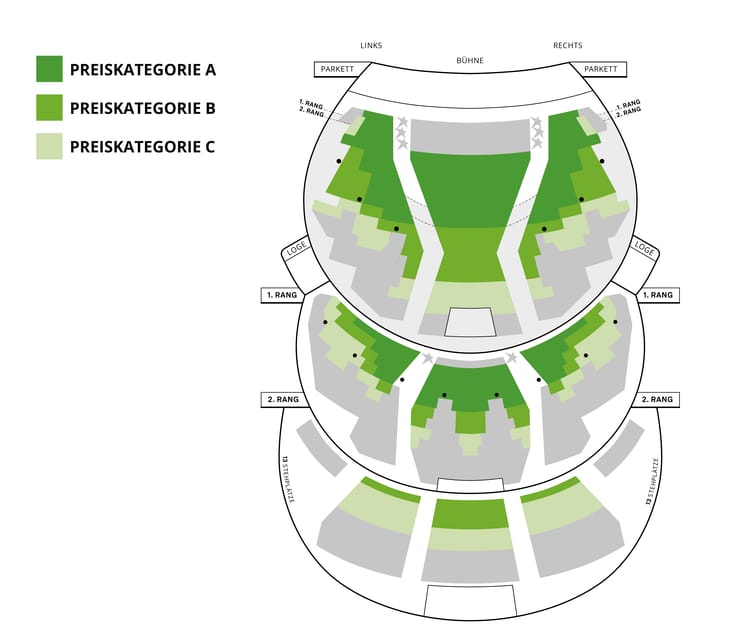
Also, one caution from a real booking experience included in the information: there can be confusion if the ticket category doesn’t match what you thought you paid for. My practical advice is to double-check the seat category and your exact seating before you settle into the evening. At this show, the difference between good and great seats can change your experience with the visuals.
Tickets, exact seats, and how to find your spot quickly
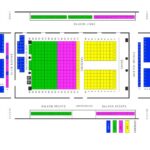
Here’s how the seating works in a way you’ll actually feel on the night of the show: the exact seat number is found on the tickets you receive on site. So even though you’re booking ahead, you still need a moment at the theater to get your ticket details and find your row.
This also matters because the venue experience is time-based. The theater opens 45 minutes before the performance starts, and the auditorium opens 30 minutes before. That timing is there for a reason: you want enough buffer to locate your seat without turning it into a stress race.
Two things to do:
- Plan to arrive during the theater open window so seat-finding is easy.
- When you get your on-site ticket, confirm your row and seat number right away. It avoids the kind of last-minute scramble that can ruin the mood.
Timing the night: when the theater opens and why early arrival helps
The schedule is straightforward: one intermission and a total runtime of about 2 hours 30 minutes. The show itself is long enough that you’ll want to get settled before the first major musical moments.
Arrival advice is simple and practical:
- Arrive early to avoid waiting situations.
- Use the pre-show time to get oriented in the theater and settle in without rushing.
Intermission is your window for drinks and a bathroom reset. There’s helpful evidence here: bar staff are described as handling a large number of requests quickly and professionally during busy moments. Still, even with efficient service, the intermission crowd is real—so don’t treat it like a quick in-and-out if you want a calm evening.
German on stage, English surtitles: how to follow the story
This production is German with English surtitles. The good news: you don’t have to pick between hearing music and following the plot. The format is built so you can do both.
The honest trade-off: you’ll likely spend part of the performance reading. That’s normal for this kind of show, and it can actually help during dramatic scenes when the story turns.
If you’re hoping to sing along with every lyric perfectly by ear, German-language delivery means you may not get that exact experience. But you’ll still get the emotional phrasing that makes these melodies iconic. The big songs listed in the experience—like The Music of the Night, Think of Me, The Phantom of the Opera, All I Ask of You, and Masquerade—carry their power even when the words aren’t in English.




Live orchestra: Andrew Lloyd Webber performed by the VBW Orchestra
One of the biggest reasons this is worth your time: the show features live music by the VBW Orchestra. That’s not a throwaway detail. With musicals, the orchestra is the engine that drives pacing, tension, and emotional impact.
You can expect the performance to deliver the classic Andrew Lloyd Webber songs you already know, in full symphonic glory. That live orchestral sound changes things:
- Crescendos feel physical rather than background.
- The quiet moments hit harder because there’s no recording limiting dynamics.
- The transitions between scenes feel tighter because musicians respond in real time.
If you’re choosing between a staged musical night and a “maybe it’s okay” option, this live-orchestra element is the difference between watching a familiar show and experiencing why it’s been so successful worldwide.
The chandelier scene and effects that do more than impress
Let’s talk about the moment people remember: the iconic chandelier scene. It’s singled out for a reason. In The Phantom of the Opera, that sequence is more than spectacle—it’s storytelling in motion, built to create shock, wonder, and drama all at once.
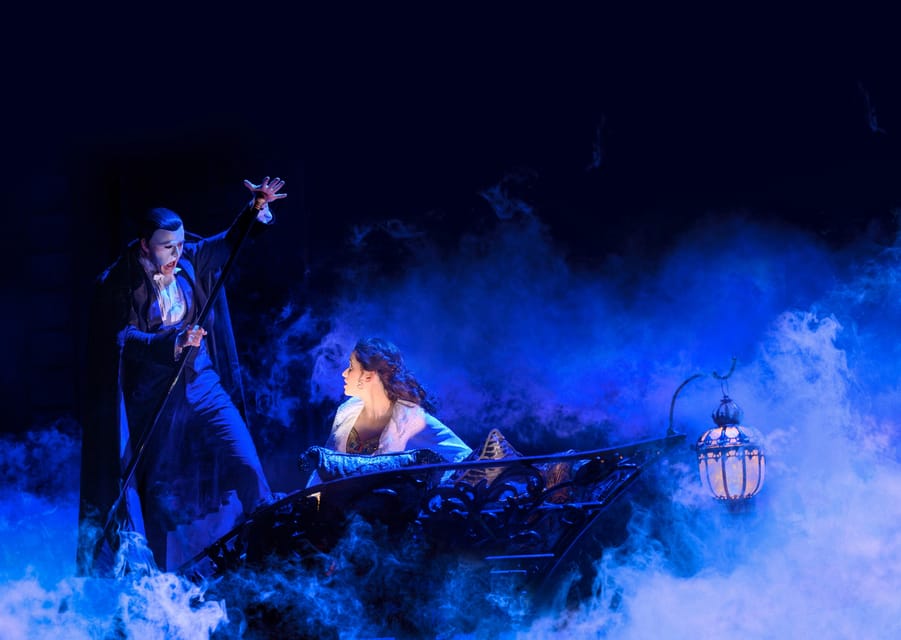
You’ll also see stunning special effects woven through the staging. The show’s approach is classic musical-theater architecture: you get atmosphere through lighting, suspense through sound, and urgency through choreography and set movement. Even if you think you already know what happens, seeing it live in a major theater is different from watching a clip.
And here’s the practical tip: once the chandelier and the big effect sequences begin, don’t treat your phone like it’s part of the experience. Photography and videography are not allowed during the performance, so keep your hands free and your attention on the stage.
The plot that keeps tension high: Phantom, Christine, and passion
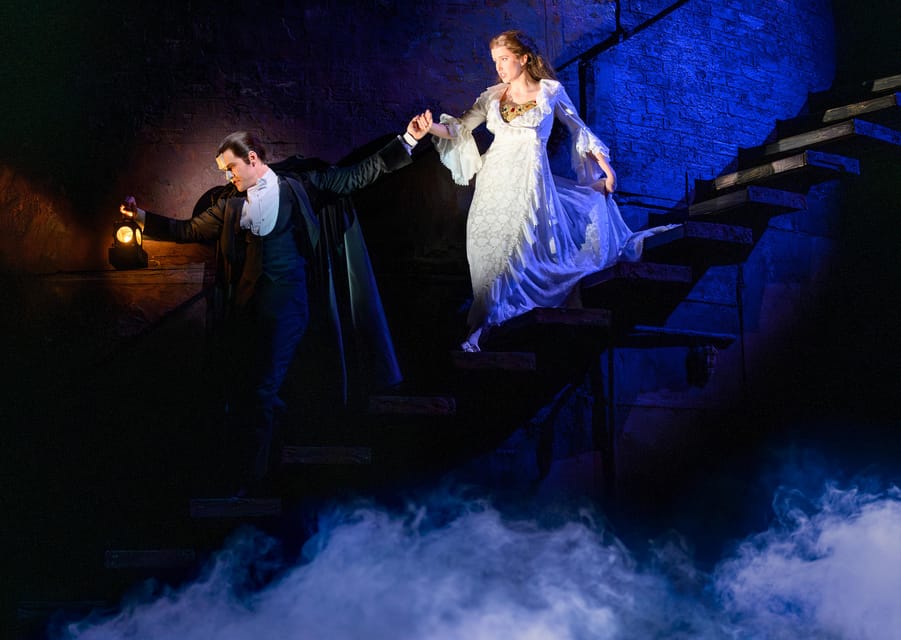
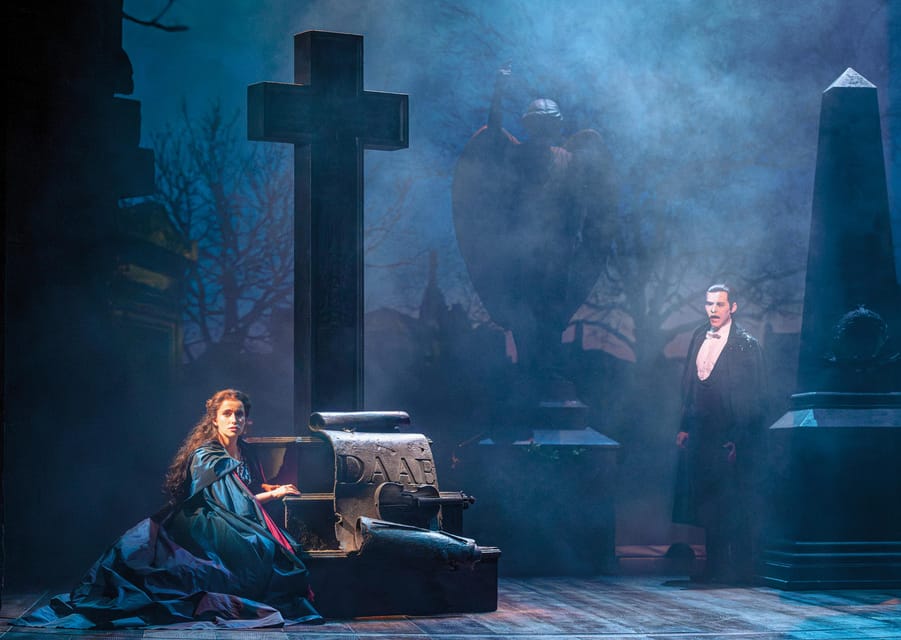
The story is built around the mysterious Phantom living in the catacombs of the Paris Opera House, with his all-consuming love for Christine Daaé. If you’re looking for high drama, this is what you’re buying: longing, obsession, secrecy, and emotional reversals.
What makes the plot work in a musical format is pacing. You don’t just get exposition. You get character feelings turned into songs. Christine’s vulnerability and the Phantom’s intensity keep colliding, and the staging is meant to make those collisions feel immediate.
If you’re the kind of person who likes your evenings to feel like a story you can actually follow—not just a string of numbers—this production is designed for that. The English surtitles help you track turns that might otherwise be lost.
Small group size: what changes when it’s limited to 8
This isn’t a huge crowd tour setup. The experience is listed as a small group, limited to 8 participants. That doesn’t mean the show itself becomes private (the theater is still the theater), but it can make the pre-show interaction and getting organized feel less chaotic.
For you, the practical impact is:
- Easier orientation when people are arriving and settling.
- Less “group herding,” since there are fewer people to manage.
It’s a nice match if you want your day in Vienna to feel structured but not regimented.
Who should book this (and who should reconsider)
This show fits best if you:
- Love The Music of the Night and want the real deal with a live orchestra
- Want a classic musical with major stage effects, not just a minimal production
- Like long-form storytelling with one intermission that breaks up the pacing
It’s wheelchair accessible, and wheelchair seating is available upon request. So if you need seating accommodations, plan to request what you need.
It’s also not suitable for children under 10. The information adds that children must be accompanied by an adult. If you’re traveling as a family and you’ve got younger kids, you’ll likely find this is better suited for older teens and adults.
Finally, consider language preference. Even with English surtitles, the performance is German. I’d book confidently only if you’re okay reading along while you listen.
Should you book The Phantom of the Opera in Vienna?
If you’re the type of person who wants one unforgettable night in Vienna that feels like you attended something major, I think this is an easy yes—especially for the chandelier scene, the live VBW Orchestra, and the chance to see Andrew Lloyd Webber’s classics in a full production at Raimund Theater.
Book it if:
- You’re happy to read English surtitles during a German-language staging
- You value reserved seating and want to plan your evening without guesswork
- You’re comfortable with a long show runtime of about 2.5 hours with one intermission
Hold off or think twice if:
- You’re sensitive to reading surtitles during the performance
- You’re trying to keep costs low and don’t plan to spend on snacks/drinks during intermission
- Your expectations depend heavily on a very specific seating tier—then double-check your ticket category and seat assignment carefully when you pick up tickets on site
If you want the kind of night that’s dramatic, musical, and built for big theater moments, this is the booking I’d make.