REVIEW · VIENNA
Vienna: Tour of Gustav Klimt’s Art in 3 Museums with Tickets
Book on GetYourGuide →Operated by ART WITH ME! Museum Tours in Vienna · Bookable on GetYourGuide
Klimt’s Vienna comes to life in three stops. This tour is interesting because it strings together the key works in one tight route: The Kiss and Judith at Belvedere, Beethoven’s Frieze in the Secession building, and Life and Death at the Leopold Museum. I like that the tour is led by an art historian, so you get context as you look, not just captions on the wall.
I also like the pacing and the practical setup: skip-the-line tickets, and even a taxi transfer between the first two locations so you stay on schedule. The one consideration is simple: with only 3 hours, you won’t have unlimited time in each museum, so you’ll want to focus on what you most want to see up close.
In This Review
- Key points to know before you go
- Why Klimt in Vienna Feels Like a Real Journey, Not a Checklist
- Belvedere Palace: The Kiss and Judith, Plus Why the Gold Matters
- Getting to the Secession: Taxi Transfer That Saves You From Timing Trouble
- Secession Building: Beethoven’s Frieze and the Trick of Standing in the Center
- Leopold Museum: Life and Death, Plus Klimt Studio Reconstructions
- The Art Historian Factor: Why Julia Abramovic’s Approach Works
- Price and Value: Is $341 Worth It for Three Museums?
- Timing and Logistics That Keep the Day Smooth
- Who Should Book This Klimt Tour (and Who Might Prefer Another Plan)
- Should You Book This Gustav Klimt Tour of 3 Museums?
- FAQ
- Which Klimt works are included in the tour?
- How long is the experience?
- Where do I meet the guide?
- Does it include skip-the-line tickets?
- Is this a private group tour?
- What languages are available?
- Can I cancel if my plans change?
Key points to know before you go
- Three museums, one art-history story: you’ll connect Klimt’s major works instead of chasing them one by one.
- Art historian guide, not a generic tour: you’ll get period context and clear explanations as you move.
- The Secession isn’t just a stop: Beethoven’s Frieze is designed to wrap around your experience.
- Skip-the-line + tickets included: fewer waiting games at high-demand sites.
- Belvedere to Secession by taxi: it saves time and keeps the plan smooth.
- Leopold Museum time after the tour: you can stay longer once the guided portion ends.
Why Klimt in Vienna Feels Like a Real Journey, Not a Checklist
Vienna is Klimt country in a way that’s hard to fake. He was born and died in the Austrian capital, and the museums you visit hold a big chunk of what shaped him and what he tried to say with paint.
What makes this tour work is that it doesn’t treat the art like isolated trophies. You’ll move through major works that reflect shifts in style and intent, and you’ll hear why those changes mattered. That context helps you look longer, even when you’re moving on.
This is also a good pick if you want a guided overview without committing to a full day of museum hopping. In 3 hours, you get a structured first look that you can build on afterward.
You can also read our reviews of more tours and experiences in Vienna
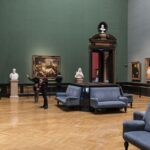
Belvedere Palace: The Kiss and Judith, Plus Why the Gold Matters
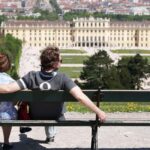
You start at Belvedere Palace, at the Upper Belvedere main entrance. Your guide waits on the right side of the entrance (if you’re facing the palace). If you see the city viewpoint while standing out front, you’re in the right spot; if you see the palace and garden but not the city, walk to the opposite entrance following the Museum entrance sign.
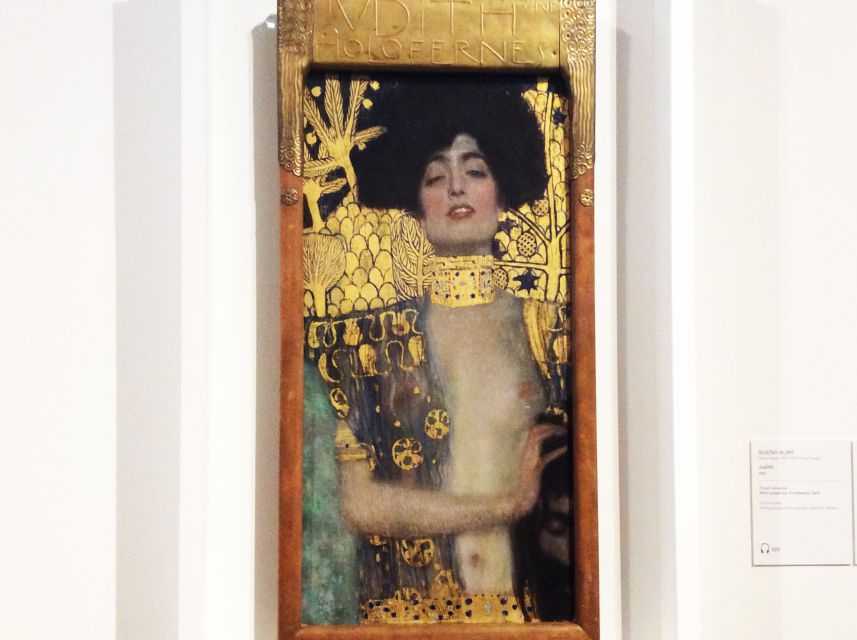
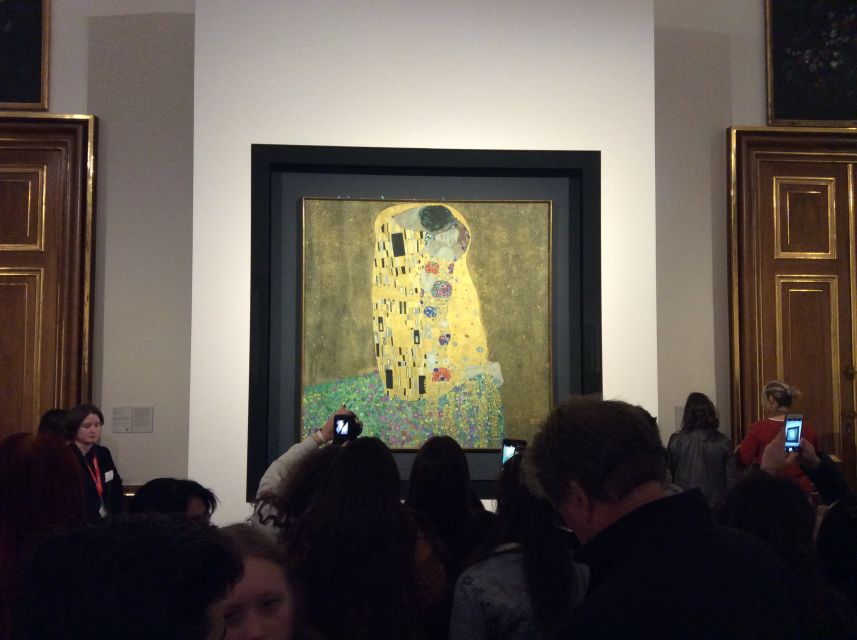
Belvedere is where Klimt’s most striking golden-period works hit you fast: The Kiss and Judith. The tour doesn’t just point at them. You get the historical context and the origins of the great artist’s work right where the paintings live, which makes the style feel intentional instead of decorative.
A practical plus: the Belvedere stop is the longest part of the tour (about 1.5 hours). That gives you breathing room to actually see details—faces, hands, patterns, and the way the gold-like surfaces change how your eyes read the image.
The possible drawback here is also what makes it great: because it’s focused, you’ll need to keep up. If you tend to wander and read slowly, you may have to choose a few favorite details to linger on rather than trying to absorb everything in one pass.
Getting to the Secession: Taxi Transfer That Saves You From Timing Trouble
Between Belvedere and the Secession building, you’re not left to figure out the logistics. A taxi transfer is included, which matters because museum areas can get slow during peak times.
This is the kind of “small” detail that makes the bigger difference. When you arrive at the next building on time, you’re not rushed into the most famous room, and you don’t waste energy searching for the entrance or standing in line.
It also keeps the tour focused on the art rather than the city navigation. In a tight 3-hour program, that’s a real value.
Secession Building: Beethoven’s Frieze and the Trick of Standing in the Center
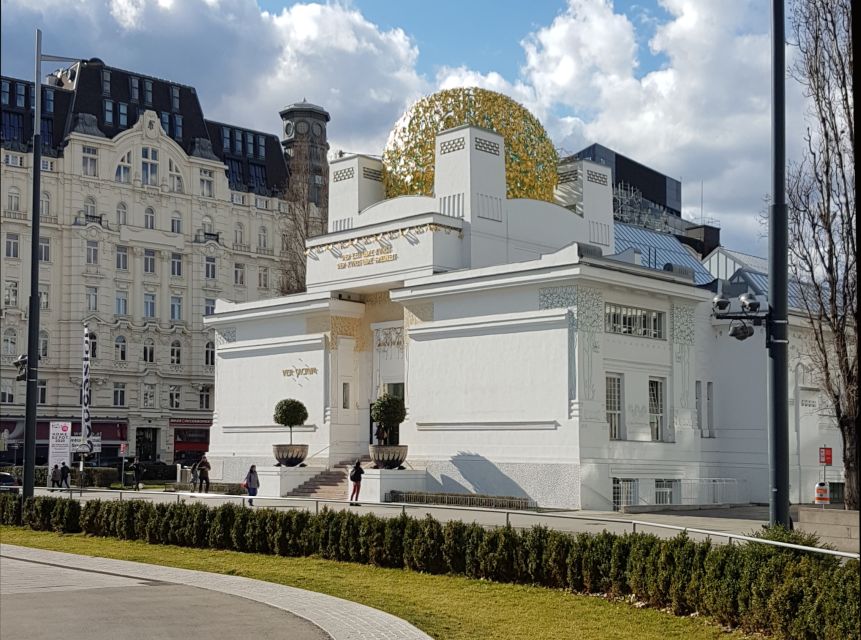
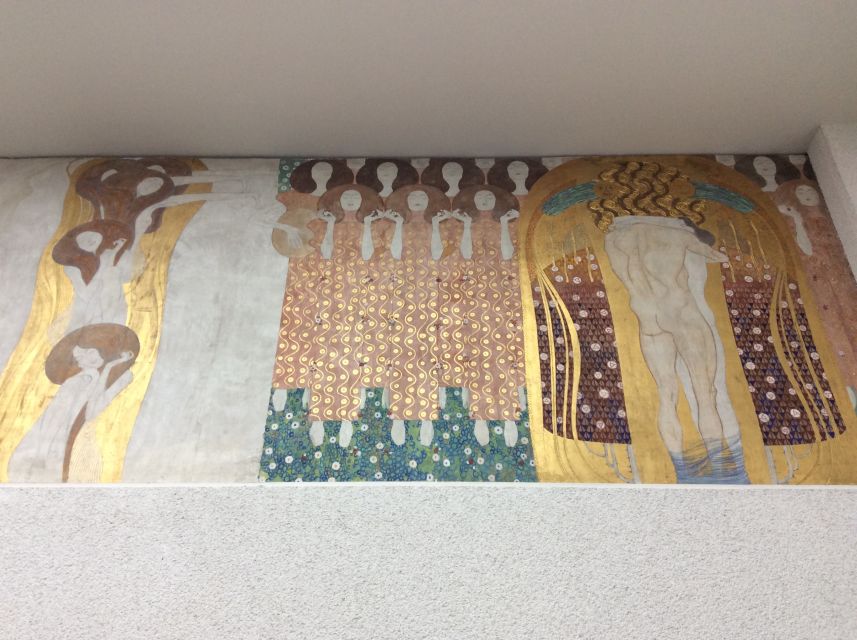
At the Secession building, you’ll face one of Klimt’s most unusual works: Beethoven’s Frieze. The point here isn’t only that it’s famous. It’s that it’s monumental and built to change how you experience the space.
You’ll learn that the frieze was conceived so it surrounds the viewer on all sides. That changes what you notice. Instead of seeing one frame at a time, your attention shifts across the whole environment, and the story becomes something you’re inside.
This stop is shorter than Belvedere (around 30 minutes). That can feel like a trade-off if you like to take your time. Still, it’s a smart choice for this tour format, because it prevents the schedule from collapsing and keeps the last museum from feeling rushed.
If you want extra time here, you’ll likely need to plan that yourself afterward. But as part of a fast, organized overview of Klimt’s major works, this stop does its job well.
Leopold Museum: Life and Death, Plus Klimt Studio Reconstructions
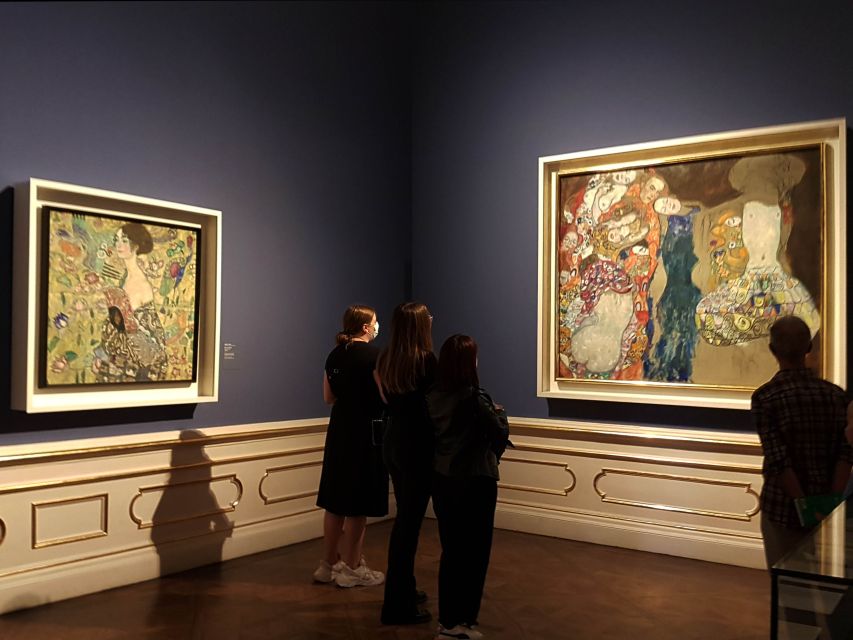
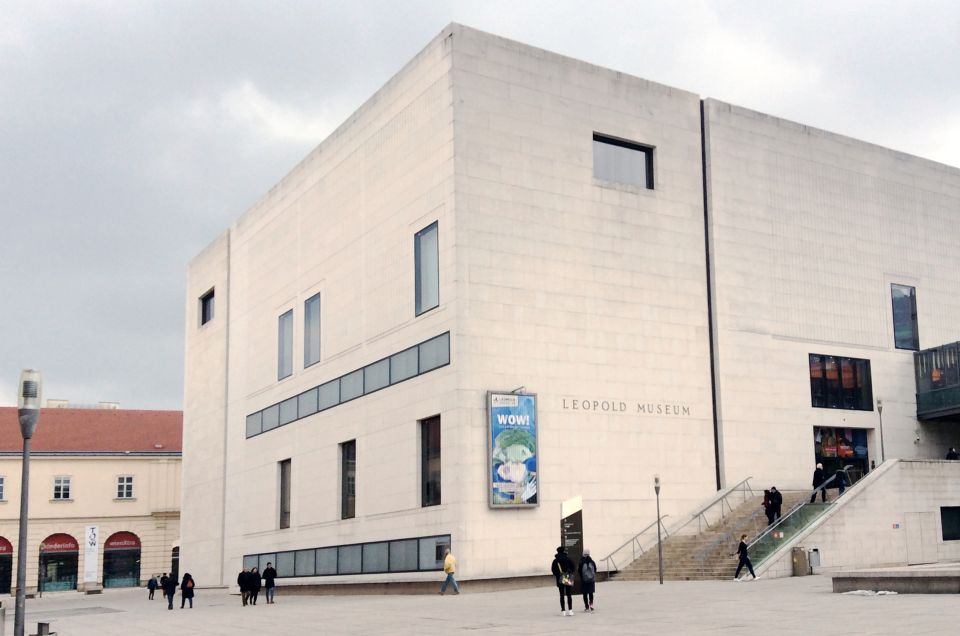
Your third and final museum stop is the Leopold Museum in MuseumsQuartier Wien, reached on foot in about 10 minutes after the Secession. The museum setting helps too—this part of Vienna is easy to move through, and you don’t feel stuck underground or trapped in one building.
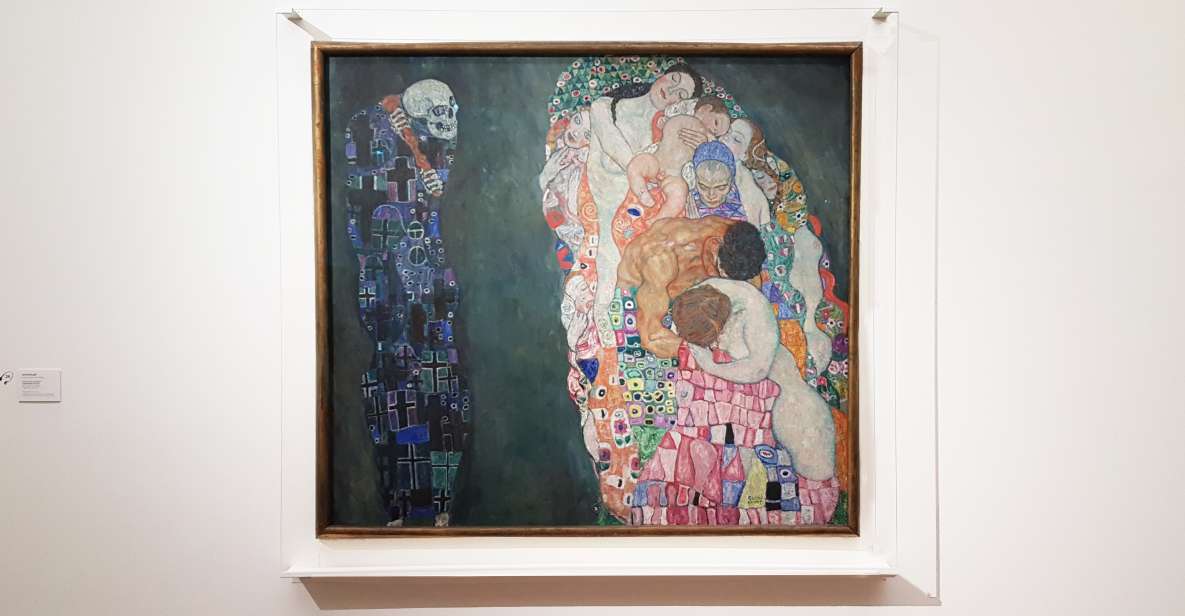
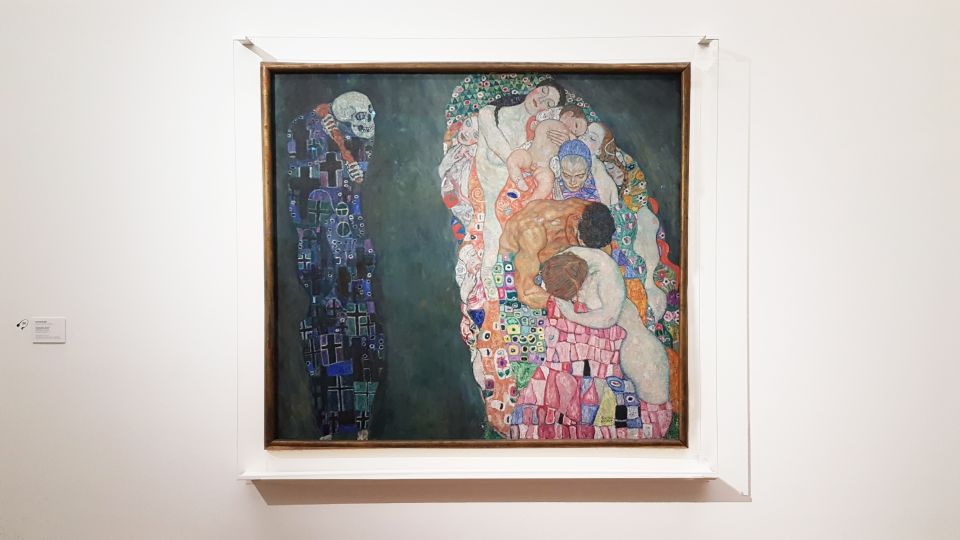
At Leopold, the tour focuses on Life and Death. This is one of those paintings where symbolism and intention feel inseparable, and the guide helps you see what makes it a turning point. You’ll also learn that Klimt committed an important symbolic act in reworking the painting, which gives the work more weight than a single static image.
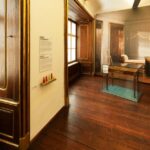
A second reason Leopold stands out on this tour: you’ll also see reconstructions of Klimt’s studio. That’s a helpful bridge between what you see on the walls and how artists actually work—how ideas become finished work, and how process sits behind the final look.
This guided portion is about 40 minutes, and then you can stay in the Leopold Museum as long as you like. I like this structure because it gives you a timed tour with a built-in “bonus window” at the end. If Leopold clicks with you, you can extend your visit without squeezing everything into the 3-hour guided plan.
You can also read our reviews of more museum experiences in Vienna



The Art Historian Factor: Why Julia Abramovic’s Approach Works
One of the most praised parts of this tour is the guide’s delivery. In the feedback I reviewed, Julia Abramovic comes up again and again for making Klimt’s story feel both knowledgeable and enjoyable. The key point isn’t just expertise—it’s clarity.
What you want from an art historian in a museum is context that helps your brain organize what you’re seeing. Julia’s style, as reflected in the comments, is to set up the tour with background first, then guide you through the three museums with explanations that fit the works in front of you. That reduces the usual museum frustration of feeling like you’re guessing what to look for.
You’ll also get space for questions, and you’ll receive direct answers instead of vague references. For anyone who likes to learn without turning the day into a lecture, that balance is a big plus.
Price and Value: Is $341 Worth It for Three Museums?
At $341 per person, this isn’t a bargain-basement budget tour. But it is easy to justify the cost if you consider what’s bundled.
You’re paying for:
- Entrance tickets to three museums
- A live art historian guide
- Skip-the-line ticket handling
- A taxi transfer between Belvedere and the Secession
- A tight 3-hour plan that hits major works efficiently
If you tried to do this on your own, you’d spend time coordinating tickets, lining up, and moving between sites. In Vienna, that time can be the difference between a great art day and a half-day of waiting. This tour buys you momentum.
So I see the best value when you want an organized introduction to Klimt—someone to help you connect the dots quickly, and to keep the schedule from eating your energy.
Timing and Logistics That Keep the Day Smooth
The tour runs about 3 hours, which is a sweet spot for first-timers. You get the big works, the key ideas, and a feel for Klimt’s evolution without burning an entire day.
Meeting point matters. You’ll meet at the main entrance of Belvedere Palace (Upper Belvedere), on the right side of the entrance while standing outside facing the palace. The “city view” detail is the guide’s real-world landmark: if you see the skyline, you’re set; if not, switch to the opposite side and use the Museum entrance sign.
One more practical note: this kind of tour depends on being on time. The tour data specifically asks you to come punctually, and the guide will be waiting at the indicated spot. If you’re the type who arrives very early, just remember you’ll still want to be at the correct entrance for the meetup moment—not five different entrances around the building.
Finally, languages are handled: the live guide is available in English, German, and Russian. That matters if you’re traveling with people who prefer something other than English.
Who Should Book This Klimt Tour (and Who Might Prefer Another Plan)
This tour is a great fit for you if you want:
- A structured introduction to Gustav Klimt’s major works
- A guide who explains context while you look at the art
- Skip-the-line convenience and a simple logistics plan
- A day that doesn’t swallow your whole schedule
It may be less ideal if you’re someone who needs lots of quiet time in museums, or if you plan to read every wall label and sketch every detail. The guided portion moves, and while you can extend at the Leopold Museum after the tour, the other two stops are guided within set time windows.
For art fans who also like efficiency, this tour nails the balance: you see the big paintings, you understand why they matter, and you still leave Vienna with enough energy to keep exploring on your own.
Should You Book This Gustav Klimt Tour of 3 Museums?
If you’re trying to decide, here’s my straight take. Book it if you want your Klimt experience to start with clear context and a smart route through Belvedere, Secession, and Leopold.
Skip or choose a different approach if your priority is slow, unstructured museum wandering. With only 3 hours and a timed sequence, you’ll need to accept that you’re getting an informed overview, not a full-length museum marathon.
One last nudge: come with a short list of works you care about most. You’ll get more out of the guide when you’re mentally ready to compare what you see in each museum—how style shifts, what symbolism you notice, and how Klimt’s ideas land in different rooms.
FAQ
Which Klimt works are included in the tour?
The tour focuses on major works housed in the three museums: The Kiss and Judith at Belvedere Palace, Beethoven’s Frieze at the Secession building, and Life and Death at the Leopold Museum. You’ll also be able to see reconstructions of Klimt’s studio at the Leopold Museum.
How long is the experience?
The tour lasts about 3 hours.
Where do I meet the guide?
Meet at the main entrance of Belvedere Palace (Upper Belvedere). Your guide will wait on the right side of the main entrance as you face the palace. If you see a city view in front of you, you’re at the correct spot; otherwise, move to the entrance on the opposite side and look for the Museum entrance sign.
Does it include skip-the-line tickets?
Yes. Entrance tickets are included for all museums, and you get skip-the-line ticket handling.
Is this a private group tour?
Yes. The experience is listed as a private group.
What languages are available?
The live tour guide is available in English, German, and Russian.
Can I cancel if my plans change?
Yes. Free cancellation is available up to 24 hours in advance for a full refund.