REVIEW · VIENNA
Vienna’s Highlights in two hours (two options)
Book on GetYourGuide →Operated by Guide from Vienna - RAXI Tours · Bookable on GetYourGuide
Vienna’s Greek Quarter packs stories into two hours. You’ll see how 13th-century corners and 19th-century Art Nouveau sit side by side, while legends about alchemists, plague hope, and mythical creatures float around the same streets. The vibe is part history tour, part folklore walk, and it’s all centered on one area most visitors rush through.
I especially like how the guide ties the landmarks to actual themes: Greek merchants and intellectuals, early printing activity, and the long chain of stories that makes the neighborhood feel alive. I also love the way the tour is organized with headsets—you hear every detail clearly without straining to keep up, and it stays smooth even when you’re stopping for photos.
One consideration: this is a walk through the first district with an easy pace and not much distance, but it’s still a city-streets stroll. It’s also not suitable for wheelchair users, and it’s not an underground tour—so if you’re hoping for basements, tunnels, or subway-style access, this won’t match that expectation.
In This Review
- Key things I’d mark on your Vienna map
- Greek Quarter Legends in Two Hours: What Makes This Walk Different
- Getting There by Subway: Meet at Stubentor, Then Stay in the Flow
- Fleischmarkt and Art Nouveau Streets: Vienna’s Style That Most People Miss
- Griechengasse by the Danube: Borders, Plague Hope, and Greek Independence
- Schönlaterngasse and Lugeck: Alchemists, the Basilisk, and the Printing Press Story
- Don’t Miss the Old Residential Tower (And Why It Matters)
- How the Two Options Change Your Experience
- Price and Value: Is $24 for 2 Hours a Smart Buy?
- Practicalities: Rain or Shine, Easy Pace, Clear Listening
- The Right Fit: Who This Tour Is Made For
- Should You Book Vienna’s Highlights in Two Hours?
- FAQ
- How long is the tour?
- Where does the tour start?
- Is this a private tour?
- What languages are available?
- Are pickups offered?
- Is the tour underground?
- Is the tour wheelchair accessible?
Key things I’d mark on your Vienna map
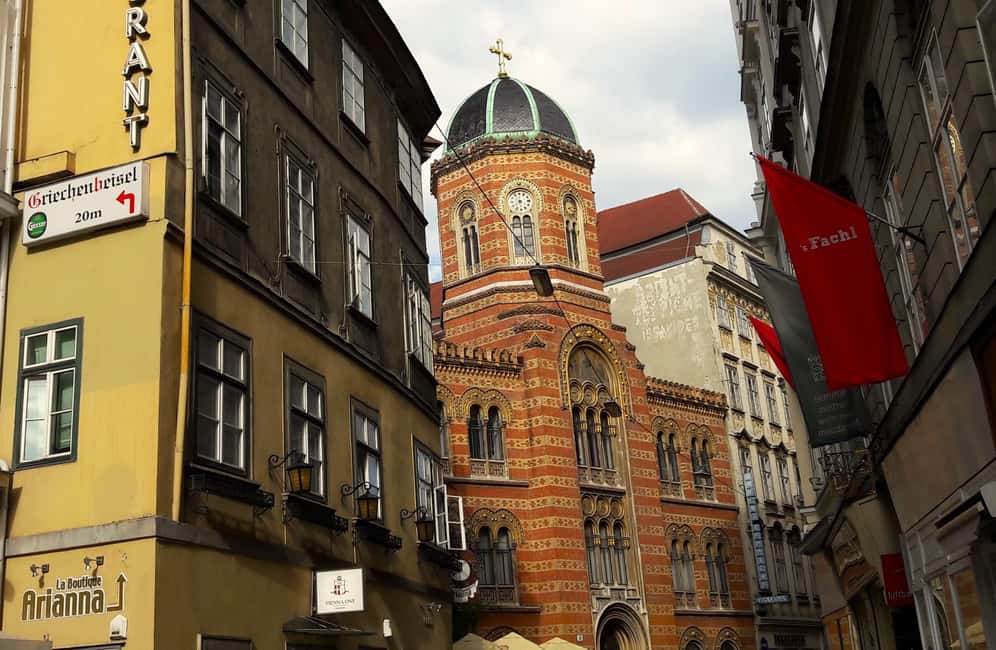
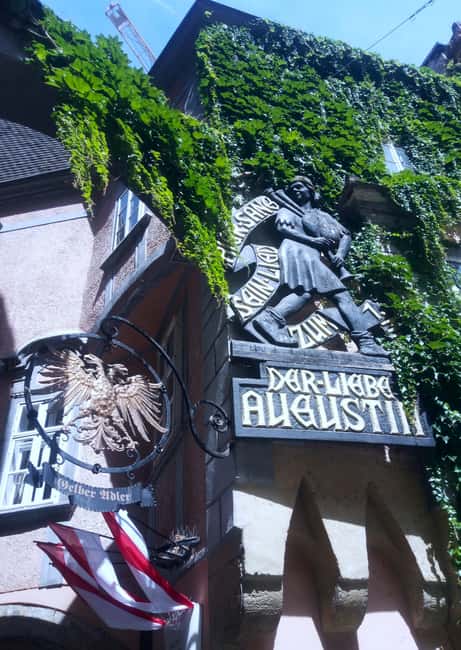
- Augustin’s hope and plague-era legend woven into the route around the Greek Quarter
- Old Art Nouveau facades at Fleischmarkt—many of them easy to miss on your own
- Basilisk saga and other Middle Age legends that connect to real places
- The oldest residential tower in Vienna located in this same neighborhood
- Printing history at Lugeck and the early Habsburg monarchy brought down to street level
- A guided walkthrough with headsets that keeps it clear and relaxed
Greek Quarter Legends in Two Hours: What Makes This Walk Different
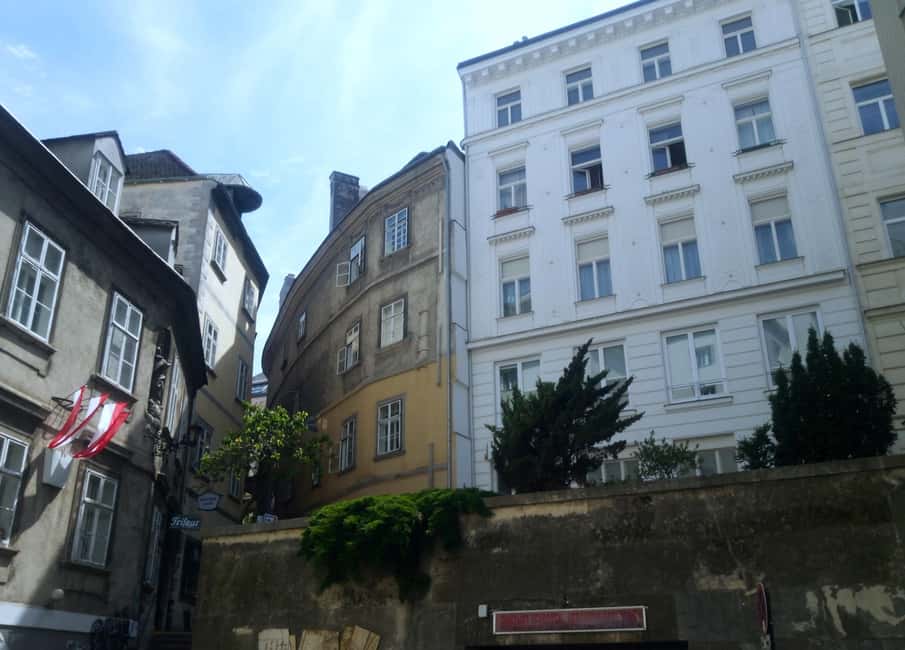
This tour zeroes in on Vienna’s first district, in and around the Greek Quarter—an area tied to more than one version of the city’s story. It’s the kind of place where you can stand on a street corner and feel like you’re right on top of something older: medieval legends, early book printing, and then the later Art Nouveau style that took over in the 1800s.
What makes the experience worth your time is how the route is built. Instead of “here’s a building” and then “next,” the walk keeps answering a bigger question: how did Vienna’s culture, trade, and ideas move through this specific neighborhood? You’ll connect Greek merchants and intellectuals to printed books from early on. You’ll also hear about the preparation for Greek independence and how the Danube area shaped the story.
And yes, it’s full of myths—Augustin, basilisk legends, alchemists. But they aren’t dropped in randomly. The guide links them to the streets so the folklore feels like part of the geography, not just a spooky add-on.
You can also read our reviews of more tours and experiences in Vienna


Getting There by Subway: Meet at Stubentor, Then Stay in the Flow
You’ll meet near the Dr. Karl Lueger monument by the Stubentor subway station. From the start, it’s set up to be easy to join without complicated transfers. The tour lasts about two hours, and it’s designed so you don’t walk much or feel worn out.
Even if you choose no pickup, you can still roll up independently because Stubentor is a clear reference point. If you do want pickup, it’s optional: they’ll use public transport to reach the historical first district, meeting you in your hotel lobby or at an agreed public transport station. One detail I’d note: there are no car or bus pickups.
The other “small” thing that matters: this is a private tour. That usually means you can ask questions without your group turning it into a lecture. In the same spirit, the guide uses headsets so you hear clearly as you move.
Fleischmarkt and Art Nouveau Streets: Vienna’s Style That Most People Miss
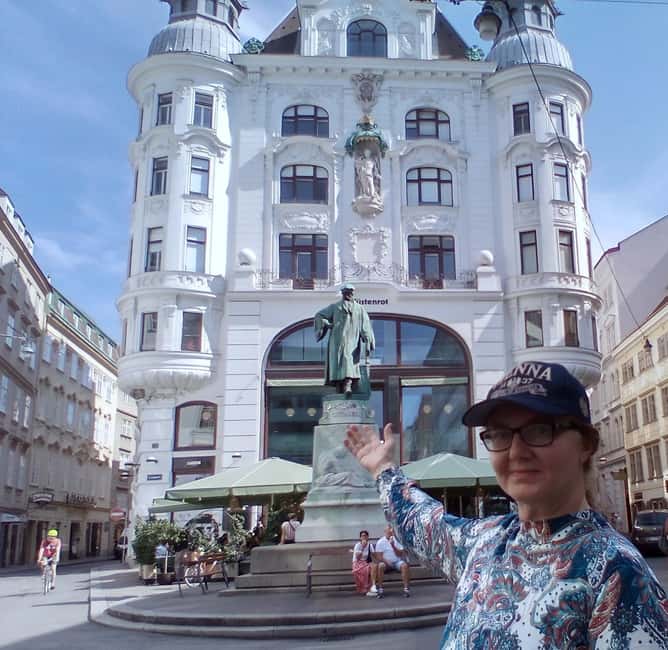
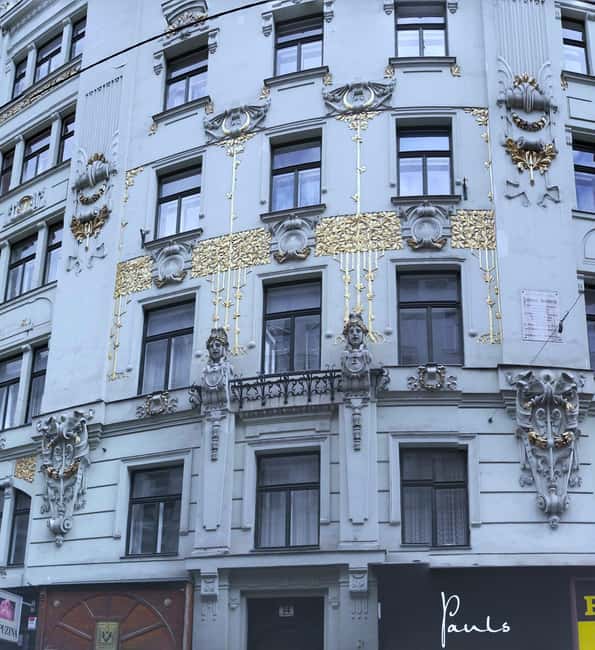
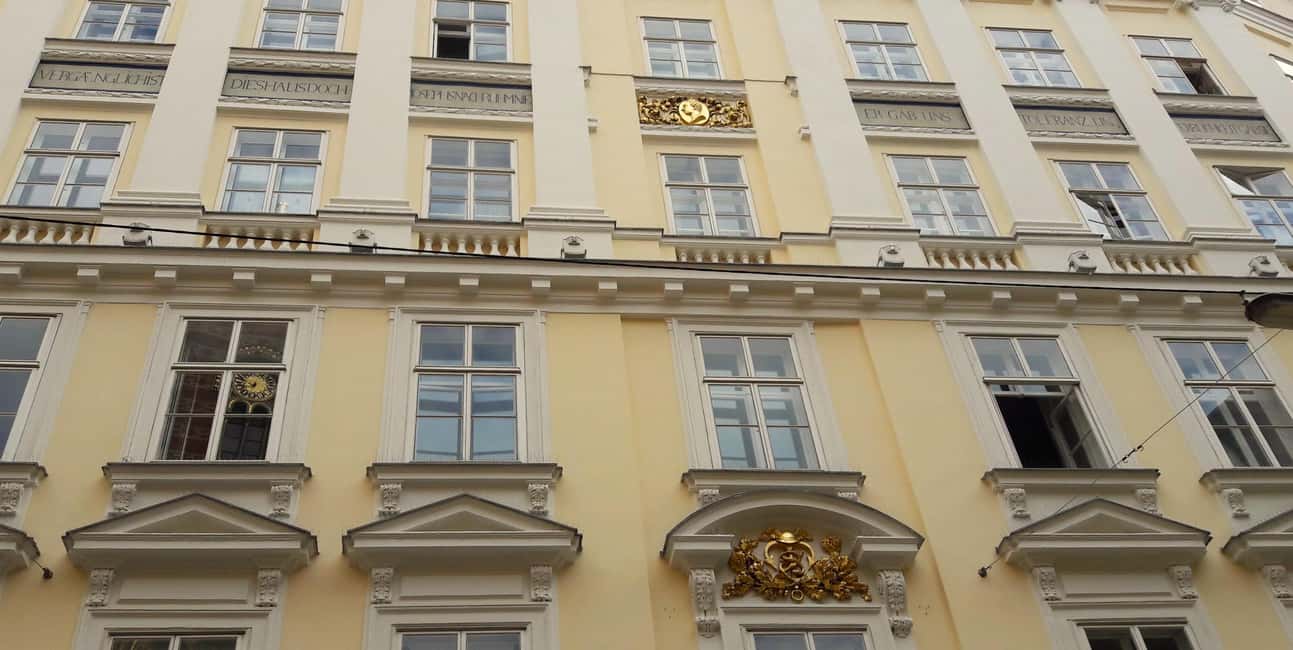
Fleischmarkt is where the tour starts showing you a side of Vienna that’s less “postcard famous.” You’ll admire Art Nouveau buildings there that are mostly unknown to tourists. The facades are the point—ornamental details, street-level character, and that particular 19th-century look Vienna fans love when they find the right addresses.
But the route doesn’t stop at aesthetics. At Fleischmarkt, you’ll also get the connections between these Art Nouveau facades and Vienna’s first printing houses. It’s a neat trick: you see beautiful architecture, then learn how the neighborhood’s identity was tied to early publishing. That changes how you look at the buildings. Suddenly, you’re not just admiring style—you’re placing the style in a timeline of ideas.
And you’ll likely be looking at more than what’s immediately obvious. One of the best parts of this walk is that the guide points out links that you wouldn’t spot on your own, including information that helps you notice “why this street feels different.”
Griechengasse by the Danube: Borders, Plague Hope, and Greek Independence
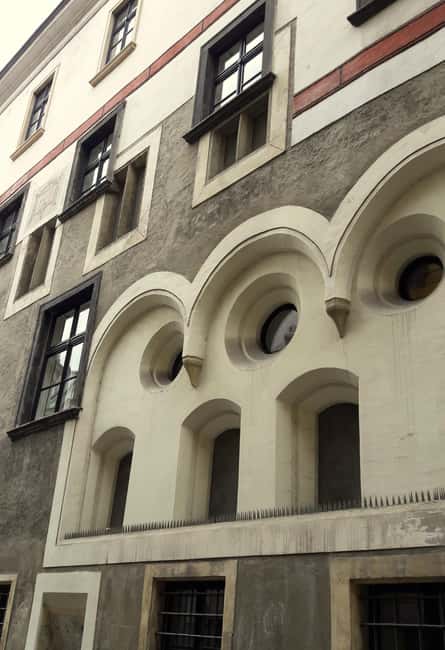
Griechengasse is where the tour leans more heavily into story. This street area amazes because it connects to the neighborhood’s past as a border zone on the Danube. In other words, it’s not just a picturesque lane—it’s tied to movement, trade, and the push-pull between cultures.
Here’s one of the most memorable themes: the legend of Augustin. You’ll hear how Augustin gave people hope to survive the plague, and that hope becomes part of how the neighborhood is understood. Whether you take every legend literally or treat it as cultural memory, it changes the way the streets feel. You start to see this area as a place where fear, survival, and community identity were part of daily life.
You’ll also learn about how the neighborhood was connected to the way prepared for Greek independence. That can sound like a big historical leap until the guide brings it back to the same streets you’re standing on, so you understand the neighborhood as a living crossroads rather than a distant footnote.
Schönlaterngasse and Lugeck: Alchemists, the Basilisk, and the Printing Press Story
Once you reach Schönlaterngasse and then Lugeck, the tour shifts toward the Middle Ages and the way knowledge traveled. This is where legends about alchemists—often described as the scientists of that era—show up in the conversation. Alchemy in Vienna’s imagination isn’t just about magic tricks; it’s framed as an early form of experimental thinking.
You’ll also hear the saga of the basilisk, tied to the area’s legendary atmosphere. The basilisk isn’t treated as a random monster story. It becomes part of how people explained danger, fear, and the unknown long before modern science had those answers.
Then you’ll get one of the most practical “history payoff” moments at Lugeck. The tour connects the history of Vienna’s printing press with real historical facts from the beginning of the Habsburg monarchy. It’s the kind of detail that makes a city tour feel grounded: you can stand there and understand how a neighborhood’s role in printing helped shape what was known and shared.





Don’t Miss the Old Residential Tower (And Why It Matters)
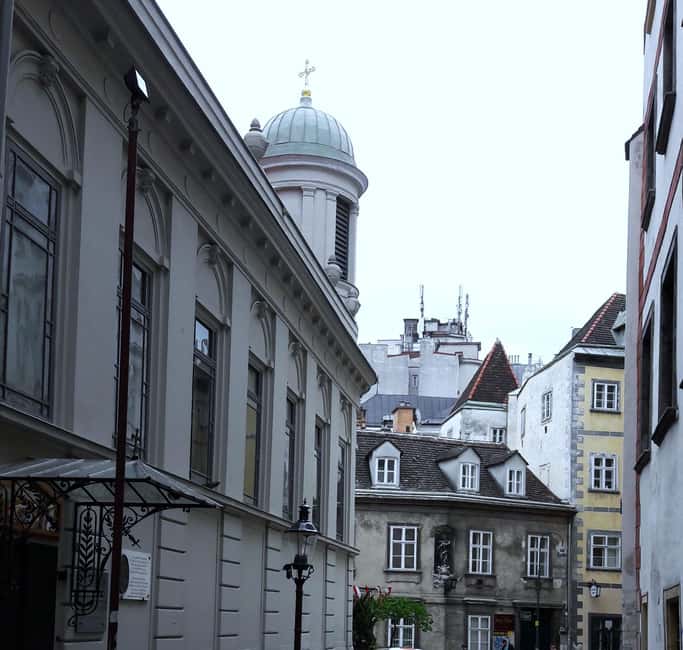
One of the named highlights is the oldest residential tower in Vienna. The tour places it right in this same neighborhood, which is part of why the Greek Quarter works so well.
Here’s the value: when you see a major landmark like this tower in the context of legends, printing history, and later Art Nouveau, you understand the neighborhood as an evolving space—not frozen in time. You’re seeing continuity. Old architecture sits next to newer styles, and the stories keep getting reinterpreted by each era that moves through.
This is also why the mix of 13th-century history and 19th-century Art Nouveau feels more than decorative. It’s not just “old plus pretty.” It’s how Vienna layers identity: the past stays visible, and the later city adds its own style without erasing the earlier one.
How the Two Options Change Your Experience
The tour offers two options, but the key point for you is that the core experience remains the same: the guided walk through the Historic Center of Vienna with the same 2-hour structure. Your main difference will be how the route is handled and where the walk begins based on the option you select.
If you’re planning your day, this matters because you’ll end with two drop-off locations: Lugeck 6 and Parlament Österreich. If you’re heading toward the Parliament area afterward, one option may put you closer in the flow.
Because the exact option details aren’t spelled out here, my practical advice is simple: choose the option that best matches your next stop in Vienna. You’ll save time and avoid the “backtracking” problem that always eats into a short visit.
Price and Value: Is $24 for 2 Hours a Smart Buy?
At $24 per person for a roughly 2-hour private guided experience, this is priced for real value, especially when you compare what you get: a focused neighborhood route, a guide who keeps the stories tied to buildings, and audio via headsets so you aren’t straining.
You also get more than basic sightseeing. The tour is built around specifics: Augustin, the basilisk saga, connections to early printing houses, and the oldest residential tower. That’s the difference between “a nice walk” and “a walk that teaches you how to see Vienna.”
If you’re traveling with someone who wants culture but gets bored with straight museum pacing, this is a strong match. The easy pace helps too—rain or shine, but not strenuous. You’re not signing up for a long endurance hike; you’re signing up for concentration and atmosphere.
Practicalities: Rain or Shine, Easy Pace, Clear Listening
This tour runs rain or shine, so bring a jacket rather than hoping for perfect weather. The good news is the walk is described as easy, with minimal walking distance, so you can stay comfortable even if you’re not a confident long-distance walker.
There’s also a clear limitation worth knowing: it’s not suitable for wheelchair users, and it’s not an underground tour. So plan around above-ground streets, steps, and standard city sidewalks.
Language options are available too. You can choose Italian, German, or English. And since you’re wearing headsets, it’s easier to follow along in any language because the sound comes right to you.
One more rule I’d follow: any recording of the guide’s explanations is strictly prohibited. So if you like to save audio, plan to rely on memory and notes instead.
The Right Fit: Who This Tour Is Made For
This is a great tour if you like:
- Legends tied to real places (not just spooky talk)
- Architecture, especially when it isn’t the “big obvious list”
- Early history themes like printing and knowledge sharing
- A short window in Vienna where you still want something meaningful
It’s also a good option for people who get tired of high-volume “group herding.” Since it’s private, you’ll get more space to ask questions, and the guide can adapt pace to your curiosity.
If you’re only chasing the most famous Vienna sights, you might feel this is too specific. But if you want a neighborhood with texture—old tower, Art Nouveau facades, street-level history—this is the kind of tour that makes Vienna feel personal.
Should You Book Vienna’s Highlights in Two Hours?
I’d book it if you want a compact plan that makes the Greek Quarter click. The best part is the storytelling structure: legends like Augustin and the basilisk are connected to the same streets where early printing and neighborhood identity mattered. Add in the mix of 13th-century history and 19th-century Art Nouveau, plus the clarity of headsets, and you get a tour that’s both fun and practical for a short stay.
I’d skip it if you only want major monuments, or if you need fully accessible routes for a wheelchair, or if you were hoping for an underground or tunnel-style experience.
FAQ
How long is the tour?
The guided tour lasts 2 hours.
Where does the tour start?
You meet around the Dr. Karl Lueger monument near the subway station Stubentor.
Is this a private tour?
Yes, this is your private tour.
What languages are available?
The live tour guide is available in Italian, German, and English.
Are pickups offered?
Pickup is optional. The guide uses public transport and will meet you in your hotel lobby or at an agreed public transport station. No car or bus pickups are offered.
Is the tour underground?
No. This is not an underground tour.
Is the tour wheelchair accessible?
It is not suitable for wheelchair users.