REVIEW · VIENNA
Vienna: King of Waltz – immersive Johann Strauss Museum
Book on Viator →Operated by Johann Strauss New Dimensions · Bookable on Viator
Waltzes get real when tech joins the orchestra. The Johann Strauss Museum delivers a 75-minute, art-and-tech experience in Vienna’s Kleines Haus der Kunst, with location-based 3D soundscapes and hands-on music tools. You’re not just watching Strauss—you’re responding to what you hear and what you create.
I especially like the composing machine idea, because it turns you from listener into maker, with personalized sheet music you can take home. I also appreciate the smart pacing: modern stations, motion-sensitive headphones, and multimedia animations keep things moving without dragging. One thing to consider: it’s designed as a guided, equipment-based route, so if you prefer free-form gallery wandering over structured stations, this format may feel a bit predetermined.
In This Review
- Key highlights worth knowing
- Why this museum experience feels different in Vienna
- How the 75-minute experience is paced (and why it works)
- Kleines Haus der Kunst: what you’re walking into
- The “New Dimensions” format: art, tech, and sound as the story
- Interactive stations you can actually try (composer, musician, dancer)
- The moment you become Johann Strauss (photo + print)
- What you learn without feeling like you’re in class
- Price and value: is $28.94 a good deal?
- Who should book this experience
- Getting there and planning your day
- Should you book Johann Strauss: King of Waltz?
- FAQ
- How long is the immersive Johann Strauss Museum experience?
- Where is the experience located in Vienna?
- Is the ticket mobile?
- What is included with the ticket price?
- Is parking included?
- When should I book?
- When do I receive confirmation after booking?
- Is it easy to reach without a car?
- Can I cancel for a full refund?
- What can I do during the experience and take home?
Key highlights worth knowing
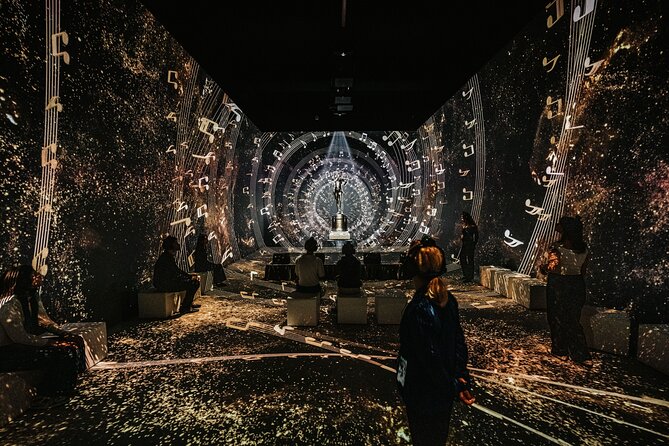
- Location-based 3D soundscapes that bring Strauss melodies to life where you’re standing
- GPS-controlled audio guide paired with modern, motion-sensitive headphones
- Interactive stations where you can try composer, musician, or dancer roles
- Create-and-take-home keepsake via the composing machine and printed sheet music
- On-the-spot photo printing where you pose as Johann Strauss
- Seating-friendly experience flow, with plenty of places to sit as you go
Why this museum experience feels different in Vienna
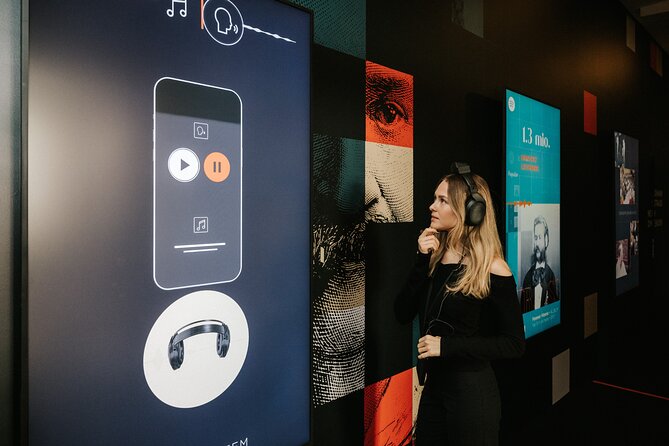
If your Vienna trip usually means grand rooms and still paintings, this one gives you something livelier. The Johann Strauss Museum wraps his world in art-and-technology scenes, guided by an audio system and built around what you do, not just what you read.
The big draw is the way sound is treated like the main character. With a location-based 3D sound system, you hear Strauss in a way that feels tied to your position in the space. That matters because waltzes rely on rhythm and motion—here, the museum uses tech to make the sound feel physical, not distant.
You’ll also notice the museum leans into creativity as a learning tool. The experience doesn’t just explain Strauss; it gives you a way to play with the idea of composing, then see what you created in the form of printable sheet music. For me, that’s the kind of souvenir that doesn’t just sit on a shelf—it reminds you of the steps you took to make it.
The main trade-off is that this is not a slow, open-ended museum stroll. It’s timed (about 1 hour 15 minutes) and station-based, which is great if you like structure, but less ideal if you want to linger indefinitely in one section.
You can also read our reviews of more museum experiences in Vienna


How the 75-minute experience is paced (and why it works)
This experience is designed to fit neatly into a short window: about 1 hour 15 minutes. That timing is practical in a city like Vienna, where you’ll likely have other plans the same day. It also helps keep the tech stations from feeling overwhelming, because you’re moving through them before fatigue sets in.
You’re given an audio guide system plus headphones, and the audio is tied to your location via GPS control. In practice, that means the story and sound are meant to trigger as you follow the route. If you stop to watch carefully, you can catch the details; if you move too quickly, you might miss how the next soundscape is supposed to connect.
Another smart touch is the motion-sensitive headphones. That suggests the museum is reading your movement to adjust the audio experience. It’s not just listen-and-learn; you’re expected to interact with the stations in a physical way.
And yes, there are places to sit. That’s not a small detail. If you want to enjoy the audio without standing the whole time, the seating-friendly layout makes the experience easier to manage.
Kleines Haus der Kunst: what you’re walking into
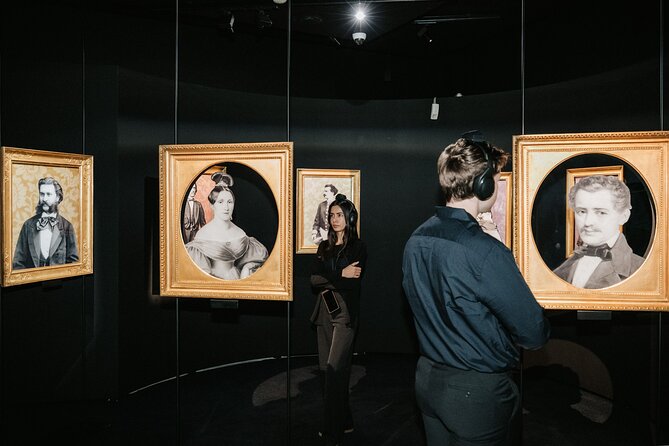
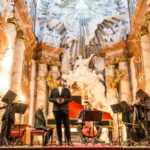
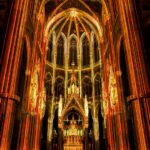
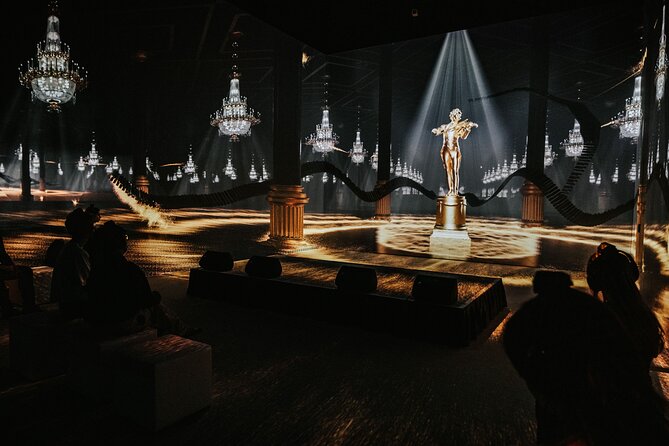
The museum experience takes place at Kleines Haus der Kunst in Vienna. This is where the setup matters: the exhibition is built for sound, projections, and interactive areas, so it’s not a passive gallery space. You’ll feel the room design working with the technology, which is exactly what you want for a music-focused story.
Inside, the experience is organized into seven acts that map out important phases of Johann Strauss’ life. The museum doesn’t treat his story as one long lecture. Instead, it moves through distinct segments, each paired with audiovisual elements and immersive scenarios.
Since you’re using headphones and following the audio guide, your path is part of the storytelling. That can be a plus: it helps you keep your bearings fast and reduces the guesswork that can happen in self-guided multimedia exhibits.
It can also be a downside if you want total control. You won’t be free to linger in every corner for long stretches, because the experience is meant to unfold as a sequence.
The “New Dimensions” format: art, tech, and sound as the story
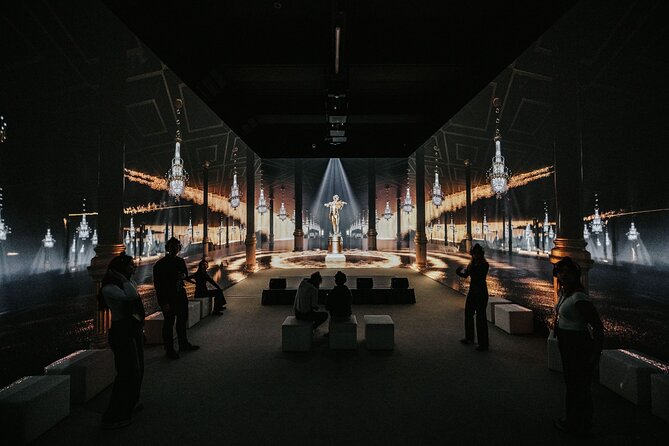
The exhibition experience is built as “Art & Tech” and uses audiovisual installations to turn Strauss’ world into scenes. In other words, you’re not just hearing about the music—you’re hearing it inside a designed setting.
A major feature is the location-based 3D sound system, paired with authentic soundscapes. That combination is where the experience can feel special for music lovers, because it treats melody as something you can experience in space. It also helps people who don’t know much about classical waltz history: the sound does the storytelling, not just the text.
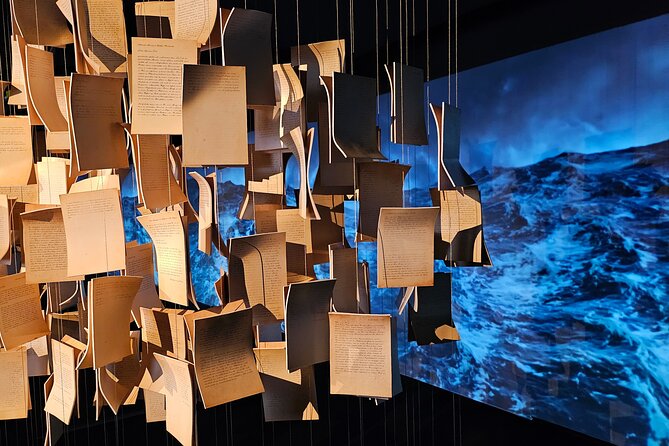
Multimedia stations add another layer. You’ll see animations and visuals that help stitch the experience together as you move. This matters because techno-driven museums can sometimes feel like flashing screens with little meaning. Here, the visuals support the narrative and the audio, so the tech acts like an interpretive tool.
Interactive stations you can actually try (composer, musician, dancer)
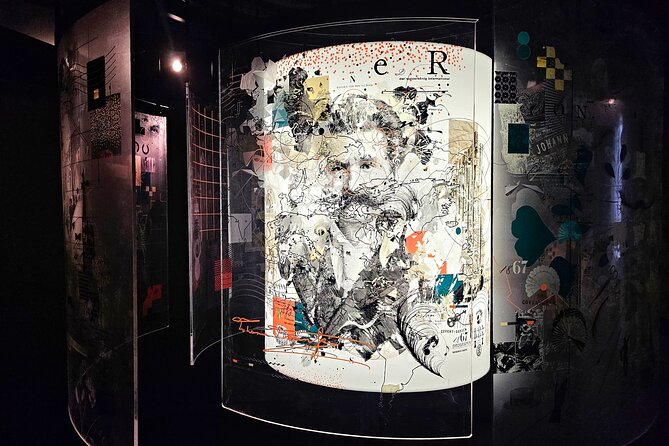
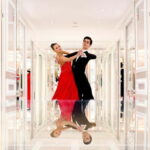
One of the reasons this works so well for a wide range of visitors is that it includes hands-on participation. The exhibition has interactive stations where you can try roles like composer, musician, or dancer.
You don’t have to be trained in music to enjoy it. Think of these stations like a guided workshop built into a museum route. Even if you already love Strauss, it’s more fun to do something than to only listen.
The standout is the composing machine. It lets you create your own waltz, and then it turns your result into personalized sheet music that you can take home. That’s a very different kind of souvenir than a postcard or a t-shirt. You get something concrete that reflects the creative step you took inside the museum.
In a city full of classical monuments, this kind of participation gives you a break from quiet looking. It’s also a solid choice if you’re traveling with someone who learns by doing rather than reading.



The moment you become Johann Strauss (photo + print)
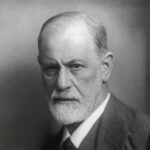
This museum includes a fun, very Vienna-in-the-spirit photo moment. You can take a photo of yourself as Johann Strauss, and then have it printed right on the spot.
That detail is worth paying attention to when you’re deciding if this is for you. Some multimedia museums offer a photo-op that feels like an afterthought. Here, it’s positioned as part of the experience’s narrative, fitting the idea of stepping into Strauss’ world.
If you like playful keepsakes, this is an easy win. It also helps balance the more technology-driven parts of the exhibition with something simple and memorable.
What you learn without feeling like you’re in class
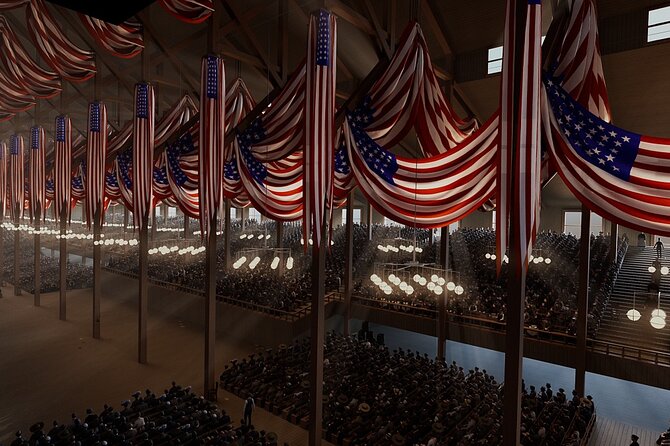
The exhibition approach is built to teach through story and senses. You move through seven acts covering important phases of Strauss’ life, with interactive elements and audiovisual installations supporting each segment.
Because the sound system and audio guide handle much of the sequencing, you’re less likely to get lost. You’ll feel the structure as you go, which is useful if you don’t want to spend time figuring things out mid-visit.
Even if you only know Strauss from a few recognizable waltzes, the experience format helps you make connections. You’re still getting context about his world, but the museum keeps the learning tied to actions—listening, trying stations, and creating outputs like your sheet music and photo.
Price and value: is $28.94 a good deal?
At $28.94 per person, this isn’t the cheapest activity in Vienna. But it comes with meaningful value built in.
Your ticket includes the admission fee plus an audio guide and headphones. That matters because multimedia experiences can nickel-and-dime you for “extras” that are actually essential to enjoying the exhibit. Here, the core tools are included.
You’re also getting more than one type of payoff:
- Interactive stations (composer/musician/dancer roles)
- A created keepsake in the form of personalized sheet music
- A printed photo as Johann Strauss
- A 75-minute guided sequence paced for a single visit
If you love classical music but want a modern way to experience it beyond concert halls, the value starts to make sense. If you’re more of a slow, self-guided museum person, you may find the structured route less satisfying for the price.
My rule of thumb: choose this if you want your Vienna day to feel hands-on and playful, not just observational.
Who should book this experience
This is a strong fit if you:
- enjoy music, even if you’re not a deep classical specialist
- like technology that supports the art instead of distracting from it
- want a short experience that still delivers a personal take-home result
- are curious about how storytelling can use sound and visuals together
It’s also appealing if you want something different from the typical Vienna “walk and look” plan. The station-by-station format makes it feel like an experience, not a lecture.
You might hesitate if you:
- dislike headphones or equipment-based attractions
- prefer long, meandering museum time
- want a fully self-directed visit where you control every minute
Getting there and planning your day
The museum is near public transportation, which is practical for Vienna. Parking fees are not included, so you’ll want to plan on transit if you can.
This is also an experience that people tend to book ahead: the average booking window is about 28 days in advance. That’s usually a sign the time slots fill, so if your schedule is fixed, don’t wait until the last minute.
If you want flexibility, there’s free cancellation up to 24 hours before the experience start time for a full refund. That can help if your Vienna plans are still in flux.
Should you book Johann Strauss: King of Waltz?
Book it if you want a music experience that treats waltz history as something you can hear, do, and leave with. The combination of location-based 3D sound, GPS-controlled audio, and hands-on composing (with printed sheet music) makes this more interactive than most museum tickets.
Skip it if you’re looking for a classic museum pace, with long reads and free wandering. This is a guided sequence designed around tech and participation, so it works best when you’re ready to follow the flow and engage with the stations.
If your goal is to add something playful and modern to a Vienna itinerary, this one earns a spot.
FAQ
How long is the immersive Johann Strauss Museum experience?
It lasts about 1 hour 15 minutes.
Where is the experience located in Vienna?
It takes place in Vienna, Austria, at Kleines Haus der Kunst.
Is the ticket mobile?
Yes, you receive a mobile ticket.
What is included with the ticket price?
The ticket includes an audio guide, headphones, and the admission fee.
Is parking included?
No, parking fees are not included.
When should I book?
On average, it’s booked about 28 days in advance.
When do I receive confirmation after booking?
Confirmation is received at the time of booking.
Is it easy to reach without a car?
It’s near public transportation.
Can I cancel for a full refund?
Yes. You can cancel up to 24 hours before the experience for a full refund.
What can I do during the experience and take home?
You can use a composing machine to create your own waltz and take home the personalized sheet music, and you can take a photo as Johann Strauss that gets printed on the spot.