Vienna is easy to picture, but this tour makes it time-travel easy. I like the way 360-degree VR turns major sights into scenes from the past, and I also love that the audio guide connects what you see to Vienna’s evolution. One caution: it is not suitable for people with epilepsy because of the VR component.
The route is compact and friendly: about 2–3 km on foot over roughly 2 hours, ending at Stephansplatz. With a maximum of seven people, you get an intimate pace instead of feeling swept along in a crowd.
You’ll meet at Johannesgasse 21, then follow the story across St. Stephen’s Cathedral, Graben, Hofburg, and the Opera before finishing at Stephansplatz. If the weather is iffy, plan to be flexible, because the experience runs only in good conditions.
In This Review
- Key highlights worth your attention
- Vienna Old Town with 360° VR: how it plays in real life
- Price and value: paying $47.17 for a small-group tech story
- Meeting at Johannesgasse 21, ending near Stephansplatz
- Stop by stop: from St. Stephen’s Cathedral to Stephansplatz
- St. Stephen’s Cathedral: the first big anchor
- Graben: shifting from the icon to the street-level story
- Hofburg: where the evolution theme keeps tightening
- Opera: a shift in mood and scale
- Stephansplatz: where the story lands and the tour ends
- Audio guide storytelling: the secret sauce behind the tech
- Group size and pacing: why seven people changes everything
- Who this tour suits best (and when it’s a mismatch)
- Weather and timing: plan your day around the “good weather” requirement
- Should you book this Vienna Old Town VR walking tour?
- FAQ
- How long is the Walking Tours for Time Travelers experience in Vienna?
- What is the price per person?
- Is the tour offered in English?
- Where do I meet and where does the tour end?
- Which landmarks are included for the VR scenes?
- How many people are in each group?
- Do I get a mobile ticket?
- Is it suitable for children and people with epilepsy?
- Is free cancellation available, and does it depend on weather?
Key highlights worth your attention
- VR time scenes at landmark stops using 360-degree 3D animation
- English audio guide that explains different stages of Vienna’s evolution
- Small group limit of seven for a calmer walk and more attention
- Short, practical route with about 2–3 km of walking in ~2 hours
- Works even if you’re new to VR since the walking tour itself still carries the experience
Vienna Old Town with 360° VR: how it plays in real life
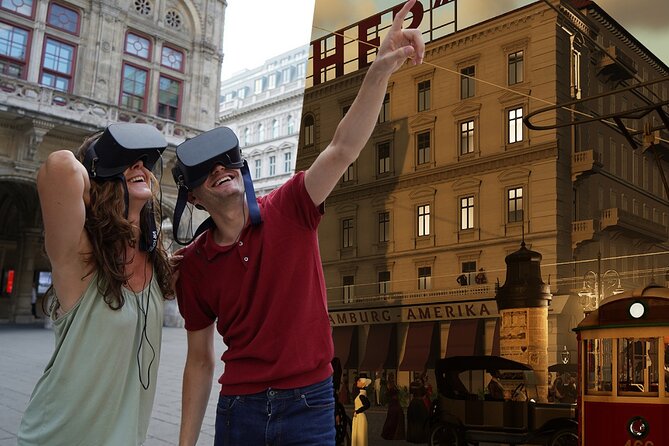
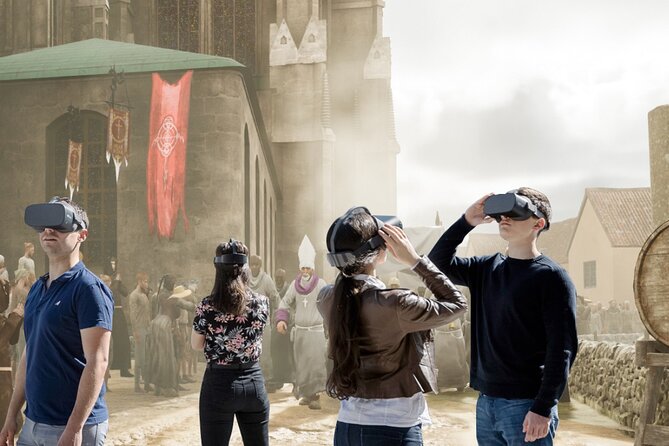
This isn’t a museum lecture where you just look at screens. It’s a walking route through Vienna Old Town where the story shows up exactly where you’re standing. The VR scenes are triggered at key points—St. Stephens Cathedral, Graben, Hofburg, the Opera, and then Stephansplatz where the tour ends—so the past feels linked to the present instead of floating around on its own.
The format also keeps your brain from getting tired. You walk, you look, you listen. Then you get a VR moment in 360-degree 3D animation at the landmark, which gives your eyes something new to focus on without breaking the flow of the tour. The audio guide then talks you through Vienna’s evolution, so the tech never feels random.
A big practical upside: the tour is offered in English, and most people can participate. If you’re traveling with someone who prefers a straightforward city walk, you’re still going to get real value even without leaning heavily on the VR side.
You can also read our reviews of more walking tours in Vienna


Price and value: paying $47.17 for a small-group tech story
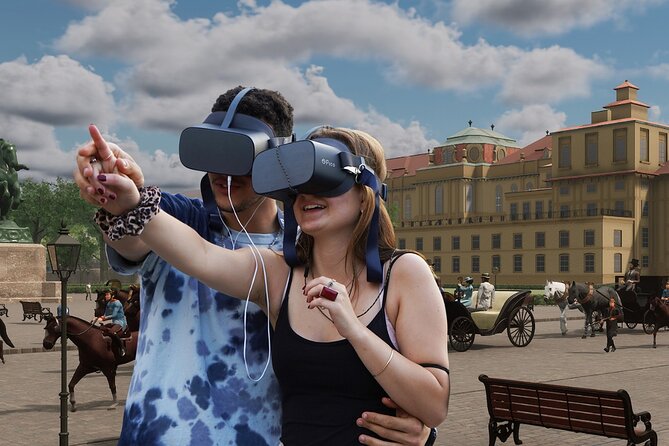
At $47.17 per person for about 2 hours, you’re paying for three things: a guided route, English audio storytelling, and the VR component. In this price bracket, the strongest value is the mix. You aren’t buying a long, full-day tour with a big bus crew, and you aren’t paying only for an app.
The small group limit matters for value. A maximum of seven people means you’re less likely to be stuck behind other people at busy corners or at the exact moment the VR scene is supposed to make sense. It also tends to make the pacing smoother—helpful when you’re walking through the central area and stopping multiple times.
Finally, the tour uses a mobile ticket, and you’ll receive confirmation at booking time. That usually cuts down on the hassle once you arrive—especially useful in a city where you might have other plans in the same afternoon.
Meeting at Johannesgasse 21, ending near Stephansplatz
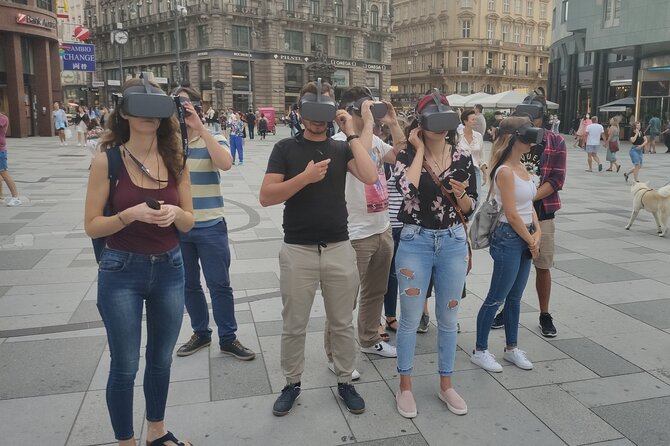
The tour begins at Johannesgasse 21 in 1010 Wien and ends at Stephansplatz (also in 1010 Wien). That ending point is handy because Stephansplatz is a central-feeling spot with easy onward options for sightseeing and transport.
One practical detail I’d plan around: you should expect a real walk, just not a long one. Over roughly 2 hours, the route is about 2–3 km total. That’s a good distance for most people who can handle city walking, and it fits nicely into a half-day schedule—like pairing it with lunch afterward or using the afternoon to explore nearby neighborhoods.
Also, it’s near public transportation. That’s not just convenience; it helps you actually enjoy the walk instead of feeling stressed about getting across town.
Stop by stop: from St. Stephen’s Cathedral to Stephansplatz
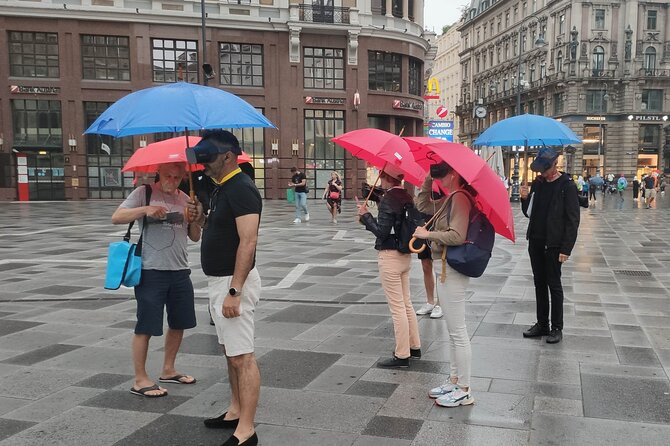
The tour is built around the idea that Vienna’s evolution makes more sense when you see the landmarks first, then get the VR scenes right on top of them. Each stop has a job: set the visual context, then add the time-jump.
St. Stephen’s Cathedral: the first big anchor
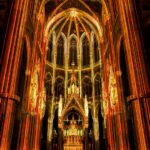
You start with St. Stephens Cathedral as your opening anchor. It’s the kind of landmark that already gives you a sense of place, and then the VR system layers on 360-degree 3D animation. The audio guide’s job here is to begin the story of Vienna’s development in a way that you can immediately connect to the real-world view you’re looking at.
Why this works: starting with a major landmark gives your brain a strong reference point. Even if you’re new to VR, the scene feels like it belongs because you’ve already arrived at the real landmark.




Graben: shifting from the icon to the street-level story
Next is Graben, which changes the feel from big landmark to street-level urban space. This is where the tour’s storytelling approach becomes clear: Vienna isn’t just one building or one view. The audio guide keeps moving you through Vienna’s evolution, while the VR moments give you 360-degree context.
This stop is useful if you like understanding how a city feels in motion. You’re walking through the center, and the story comes along with the route, not only from one point.
Hofburg: where the evolution theme keeps tightening
Then you reach Hofburg, one of the major landmarks included for the VR scenes. The tour keeps going with the audio guide’s explanation of different stages of Vienna’s evolution, so this isn’t just a photo stop. The VR overlay is timed to reinforce the theme: change over time, experienced in the space where that change happened.
If you enjoy “seeing the why” behind architecture and city design, this stop tends to land well because it’s part of a sequence, not a standalone moment.
Opera: a shift in mood and scale
After Hofburg comes the Opera. This stop keeps the route varied, which helps keep energy up during a 2-hour experience. The VR component at the Opera point is designed to add 360-degree 3D animation to what you’re seeing, while the audio guide continues the evolution thread.
This is a good spot if you like cultural landmarks. Even if you don’t know every detail, you’re still getting a structured walkthrough that turns the area into a timeline you can understand.
Stephansplatz: where the story lands and the tour ends
Finally, you finish at Stephansplatz, where the tour concludes. VR is also part of this last stretch, so you’re not just fading out after the final stop—you’re getting one more time-jump moment while you’re still in the core area.
Ending at Stephansplatz is practical too. It keeps you near central activity, so you can extend your day easily without needing a complicated transit plan afterward.
Audio guide storytelling: the secret sauce behind the tech
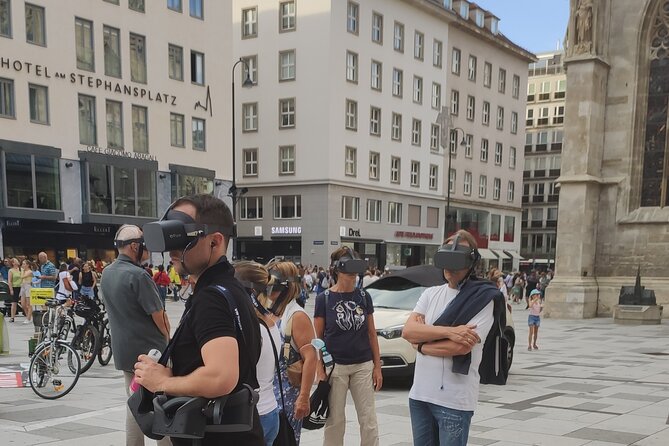
The VR is the headline feature, but the audio guide is what keeps it coherent. The audio talks you through the different stages of Vienna’s evolution, so the tour feels like a guided timeline rather than a set of disconnected visuals.
That matters because VR can be distracting if it’s the only thing you’re doing. Here, the audio gives you context for why you’re seeing the VR 360-degree 3D scenes at that specific point on the walk. When the narration and the physical setting match up, the whole tour becomes easier to follow and remember.
Even better for real-life travelers: you don’t need to be a VR expert. One of the standout themes from the experience feedback is that the walk and the audio explanation still deliver strong value even if you’re experiencing VR for the first time—or even if you’d rather not focus on the VR side at every stop.
Group size and pacing: why seven people changes everything
A maximum of seven travelers (that small group cap is clearly stated) makes a difference more than you’d think. On a walking tour in a central city, the biggest friction points are crowding at corners and waiting for everyone to catch up. With a group this size, the tour generally feels more controlled, and you spend more time watching and listening instead of navigating other people’s pace.
It also helps with attention. When there are fewer people, your experience is less likely to feel rushed at the VR moments. You can actually get oriented before the next landmark.
The tour duration—about 2 hours—also keeps it manageable. It’s long enough to feel like a real walk-through of Vienna Old Town, not so long that you’ll dread the next stop.
Who this tour suits best (and when it’s a mismatch)
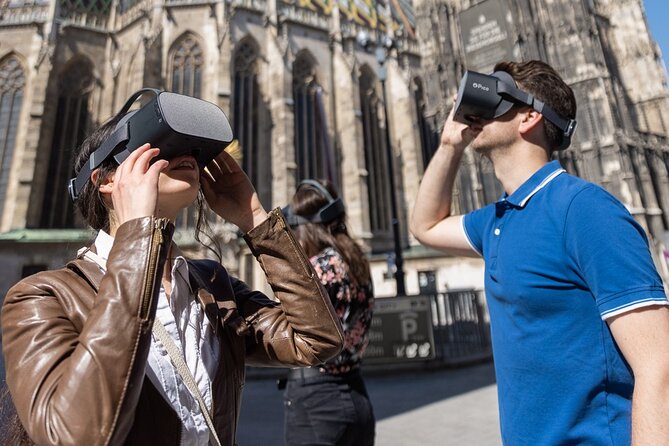
This is a strong fit for people who enjoy city walks plus a structured explanation. If you like history presented through real landmarks, the audio guide does that work. If you like modern tools used for storytelling, the VR component adds a fun “what it used to look like” layer using 360-degree 3D animation.
It also works for visitors who are newer to VR. If you’ve never tried VR before, you can still enjoy the walking and audio parts while you get comfortable with the visuals.
That said, you should check your comfort level up front. The tour is not suitable for people with epilepsy, and it is not suitable for children below 10. If any of these apply, skip the VR element and look for a different kind of walking tour.
Weather and timing: plan your day around the “good weather” requirement
The experience requires good weather. If conditions are poor, it will be canceled and you’ll be offered a different date or a full refund. For planning, treat this like a great outdoor activity that you schedule on your best-weather window.
Because the tour ends at Stephansplatz, I like treating it as a central anchor for your day. If you want to keep flexibility, schedule it earlier rather than later, so a weather change doesn’t wreck your entire itinerary.
Also note this: on average it’s booked about 24 days in advance. That’s a sign it’s popular, likely because the group size is capped and the VR feature makes it memorable. If you have fixed travel dates, book sooner instead of waiting for the last week.
Should you book this Vienna Old Town VR walking tour?
If you want a practical 2-hour walk with a clear route, and you like the idea of adding 360° VR at real Vienna landmarks, I think this is a smart buy. The best part is the balance: audio storytelling keeps the tour grounded, while the VR moments add a fun, time-jump effect without turning it into a tech-only experience.
Book it if:
- You want English audio and a guided route through Vienna Old Town.
- You like small-group experiences with a max of seven people.
- You want a compact walk (about 2–3 km) that fits into a half-day plan.
- You’re curious about VR storytelling but still want the walking tour value even if you’re cautious about VR.
Skip it if:
- You or someone in your group has epilepsy (not suitable due to VR).
- You’re traveling with a child under 10.
- Your schedule can’t handle potential weather-based cancellation.
If you’re aiming for something that feels fresh—without being long or exhausting—this Vienna Old Town time-travel walk is a strong contender.
FAQ
How long is the Walking Tours for Time Travelers experience in Vienna?
It runs for about 2 hours.
What is the price per person?
The price is $47.17 per person.
Is the tour offered in English?
Yes, it’s offered in English.
Where do I meet and where does the tour end?
You meet at Johannesgasse 21, 1010 Wien, Austria, and the tour ends at Stephansplatz, 1010 Wien, Austria.
Which landmarks are included for the VR scenes?
The VR scenes are at St. Stephens Cathedral, Graben, Hofburg, Opera, and Stephansplatz (where the tour finishes).
How many people are in each group?
The tour/activity has a maximum of 7 travelers.
Do I get a mobile ticket?
Yes. The experience uses a mobile ticket, and confirmation is received at the time of booking.
Is it suitable for children and people with epilepsy?
It is not suitable for children below 10, and it is not suitable for people with epilepsy.
Is free cancellation available, and does it depend on weather?
Yes, you can cancel for free up to 24 hours in advance for a full refund. The experience requires good weather, and if it’s canceled due to poor weather, you’ll be offered a different date or a full refund.