REVIEW · VIENNA
Wien: Tours with locals by public transport & walking
Book on GetYourGuide →Operated by Guide from Vienna - RAXI Tours · Bookable on GetYourGuide
Vienna moves fast when you know how. This tour is built around riding public transport with a guide, then stitching the city’s standout architecture into a route you can repeat. I really liked the way it teaches you to use Vienna’s transit system in real time, not just in theory. I also love that the sights feel tied together by design ideas, from Otto Wagner to Hundertwasser.
A quick note before you book: it’s a short 2–4 hour format, so it’s not the place for super slow, ultra-deep museum-style history. If you want hours of detailed context, you may feel slightly rushed—though the tradeoff is you leave with the confidence to navigate on your own.
In This Review
- Key Things You’ll Notice on This Tour
- Vienna on Tram Lines: How You Learn the City Without Stress
- A small pace warning
- Otto Wagner and the Transit Genius You Can Actually Spot
- Hundertwasserhouse and the Walk of Ecological Ideas
- How this stop fits the timeline
- Hofburg and Ringstraße: Royal Vienna With Real Travel Logic
- What to expect on the ground
- Belvedere and Schönbrunn: Two Big Palaces, One Coherent Day
- Belvedere Palace stop
- Schönbrunn stop
- The Transit Skills You’re Really Paying For
- Price, Value, and What You’ll Still Need to Budget
- A note on pace and depth
- Weather, Group Comfort, and Practical Tips for Your Day
- Who This Tour Fits Best (And Who Might Want Another Option)
- Should You Book This Vienna Local Transit + Architecture Tour?
- FAQ
- What’s the duration of the tour?
- What’s included in the price?
- Are public transport tickets included?
- Which sights are part of the tour?
- Do I need to buy Belvedere museum tickets?
- Is the tour canceled if it rains?
Key Things You’ll Notice on This Tour
- Public transport practice: you learn the system by actually using it (tram, subway/metro, bus)
- Otto Wagner’s city planning: you’ll connect his design brain to what you see on the streets
- Hundertwasser trail: you focus on Hundertwasserhaus and related works near Spittelau
- Major palaces, handled practically: Hofburg, Belvedere, and Schönbrunn fit into a usable walking-and-ride plan
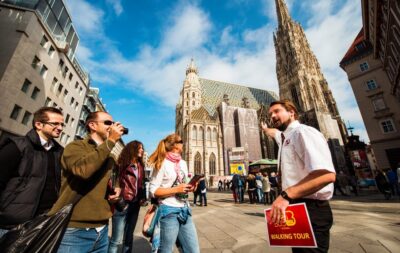
- Small group + headsets: limited to 10 and you get headsets so you don’t lose the guide mid-crossing
Vienna on Tram Lines: How You Learn the City Without Stress
The smartest thing about this tour is the “do it with a guide, then do it yourself” rhythm. You start with a short safety briefing, then you’re quickly on the move. That matters because Vienna is one of those cities where you can save a lot of time by using public transport correctly—but only if you feel comfortable with the steps.
You’ll get that comfort fast because you’re not stuck in one long walking loop. The plan uses tram rides, subway/metro hops, and bus segments, so you experience the flow the way locals do: travel, step out, look around, move on. If you arrive with that first-day jitters—Will I understand the lines? Will I mess it up?—this tour is designed to remove that fear.
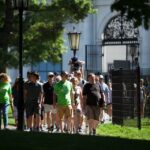
You also get headsets. That sounds like a small detail until you’re standing on a busy street or near a major palace area. You’ll hear the guide clearly even when you’re walking and the city is doing its normal day-noise.
You can also read our reviews of more walking tours in Vienna
A small pace warning
This is built to cover multiple districts and icons in limited time. You’ll see a lot, but you won’t sit in one place for a long, quiet deep read of every building. Think “smart orientation and key highlights,” not “slow art-school seminar.”
Otto Wagner and the Transit Genius You Can Actually Spot
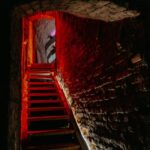
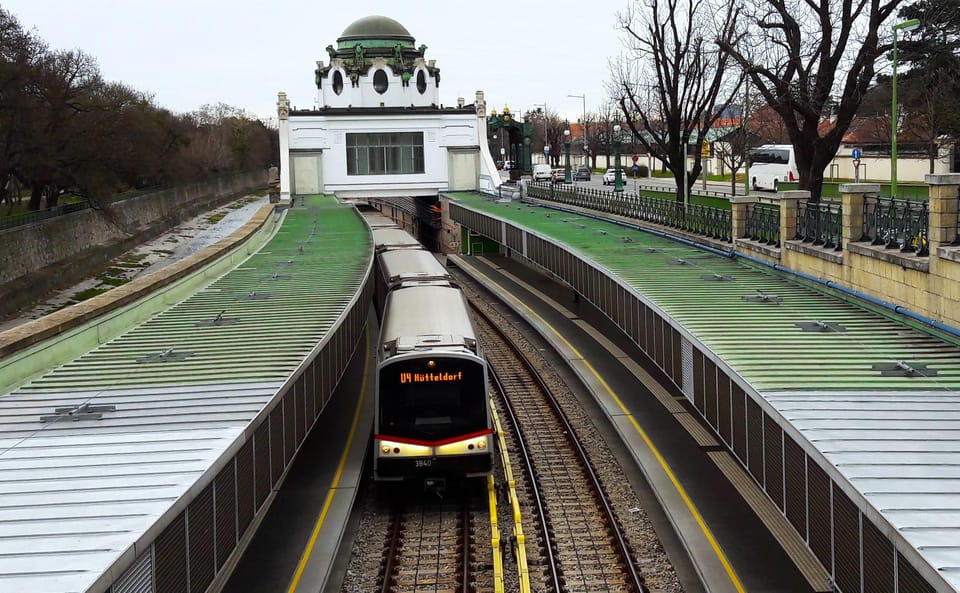
One of the tour’s strong themes is Otto Wagner, and not in a vague, poster-on-a-museum-wall way. The experience connects Wagner’s ideas to the city infrastructure you can observe as you move. That includes how the subway concept fits into Vienna’s layout and how stations and routes shape daily city life.
Here’s why this matters for you: once you understand the logic behind transit planning, Vienna’s routes stop feeling random. You’ll start recognizing how districts connect and why certain lines are useful for getting between major sights. Instead of treating transit like a puzzle, you’ll treat it like a tool.
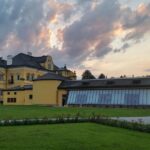
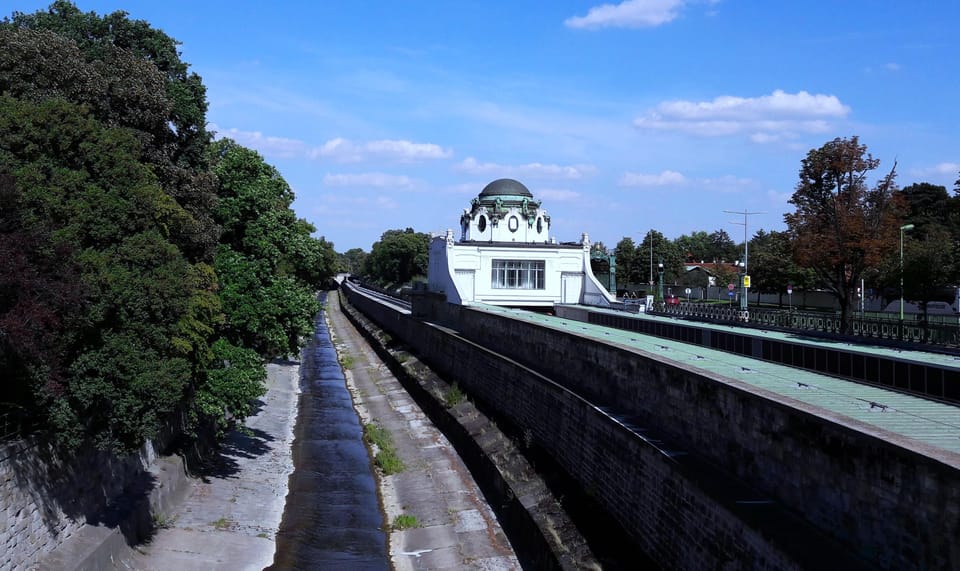
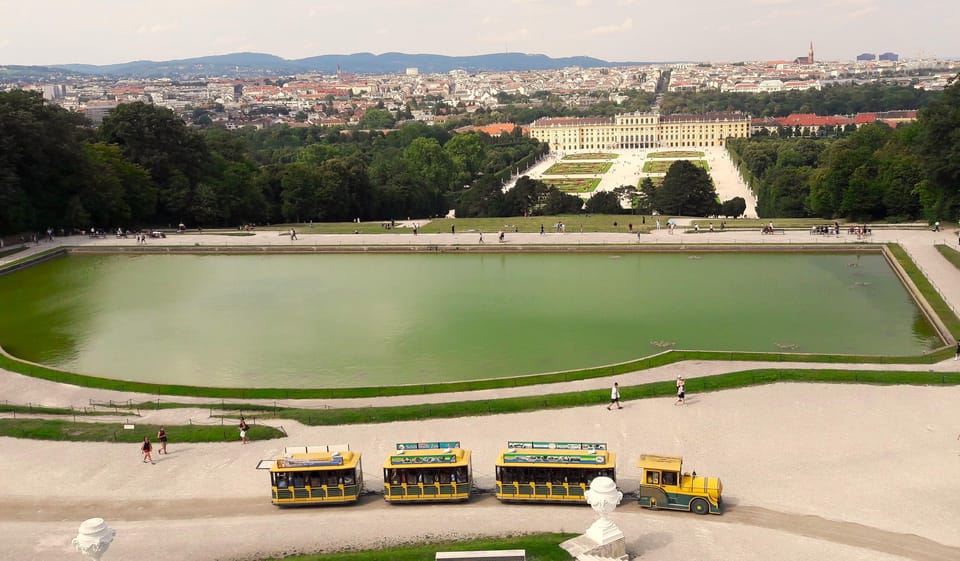
You’ll also encounter Wagner-related buildings beyond the postcard version. The tour highlights the Otto Wagner Hof Pavilion behind Schönbrunn, which is the kind of stop that feels especially satisfying when you realize it’s not the first thing most people think to seek out. That “oh wow, this exists right here” feeling is one of the best parts of a locally guided route.
Hundertwasserhouse and the Walk of Ecological Ideas
If you love architecture with a point of view, this part will keep your attention. The tour includes a guided visit to Hundertwasserhaus, plus the broader idea of following the footsteps of Hundertwasser from the Spittelau area to his most famous house-like statement. You’re essentially tracing early ecological thinking through art and design rather than through lectures.
The practical benefit for you is that the tour isn’t only telling you what to look at. It’s also giving you a route that makes sense geographically, so you don’t waste time backtracking. Even if you’re not a hardcore architecture fan, the colors, forms, and the overall vibe of Hundertwasser’s work can be an easy “anchor” for your day. You’ll remember it, and it gives structure to the rest of the sightseeing.
How this stop fits the timeline
This is usually handled mid-tour with enough guidance to help you understand what you’re looking at without turning it into a long museum session. That’s ideal for a 2–4 hour day: one big “wow” stop, then you move on while the memory is fresh.

Hofburg and Ringstraße: Royal Vienna With Real Travel Logic
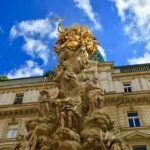
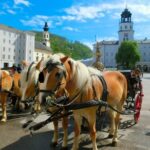
After Hundertwasserhouse, the route swings toward central Vienna. You’ll do a guided tour and walking time at the Hofburg Palace area, and you’ll also be in the orbit of the Ringstraße—the great ceremonial boulevard that holds a lot of the city’s power and pageantry.
What I like about this portion is how it balances two kinds of learning:
1) You get the story and layout of what you’re seeing.
2) You get the route logic for reaching it and moving away from it.
That second part is what most palace tours skip. Here, you’re not just admiring buildings. You’re also practicing the “step in, step out, get on the next tram” choreography that keeps a day efficient.
What to expect on the ground
You’ll have guided time to see the sights and then time walking as the guide points out places you might otherwise miss—especially if your instinct is to only chase the most obvious landmarks. The tour also emphasizes visiting both well-known and lesser-known buildings, which makes the Ringstraße experience feel more like discovery than repetition.
Belvedere and Schönbrunn: Two Big Palaces, One Coherent Day
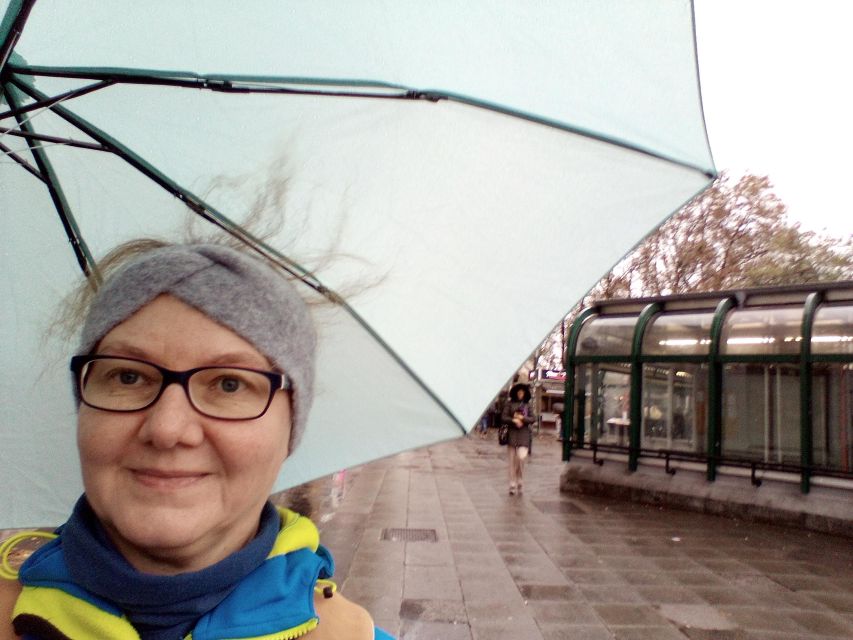
This tour brings you to two of Vienna’s most famous palace zones: Belvedere Palace and Schönbrunn Palace Vienna. The key is that you’re not just dropping in for photos. You get guided walking time through the garden areas, which is where the experience gets more atmospheric than a quick exterior-only stop.
Belvedere Palace stop
At Belvedere, you’ll have guided time plus a walk through the gardens. The garden walk is a smart choice because it helps you understand the palace setting as a designed landscape, not just a building you pass by. Even if you’re not planning a full museum visit, the gardens give you context for why the palaces matter.
One practical thing: museum tickets for upper and lower Belvedere aren’t included in the tour price, so if you want to go inside those museums, you’ll need to order tickets yourself.
Schönbrunn stop
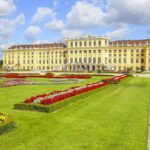
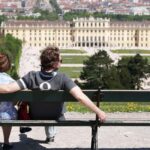
Schönbrunn is handled with similar pacing: guided time plus walking. You’ll also see how the city transit system gets you from palace area to palace area without the hassle of taxis. That’s valuable because Schönbrunn is far enough out that it can be tempting to treat it as a separate half-day plan. Here, it becomes one piece of your overall route.
The Transit Skills You’re Really Paying For
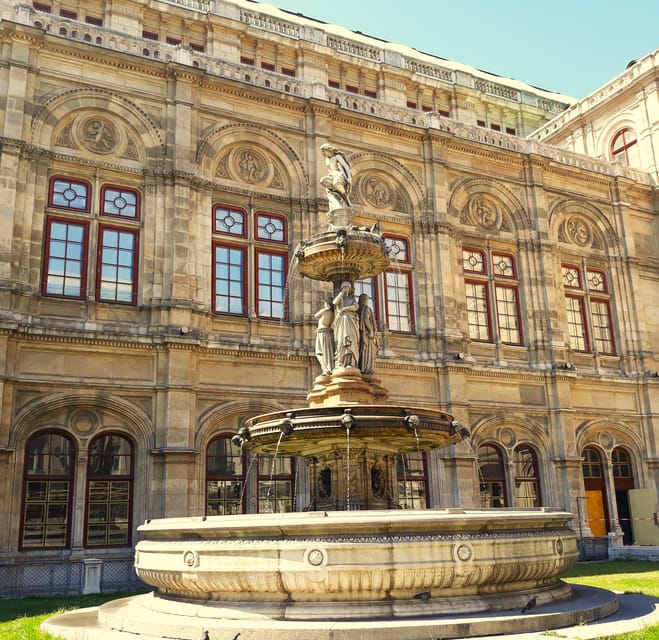
The advertised sights are the big draw, but the day’s real value is the transit confidence you build. You’ll learn how to move around Vienna using tram, subway/metro, and bus—and you’ll do it in the right order with a guide who can explain what you’re seeing and where you should go next.
From the experience format, here’s what you’re getting:
- a safety briefing early on, so you know how to behave and move as a group
- short transit segments (not just one long ride), so you practice repeatedly
- enough stops and walking time that you learn the route rhythm, not just the ticket mechanic
This is also why the small group matters. With a group limited to 10, it’s easier to stay together during transfers and crossings. And with headsets, you’ll hear instructions without having to guess.
Price, Value, and What You’ll Still Need to Budget
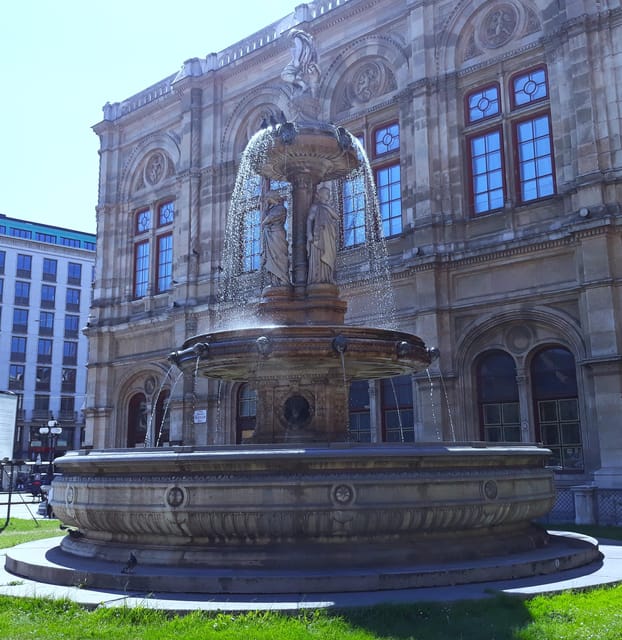
The price is about $56 per person for a 2–4 hour tour. For that cost, you’re paying for live guidance, headsets, and a route that uses multiple transit modes plus guided time at several major sights.
What’s not included is also important for value math:
- Wiener Linien public transport tickets are not included
- Museum tickets for upper and lower Belvedere aren’t included
- Food and drinks aren’t included
So think of this tour as the guided route plan and transit practice, not a fully packaged ticket bundle. If you’re already comfortable buying transit tickets and you only want guided exterior/garden viewing, the price can feel like a good shortcut. If you plan to enter every museum, your total day cost will rise because you’ll add tickets on your own.
A note on pace and depth
The tour includes guided sightseeing and walking time, but it also suggests it’s not aiming to provide very detailed historical explanations. That’s not a flaw for most first-time visitors. It’s more like a design decision: the guide focuses on helping you see and travel efficiently today, then you can choose deeper museum reading later.
Weather, Group Comfort, and Practical Tips for Your Day
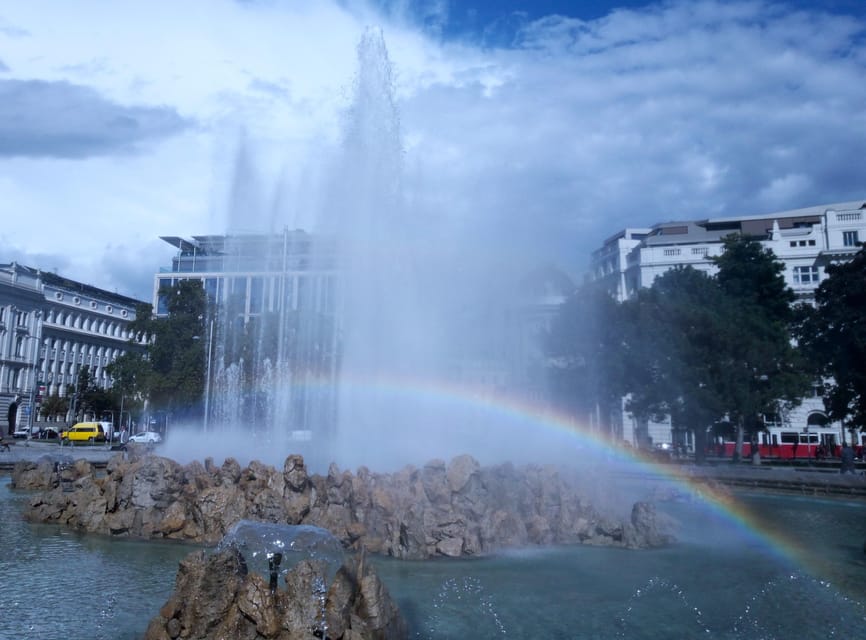
This tour runs rain or shine, so plan clothing for wet sidewalks and quick changes. You’ll be walking on real city surfaces, including palace-area paths and garden paths, so you’ll want comfortable shoes.
Small details also matter:
- You’ll likely hear instructions through headsets, which makes group movement smoother.
- Any recording of the guide’s explanations is strictly prohibited, so plan on taking your own notes or photos of scenery only.
If you like having a plan but also want freedom to branch later, this works well. You’ll end the day in one of the drop-off areas (including Parlament Österreich or Belvedere Palace), which is convenient if you plan to grab dinner nearby or continue exploring.
Who This Tour Fits Best (And Who Might Want Another Option)
This is a strong choice if:
- it’s your first time in Vienna and you want a route you can repeat
- you’d rather learn public transport than rely on taxis all day
- you like architecture ideas you can connect across neighborhoods (Wagner and Hundertwasser)
- you want a compact day with major sights: Hofburg, Belvedere, Schönbrunn
It may not be the best fit if:
- you want slow, detailed, museum-grade history for every stop
- you prefer a purely walking tour with no transit segments
- you hate feeling scheduled, even lightly—because the structure is tight enough to cover multiple zones
Should You Book This Vienna Local Transit + Architecture Tour?
If you’re the type of traveler who wants to get your bearings fast, I’d recommend this. You’re not only sightseeing; you’re learning how to run your own Vienna day afterward. With a small group, headsets, and a route that uses tram, subway, and bus, it’s a practical way to reduce first-day stress and still see serious highlights.
The main “don’t book blindly” reason is depth. This tour gives you the right overview and the right route logic, but it’s not promising long, deep explanations at every stop. If that’s your priority, pair this with one or two standalone museum visits later.
FAQ
What’s the duration of the tour?
The tour lasts 2 to 4 hours, depending on the route and starting option you choose.
What’s included in the price?
The tour includes a live guide, headsets to hear the guide clearly, and a personalized tour with the sights you want to see (within the tour structure).
Are public transport tickets included?
No. Tickets for Wiener Linien (public transport) are not included, so you’ll need to budget for transit tickets separately.
Which sights are part of the tour?
You can expect guided sightseeing and walking at places such as Hundertwasserhaus, Hofburg Palace, Belvedere Palace (with garden time), and Schönbrunn Palace Vienna.
Do I need to buy Belvedere museum tickets?
Yes. Tickets for the upper and lower Belvedere museums aren’t included, and you can order them yourself via get your guide.
Is the tour canceled if it rains?
No. The tour runs rain or shine, and you should bring comfortable shoes for walking.