REVIEW · VIENNA
An Introduction to Vienna Walking Tour
Book on GetYourGuide →Operated by insightcities.com · Bookable on GetYourGuide
Art plus stories, on foot. This 3-hour walk pairs an expert art-historian guide with a focused route that connects post-1989 Berlin to today’s gallery scene around Potsdamer Straße. You start at Café Hawelka in Vienna, then the tour’s main thread follows the Berlin art surge—so it’s as much about how cities change as it is about where to look.
I especially like how the tour doesn’t treat art like a worksheet. You get a chain of causes and effects for why Berlin became Europe’s artistic magnet after the fall of the Berlin Wall in 1989, and you see how that translated into real space for galleries in Mitte and beyond. I also like the mix of big names and small spaces: you may stop at established galleries such as Esther Schipper and Plan B, plus more intimate projects tucked into courtyards or basements.
One consideration: the tour name and meeting point are in Vienna, but the featured route and references are firmly about Berlin’s gallery mile (Mitte, Auguststraße, subway to Potsdamer Straße, Neue Nationalgalerie area). If you want a Vienna-only highlight reel, double-check the tour fit before you book.
In This Review
- Key highlights to know before you go
- Café Hawelka start: a historic Vienna cue for an art story
- Why Berlin after 1989 created a gallery magnet
- Mitte and Auguststraße: starting where the art scene is close-up
- The subway shift to Potsdamer Straße and the momentum move
- The gallery mile: major names, plus the spaces between
- What you’ll get from the guides: more than art facts
- The pacing, what to wear, and how to make the most of 3 hours
- Price and value: is $176 for 3 hours worth it?
- Should you book this art-walk introduction?
- FAQ
- How long is the tour?
- Where do we meet?
- What is the tour price?
- What language is the tour guide?
- Can I reserve now and pay later?
- Is video recording allowed?
- Is the tour suitable for people with mobility impairments?
Key highlights to know before you go
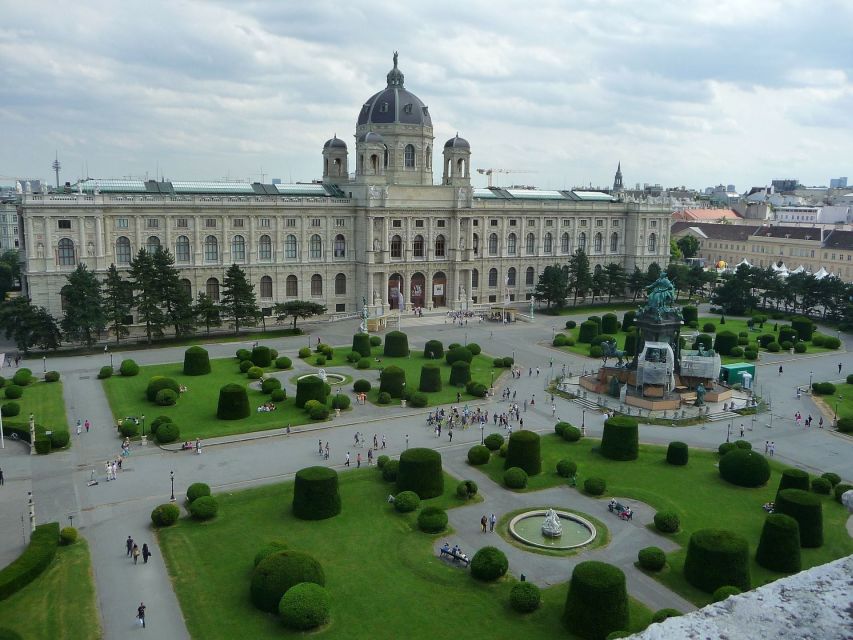
- Expert guides who are professors, doctoral students, historians, journalists, art critics, or published authors
- Berlin’s post-1989 art boom explained so the galleries make sense, not just the names
- Mitte to Potsdamer Straße “gallery mile” with about 30 galleries and project spaces in the mix
- Stops like Esther Schipper, Plan B, Klosterfelde, and more, depending on what’s showing
- Hidden viewing spots in courtyards, basements, and other small initiatives alongside major venues
- Small-group/private options that help you ask questions and keep the pace human
Café Hawelka start: a historic Vienna cue for an art story
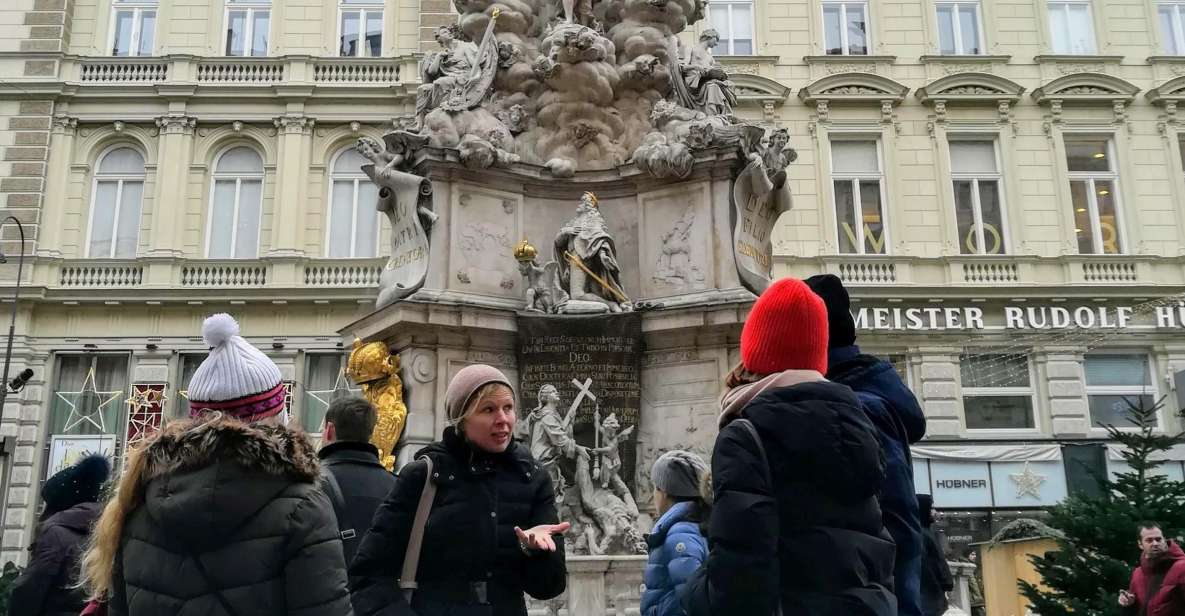
The tour meets at Café Hawelka, Dorotheergasse 6, 1010 Wien. It’s a fitting starting point because the café is described as a longtime hangout for Vienna’s artistic community since 1945. Even if the walk’s main spotlight is Berlin, that first coffee-stop vibe matters: you’re entering the world of people who think about art, politics, and culture for a living.
One practical note: arrive with time to settle in and find your guide. The tour is only 3 hours, and you’ll want that time spent walking and learning, not waiting. Good shoes also matter here. The tour isn’t framed as a gentle stroll through “must-see” landmarks; it’s a purposeful crawl through gallery territory.
Also, one small twist I’d plan for: based on the route description and the reviews, there can be viewpoint moments along the way (one review mentions a stop up to a dragonfly terrace for city views). Don’t count on a specific building every day, but do expect some walking that’s a bit more active than a typical highlights tour.
You can also read our reviews of more walking tours in Vienna

Why Berlin after 1989 created a gallery magnet
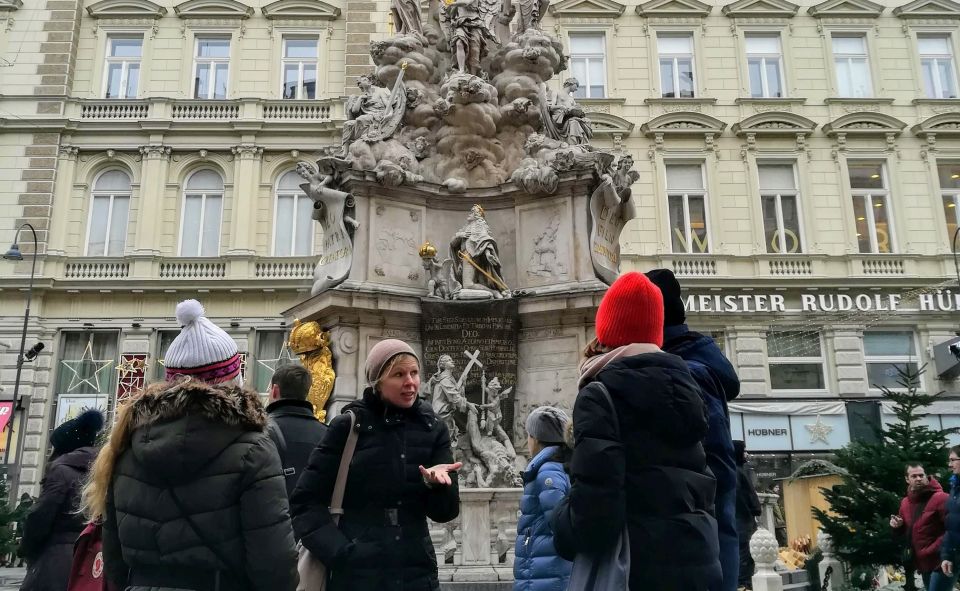
The big idea you’ll work through is simple and powerful: after the fall of the Berlin Wall in 1989, Berlin didn’t just change politically. It changed creatively. The guide is there to explain the events that helped push the city into that role as an artistic magnet of Europe.
What I like about this approach is that it turns gallery hopping into a cause-and-effect story. Instead of treating exhibitions as isolated happenings, you learn how new freedom, changing social conditions, and practical factors shaped where art spaces could grow. The tour specifically points to things like affordable rents, a semi-liberal climate, and endless open spaces as part of the “why now” behind the surge.
You’ll also hear why this matters for what you’ll see on the street. When you understand the pressure-release valve that post-1989 Berlin represented, the gallery mile stops feeling random. The same streets that once carried intense city-level change now host spaces that welcome experimentation—big or small.
Mitte and Auguststraße: starting where the art scene is close-up
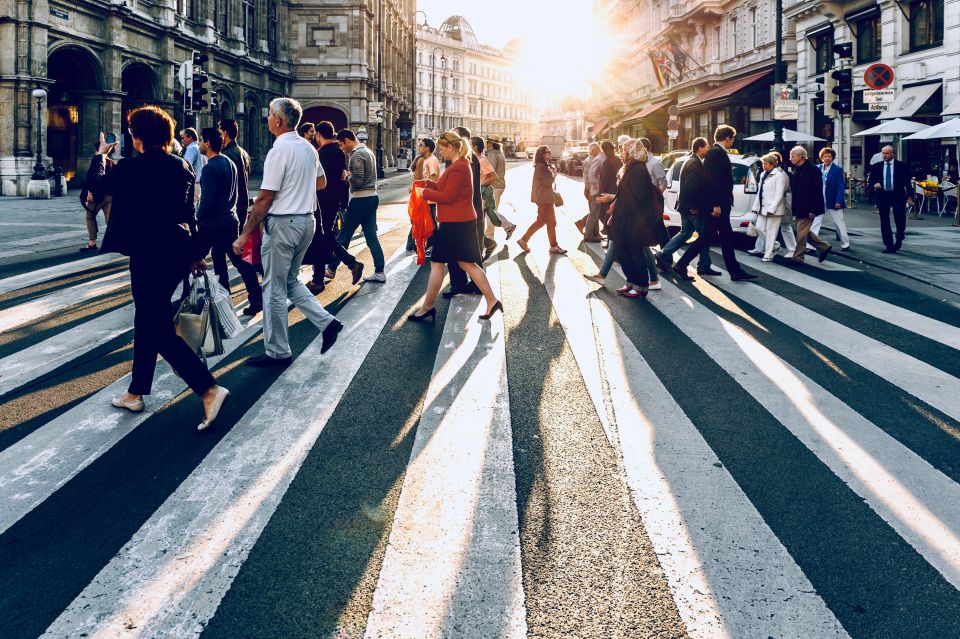
Your walk begins in Mitte, on or around Auguststraße. This area is described as packed with galleries, including Kunst Werke, a contemporary art institution founded in the early 1990s. That matters because it’s not only a tour of current exhibitions; it’s also a quick primer on how contemporary institutions formed during the period when Berlin’s scene was taking shape.
From here, you’re set up for the type of gallery visit that’s more interesting than a museum checklist. The tour expects you to visit intimate galleries depending on what’s on view at the time. That means you’re not just reading about art history; you’re reacting to present-day art context.
The route is also described as moving through an “unpolished neighborhood” feel, with around 30 galleries and art project spaces scattered around rather than concentrated in one polished complex. For you, that’s a benefit. You’ll learn how to spot art life in regular city scale—where a doorway, an inner courtyard, or a basement entrance might be the whole point.
A smart way to use this section: look past the obvious storefronts. The guide’s job is to help you connect what you’re seeing to why it’s there. When you hear the explanation, the same street details start to click.
The subway shift to Potsdamer Straße and the momentum move
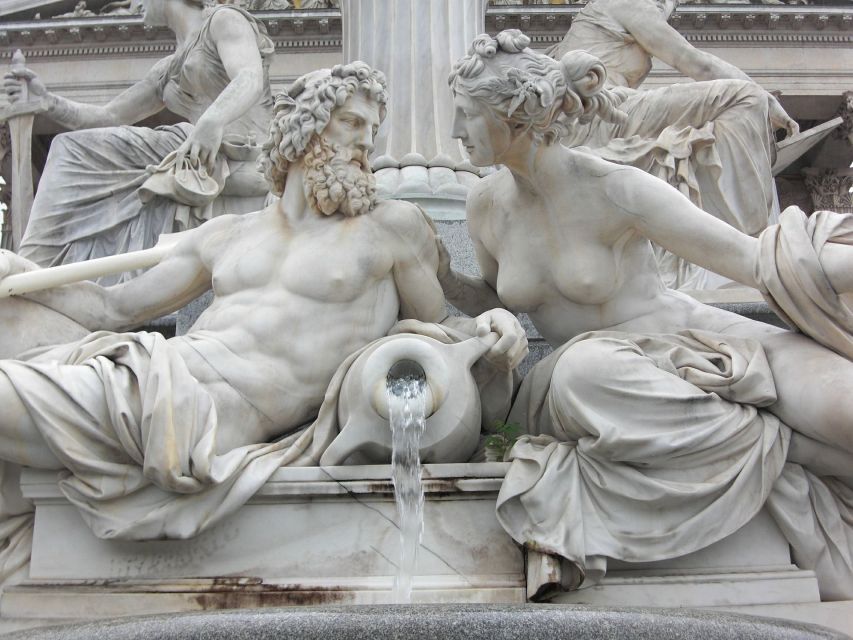
After the Auguststraße portion, you take the subway to Potsdamer Straße. This transit moment is useful because it signals a change in energy: the tour describes how, over the last five years, this strip gained momentum as more gallerists moved from Mitte to the area south of the Neue Nationalgalerie.
In plain terms, you’re watching a real estate story play out in real time. When rents rise or neighborhoods shift, galleries move. The tour frames this movement as part of Berlin’s evolving art ecosystem, not as a random shuffle of addresses.
Potsdamer Straße is also where the tour’s “gallery mile” concept becomes concrete. This isn’t a vague phrase. The tour lays out that you’ll walk a corridor where the gallery scene clusters heavily, mixing renowned venues with smaller initiatives. Even if you’re not an expert, you’ll come away with a mental map of the area’s art geography.
What to watch for here: crowd expectations. Since it’s an active walking tour with gallery stops, you’ll likely spend time pausing at each location. Small-group or private options help keep the flow manageable, and they make it easier to ask questions without the group constantly compressing and stretching.
The gallery mile: major names, plus the spaces between
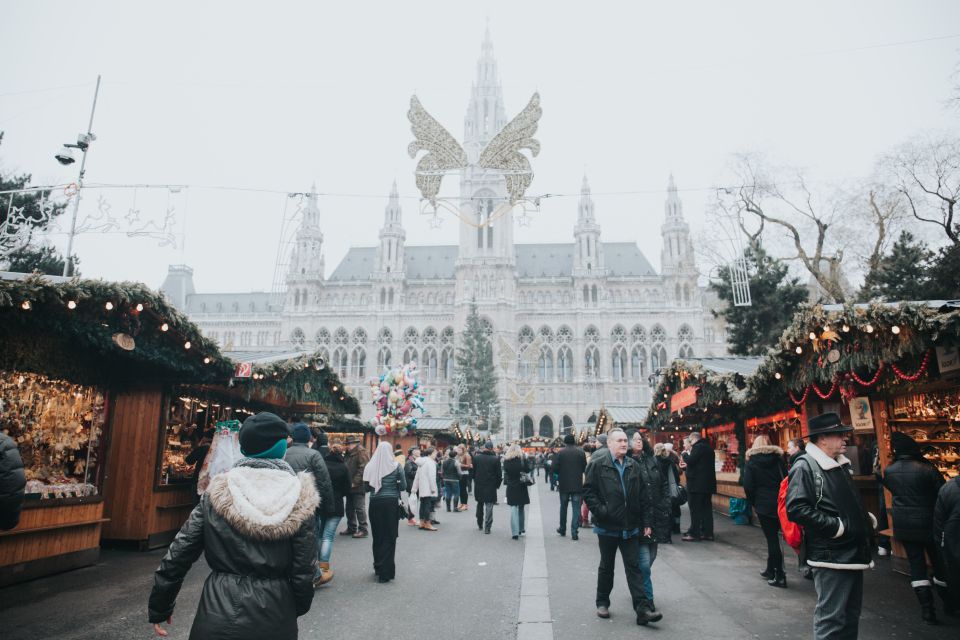
Here’s where the tour really turns into a guided street-level art education. You’ll encounter the gallery mile as a connected system, not a set of disconnected stops. The tour lists major galleries and spaces you might visit, including Esther Schipper, Isabella Bortolozzi, Gitti Nourbakhsch, Guido Baudach, Arndt, Plan B, Tanya Leighton, and Klosterfelde.
I like that the tour doesn’t pretend all galleries function the same way. Some are established ventures; others are more private initiatives tucked into obscure courtyards and basements. That difference is the whole point. You’re learning how contemporary art spaces can be both public-facing and softly hidden, and how each approach shapes what visitors experience.
The most practical value is the guide’s context. When you know why a particular gallery is there, or how the broader Berlin conditions encouraged gallery survival and experimentation, you’re better at noticing what you’d otherwise miss. You start tracking patterns: which spaces feel more institutional, which feel more experimental, and how the art scene supports itself across different scales.
One more thing: because stops depend on current exhibitions, you should treat each gallery visit as part of a living ecosystem. If you’re planning around a specific artist, check exhibition schedules separately. The tour is about understanding the scene, not guaranteeing a specific show.

What you’ll get from the guides: more than art facts
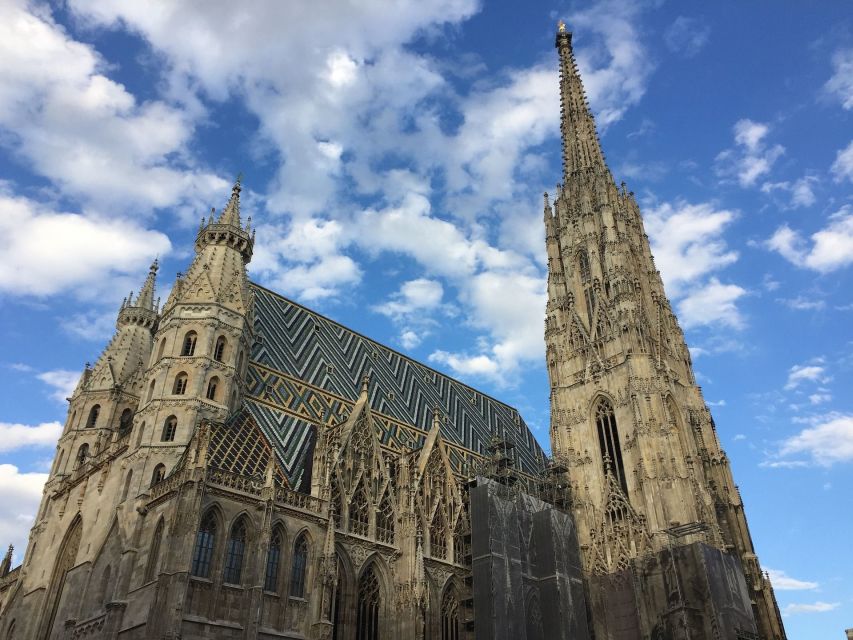
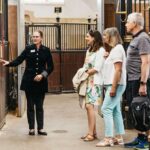
The tour’s guide credentials are unusually specific: guides are professors, doctoral students, historians, journalists, art critics, or published authors. Translation for you: this isn’t a script read by someone who knows a few facts. It’s built for interpretation—why events matter, how the city changed, and what that means for how galleries operate.
Reviews back up this practical approach. People highlight guides such as Katerina and Elsa for keeping the walk engaging and for making the information feel connected to real life, not like a lecture. One review also mentioned that the guide connected a wide range of topics—politics, art, economics, even military, religious, and social history—so the stories didn’t stay in one museum silo.
That variety is more useful than it sounds. Contemporary art often reacts to politics and economics, and Berlin is a city where those threads are hard to ignore. A guide who can connect those dots helps you look at exhibitions with sharper questions in mind.
If you like asking questions, this tour format is a good fit. Small-group or private options mean you’re more likely to get real answers instead of a rushed wave-through.
The pacing, what to wear, and how to make the most of 3 hours
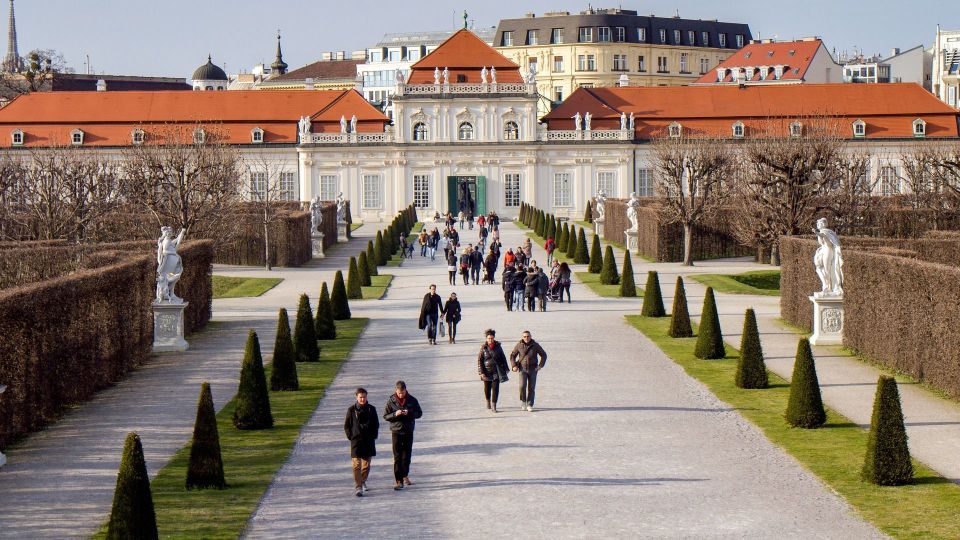
This is a walking tour with at least one subway segment, so plan like you’re doing an active city day. Bring comfortable shoes and dress for walking. You’ll be moving often enough that comfort directly affects your attention span, and attention is what makes art tours work.
There’s also a clear boundary on recording: video recording isn’t allowed. So treat it like a live experience. Photos might still be possible depending on the venue rules, but the one thing you should assume is that video won’t happen.
Timing matters. In three hours, you’re not seeing everything. You’re seeing how the guide teaches you to read the art scene: start with the why, move to the where, and then practice noticing what matters—size of space, type of gallery, how a neighborhood supports creative work.
Here’s my practical suggestion: if you’re new to Berlin’s gallery world (or if you’re new to contemporary art in general), don’t try to memorize every name. Instead, pick up one or two anchors—maybe Kunst Werke in Mitte and one of the gallery mile stops like Plan B or Klosterfelde. Then let the guide’s explanations fill in the links between them.
Price and value: is $176 for 3 hours worth it?
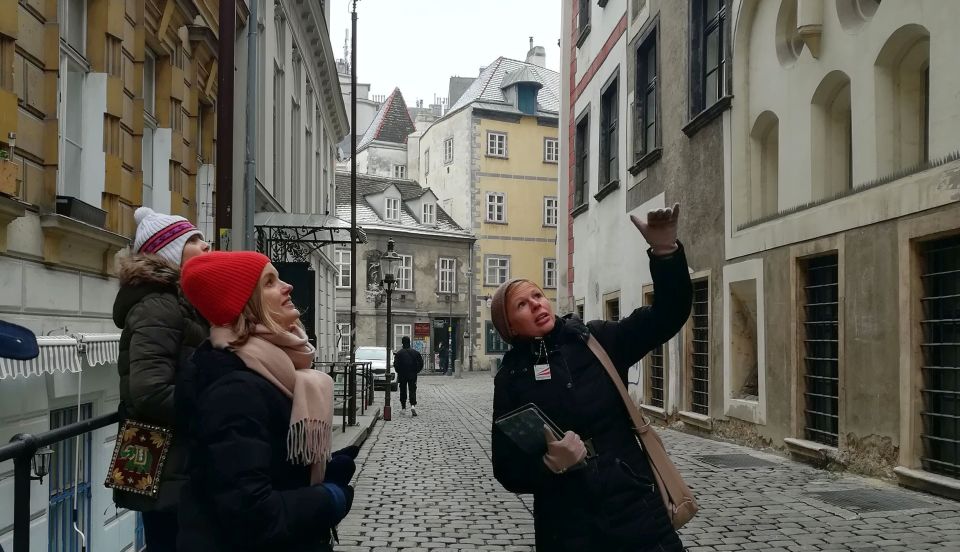
At $176 per person for a 3-hour tour, you’re paying for three things: serious expertise, guided context, and access to a curated route of gallery spaces you might otherwise miss.
If you’ve ever tried to do an art neighborhood on your own, you know the problem: you can stand in front of a gallery door and still not understand what you’re looking at or why that space matters right now. This tour solves that with an expert guide and an intentionally structured route from the story of Berlin’s post-1989 shift into the practical gallery mile you can walk.
Is it expensive? Sure. But it isn’t “paying for walking.” The value comes from the guide’s credentials and the effort to connect economics, politics, and urban change to what you see in the galleries. That’s also why small-group or private options can feel more worthwhile; you’re not just paying for time, you’re paying for fewer people to spread the Q&A and explanation across.
One caution for value-seekers: if you expect a conventional Vienna highlights tour, this probably won’t match that fantasy. The tour’s emphasis is on Berlin’s artistic magnet story and the Potsdamer Straße gallery corridor. So your money is buying a specific theme—make sure it’s the one you want.
Should you book this art-walk introduction?
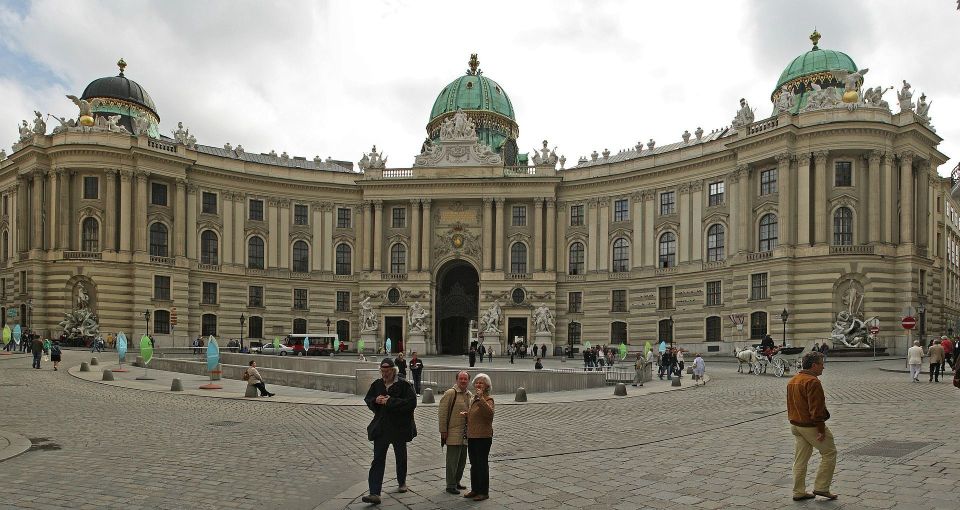
I’d book it if you want contemporary art that comes with context. You’ll like this tour if you enjoy explanations that connect city change to creative energy, and if you’re curious about how a gallery scene actually forms—not just how it looks in photos.
I’d be careful before booking if you’re expecting a purely Vienna-focused sightseeing day. The meeting point is in Vienna at Café Hawelka, but the core walking theme is Berlin’s post-wall transformation and the Potsdamer Straße gallery mile. That mismatch could be fine if you’re flexible, but it’s worth confirming so you don’t leave disappointed.
You’ll also get more from it if you’re comfortable with walking and you want to take in current gallery environments, not only famous landmark exteriors.
FAQ
How long is the tour?
The tour lasts 3 hours.
Where do we meet?
Meet at Café Hawelka, Dorotheergasse 6, 1010 Wien.
What is the tour price?
It costs $176 per person.
What language is the tour guide?
The live tour guide offers the tour in English.
Can I reserve now and pay later?
Yes. You can reserve your spot now and pay nothing today.
Is video recording allowed?
No. Video recording isn’t allowed.
Is the tour suitable for people with mobility impairments?
No. It isn’t suitable for people with mobility impairments.
If you want, tell me your dates and whether you prefer Vienna sights or Berlin art, and I’ll help you judge if this one fits your style.