REVIEW · VIENNA
Esterhazy Palace Entrance Ticket
Book on Viator →Operated by Esterhazy Betriebe GmbH · Bookable on Viator
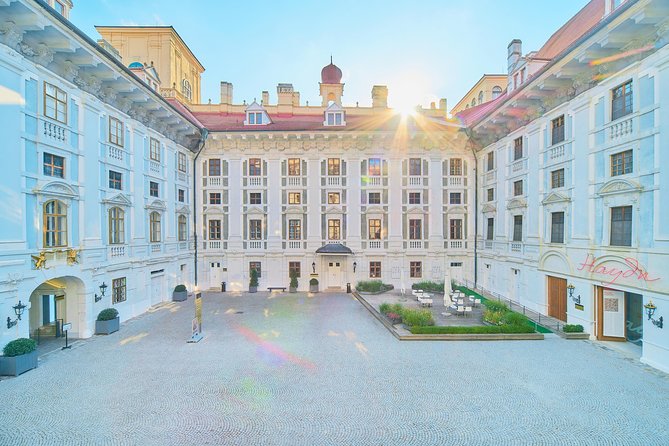
A palace ticket that plays stories. The Esterházy Palace entrance ticket pairs admission with a recorded audio guide, so you move room to room through Empire-style interiors, Chinese wallpaper salons, and the chapel tied to Saint Constantine.
I especially like two things. First, the audio route turns big, crowded palace spaces into something you can digest at your own pace. Second, the Haydn-focused exhibits connect the palace to the composer’s long career in the Esterházy service, with interactive displays and personal artifacts and instruments.
One thing to consider: access to the Haydnsaal can sometimes be limited due to ongoing events, so if that room is your top priority, it’s smart to keep some flexibility in your schedule.
In This Review
- Key highlights worth planning for
- Esterházy Palace entrance ticket: what you actually get
- Timing in Vienna: weekend hours and Haydnsaal access
- The bel étage route: Empiresaal, chandeliers, and the Chinese salons
- The palace chapel: Saint Constantine’s reliquary
- The Haydn wing: interactive exhibits, artifacts, and the Haydnsaal
- Wine Museum in the cellars: 700+ objects and the Baumpresse
- How long it takes and how to pace it
- Rose garden and hedge maze: a pleasant extra from the palace setting
- Value for money: is $22.83 a smart buy?
- Who should book this entrance ticket
- Should you book this Esterházy Palace ticket?
- FAQ
- What does the Esterházy Palace entrance ticket include?
- How long does the visit take?
- Is food included?
- Do I need to buy a ticket ahead of time?
- Can children visit?
- Are there any possible restrictions on the Haydn rooms?
- What is the cancellation policy?
Key highlights worth planning for
- Mobile ticket entry that keeps the whole start smooth and fast
- Recorded room-by-room commentary so you know what you’re looking at
- Empiresaal banquet hall with chandeliers for peak visual payoff
- Chinese salons with hand painted wallpaper for a surprising style shift
- Haydn wing with interactive stations, artifacts, and instruments
- Wine Museum in the old cellars with 700+ objects, including the Baumpresse
Esterházy Palace entrance ticket: what you actually get
This is not a guided talk with a live lecturer standing next to you. It’s an admission ticket plus a recorded audio guide for the interior experience. In practice, that means you can build your own timing inside the palace while still following the story the audio sets up.
The route you’re signing up for is built around palace rooms first, then Haydn’s world, and finally the wine story in the cellars. That structure matters because Esterházy Palace isn’t just a pretty building. It’s a way to connect art, court life, music, and winemaking under one roof—literally spanning multiple floors and even going underground.
And yes, you’ll want to take breaks. The palaces in Vienna can feel like information overload if you treat them like a checklist. With audio guidance, you get cues on where to look and what details matter most, so you’re not stuck guessing between ceiling stucco and wall paintings.
You can also read our reviews of more tours and experiences in Vienna
Timing in Vienna: weekend hours and Haydnsaal access
Plan around the calendar. The opening hours shown for this ticket are Saturday and Sunday, 10:00 AM to 4:00 PM, from 02/21/2026 through 03/31/2026, and again from 02/21/2027 through 03/31/2027.
That has two practical effects for you:
- If you’re visiting on a weekday, don’t assume the same schedule.
- If you want a relaxed pace, aim to arrive earlier in the window. Audio tours expand with bathroom breaks and lingering in one room too long (a classic palace move).
Also note a real-world snag: the Haydn hall may have occasional restrictions due to ongoing events. The ticket still covers the planned experience, but you should be prepared that one key room could be limited on the day you go.
The bel étage route: Empiresaal, chandeliers, and the Chinese salons

Your interior visit starts on the bel étage level, where the palace leans hard into show-off elegance. One of the first big visual moments is the Empiresaal, an 19th-century Empire-style room that once functioned as a palace banquet hall. It’s the kind of space where chandeliers aren’t background décor—they’re part of the stagecraft.
From there, the audio shifts to a theme you might not expect in a Vienna palace: the Chinese salons. You’ll look at both the small and large versions, and the key detail is that the walls feature hand painted Chinese wallpaper. Even if you’re not a wallpaper obsessive (I’m not, but I do get curious fast), the contrast in style is worth slowing down for. It shows how international tastes traveled into court culture, not just into “big modern” cities.
What I like about this section for you is the pacing. Palace tours can bounce between rooms that feel similar. Here, the audio uses topic changes—banquet grandeur, then chinoiserie salons, then religious art—to keep the visit from blending into one long blur of gilding.
Possible drawback? If you dislike listening to audio narration in enclosed spaces, you may find it harder to move freely while still following along. The upside is that the audio guides you through each room, so you’re not constantly hunting for information signs.
The palace chapel: Saint Constantine’s reliquary
Next comes the palace chapel, a stop that adds a different emotional tone to the tour. The chapel includes the reliquary of Saint Constantine, and that single object is what anchors the storytelling.
This is where you’ll get a more spiritual, ceremonial side of palace life—something separate from court banquets and decorative taste. The audio explanation helps you connect the chapel to the broader history of the Esterházy environment, rather than treating it as a random room you pass through to get to the next highlight.
If you’re visiting with kids, this is also a good place for them to reset. Chapels tend to feel calmer than ballroom rooms. Just bring patience: religious spaces often require quieter movement and a bit of respect for the vibe.
The Haydn wing: interactive exhibits, artifacts, and the Haydnsaal
After the palace rooms, the story pivots directly to Joseph Haydn, who served the Esterházy princes for more than 40 years. This is the section that most strongly answers the question, Why does Haydn matter here?
You’ll find interactive displays and exhibits that trace Haydn’s early life and how he emerged as a musical genius. The audio keeps the connection tight between the composer and the Esterházy court—so it feels less like you’re reading biography and more like you’re seeing how a working relationship shaped music.
Then comes one of the most satisfying elements: you’ll see Haydn’s personal artifacts, documents, and instruments. That’s the kind of detail that changes the experience. Even when you don’t know much about classical music, seeing real tools—paper, objects, instruments—makes the history feel human instead of museum-distant.
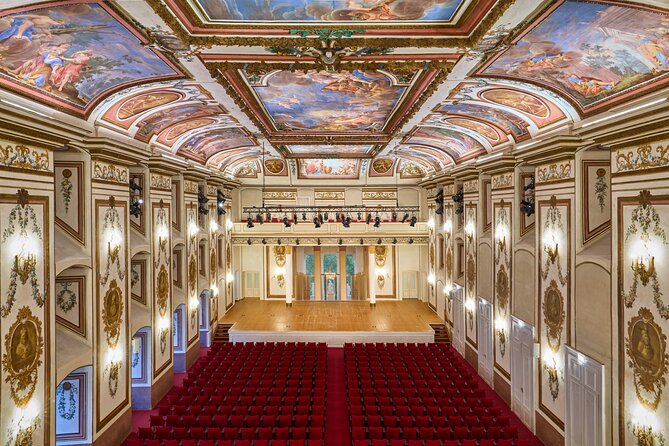
Finally, you enter the Haydnsaal, described as an elegant salon where many of Haydn’s pieces were first heard. That’s your payoff room, the moment when everything you just learned gets pulled into a sense of performance and court culture.
One consideration: since access to the Haydn hall can sometimes be restricted, you may want to treat the Haydnsaal as a must-see, but not the only reason you go. The surrounding Haydn exhibits still carry a lot of value even if one room has limits.




Wine Museum in the cellars: 700+ objects and the Baumpresse
Now for the twist. A lot of palace tickets in Europe focus on rooms upstairs and stop there. This one pushes you down into the 300+ year old cellars and the Wine Museum.
You’ll encounter over 700 rare, unusual, and sometimes long-forgotten objects related to wine and viticulture. Historic barrels show up, and there’s also a standout detail: Burgenland’s oldest Baumpresse. That’s the sort of specific item name that makes the experience feel researched, not generic.
This section is especially good if you care about how grand estates worked day to day. Palaces weren’t just for music and art; they were also production centers. The cellars tie the Esterházy story to land, labor, and the economy behind hospitality.
I also like that this stops the visit from going single-theme. You’ll have Empire-style rooms above, then music history, then suddenly wine tech and viticulture history below. If you’re coming from central Vienna for a focused afternoon, this kind of variety keeps the time feeling worth it.
How long it takes and how to pace it
The stated duration is about 1 to 2 hours. In real terms, that range makes sense. The audio tour itself is structured, but your pace depends on how long you pause in a few key rooms—especially the rooms that look incredible and reward close attention.
Here’s a practical way to pace:
- Give the Empiresaal and Chinese salons a bit more time than you think you need.
- Don’t rush the chapel stop.
- In the Haydn section, skim less and slow down for the personal artifacts and instruments.
- Treat the cellars as a separate “chapter.” Once you go underground, the lighting and feel change—plan to adjust your pace.
If you’re doing this as part of a packed Vienna day, it still fits. The trick is to avoid stacking it with two other “big indoor” attractions right back-to-back. This ticket already contains multiple layers of content: palace interiors, Haydn exhibits, and wine history.
Rose garden and hedge maze: a pleasant extra from the palace setting
The interior audio tour is the core of the ticket, but the palace setting has a reputation for outdoor beauty too. One of the strongest themes from the reviews is the rose garden and the hedge maze, described as worth visiting.
I’d treat this as a bonus if you have time before the next activity. If you’re someone who likes to end on something calm after a few museum-heavy rooms, outdoor garden stops can be the right button. Just keep in mind that your main entry time should still be guided by the opening hours and whatever time you spend on the audio route.
Value for money: is $22.83 a smart buy?
At $22.83 per person, this ticket sits in the mid-range for Vienna attractions—but the value is in what’s included, not the sticker price.
You’re getting:
- Admission to Esterházy Palace interior highlights
- A recorded audio guide covering rooms and exhibits
- Haydn-oriented exhibits with interactive elements plus artifacts and instruments
- The Wine Museum experience in the cellars with a large object collection
So you’re paying for more than a single room or one theme. The structure—palace style + music history + wine museum—means you can leave feeling like you experienced the estate in several ways. That’s where the price starts to make sense.
If your goal is only a quick photo stop in the most famous room, then you might feel it’s pricier than you expected. But if you want a guided story through multiple parts of the palace, this is the right kind of ticket.
Who should book this entrance ticket
This ticket fits best if you:
- Want a self-guided experience with recorded narration instead of a live tour
- Like history with a few surprises, especially the wine cellars
- Are curious about Haydn and how his work connects to court life
- Appreciate decorative art details like the hand painted Chinese wallpaper
- Are traveling with family, since it’s described as family friendly and children must be accompanied by an adult
If you’re the type who hates audio guides, or you’re pressed for time and can only spare a short visit, you might prefer a smaller, single-highlight museum stop.
Should you book this Esterházy Palace ticket?
Yes, if you want one admission ticket that covers a palace interior, Haydn’s long Esterházy connection, and a serious Wine Museum in the cellars. The combination is unusual in a good way, and the audio format helps you actually understand what you’re looking at as you move.
Book it especially if you like stepping through themed “chapters” instead of wandering randomly. Just respect the reality that the Haydnsaal can sometimes be restricted, so don’t make your trip depend on one single room.
If you’re only in Vienna for a day and you want a high-effort, high-reward indoor experience on a weekend, this is a strong choice.
FAQ
What does the Esterházy Palace entrance ticket include?
It includes admission and an audio guide to the palace interior, with recorded commentary on rooms and exhibits.
How long does the visit take?
The experience is listed as about 1 to 2 hours.
Is food included?
No. Food and drinks are not included.
Do I need to buy a ticket ahead of time?
Yes, you’ll need a ticket to enter. The ticket is commonly booked about 41 days in advance on average.
Can children visit?
Yes, children are welcome, but they must be accompanied by an adult.
Are there any possible restrictions on the Haydn rooms?
There may occasionally be restrictions on visiting the Haydn hall due to ongoing events.
What is the cancellation policy?
Free cancellation is available. You must cancel at least 24 hours before the experience’s start time for a full refund.
If you’d like, tell me what day you’re visiting and what other Vienna stops you’re pairing with it, and I’ll help you build a realistic half-day plan around this ticket.