REVIEW · VIENNA
Vienna: Vienna under the Nazis, Private Walking Tour
Book on GetYourGuide →Operated by David Sterrer · Bookable on GetYourGuide
History here is heavy. This private walk focuses on Vienna under the Nazis, not the usual palace postcard.
I like that the tour aims for real context—how the city worked and what was still visible by the end—without turning it into a moral lecture. You’ll also get a welcome chance to customize the pace and emphasis, based on what you want to understand most.
One thing to think about before you book: a tour like this depends on the guide showing up and communicating well, and there have been past cases where that didn’t happen smoothly. If you do go, double-check your details so you’re not standing around waiting in the cold.
In This Review
- Key highlights and what matters
- Vienna under Nazi rule: why this walk feels different
- Meeting at the Archduke Charles monument: get your bearings fast
- Heldenplatz and the balcony: the annexation becomes real
- Hofburg to Kohlmarkt: aryanization and stolen livelihoods
- Am Hof: a memorial to firemen executed for resisting
- Judenplatz: the Holocaust memorial in Vienna
- Down by the Danube Canal: the Hotel Metropole site and Gestapo power
- Hoher Markt and St. Stephen’s: war damage and Nazi reminders
- A Nazi-organized old-town planning site and the walk to Albertina
- Price and value: what $258 means for a private 150-minute tour
- David Sterrer as your guide: facts plus the day-to-day perspective
- Who this tour suits best
- A quick reality check: reliability matters on a tour this serious
- Should you book Vienna under the Nazis?
- FAQ
- Where does the tour start?
- How long is the tour?
- Is it a private tour?
- What language is the tour in?
- Who is the guide?
- What will we focus on during the walk?
- How much does it cost?
- Can I get a refund if my plans change?
Key highlights and what matters
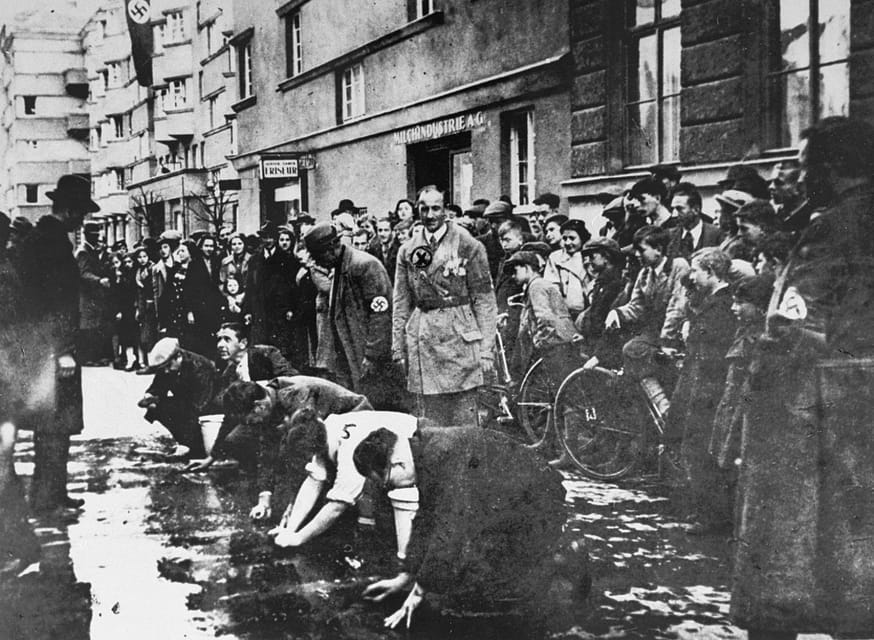
- Hitler’s annexation location at Heldenplatz sets the frame from minute one
- Streetside evidence of WWII damage shows how the city was physically changed
- Memorials with specific stories, from persecuted Jews to executed firemen who resisted
- Gestapo-era traces near the Danube Canal, including what remains after wartime destruction
- Private format with flexible interests, led in English by David Sterrer
Vienna under Nazi rule: why this walk feels different
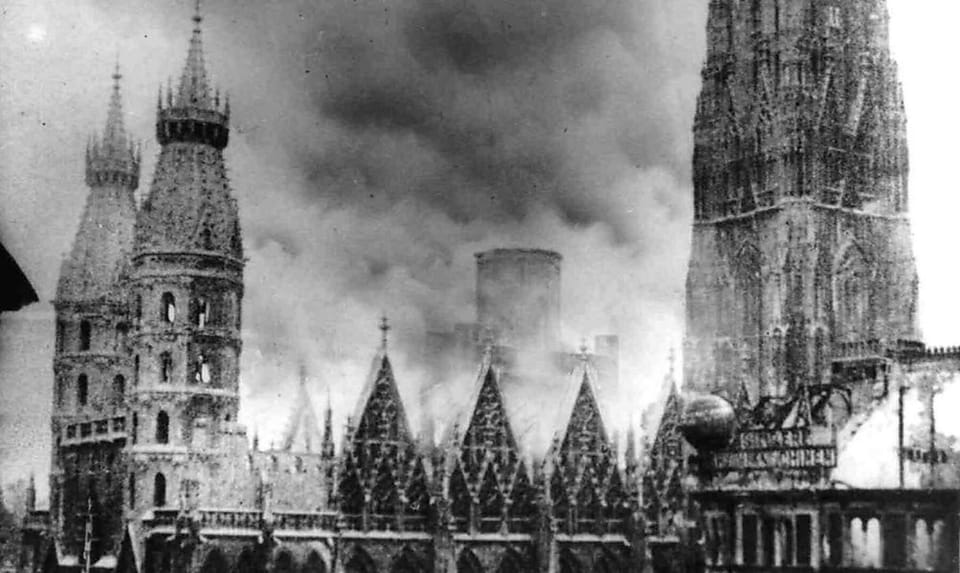
Vienna didn’t just suffer during the Nazi years. It became part of Hitler’s German Empire, from March 1938 until April 1945. Hitler even called Vienna the Pearl of the Reich, so the city’s later scars and losses make a grim kind of sense.
This tour is built around a simple idea: if you want to understand what happened, you should see how the Nazi system played out in the actual spaces where decisions were announced, carried out, and remembered. You’re walking through places tied to propaganda, persecution, resistance, war damage, and postwar reckoning.
And yes, it’s not comfortable history. But it’s also not vague. The stops point to concrete locations and memorials, so you can connect the big timeline to street-level reality.
You can also read our reviews of more walking tours in Vienna
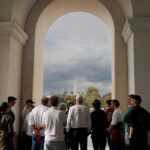
Meeting at the Archduke Charles monument: get your bearings fast
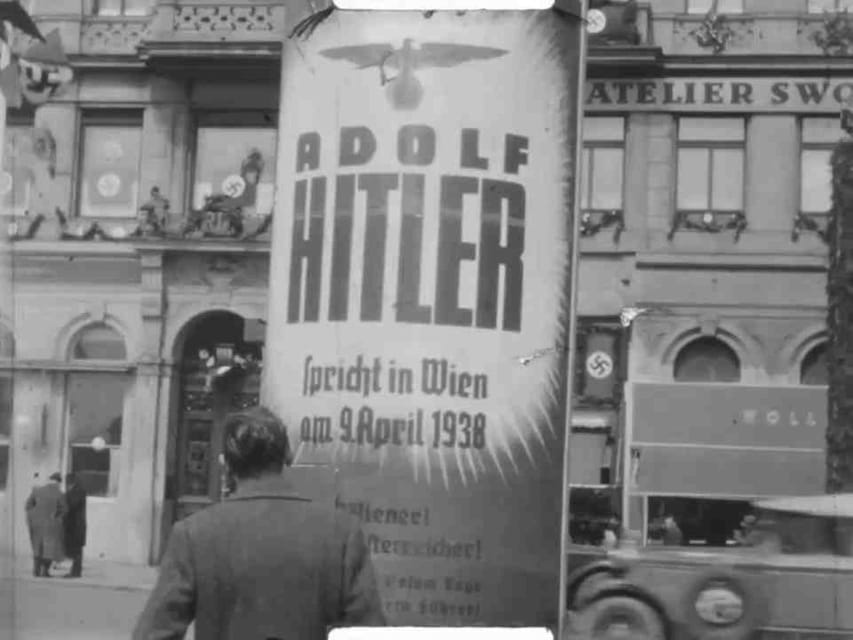
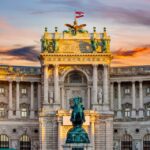
You meet at the Archduke Charles monument—the rider holding a flag. It’s a practical starting point, and it helps you orient yourself early because you’re about to move from today’s Vienna into its Nazi-era storyline.
Expect a private group format and an English-speaking guide. The tour lasts about 150 minutes, so it’s long enough to cover multiple stops without feeling rushed, but short enough that you can still add something of your own afterward.
Heldenplatz and the balcony: the annexation becomes real
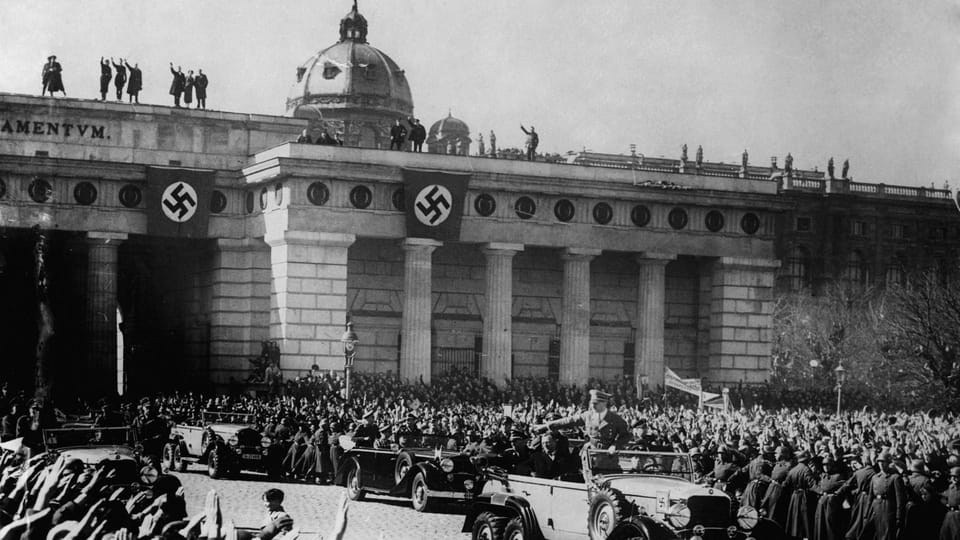
You start at Heldenplatz, where Hitler’s announcement of the annexation of Austria to Nazi Germany is tied to the city’s most symbol-heavy moments. Standing there, it’s easy to see why dictators love stages and sightlines—this is the kind of square where speeches land.
From this opening point, the guide can explain why this moment mattered beyond politics. It changed who controlled Vienna’s future, who had protection, and who was suddenly marked as an enemy.
What to watch for: the guide’s framing. This tour’s goal is not just to say what happened, but to help you understand how quickly everyday life can be bent by public power.
Hofburg to Kohlmarkt: aryanization and stolen livelihoods
Next you’ll move through the Hofburg area toward the Kohlmarkt. This section is where the tour shifts from speeches to mechanisms.
At Kohlmarkt, you see buildings linked to Jewish-owned businesses that were seized under a process often called aryanization. The key point here is how ordinary commercial life was turned into a transfer of property and status—one that supported the Nazi regime’s aims while enriching some individuals and punishing others.
Why this stop is valuable: it’s a reminder that persecution wasn’t only about violence. It was also about taking away stability, money, and the ability to plan a future.
A practical note: this part can feel emotionally heavy. If you prefer a lighter walking pace, ask your guide to slow down and focus on what you find most meaningful.
Am Hof: a memorial to firemen executed for resisting
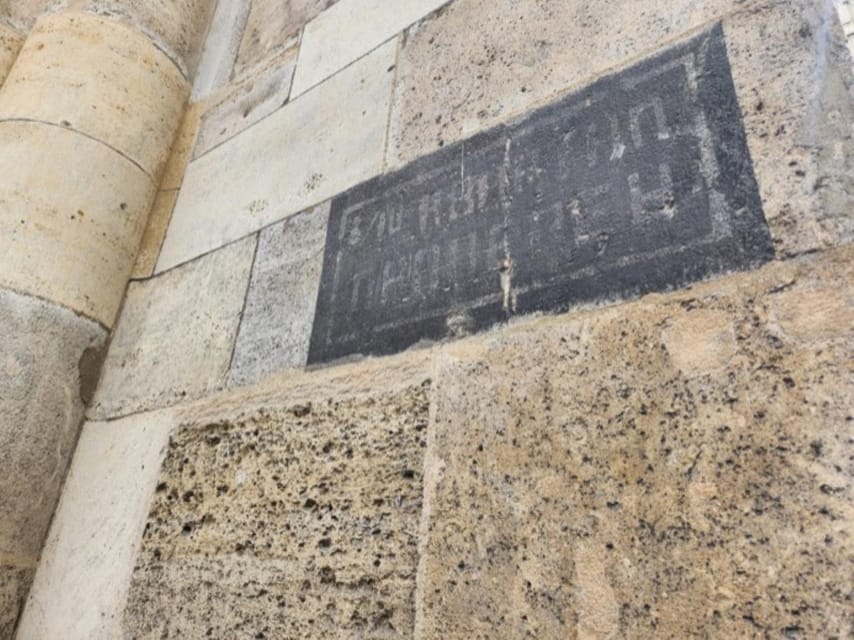
At Am Hof, you’ll see a memorial to the firemen who were executed for resisting Nazi terror. This stop adds an important counterpoint: there were people who pushed back, even when the stakes were brutally high.
It also helps you avoid a one-note narrative. The Nazi period wasn’t simply something that happened to the city. It was also opposed, sometimes by people whose roles you might not expect to become part of history.
You can also read our reviews of more private tours in Vienna

Judenplatz: the Holocaust memorial in Vienna
Then you reach Judenplatz, where you’ll see a Holocaust memorial monument in Vienna. It anchors the walk in remembrance, but it also connects back to earlier moments: the shift from exclusion to persecution, and the escalating horror that followed.
How to get the most out of this stop: don’t rush the space. Take a minute to let the memorial do its job. Then let the guide tie it to the broader timeline you’ve been building since Heldenplatz.
Down by the Danube Canal: the Hotel Metropole site and Gestapo power
As you head toward the Danube Canal area, you’ll come to a square created after the Hotel Metropole was destroyed at the end of World War II. This location is infamous because it housed Vienna’s Gestapo headquarters.
This is one of those stops where the distance between then and now gets unsettling. You’re looking at what remains, but the guide can explain what that organization meant in practice—control, fear, and repression running through the city’s machinery.
What you’ll likely notice: how the Nazi system used administrative space and official authority to enforce terror. That’s harder to understand just from a book than it is from walking the ground.
Hoher Markt and St. Stephen’s: war damage and Nazi reminders
At Hoher Markt, you can still clearly see damage from World War II in the urban fabric. That matters because it proves the city wasn’t just a backdrop; it was physically broken—and rebuilt under pressure.
From there, you head toward St. Stephen’s Cathedral. The tour doesn’t treat it as a safe postcard stop. Instead, you’ll look for reminders of the war and the Nazi regime tied to the area around it.
Why I think this works: you get a mix of big-emotion history and tangible evidence. The guide helps you connect spiritual heritage and national identity with the reality of what Vienna endured.
A Nazi-organized old-town planning site and the walk to Albertina
Near the old town, you’ll see a building from which the Nazis organized the old town of Vienna. Even if you only spend a few minutes here, the point lands: planning and coordination were part of the control system.
Then the tour ends at the Albertina, where you’ll reach the main monument against war and fascism in Vienna. It’s a strong finishing note because it doesn’t just point back to 1938–1945. It points forward to what societies decide to remember—and how they choose not to repeat.
Price and value: what $258 means for a private 150-minute tour
The price is $258 per group, up to 15 people, with a 150-minute duration. That pricing structure matters more than the headline number.
If you’re traveling as a small group—say, a couple of adults—you’re paying primarily for private access: a guide who can answer your questions, adjust the focus, and pace the walk to your interests. In that case, the value depends on how much you want interpretation, not just sightseeing.
If you can fill a larger group (up to 15), the per-person cost drops fast, and the tour starts to look like one of the better ways to get a guided, historically grounded route instead of cobbling together multiple tickets and audio guides.
Bottom line: it’s worth it if you want more than facts. You want a guided explanation of how the Nazi era worked in real Vienna spaces—and you care about memorials and what still remains.
David Sterrer as your guide: facts plus the day-to-day perspective
The guide for this experience is David Sterrer, in English. One of the best things about the tour, based on firsthand feedback, is that he doesn’t limit himself to dates and buildings.
He’s noted for offering insight into what it’s like to live and work in Vienna, not only what happened in the Nazi period. That kind of framing helps you understand the city as something lived in, not just something photographed.
That’s also where customization comes in. If you tell the guide you’re most interested in resistance, propaganda spaces, persecution mechanics, or wartime damage, the walk should adjust to match your priorities.
Who this tour suits best
This tour is a great fit if:
- you like history that you can see in the street layout and building scars
- you want memorials explained with specific context
- you prefer a private guide who can adapt the emphasis
- you’re comfortable with difficult topics
You might want to skip it (or choose a different style of tour) if:
- you’re looking for light entertainment or imperial glamour
- you get overwhelmed by discussions of persecution and executions
- you want a purely architectural walk with minimal political framing
A quick reality check: reliability matters on a tour this serious
Since this is a private, time-based walking experience, you’ll want to treat logistics like part of the trip. Past bookings have included situations where the guide didn’t appear or communication was a problem.
So here’s my practical advice: confirm your starting details the day before, and keep the tour contact info handy so you can resolve issues quickly if anything goes off track.
Should you book Vienna under the Nazis?
If you want a serious, place-based understanding of Vienna from 1938 to 1945, I’d book it—especially with David Sterrer and a private group where you can steer questions. The standout value is how the tour uses memorials, aryanization-linked buildings, Gestapo-era remains, and WWII damage to build a clear picture.
Just go in with eyes open. This is heavy history, and the quality of your day depends on the guide arriving and communicating well. If you’re prepared for that, you’ll come away with a much more grounded understanding of how Vienna changed—and what the city chose to remember.
FAQ
Where does the tour start?
You meet at the Archduke Charles monument, the rider holding a flag.
How long is the tour?
The tour duration is 150 minutes.
Is it a private tour?
Yes, it’s a private group tour.
What language is the tour in?
The tour is offered in English.
Who is the guide?
The guide listed for this experience is David Sterrer.
What will we focus on during the walk?
The tour focuses on Vienna under Nazi rule from 1938 to 1945, including key sites tied to annexation announcements, persecution (including the Jewish population), resistance, WWII destruction, Nazi organization, and memorials.
How much does it cost?
It costs $258 per group for up to 15 people.
Can I get a refund if my plans change?
Free cancellation is available up to 24 hours in advance for a full refund.