REVIEW · VIENNA
Skip-the-line Private Tour Kunsthistorisches Museum Vienna
Book on GetYourGuide →Operated by Rosotravel Austria · Bookable on GetYourGuide
Art museums move faster with a real guide plan. This private Kunsthistorisches Museum tour pairs skip-the-line reserved entry with a licensed expert who connects masterpieces to the bigger story of art. I like the way you get guided attention on major artists and periods, from ancient Egypt and Greece to Renaissance and Baroque, plus works reaching across Asia, the Middle East, and the Americas. I also like the calm, patient pacing you can expect in a private setting, with guides such as Ute and Michael known for clear explanations. One thing to consider: the longer 4- and 5-hour combos can run long without a planned lunch break, so plan your energy and bring water.
Meet in front of Raiffeisen Bank at Michaelerplatz 3 (near U3 Herrengasse), and you’ll go in on a reserved slot. Do note the important catch: skip-the-line means you avoid the cash-deck queue, but you still pass through ticket control and security checks. The tour runs in multiple languages (English, French, Italian, Russian, German, Polish, Spanish), and one licensed guide can lead a group of 1–14.
In This Review
- Key Things I’d Watch For
- Why Kunsthistorisches Museum Works So Well With This Format
- Skip-the-Line Tickets: What You Actually Save (and What You Don’t)
- Your Museum-First Plan Inside Kunsthistorisches Museum
- The 2-Hour Option: Best for a Tight Vienna Museum Day
- The 3-Hour Tour with Private Car Transfer: More Relaxed, Still Focused
- The 4-Hour Combo: Kunsthistorisches Museum Plus Hofburg Imperial Treasury
- The 5-Hour Option: Full Day Art and Habsburg Treasure, With Pickup
- Private Car Transfers: How Comfort Fits Into a Museum Day
- Inside Timing and Pacing: How to Make the Day Feel Good
- Language Options and What They Change for Your Experience
- Pricing and Value: Is $286 per Person Fair?
- Who This Tour Fits Best (and Who Might Prefer Something Else)
- Should You Book This Skip-the-Line Private Tour?
- FAQ
- Where do we meet your guide for the Kunsthistorisches Museum tour?
- Does skip-the-line mean I avoid security checks too?
- Is the Imperial Treasury at Hofburg included in all tour durations?
- Are private car transfers included if I choose the 2-hour or 4-hour option?
- What languages are available for the live guide?
- How many people can one licensed guide lead?
Key Things I’d Watch For
- Skip-the-line reserved entry saves time at the ticket desk, but security and ticket control still apply.
- Expert licensed guide, in your language helps you make sense of what you’re seeing, not just where to look.
- A wide collection in one morning or afternoon: ancient worlds, Renaissance and Baroque, and more.
- Choose your length: 2 hours for a tight highlights tour, 4–5 hours to add the Hofburg Imperial Treasury.
- Private car pickup only on select options (3- and 5-hour tours), using sedans or vans based on group size.
- Private group sizing matters: one guide covers up to 14 people; bigger groups may need additional guides.
Why Kunsthistorisches Museum Works So Well With This Format
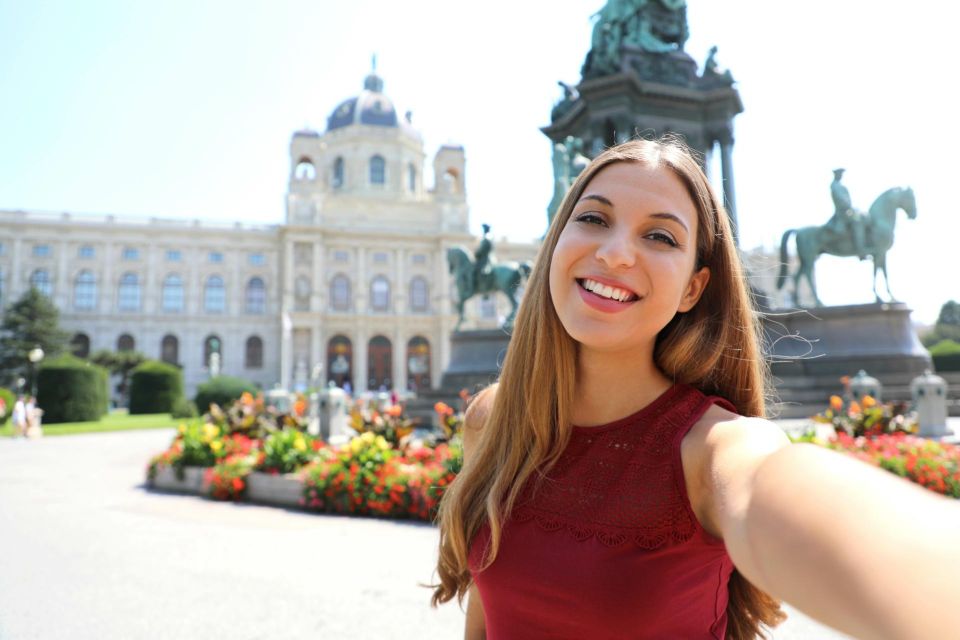
Kunsthistorisches Museum is huge, and without a plan it’s easy to wander and miss the connections that make the art click. This is built around a simple idea: you get reserved entry and a licensed guide, so your time goes to the “why” behind the “what.”
I like that the guide approach is designed for real understanding. You’re not only shown famous works; you’re also given a framework for how different cultures and ancient civilizations shaped what came next. That matters here because the museum’s strengths span an enormous timeline—Egypt and Greece on one end, then Renaissance and Baroque, and even collections that reach beyond Europe.
There’s also a practical benefit to the private setup. You can set your own pace, ask follow-up questions, and spend an extra minute where your eye wants it. In one experience, Ute’s pacing stood out for being patient and detail-forward, with lots of small context that doesn’t come from textbooks. In another, Michael was praised for clear explanations and kindness, which helps when you’re tired after walking a lot in Vienna.
You can also read our reviews of more private tours in Vienna

Skip-the-Line Tickets: What You Actually Save (and What You Don’t)
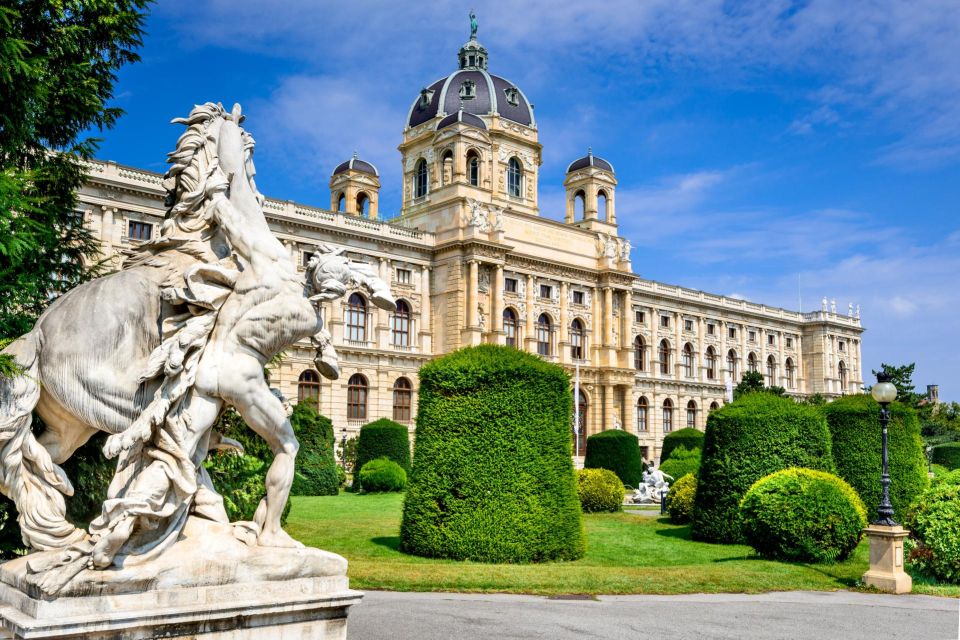
The ticketing promise is useful, but I’d keep expectations realistic. Your skip-the-line ticket gives you a reserved entry slot, so you don’t waste time queuing at the cash desk. What it does not do is replace all lines.
You still need to pass through ticket control and security checks. That means the experience isn’t magic-time travel, but it usually still cuts down the biggest “stand and wait” part of museum entry. In practice, this is what helps you fit the day into a tight itinerary.
This format also makes timing easier. With a reserved slot, you can plan your pre-museum walk and know you’re not standing around guessing when your turn will come. It’s one of the best ways to reduce stress on a museum day when Vienna’s streets can be busy.
Your Museum-First Plan Inside Kunsthistorisches Museum
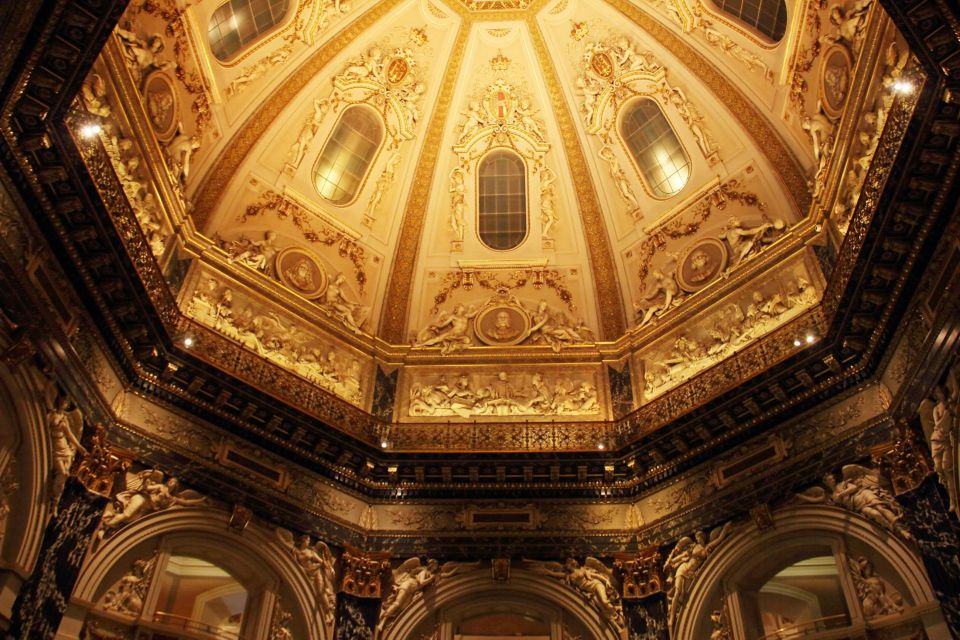
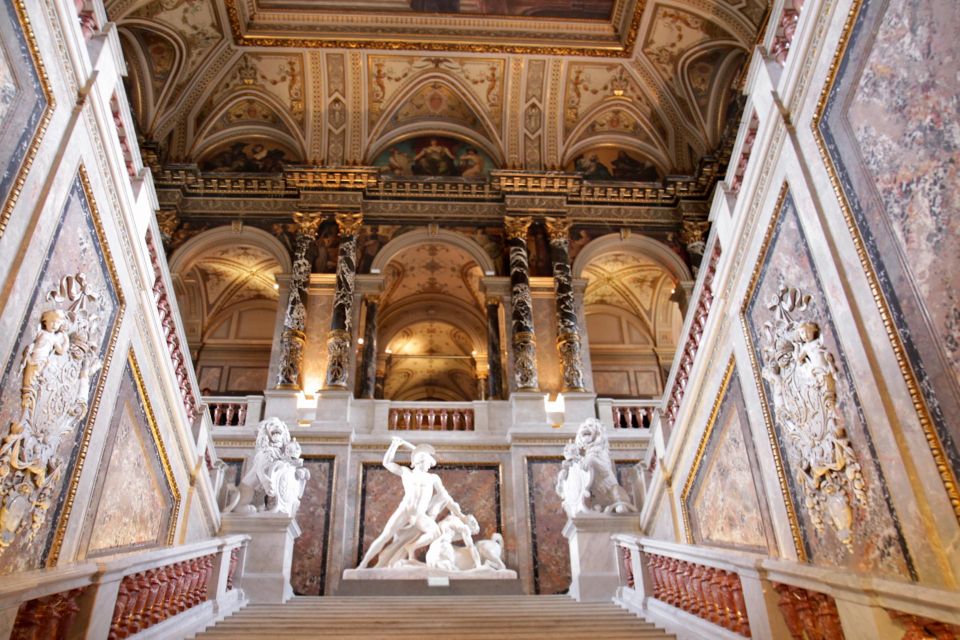
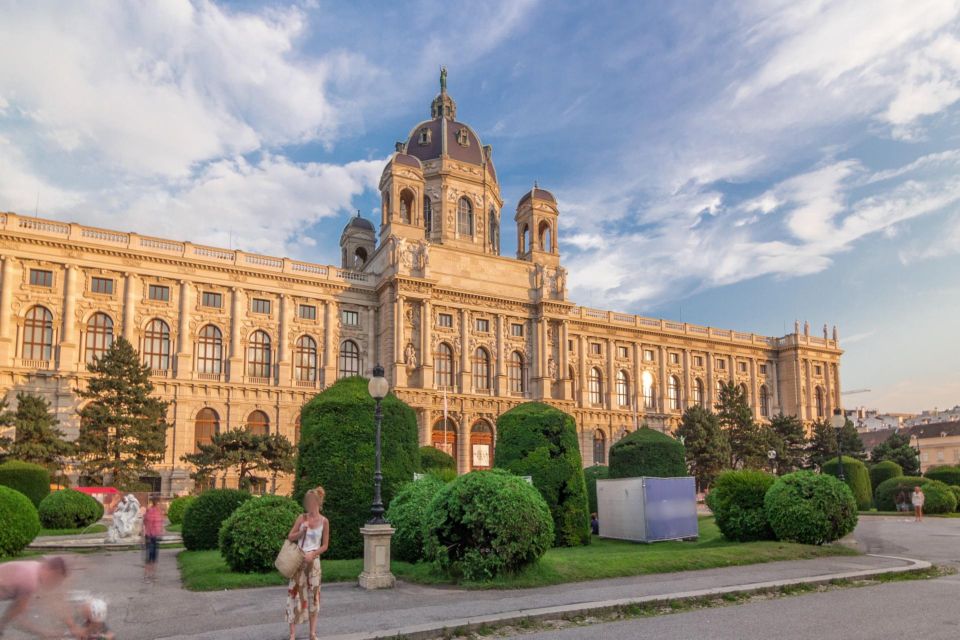
This tour is centered on Kunsthistorisches Museum’s collection of art and antiquities, with guided context across eras and cultures. A licensed guide introduces the museum’s history and leads you through key works drawn from the span of the collection.
What you can look forward to seeing includes major periods and styles, from ancient Egypt and Greece to Renaissance and Baroque works. The tour also references collections that reach beyond Europe, including pieces associated with Asia, the Middle East, and the Americas. The guide experience is aimed at helping you connect techniques, symbols, and cultural context to the artwork in front of you.
The museum’s focus for this tour is the permanent collections. That’s important because it keeps the experience consistent and avoids surprises that can happen when temporary exhibits take over your route.
The guides named in past tours—Ute and Michael—were both praised for explaining artwork clearly and offering lots of extra context. That’s exactly what you want in a museum this large: you’re not relying on chance, signage, or guesswork.
The 2-Hour Option: Best for a Tight Vienna Museum Day
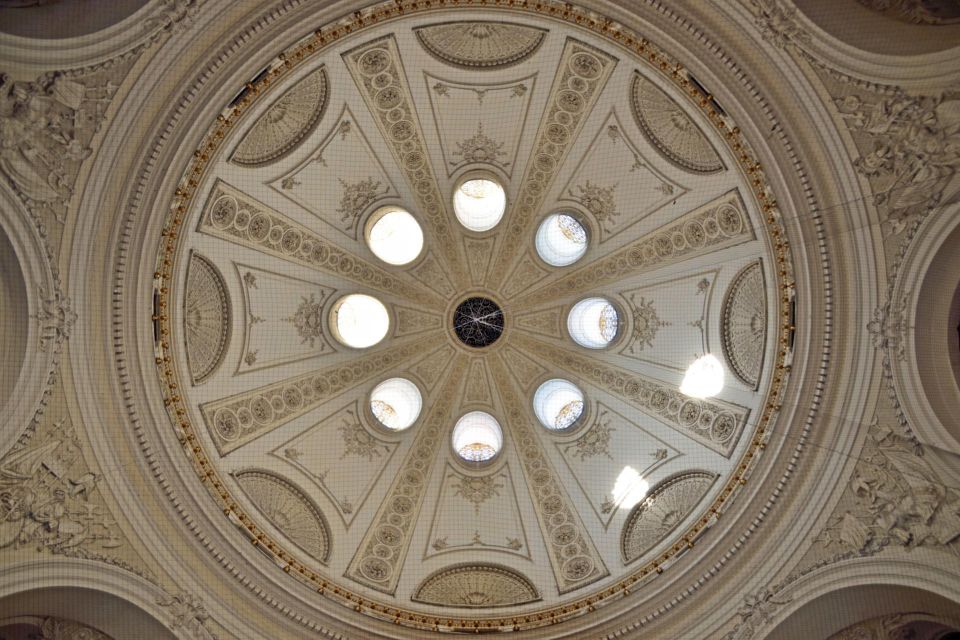
If your schedule is tight, the 2-hour tour is the “high-impact highlights” option. You get skip-the-line entry to Kunsthistorisches Museum, plus guided time that’s long enough to make a meaningful dent without exhausting you.
This option is the simplest in terms of logistics. There are no included transfers, and you won’t be combining with the Hofburg treasury. That can be a good thing: you stay fully focused on the museum itself and avoid a rushed hop between two major stops.
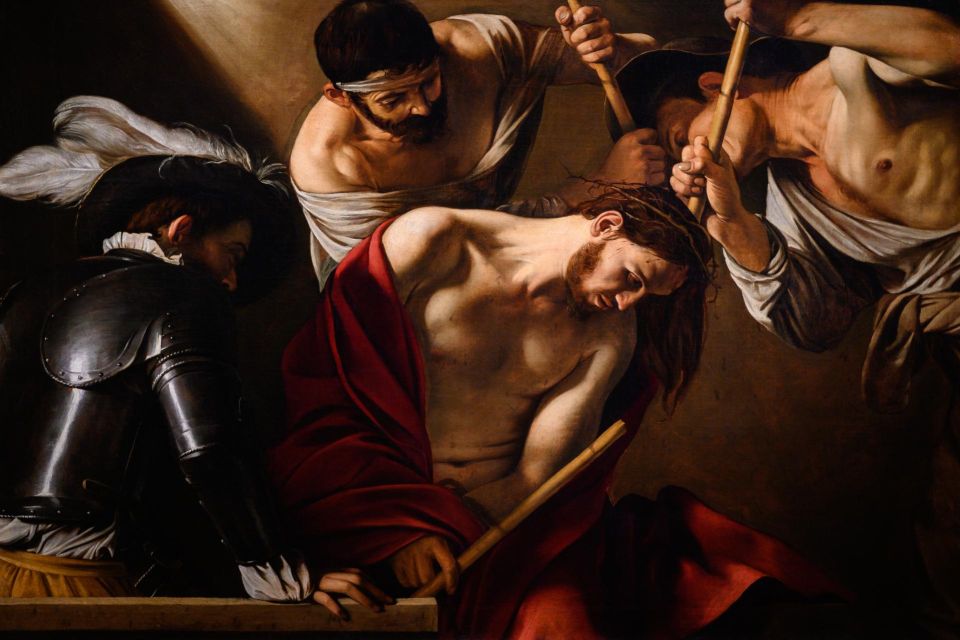
For your content expectations, think of the guide building a story first, then pointing you to the works that carry it. The tour references major artists such as Caravaggio, Raphael, Vermeer, Rembrandt, and Klimt, with discussion tied back to technique and cultural context. You’ll also get the bigger picture of how the museum’s collection stretches across time.
Who this suits best: you have limited time in Vienna, you like art but don’t want a long endurance walk, or this is your “one museum day” and you’d rather save energy for evenings.
The 3-Hour Tour with Private Car Transfer: More Relaxed, Still Focused
The 3-hour option adds one practical piece: a private car transfer. You get skip-the-line entry to Kunsthistorisches Museum and a guided visit long enough for deeper attention than the 2-hour plan.
The transfer part is a big deal if you’re arriving from a neighborhood where trains or trams are doable but annoying. This option includes a two-way car trip between your accommodation and the meeting point, with about 1 hour round-trip transfer time estimated. Real life traffic can stretch it, so I’d plan a little buffer if you’re staying far out.
Your museum time stays guided and structured. The guide is still introducing the museum’s history and helping you connect artworks across the timeline—from ancient Egypt and Greece through Renaissance and Baroque—while also touching on influences from Asia, the Middle East, and the Americas.
This is also a good “best-of-both” option if you want privacy without committing to a long day that may run late. It’s a solid fit for couples, small families, or anyone who wants a smooth start.
You can also read our reviews of more museum experiences in Vienna




The 4-Hour Combo: Kunsthistorisches Museum Plus Hofburg Imperial Treasury
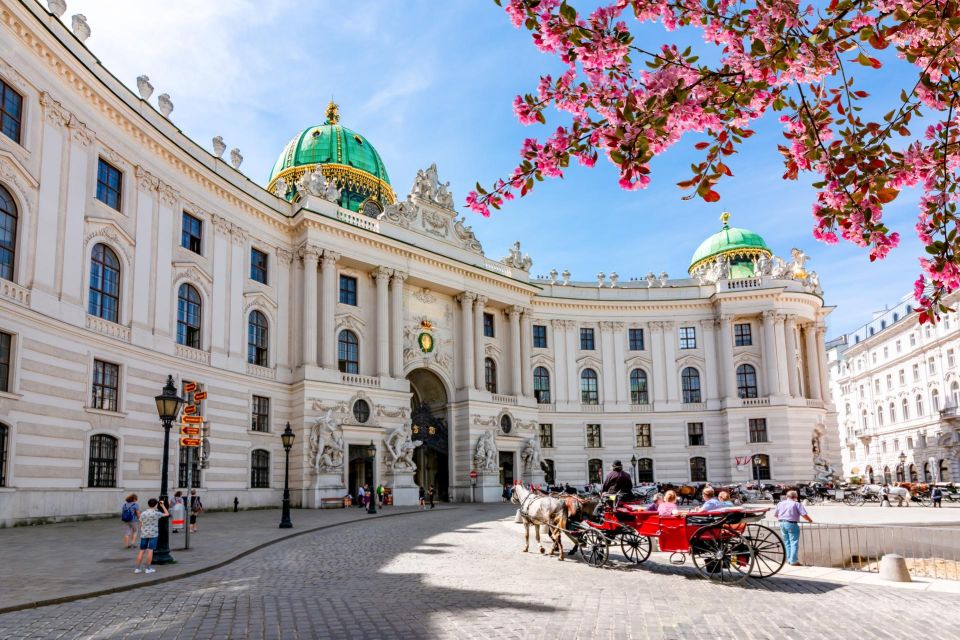
If you want more than paintings, the 4-hour option adds the Imperial Treasury at Hofburg Palace. Here’s the value: you get art history plus the visual culture of power and empire in one day.
You receive skip-the-line tickets to both places in this longer option, and the tour becomes a “two-attractions-in-one-day” plan. The Imperial Treasury collection focuses on the crown jewel story of the Habsburgs. You’ll see items connected to Sisi’s jewelry and other magnificent objects that once adorned the court of the Holy Roman Empire.
One practical consideration: this is where the day can get long. In an experience with Michael, the tour started around 11am and ran until after 3pm without a scheduled lunch break. The guide explained that a café would take too long, and there was a long line. It’s the kind of thing that can leave you lightheaded if you’re sensitive to long stretches without food or water.
My advice: treat this option like a full museum afternoon. Wear comfortable shoes, and build in personal breaks even if the guide route doesn’t pause for lunch. If you’re the type who gets hungry quickly, consider eating before you meet up.
The 5-Hour Option: Full Day Art and Habsburg Treasure, With Pickup
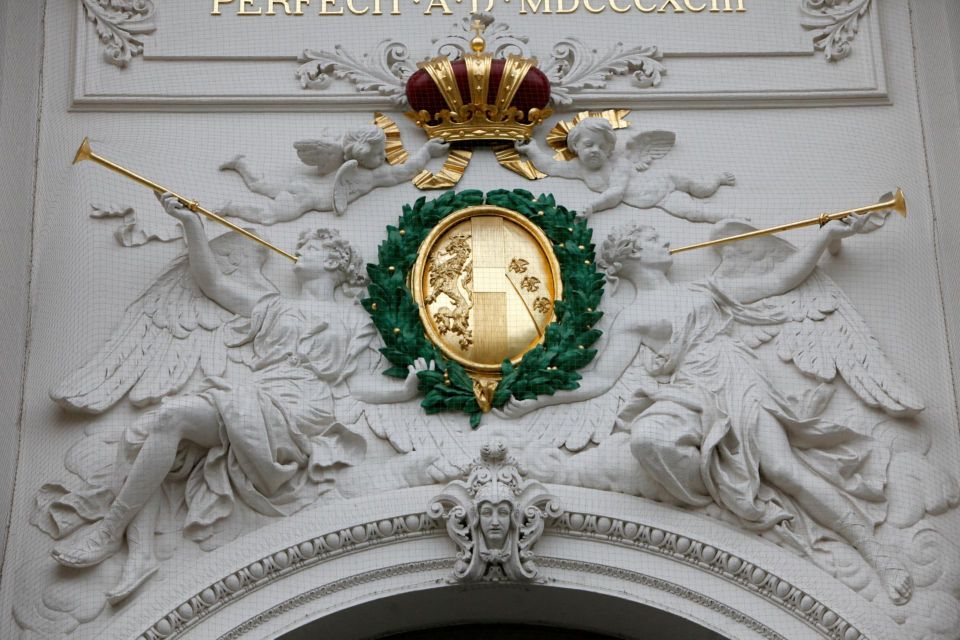
The 5-hour plan is the most “complete day” choice. It combines the Kunsthistorisches Museum experience with the Imperial Treasury visit at Hofburg, and it includes the private car transfer in a way that’s designed to reduce stress.
In this option, you can get pickup from your accommodation and return afterward. It again uses the estimated 1 hour round-trip transfer time, which can vary with traffic and distance. If you’re staying far from the historic center, this can be the difference between a pleasant day and a day of wasted energy.
In terms of what you’ll see, you’ll get the same museum strengths—guided context across ancient, Renaissance, Baroque, and global influences. Then you add the Habsburg story through the Imperial Treasury’s crown-jewel world, including references to Sisi’s jewelry.
Past experiences also show that guides may choose a logical order. In one case, the tour started with the treasury and then moved through areas tied to Dutch paintings. I wouldn’t assume every guide will do it the same way, but it’s a reminder that the route is guided and not just a checklist.
Who this suits best: you want to do both big cultural stops in one day, you have energy for several hours, and you’d rather pay for private time than spend your day managing lines and transport.
Private Car Transfers: How Comfort Fits Into a Museum Day
Vienna’s transit is good, but museum days often come with heavy walking. That’s why the 3- and 5-hour options stand out: the private car transfer takes the pressure off getting from your hotel to the meeting point and back.
The car arrangement is practical. A standard sedan is used for 1–4 people, and a larger van is available for groups of 5 and more. That means you’re not cramming in for the sake of logistics.
One more useful detail: you’re not just getting a taxi you share with the city. This is pickup and drop-off service tied to your accommodation address and the tour’s meeting point at Raiffeisen Bank in Michaelerplatz. It’s easier to plan your day when you can control the start and end times around your museum visit.
If you’re staying in a central area and you like using public transit, the transfer might be less necessary. But if you value comfort or you’re traveling with someone who tires easily, it’s a smart add.
Inside Timing and Pacing: How to Make the Day Feel Good
The biggest risk with museum combos is time pressure. Even with skip-the-line entry, you still need time to see, read, and absorb. The longer tours add another major site, and that can stretch your stamina.
A specific past experience flagged how a 4-hour museum-and-treasury day can run without a planned lunch break. The café existed but was slow due to a long line. The result was dehydration and feeling lightheaded later in the afternoon.
So here’s my practical, non-glamorous advice. If you’re booking 4 or 5 hours, bring water when possible and plan a snack before you start. If you expect to need a break, don’t wait until you’re already tired. Stop for a minute, use the restroom, and reset your energy while you still feel good.
Also remember the skip-the-line ticket doesn’t eliminate all waiting. You can’t skip ticket control and security. That can add time even if it’s shorter than the cash-deck line. Keep your expectations grounded and you’ll enjoy the day more.
Language Options and What They Change for Your Experience
This tour offers live guiding in several languages: English, French, Italian, Russian, German, Polish, and Spanish. The guide is licensed and fluent in the language you select.
That matters because museum visits often fail when you can only understand parts of the story. Here, the guide is connecting artworks to history, culture, and techniques, and that’s where language makes a real difference.
In the experiences that were praised, clear explanations and patience with the pacing were key. If you’re choosing between languages, pick the one you’ll comfortably understand when the guide starts talking about context, symbolism, and technique.
For many people, this becomes the core value: you leave with better understanding, not just photos.
Pricing and Value: Is $286 per Person Fair?
The price is listed at $286 per person, and the value depends heavily on which option you choose and how your time works.
For the 2-hour plan, you’re paying for private guidance plus skip-the-line reserved entry to Kunsthistorisches Museum. That’s a good deal when you want to focus on the museum without extending your day.
For 4 and 5 hours, value often increases because you’re adding skip-the-line tickets to the Imperial Treasury at Hofburg. You also gain a second “big name” stop tied to Habsburg history and objects linked to Sisi and the Holy Roman Empire.
Transfers in the 3- and 5-hour options also change the math. You’re not paying just for sightseeing time; you’re paying to reduce transit hassle and fatigue. If you’d otherwise spend time locating transit, waiting, or walking far from a station, the transfer becomes part of the value.
One more pricing note worth knowing: one licensed guide can lead a group of 1–14 people. If you’re traveling with a larger group that requires more than one guide, costs can rise. That’s not a hidden trap; it’s part of how private guiding stays high quality.
Overall, this is priced for people who want time saved and context added. If you’re the type who would happily wait in lines to save money, you might find better bargains elsewhere. If you want a plan that runs on your schedule, this tends to feel worth it.
Who This Tour Fits Best (and Who Might Prefer Something Else)
This private tour fits best if you want a structured, guided visit to Vienna’s top art collection and you value reduced stress. It’s especially strong for first-time museum visitors who feel overwhelmed by the scale of Kunsthistorisches Museum.
It’s also a great choice if you want to see the Imperial Treasury but don’t want to manage two separate bookings and timelines on your own. The 4- and 5-hour options give you a clean path through both sites.
If you’re comfortable navigating museums with a self-guided audio plan and you don’t mind queueing, you might not need the private cost. But if you care about clarity, pacing, and using skip-the-line in a practical way, the private guide model here works.
Should You Book This Skip-the-Line Private Tour?
Book it if you have limited time in Vienna and you want a guide-led visit to Kunsthistorisches Museum that actually helps you understand what you’re seeing. The skip-the-line reserved entry is the right kind of time saver, and the private guide approach is ideal for pacing yourself through a museum this big.
Choose the 4- or 5-hour version if you also want the Imperial Treasury at Hofburg, especially since those options include skip-the-line tickets for both sites. Just be honest with yourself about energy: plan for a long day, and don’t leave yourself guessing about food and water.
If you’re sensitive to long stretches without breaks, the 2- or 3-hour options may feel more comfortable. Either way, you’ll be starting from a clear meeting point near U3 Herrengasse, guided in your chosen language, and set up to get real value from the time you pay for.
FAQ
Where do we meet your guide for the Kunsthistorisches Museum tour?
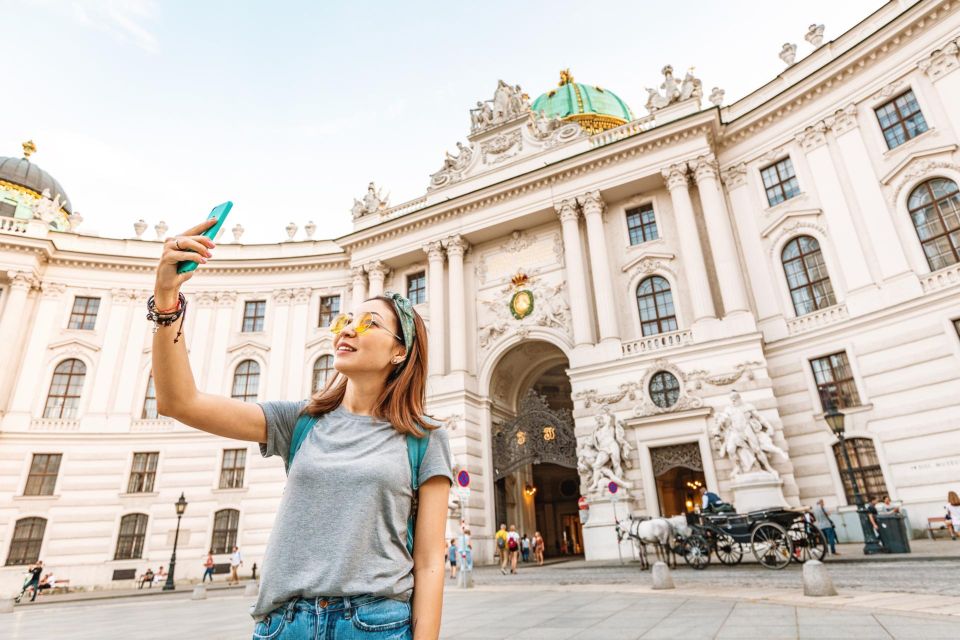
You meet the guide in front of Raiffeisen Bank, 1010 Vienna, Michaelerplatz 3, about 3 minutes from the metro station Herrengasse on line U3.
Does skip-the-line mean I avoid security checks too?
Skip-the-line here means you have a reserved entry slot, so you don’t queue at the cash desk. You still need to go through ticket control and security checks.
Is the Imperial Treasury at Hofburg included in all tour durations?
No. Imperial Treasury skip-the-line tickets are included only in the 4-hour and 5-hour options.
Are private car transfers included if I choose the 2-hour or 4-hour option?
No. Private car pickup and drop-off are included only for the 3-hour and 5-hour options.
What languages are available for the live guide?
The live guide is available in English, French, Italian, Russian, German, Polish, and Spanish.
How many people can one licensed guide lead?
A single licensed guide can lead groups of 1–14 people. If you need more than one guide, the price can be higher.