REVIEW · VIENNA
The Cultural Heritage of Jewish Vienna walking tour
Book on Viator →Operated by Gems of Vienna · Bookable on Viator
Vienna’s Jewish past is written into the streets. This is a 2.5-hour guided walk that traces community life from the oldest Jewish landmarks to the Holocaust memorial, with stories tied to major figures like Sigmund Freud and Gustav Mahler. I like that you’re not stuck with a one-size-fits-all script—this is led by a person, so the history feels human.
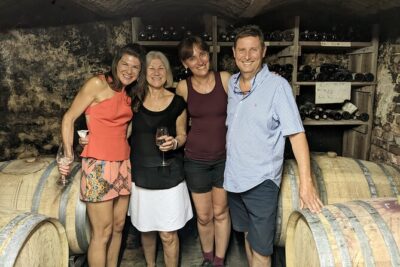
The second thing I really like is the small group size (max 10). That matters on a topic this serious: you can ask questions, get context, and move at a pace that doesn’t leave you behind. The guide names that show up in feedback—Lisa Marie, Barbi, and Ann Marie—are a strong signal that the hosting is story-driven, not just lecture-style.
One drawback to weigh: the tour has a noticeable risk of day-of problems tied to guide no-shows and communication gaps in some cases. If you book, plan to arrive early and keep your booking details handy so you’re ready if contact goes sideways.
In This Review
- Key Things to Know Before You Go
- Jewish Vienna on Foot: Why This Walk Works
- Starting Point: St. Stephen’s Cathedral and the Route Logic
- Jewish Museum Stop: More Than a Doorway
- The Old Jewish Quarter: Finding the Neighborhood in the City
- Oldest Synagogue of Vienna: Sacred Space with Context
- Holocaust Memorial: A Powerful Shift in Tone
- The Guide Experience: Live Questions, Real Storytelling
- Timing and Getting Around: 3:00 pm Start to Schwedenplatz Finish
- Price and Value: What $52.93 Buys You
- Who Should Book This Tour (and Who Might Skip)
- Should You Book The Cultural Heritage of Jewish Vienna?
- FAQ
- Where does the tour start?
- What time does it begin?
- How long is the walking tour?
- What are the main stops during the tour?
- What is the group size limit?
- Is the tour in English?
- Is admission included?
- Is free cancellation available?
Key Things to Know Before You Go
- Licensed, live storytelling that connects sites with people, not just dates on a sign
- Max 10 participants, which makes question time realistic
- St. Stephen’s Cathedral start and a finish near Schwedenplatz for easy onward plans
- Jewish Museum + Old Jewish Quarter + oldest synagogue + Holocaust memorial in one route
- Designed for English speakers, with a format that suits both Jewish and non-Jewish visitors
- Admission ticket not included, so plan for possible extra entry costs
Jewish Vienna on Foot: Why This Walk Works
Jewish history in Vienna isn’t locked behind glass. It’s in street patterns, old neighborhood boundaries, and the way the city remembers what happened. This tour is built to help you read Vienna—and not in a textbook way.
The format is simple: a walking route through major Jewish heritage stops, guided by a licensed person who can explain why each location matters. That makes a difference. Museums and memorials can be powerful, but power without context can also feel confusing. Here, you’re given the thread that ties the places together—community life, cultural contributions, restrictions and changes over time, and the impact of the Holocaust.
And yes, this walk includes the big names you’ve heard in other contexts. Sigmund Freud and Gustav Mahler come up as part of the broader Jewish Viennese story—people who were shaped by the city and who helped shape it. If you’ve ever wondered how Vienna produced thinkers across disciplines, this is a good way to connect the dots on the ground.
You can also read our reviews of more walking tours in Vienna

Starting Point: St. Stephen’s Cathedral and the Route Logic
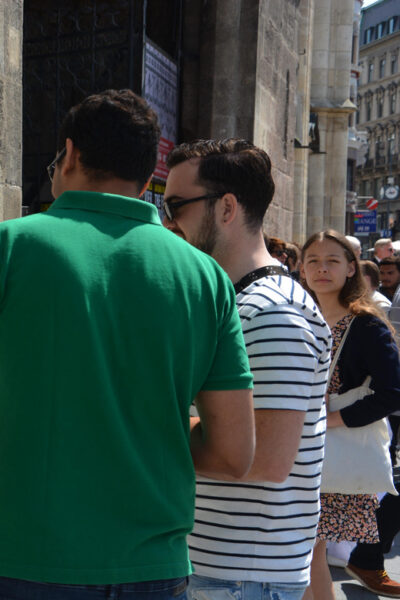
The tour starts at St. Stephen’s Cathedral (Dom zu St. Stephan) at 3:00 pm. That’s a smart choice because it puts you in the center of Vienna’s tourist gravity—easy to find, easy to orient yourself, and full of street life.
From there, the route moves you toward the Jewish Museum area and the Old Jewish Quarter, then on to the oldest synagogue of Vienna and the Holocaust Memorial. You’re basically walking a timeline in space: from earlier community presence, into older sacred landmarks, and finally into remembrance that doesn’t let you look away.
It also ends at Seitenstettengasse, very close to public transportation at Schwedenplatz. That’s practical. You won’t feel like you’ve booked a tour that traps you in the middle of nowhere afterward.
Jewish Museum Stop: More Than a Doorway
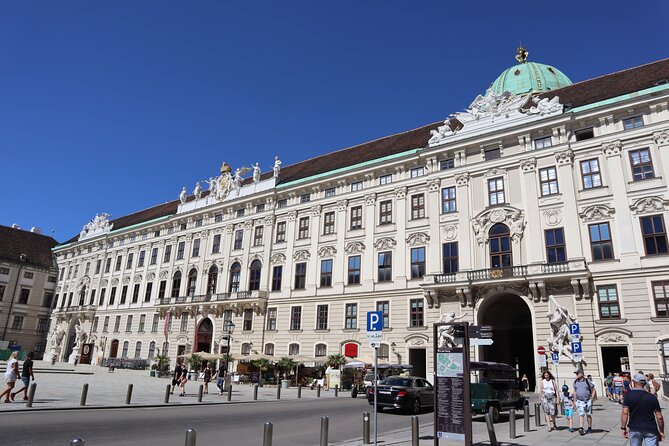
One of the first stops is the Jewish Museum area (the tour description places it early in the walk). You don’t need to think of this as a quick photo stop. The value here is that the guide uses the museum-adjacent context to help you understand what you’re seeing next.
You’ll get more than a history headline. You’ll be guided to notice how Vienna’s Jewish community changed over time and how public life, neighborhood geography, and cultural production were linked. This is the kind of framing that makes later stops hit harder—especially once you reach memorial ground.
A small heads-up: the tour notes that admission tickets are not included. That doesn’t necessarily mean you’ll pay at every stop, but it’s a fair signal that at least one site may involve extra entry costs depending on what’s included in your specific session. If you want a smoother afternoon, bring some flexibility in your budget.
The Old Jewish Quarter: Finding the Neighborhood in the City
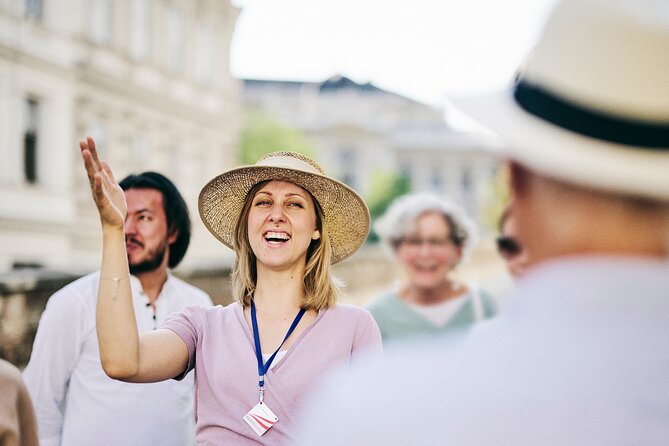
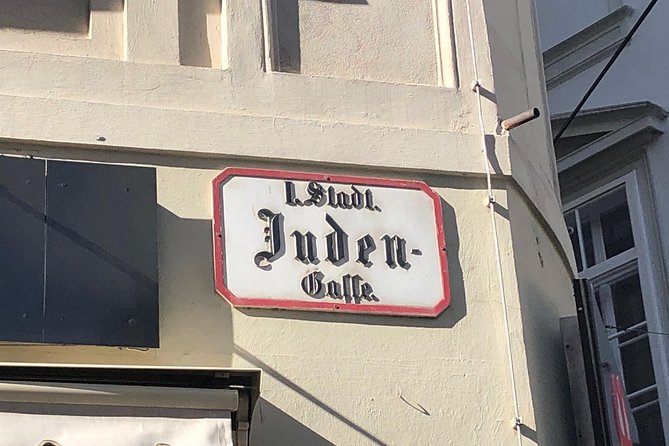
The route includes Vienna’s Old Jewish Quarter, described as the area you’ll walk through with context about Jewish life across centuries. This part is where the walking format really shines.
Instead of trying to memorize names of streets and buildings, you’re learning how the neighborhood functioned as a living place—where people gathered, where culture moved, and how the community’s presence shaped daily Vienna. It’s also where you start to understand that the story isn’t only about hardship. The tour’s emphasis on writers, composers, and scientists helps balance the darker chapters with cultural achievement.
This matters for two reasons:
- It prevents the history from turning into only tragedy or only survival.
- It gives you a sense of continuity—how life developed over time, even under shifting rules and pressures.
When a guide can connect what you see at street level to how people lived, you end up remembering the route longer than you expect. It becomes a walk you can picture later.
Oldest Synagogue of Vienna: Sacred Space with Context
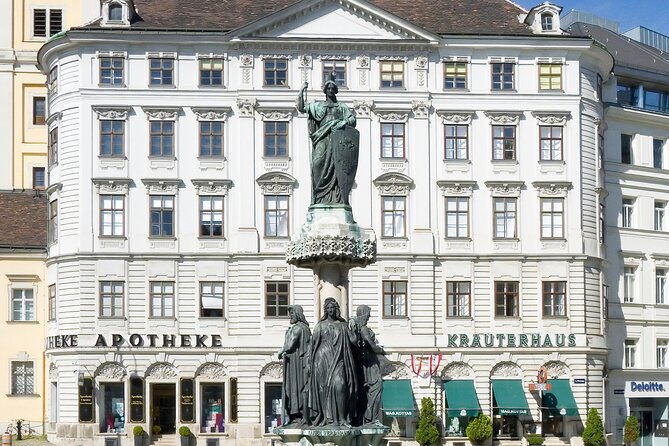
The walk includes a visit to the oldest synagogue of Vienna. That’s one of the emotional centers of the route. Sacred places can feel “staged” if you don’t know what to look for. With a guide, you get the background that helps the location make sense beyond its architecture.
You’ll also hear about the Jewish community’s long presence in Vienna and how the city’s relationship to that community evolved. The key value isn’t just that you see a major landmark—it’s that the guide connects the building to the people who used it and the historical conditions around it.
Practical consideration: even if you’re an experienced visitor, expect this stop to slow you down mentally. This isn’t the point of a rushed sightseeing checklist. If you’re the type who gets restless during serious moments, consider taking a breath before you arrive. You’ll get more out of it if you let the silence and weight of the place do part of the work.
You can also read our reviews of more historical tours in Vienna



Holocaust Memorial: A Powerful Shift in Tone
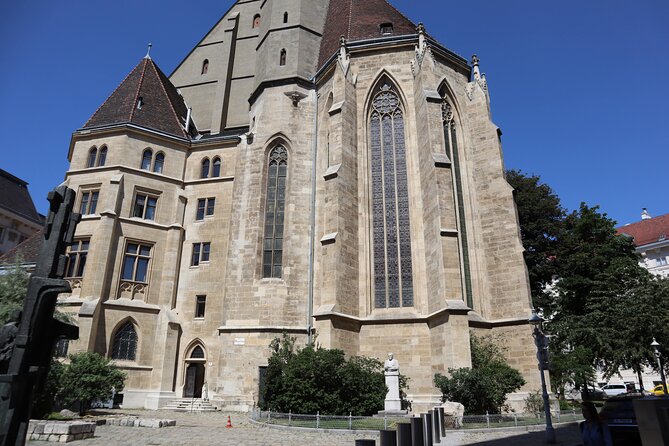
The route also includes the Holocaust Memorial. This is where you’ll likely feel the tour’s tone shift from cultural history to remembrance and loss.
A memorial isn’t only a visual experience. It’s a context exercise—how the guide frames what happened and what it means helps you avoid treating it as another stop on a route. From the tour description, the guide connects the broader story of Jewish Vienna to the Holocaust, so you’re not only looking at a symbol. You’re understanding what it stands for within the city’s history.
I also like that the tour doesn’t separate “great minds” from “catastrophe.” Freud and Mahler may come up earlier, but the walk’s structure brings you toward the hard ending of the story. That balance can be more emotionally accurate than jumping back and forth.
The Guide Experience: Live Questions, Real Storytelling
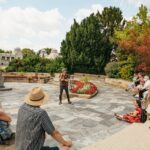
The tour is designed around the fact that you learn better from a person than from reading alone. A lot of walking tours throw information at you. This one aims for a different rhythm: stories, explanations tied to specific stops, and time for questions.
That question time becomes especially important because the tour covers complex material. One review noted that the history focus is strong, but that someone would have liked more recent history. That tells me something practical for your expectations: you should go in ready for centuries-focused context. If you’re mainly looking for post-war Vienna or modern politics, this may not be the longest answer.
On the plus side, multiple guides are named in feedback—Lisa Marie, Barbi, and Ann Marie—and several comments describe guides as responsive, kind, and careful with the group. While you shouldn’t book based on a name alone, it’s a useful indicator that the tour’s success often comes down to how well the host connects story to place.
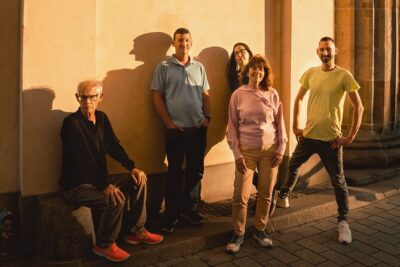
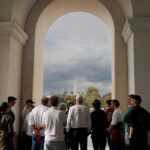
Group size also plays a role. With a maximum of 10 travelers, the guide can actually notice who’s struggling with details and who wants more. If you’ve ever been stuck in a big group where questions die in the middle distance, this is the opposite.
Timing and Getting Around: 3:00 pm Start to Schwedenplatz Finish
This tour runs about 2 hours 30 minutes and starts at 3:00 pm. That’s a good slot if you want something substantial without burning half a day.
You’ll likely finish close to Schwedenplatz, which is handy for planning dinner or your next stop. Vienna’s transit is easier when you’re near a major hub, and Schwedenplatz is exactly that kind of anchor point.
One practical suggestion: since the tour ends near public transport, plan to keep your next reservation flexible for a tight window after the tour. Don’t stack something that requires perfect timing within a few minutes of landing at the finish.
Price and Value: What $52.93 Buys You
At $52.93 per person for roughly 2.5 hours, you’re paying for guided walking plus access to the route logic—someone else handles the connections between stops.
This price isn’t only about “showing up and pointing.” The tour’s core value is the way it sequences Jewish Museum, Old Jewish Quarter, oldest synagogue, and the Holocaust memorial with explanation. If you tried to DIY this, you could piece together information, but you’d likely miss the way the guide threads the sites into one coherent story.
Two value notes to keep in mind:
- The tour lists admission ticket not included, so your total day cost could be a bit higher if any site access requires a paid entry.
- The small-group format is part of what you’re paying for. Even in a city full of free walking, the cost difference usually reflects time, attention, and how the guide manages the group.
If you’re the kind of traveler who likes history but wants it explained with care, this price often feels fair. If you already know the basic timeline and you’re purely sightseeing for photos, you may decide you’d rather spend the money on museum entries and read up before you go.
Who Should Book This Tour (and Who Might Skip)
This is a strong match if you want:
- A guided Jewish heritage walk that includes both cultural contributions and remembrance
- A small group where questions are welcome
- A route that helps you understand why key Vienna locations matter
It’s especially good for first-time visitors to Vienna who know a few famous names but want to understand how they connect to the city’s Jewish story. You’ll also likely enjoy it if you prefer walking tours over museum-only days.
You might think twice if:
- You’re mainly interested in very recent Jewish history or modern political developments (the emphasis here sounds more centuries-focused).
- You’re booking last-minute with tight plans and you can’t absorb potential day-of hiccups.
And about those hiccups: there are multiple no-show complaints in the available feedback, including situations where the guide did not arrive and communication was an issue. There’s also at least one explanation offered that the guide got sick and outreach failed for some guests. So the safest approach is practical: confirm details before you leave your hotel and plan to give yourself buffer time at the start point.
Should You Book The Cultural Heritage of Jewish Vienna?
I’d book this if you want a guided, human-scale walking tour that treats Jewish Vienna as a real lived place—full of ideas, buildings, neighborhoods, and remembrance, not just facts on a screen. The mix of Old Jewish Quarter, the oldest synagogue, and the Holocaust memorial is exactly the kind of route that benefits from an interpreter on the ground.
But I wouldn’t book it blindly if your schedule is razor-thin or if you can’t handle any chance of day-of communication problems. In that case, either build extra time around it or choose a different tour with a stronger reliability record.
If you do book, go in with the right mindset: this is not only sightseeing. It’s a focused walk through serious history, with cultural context built in. You’ll come away with Vienna looking different the next time you pass those streets.
FAQ
Where does the tour start?
The tour starts at St. Stephen’s Cathedral (Dom zu St. Stephan, 1010 Wien).
What time does it begin?
It starts at 3:00 pm.
How long is the walking tour?
The duration is approximately 2 hours 30 minutes.
What are the main stops during the tour?
You’ll see the Jewish Museum area, the Old Jewish Quarter, the oldest synagogue of Vienna, and the Holocaust Memorial, along with other locations tied to the Jewish community.
What is the group size limit?
The tour has a maximum of 10 travelers.
Is the tour in English?
Yes, it’s offered in English.
Is admission included?
The tour notes admission ticket not included.
Is free cancellation available?
Yes. You can cancel for a full refund if you cancel up to 24 hours in advance of the experience’s start time.