REVIEW · VIENNA
Vienna Art Nouveau Walking Tour
Book on Viator →Operated by Insight Cities · Bookable on Viator
Vienna’s Jugendstil is easier to spot when you walk it. This Vienna Art Nouveau walking tour turns design history into a route you can follow—mostly through metro stations and a few big-ticket buildings. I especially like that you’re not stuck in one museum room; you’re moving through the city’s layers at human pace.
Two things I like a lot: you get a guided chain of Otto Wagner ideas across multiple stops, and you can connect the Sezession building to the wider Jugendstil thinking behind it. One thing to plan for: some of the best add-ons cost extra tickets on specific days, especially if you want to see Klimt’s Beethoven Frieze.
In This Review
- Key Highlights at a Glance
- Why This Vienna Art Nouveau Tour Feels Different From Usual Sightseeing
- Getting There: Operngasse 7 and the “Walk + Short Transit” Rhythm
- Stop 1: Otto Wagner Pavillon at Karlsplatz (and the Quick Wagner Museum Win)
- Stop 2: Stadtpark Station—The Metro Where City Engineering Meets Design
- Stop 3: Kettenbrücke and the Sezession—Viennese Jugendstil at Peak Concentration
- End Stop: The Imperial Station—Why Wagner Made Metro Design Feel Like Power
- Guides, Delivery Style, and Why the Explanations Land
- Price and Value: Is $180.04 Worth It?
- What I’d Recommend Before You Go (So It Stays Fun in Real Life)
- Who This Tour Suits Best (And Who Might Skip It)
- Should You Book Vienna’s Art Nouveau Walking Tour?
- FAQ
- How long is the Vienna Art Nouveau walking tour?
- What language is the tour offered in?
- How many people are in a group?
- Where do I meet the guide?
- Is the tour mostly walking?
- Are there any extra entrance fees?
- Is anything included besides the guide?
Key Highlights at a Glance
- Small group (up to 8) means you’re more likely to get your questions answered without rushing.
- Metro-station focus shows Art Nouveau in the real public spaces Viennese people use.
- Otto Wagner connections are threaded through the route, not treated as random sightseeing.
- Sezession + Beethoven Frieze can be the emotional peak if you time it for the days the museum is open.
- Engineering details at Stadtpark help you understand how design solved a city problem, not just how it looked.
Why This Vienna Art Nouveau Tour Feels Different From Usual Sightseeing
If your Vienna visit is all palaces and grand squares, this tour gives you another side of the city. Art Nouveau here is not just ornament on a façade. It’s also practical, structural, and tied to how a modern city wanted to present itself.
I like that the route is built like a lesson, with each stop reinforcing what you’re supposed to notice next. You start at Otto Wagner’s world, then you look at design choices inside transit infrastructure, and finally you end with a station that was built for power and symbolism.
The timing also helps. You’ve got about 2.5 hours on the calendar (the walking route is described as around 3 hours), so you can fit it between heavier museum days. And since it’s offered in English with a professional guide, you’re not stuck decoding signage while pretending you understand Jugendstil.
You can also read our reviews of more walking tours in Vienna
Getting There: Operngasse 7 and the “Walk + Short Transit” Rhythm
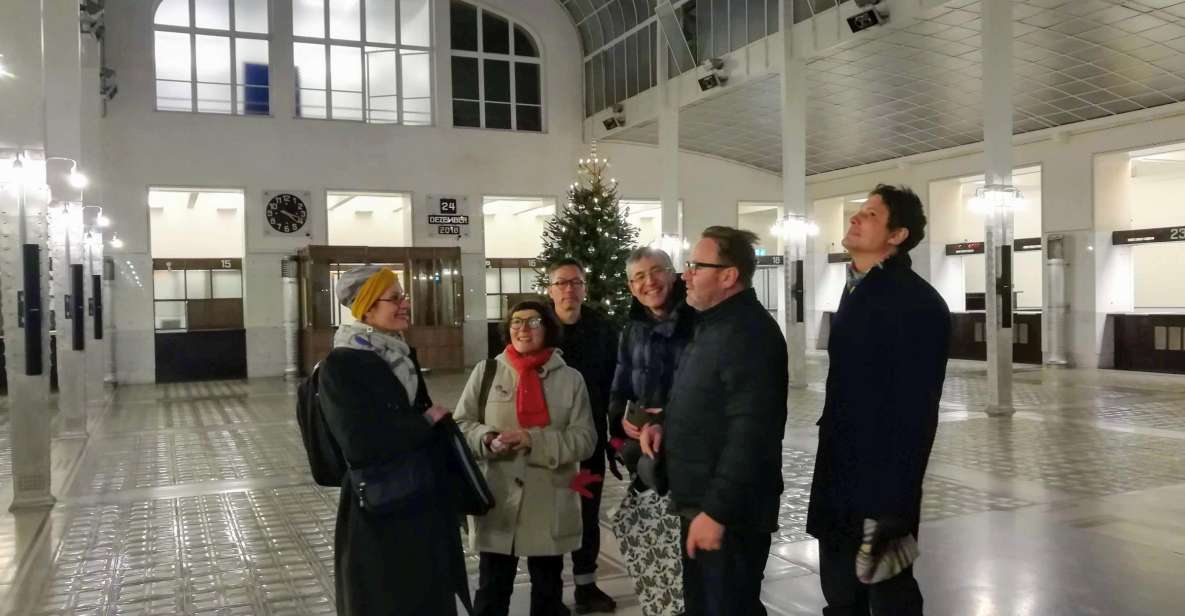
Meeting point is Operngasse 7, 1010 Wien. From there, you’re set up for a route that mixes walking segments with metro hops between key nodes. That matters because the most interesting design examples are spread out, and the metro gives you a fast, authentic way to move.
Near public transportation is part of the deal, so you won’t waste energy getting “to the first thing.” Once you’re in the flow, you’ll keep pausing where the guide can explain how materials, forms, and symbolism work in context. In cold or rainy weather, I’d treat this as a tour where your guide may adjust for comfort—one group even described the guide offering a car option so they wouldn’t get soaked. Don’t assume that every time, but it’s a good sign the format can flex.
Group size is capped at 8, so you’re not fighting a crowd for hearing room. That’s a real value here, since the best parts are the explanations.
Stop 1: Otto Wagner Pavillon at Karlsplatz (and the Quick Wagner Museum Win)
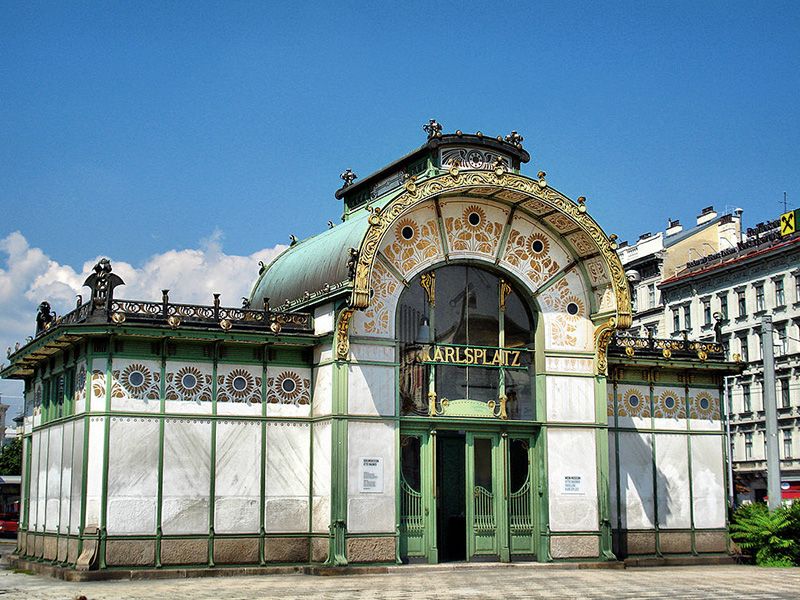
You begin at the Otto Wagner Pavillon at Karlsplatz. Starting here is smart because it sets the tone immediately: Wagner is the thread that ties a lot of this architecture together, so you’re not hearing about him only at the end.
Right at the start, you’ll also get a stop in the small Wagner Museum. This part is listed as free admission, which is a nice bonus. Even if you’ve seen a lot of Vienna architecture already, this opening gives you a baseline for what you’re about to look for later.
Budget note: the Otto Wagner Pavilion visit can involve an admission fee depending on the season. The tour notes that from April to October, when the pavilion is open, there are extra costs (listed as €5 for general admission and €4 for seniors, students, Vienna Card holders, and persons with disabilities). If you’re traveling in winter, you may miss that specific fee because the pavilion may not be operating—still, it’s worth checking your travel dates.
What to watch for: think of this first stop as your visual “vocabulary builder.” When you see later metro-station design and the Sezession-style concepts, you’ll recognize ideas because your guide will keep referring back to what you saw here.
Stop 2: Stadtpark Station—The Metro Where City Engineering Meets Design
Next you head toward Stadtpark station, highlighted as the best preserved of Vienna’s original metro stations still in use. That phrase matters. You’re not only seeing pretty Art Nouveau-era styling; you’re seeing a piece of a living system that still functions daily.
The standout story here is the adjoining artificial riverbed created for the little Vienna river. The city train required the waterway to be rechanneled, and the guide explains how the design problem of integrating the realigned river into the new urban landscape was handled.
This is one of the most “grown-up” moments in the whole tour. It’s proof that Jugendstil and Art Nouveau thinking weren’t only about appearances. You’re seeing how design helped solve a real infrastructure constraint.
Practical tip: this stop is a good place to slow down mentally. If you’re the type who skims details, try to switch gears for a few minutes. Notice how the station’s story is tied to urban planning, not just architecture.
Stop 3: Kettenbrücke and the Sezession—Viennese Jugendstil at Peak Concentration
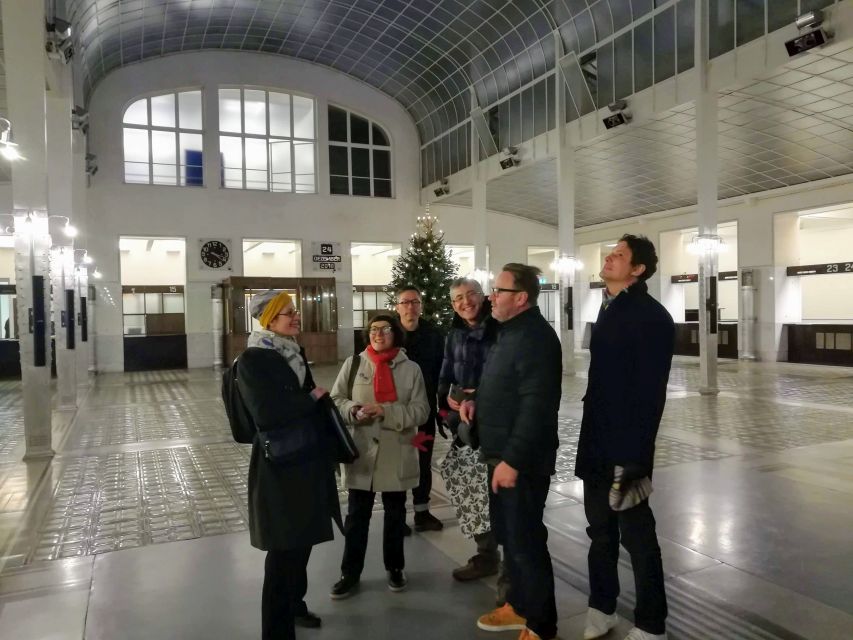
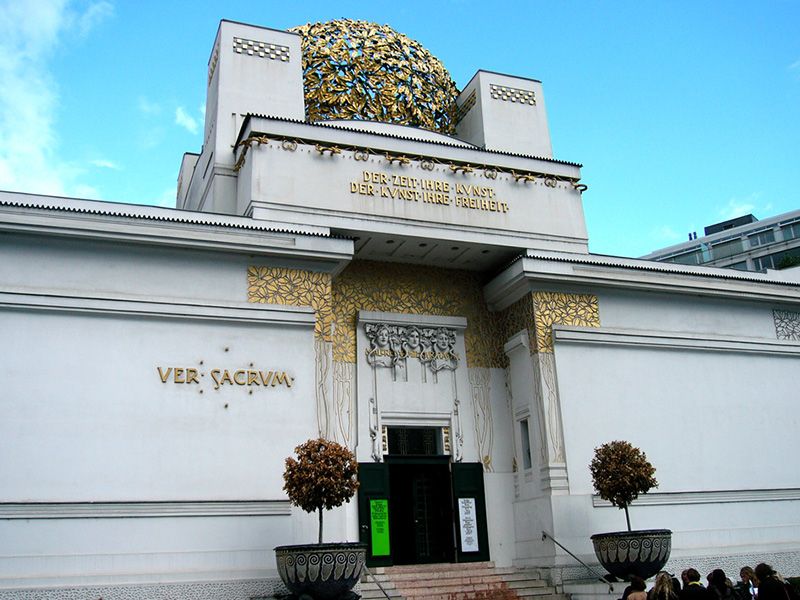
From Kettenbrücke station, the tour shifts into the most iconic Art Nouveau territory: the Sezession art building. It’s described as the icon par excellence of Viennese Jugendstil, and that’s exactly the kind of claim that usually needs context. Here, you don’t just look—you learn the underlying philosophy and what symbols and materials were favored by practitioners.
On the way, you’ll also see two apartment houses by Otto Wagner. This is a strong move because it helps you compare “Art Nouveau as public statement” versus “Art Nouveau as everyday urban living.” Even if you only catch a glimpse, the guide’s framing makes it stick.
If Klimt is your reason for coming, this is where your timing can matter. The tour notes that entry to the Secession House to see Gustav Klimt’s Beethoven Frieze costs extra on Tuesday to Sunday (listed as €9.50 adults and €6 students and seniors). Your guide helps you handle payment when you’re there.
So think of this segment as two layers:
- the exterior and design ideas tied to Jugendstil
- the Beethoven Frieze visit if your day lines up and you want that final punch of famous art
One more thing: the route is laid out so you can absorb the design language before the guide brings in the big-name artwork. That makes the Beethoven Frieze more than a photo stop.
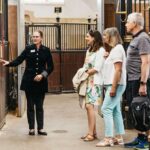

End Stop: The Imperial Station—Why Wagner Made Metro Design Feel Like Power
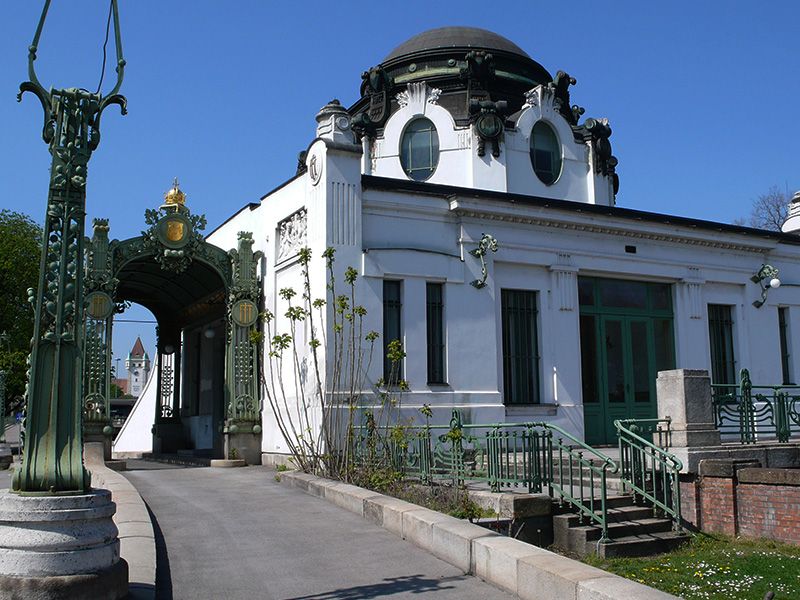
For the last part, you step onto the metro from Kettenbrücke for the final stop: the imperial station, built outside Schönbrunn castle for the Emperor’s use.
This end point is less about “pretty building” and more about message. The station had symbolic meaning too: it was meant to show critics that the Emperor supported the metro line. In other words, you’re looking at architecture as public persuasion.
What makes this stop satisfying is that you’re meant to recognize elements you encountered earlier in the walk. The guide ties things together: design methods you saw in earlier stations and buildings show up again here, but translated into an aesthetic with imperial grandiosity. That contrast—bourgeois style turned into something courtly—is a big part of the tour’s payoff.
If you like architecture that tells a political or social story, this is the moment to pay close attention. You’ll get the sense that “modern transit” used to be about more than convenience. It was about who backed the future.
Guides, Delivery Style, and Why the Explanations Land
This is one of those tours where the guide is doing real work. The experiences shared with this tour described guides who could connect architecture to Austrian history without turning it into a lecture.
Names you may encounter include Jan, Stephan, Angelina, Ilse, Suzanne, and Wolfgang Augsten—and the common theme is focus. People reported that the guide answered questions well, adjusted the route to the group, and helped them understand how the themes of Vienna around 1900 still show up today.
I also like that one review mentioned how the guide helped with practical city navigation after the tour. Even if you already know Vienna fairly well, you tend to walk away with clearer instincts for using the trains and getting around efficiently.
Price and Value: Is $180.04 Worth It?
At $180.04 per person, this isn’t the cheapest option in Vienna. But it’s also not priced like a private architecture consultation. You’re paying for:
- a professional guide
- a focused route through multiple design-relevant locations, including major Jugendstil and Wagner touchpoints
- a small group format (max 8)
To judge value fairly, I’d treat the price as “architecture lessons on wheels.” If you love details and you’re the type who remembers ideas better when someone explains them, the cost starts making sense. If you’re only seeking quick photos, you could probably build a self-guided route cheaper.
Also, watch the potential ticket add-ons:
- Otto Wagner Pavilion costs apply from April to October (with specific prices listed).
- Secession House entry for Klimt’s Beethoven Frieze costs extra on Tuesday to Sunday (with listed adult and reduced rates).
The good news is that the tour repeatedly signals what’s free (like the small Wagner Museum stop) and what might cost extra, so you’re not guessing. If you want maximum value, pick a travel day that lines up with Secession House hours and plan on budgeting for at least one paid entrance if the Beethoven Frieze is on your wish list.
What I’d Recommend Before You Go (So It Stays Fun in Real Life)
This is an outdoor walking component, plus metro time. So do the obvious tourist-prep:
- wear layers, especially if it’s damp or cold
- bring an umbrella or rain protection
- keep your shoes comfortable enough for frequent stops
Then one “nerd tip” that helps you enjoy Jugendstil more: don’t try to memorize buildings by name only. Instead, try to carry one mental checklist:
1) Where does the design feel practical versus symbolic?
2) How does the guide link one stop’s idea to the next?
3) What changes when you move from transit spaces to imperial statement spaces?
The tour works because it’s a chain. If you treat it like a chain, it will feel satisfying instead of random.
Who This Tour Suits Best (And Who Might Skip It)
This is ideal if you care about:
- Vienna Art Nouveau / Jugendstil
- Otto Wagner and how his ideas show up in civic spaces
- architecture lovers who want context, not just facts
- first-time visitors who want a fast orientation of the city through design landmarks
It may be less ideal if you:
- hate walking in bad weather
- want only the most famous sites with no design discussion
- prefer full-day museum time over architecture explained in the street and in transit spaces
The sweet spot is people who like “short but smart.” This tour is about focused understanding in a compact window.
Should You Book Vienna’s Art Nouveau Walking Tour?
Book it if you want a guided route that makes Jugendstil feel coherent. The strongest reason is the structure: you start with Wagner, then you see design in metro infrastructure, then you end at a station built with imperial meaning. That storyline is what makes the experience worth it.
Skip or look for another option if you only want casual sightseeing without explanations, or if the extra ticket days don’t line up with your schedule and you strongly prefer not to pay separate museum fees.
If you do book, do two things: dress for the weather and plan your day so you can see Klimt’s Beethoven Frieze at the Sezession House if that’s important to you. With a small group and guides who know how to connect the dots, this one can turn into one of your most memorable Vienna learning moments.
FAQ
How long is the Vienna Art Nouveau walking tour?
The tour runs for about 2 hours 30 minutes on average.
What language is the tour offered in?
The tour is offered in English.
How many people are in a group?
The group size is limited to a maximum of 8 people per booking.
Where do I meet the guide?
The meeting point is Operngasse 7, 1010 Wien, Austria.
Is the tour mostly walking?
It is a walking tour that includes metro stops to reach different stations and buildings.
Are there any extra entrance fees?
Yes. The Otto Wagner Pavilion admission can have an extra fee from April to October, and Secession House entry to see Klimt’s Beethoven Frieze has extra costs on Tuesday to Sunday.
Is anything included besides the guide?
The tour includes a 2.5-hour guided tour of Vienna’s Art Nouveau metro stations and iconic buildings with a professional guide, and it uses a mobile ticket.