REVIEW · VIENNA
Vienna Art Nouveau Walking Tour
Book on GetYourGuide →Operated by insightcities.com · Bookable on GetYourGuide
Vienna’s metro is art, not just transport. This guided walk turns Vienna’s Art Nouveau ideas into something you can actually see on the street and in the stations. I love the way the tour explains how the metro changed the city’s growth, then backs it up with Otto Wagner’s signature style you can spot with your own eyes.
You’ll also like how the pacing mixes architecture talk with real-world viewing. Starting around the Karlsplatz area and moving toward stations still in use, you get the symbols, materials, and design logic behind Jugendstil without drowning in theory.
One thing to consider: extra museum or monument entry is on top of the tour price for some stops, including the Secession House on the right days, and you’ll want to budget a little time for entrances.
In This Review
- Key highlights worth planning around
- Vienna’s metro as an Art Nouveau billboard
- Meeting at Café Museum and getting your walking rhythm
- Karlsplatz pavillon and the small Wagner museum stop
- Secession House: where the ideology shows up in the façade
- Stadtpark station: best-preserved and still part of daily life
- Kettenbrücke station and Otto Wagner’s apartment-house clues
- The emperor’s station outside Schönbrunn: art with a political job
- Österreichische Postsparkasse and more Wagner-world context
- Value for $176: what you’re paying for and what to budget
- Who should book this Art Nouveau metro walk
- Should you book this Vienna Art Nouveau walking tour?
- FAQ
- How long is the Vienna Art Nouveau walking tour?
- Where does the tour start?
- What is included in the tour price?
- Are tickets for the Otto Wagner Pavillon and the Secession House included?
- When can you see Klimt’s Beethoven Frieze?
- Does the tour visit Vienna metro stations?
Key highlights worth planning around
- Otto Wagner’s metro vision: why it was meant to be instantly recognizable and city-defining
- Station architecture you can still ride through: including the well-preserved Stadtpark stop still in use
- Secession House + Klimt timing: on Tuesday to Sunday, you can see the Beethoven Frieze (ticket extra)
- Easy-to-read Art Nouveau symbols: the guide helps you look past surface decoration
- Hietzing and the emperor’s station idea: the politics of art show up in how the buildings were presented
- Bonus stops tied to the same design world: more Wagner-related buildings along the way
Vienna’s metro as an Art Nouveau billboard
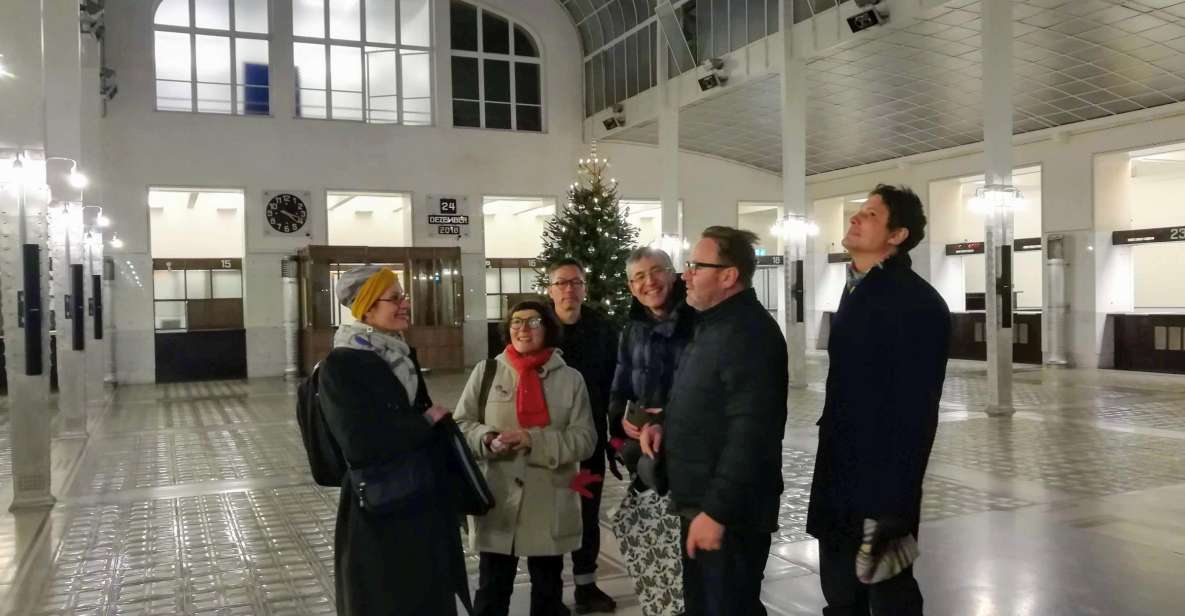
This tour makes one key point early: Vienna didn’t build its metro just to move people. Late-19th-century Vienna was growing fast, and leaders wanted a modern transit system that could connect the suburbs to the center along the Ringstrasse. That’s where Otto Wagner comes in, because he was asked to design lines that felt both practical and unmistakably Viennese.
What I like about this approach is that it treats architecture as public messaging. Art Nouveau here isn’t only flowers in plaster. It’s about style that says Vienna is cosmopolitan, modern, and confident, even when critics grumble about budgets or taste.
You’ll learn that Wagner’s goal was iconographic design: forms you can recognize at a glance. As you walk, the guide steers you to notice how materials and shapes do the heavy lifting, so the stations feel intentional rather than accidental.
You can also read our reviews of more walking tours in Vienna
Meeting at Café Museum and getting your walking rhythm
You meet at Café Museum, Operngasse 7 (A-1010 Vienna). This matters because it puts you near the start of the design story, before you jump into the metro-world details. From there, the tone is walk-and-look, not lecture-and-sit.
Expect a solid amount of walking. Even with metro use at the right moments, the experience leans active, so it’s a good pick when you’re comfortable with several hours outdoors. If you’re the type who likes to stop for photos but also follow the guide’s flow, this tour fits well.
Group size can be small or private. That’s a real advantage for architecture tours, because you can ask focused questions and get answers that point back to what you’re seeing in front of you.
Karlsplatz pavillon and the small Wagner museum stop
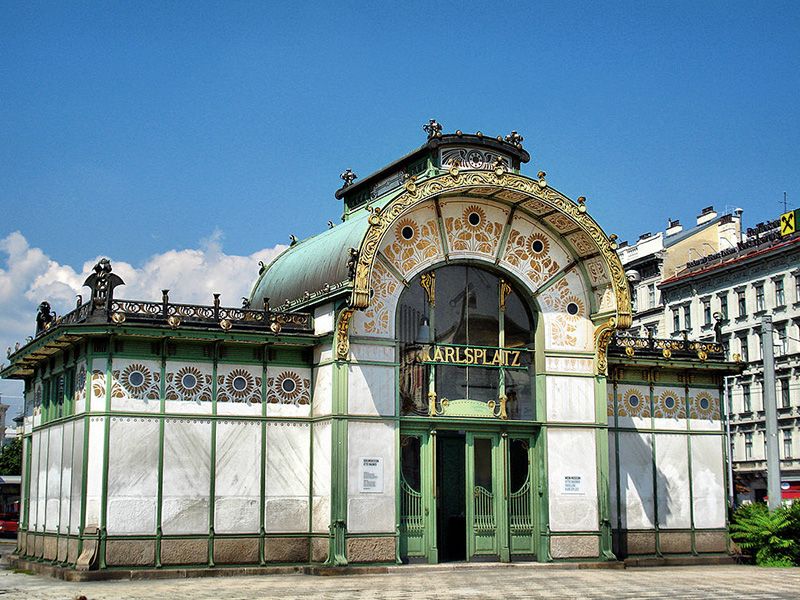
Your first design anchor is the Otto Wagner pavilion at Karlsplatz. This is the kind of meeting point Art Nouveau made for: elegant and purposeful, not tucked away. The tour includes a guided visit around this area, and the pavilion ties directly into Wagner’s bigger mission for the city.
There’s also a small Wagner museum stop at Karlsplatz during the tour. One practical note: admission isn’t included. So if you know you want extra time inside, you can plan your budget early and avoid the awkward scramble right at the door.
What the guide typically does well here is connect the dots: why Wagner’s choices look “international” but still feel Viennese. You’ll hear how the Art Nouveau look wasn’t just fashion—it came with ideas about how modern life should look.
Secession House: where the ideology shows up in the façade
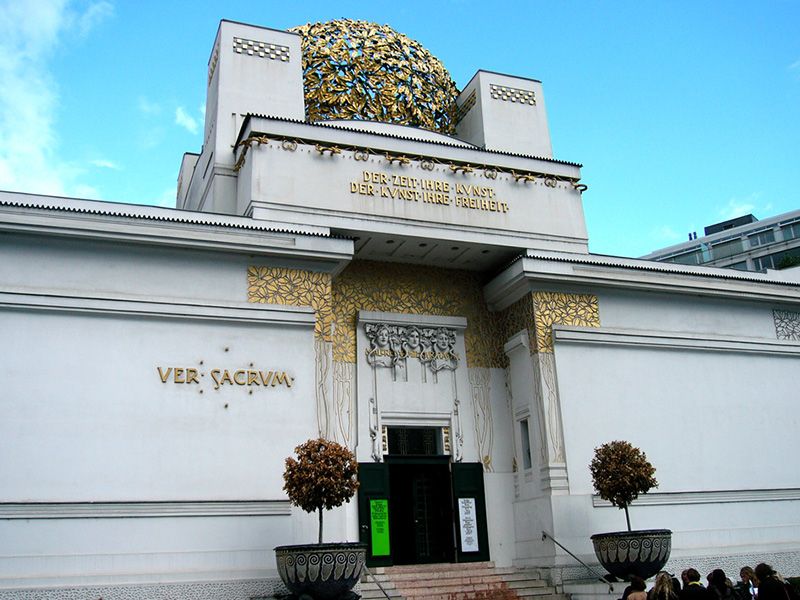
Next comes one of Vienna’s most famous Jugendstil statements: the Secession House. This building is presented as an icon of Viennese Art Nouveau, and it earns that reputation fast when you’re standing close enough to see the details.
On Tuesday to Sunday, the tour is timed so you can see Gustav Klimt’s Beethoven Frieze inside the Secession House. Tickets are not included, so plan for the extra cost if you’re traveling on those days. If you’re traveling on another day, you can still expect the Secession stop, just without the specific frieze timing guarantee.
This is also where the tour starts talking ideology, not only style. You’ll consider the symbols and materials that Art Nouveau artists favored and why they used them. The idea is to help you read what you’re seeing, so later you can look at another Jugendstil building and recognize the pattern yourself.
Stadtpark station: best-preserved and still part of daily life
After Karlsplatz, you move toward Stadtpark station, described as the best-preserved of the original metro stations still in use. That’s a big deal. You’re not only viewing a museum replica; you’re watching a design that stayed in working rotation.
This stop is where the tour becomes practical for how you travel in Vienna. Once you see how the station looks and how it was meant to be identified, you get a better sense of how Wagner treated transit as part of the public realm. You’ll likely notice how the design language guides attention through materials, surfaces, and structure—not just decoration.
If you want a quick lesson in what to look for, this is it. The guide helps you spot the design choices that make Jugendstil feel modern rather than nostalgic, and you’ll leave with a short checklist for future architecture walks.

Kettenbrücke station and Otto Wagner’s apartment-house clues
Then it’s on to Kettenbrücke station as your next metro stop. Stations here work like book chapters: each one reinforces the same Art Nouveau logic, but you learn to spot what changes and what stays consistent.
On the way, you’ll also stop for other iconic architecture, including the Sezession House (again, as a key visual reference) and two beautiful apartment houses designed by Otto Wagner. Those apartments are important because they show how Wagner’s design thinking wasn’t limited to transit. He brought the same urban ideas into everyday housing, which is exactly how you understand a movement: it shows up where people live, work, and ride.
This is also a good section for asking questions. In smaller groups, guides often tailor the focus. One guide named Wolfgang has been reported to adapt the tour based on what the group wants to see, and that flexibility can turn this into a more personal architecture lesson rather than a fixed script.
The emperor’s station outside Schönbrunn: art with a political job
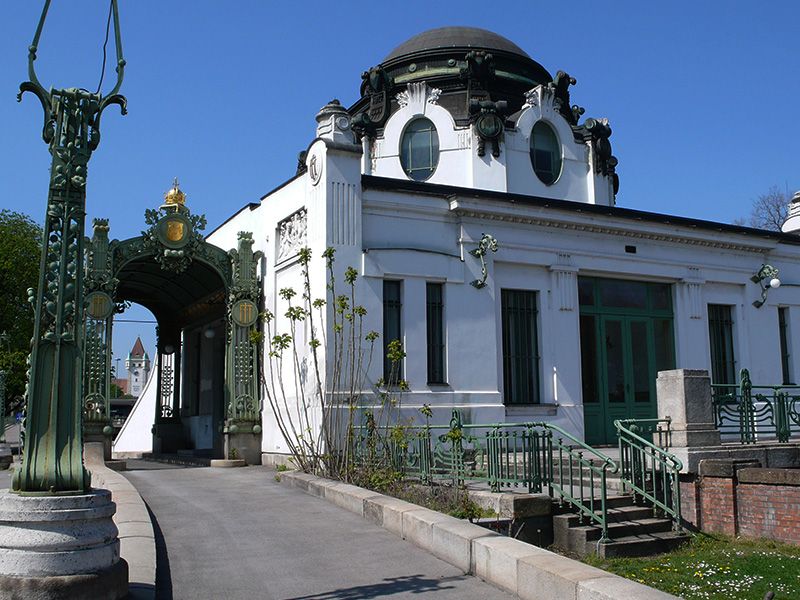
The final portion leans into a fascinating twist: the imperial station was built outside Schönbrunn solely for the emperor to use. That detail changes the way you look at the architecture, because it suggests a purpose beyond public convenience.
The “why” is explained too. The station had symbolic meaning, intended to show critics that the emperor supported the metro line. In other words, the design also had to perform. It wasn’t enough for the system to work—it had to convince people that Vienna’s ruler backed the project.
Wagner’s challenge here was how to translate a typically bourgeois Art Nouveau style into something that feels like imperial grandiosity. As you stand around this area, you’ll get a clearer sense of how style can be propaganda without turning into cheap theater. It’s architecture as persuasion, built into the plan, not added later.
Österreichische Postsparkasse and more Wagner-world context
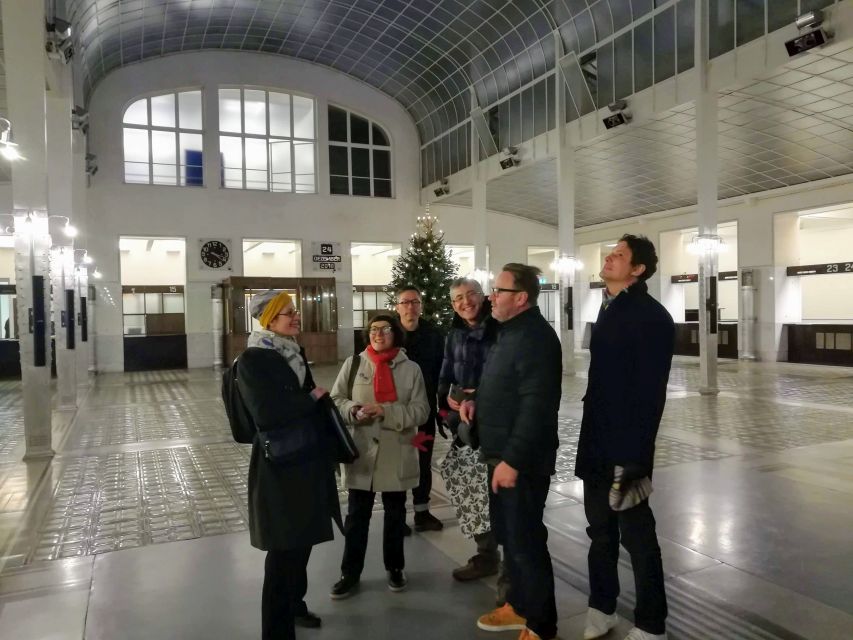
The tour also includes a guided stop at Österreichische Postsparkasse. That’s a smart addition because it keeps you in the same creative ecosystem. If you only saw stations and the Secession House, you might feel like Jugendstil was limited to cultural landmarks. This stop helps show the broader city footprint of the same design logic.
Even if you’re not hunting for every tiny detail, you can still learn how the guide interprets what you’re looking at. The goal here is to train your eye: once you understand why certain materials and shapes were used, you’ll start seeing similar choices in other parts of Vienna.
Value for $176: what you’re paying for and what to budget
At $176 per person for a roughly 3-hour experience, you’re paying for a historian guide plus focused access to several high-impact architectural sites. That pricing can feel steep at first, until you remember that art-and-architecture walking tours only work when someone can point out what matters.
A big part of the value is interpretation. The guide isn’t only telling you what a building is called; they’re teaching you how to look—symbols, materials, and the ideological underpinnings of Jugendstil. That’s exactly why this tour tends to work for both first-timers and people who already know Vienna’s architecture names.
Just budget for extras. Otto Wagner Pavillon admission isn’t included, and Secession House entry is extra. On Tuesday to Sunday, the frieze visit means the entrance fee matters even more. If you’re traveling with flexibility, the pay-later booking option can help you lock in a spot without rushing your whole schedule.
Who should book this Art Nouveau metro walk
This tour is a strong fit if you want architecture that connects directly to how a city actually functions. You’ll get metro design as a story of modern Vienna, then follow that idea through some of the movement’s best-known buildings.
It’s also a good choice if you like guides who answer questions beyond the basics. For example, one guide named Peter has been described as answering lots of questions about Austrian history and pointing out hidden layers in the urban fabric, including houses of worship such as Jewish synagogues. Even if the exact sites aren’t the same for every group, that style of guiding tends to make your walk more rewarding.
If you’re looking for a relaxed, mostly-sit-down tour, you might find the walking and stop rhythm a bit more energetic than you want.
Should you book this Vienna Art Nouveau walking tour?
I think it’s worth booking if you’re excited by the idea that transit can be a design statement, and you want to see Vienna’s Jugendstil where it actually lives—stations, façades, and real city streets. If you’re already planning to spend time in the center and want a structured way to understand Otto Wagner’s role, this tour gives you a clear route and a guide who helps you read what you’re seeing.
Before you go, check your calendar for Tuesday to Sunday if the Klimt Beethoven Frieze is a must. Also budget separately for admissions where needed, so you don’t lose time in the moment.
If that sounds like your kind of trip, this is a smart way to turn Vienna’s Art Nouveau look into a real, memorable understanding.
FAQ
How long is the Vienna Art Nouveau walking tour?
The tour lasts about 3 hours.
Where does the tour start?
The meeting point is Café Museum, Operngasse 7, A-1010 Vienna.
What is included in the tour price?
The tour includes the 3-hour guided experience with a historian guide.
Are tickets for the Otto Wagner Pavillon and the Secession House included?
No. Admission to the Otto Wagner Pavillon is not included, and Secession House admission is also not included (with listed prices for adults, students, and seniors).
When can you see Klimt’s Beethoven Frieze?
If your tour runs Tuesday to Sunday, you visit the Secession House to see Klimt’s Beethoven Frieze. The entrance fee is not included.
Does the tour visit Vienna metro stations?
Yes. You visit two of the remaining stations and also make a metro visit for the final stop associated with the emperor’s station.