REVIEW · VIENNA
Vienna: Kunsthistorisches Museum Guided Tour incl. admission
Book on GetYourGuide →Operated by Vienna à la carte · Bookable on GetYourGuide
Vienna’s art hits differently in this museum. I love how this small-group guided tour keeps the pace smart while you see major old masters fast. You also get the fun, weird side of the collection in the Kunstkammer, where objects feel like they were saved for a reason. One drawback: it’s not ideal if you need wheelchair access, since the tour isn’t suitable for mobility impairments.
In about 135 minutes, you’ll move through two key parts of the museum with a professional guide and skip long ticket lines. The group stays under 15, which is rare for a place this famous. When the group is tiny, you can get more direct answers, and the whole experience feels more like a focused conversation than a rush-through.
After the tour, you’re free to stay and wander the rest of the museum at your own pace. That’s a big deal here, because Kunsthistorisches Museum isn’t just paintings—there are serious galleries for ancient Greek, Roman, and Egyptian art too. If you’re the type who loves to linger, plan extra time beyond the tour.
In This Review
- Key highlights that make this tour worth it
- Kunsthistorisches Museum’s building-first magic
- Small-group skip-the-line: what you gain with 15 people max
- Your 135-minute route: how the guide shapes what you notice
- Picture Gallery highlights: Raphael to Rembrandt, with meaning
- Caravaggio and Vermeer: two stops that repay attention
- Kunstkammer time: the odd, rare, and oddly fascinating
- After the tour: how to use your free time smartly
- Meeting point details that save you time (and stress)
- Price and value: is $116 fair for this experience?
- Who this guided Kunsthistorisches Museum tour fits best
- Booking advice: what to do before you go
- Should you book this Kunsthistorisches Museum guided tour?
- FAQ
- How long is the Kunsthistorisches Museum guided tour?
- What’s the group size limit?
- What language is the tour in?
- Where do I meet the guide?
- Can I take photos in the museum?
- Is the tour wheelchair accessible or suitable for mobility impairments?
- Can I cancel and get a full refund?
Key highlights that make this tour worth it
- Skip-the-line entry so you spend time looking, not queuing.
- Two focused exhibitions in one session with time-managed highlights.
- Old masters that actually anchor the story, including Raphael, Rembrandt, Vermeer, Breughel, Rubens, and more.
- Kunstkammer curiosities like Cellini’s golden Saliera and the Madonna of Krumau.
- High-impact works in a short window, with stops featuring Caravaggio’s Crowning with the Thorns and Vermeer’s The Art of Painting.
- Guides with real personality, including names like Cornelia, Dieter (also spelled Deter), Achim, Brenda, and Tolga—each bringing a slightly different way to explain what you’re seeing.
Kunsthistorisches Museum’s building-first magic
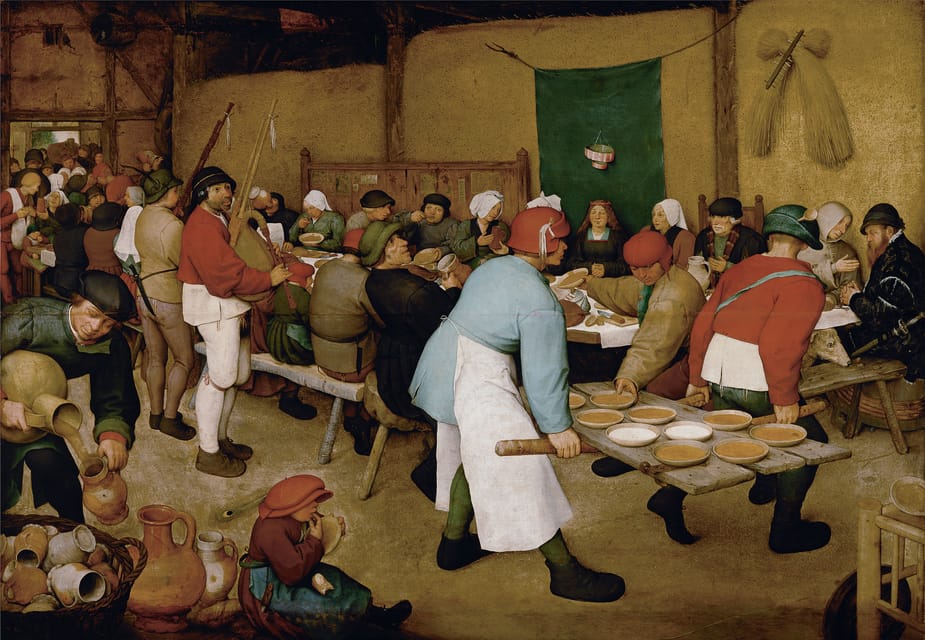
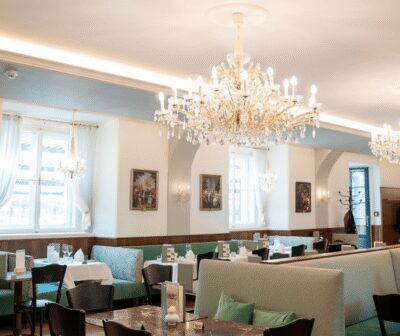
Kunsthistorisches Museum is one of those places where the architecture tells you what kind of museum it wants to be: grand, orderly, and built for looking slowly. Before you even reach the most famous canvases, you’ll feel how the museum was designed to hold big collections together—paintings, sculpture, decorative arts, and those strange “why does this even exist?” artifacts.
This tour is structured to take advantage of that layout. You’re not just grabbing a handful of famous names; you’re seeing how the museum’s sections connect. That matters because many visitors bounce between rooms without a framework, then leave feeling impressed but slightly unorganized. With a guide, you get a clearer sense of what each room is trying to teach.
You can also read our reviews of more guided tours in Vienna

Small-group skip-the-line: what you gain with 15 people max
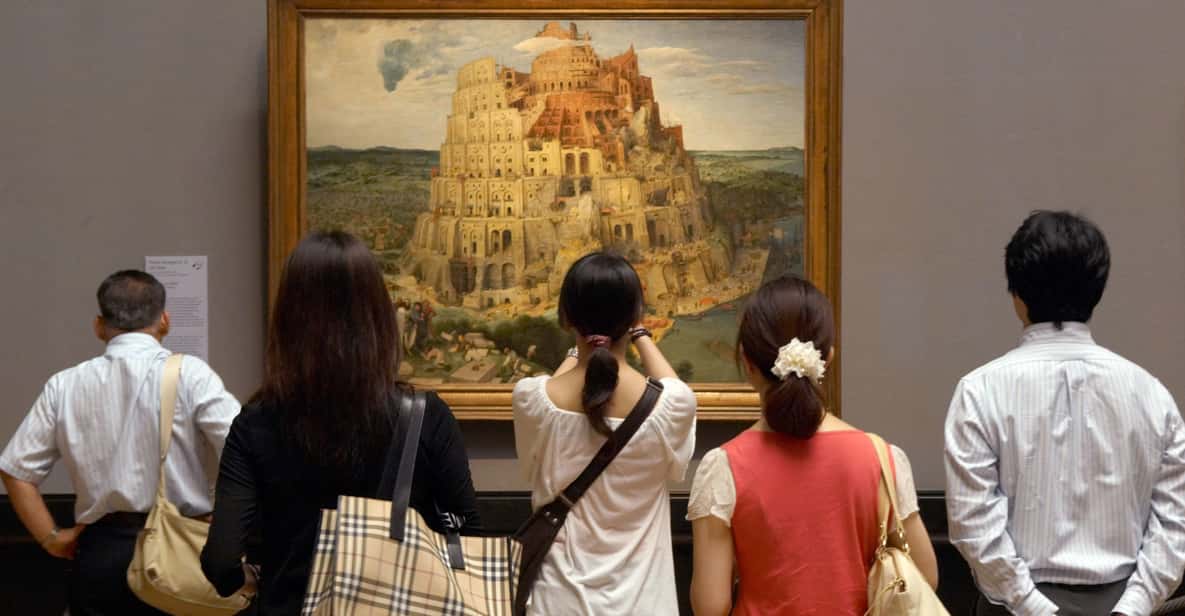
The biggest practical win is the small group size. With a maximum of 15 guests, you can actually hear the guide and stand at an angle that lets you see the painting without constant shuffling. If you’ve ever been trapped in a crowd in a museum gallery, you know why that matters.
Then there’s the skip-the-line element. Kunsthistorisches Museum can be busy, and ticket queues waste your energy before the art. Here, you enter more efficiently and start your guided route earlier, which helps you stay focused for the full 2 to 2.5 hours.
Also, you’re in English with a live guide. Guides like Cornelia, Dieter, and Achim are repeatedly praised for making the experience engaging and for choosing highlights with an eye toward what most people can appreciate in a limited time.
Your 135-minute route: how the guide shapes what you notice
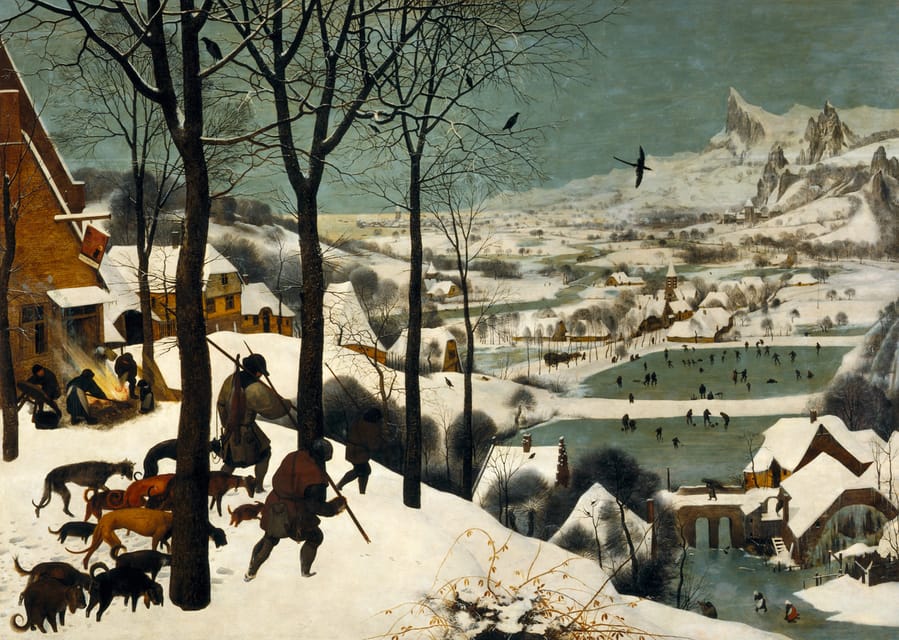
You’ll spend roughly 135 minutes on a guided experience of two key exhibitions, with admission included. The best way to think about this: the guide acts like a map, and you do the rest of the seeing.
That’s especially important for a museum like this. The collection spans eras and styles, and it’s easy to get lost in the sheer quantity. A good guide helps you notice the details that separate a “famous painting” from a understanding-the-art moment—light, composition, symbolism, and technique.
Even better, the pace is built around staying human: not dragging you from one room to another every five minutes. It’s enough time to absorb big names, and still quick enough that you can enjoy the rest of the museum afterward.
Picture Gallery highlights: Raphael to Rembrandt, with meaning
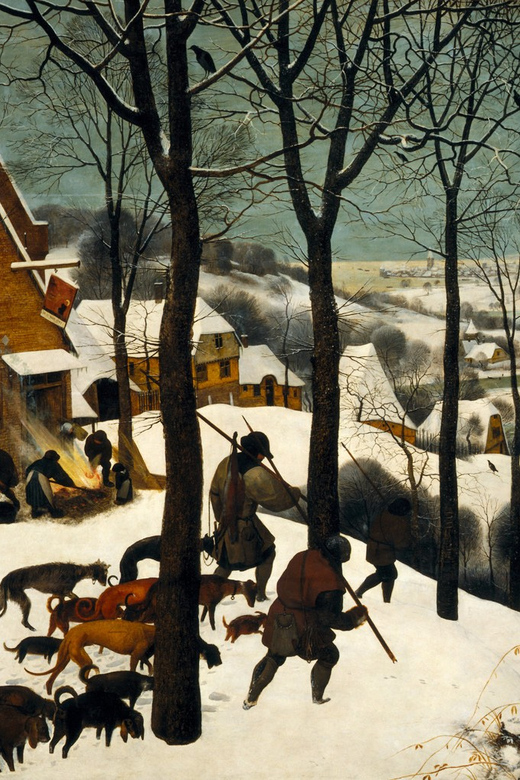
The guided portion focuses heavily on the museum’s old master picture collection, with major works that act like anchors. When you’re short on time in Vienna, this is the smart approach: you don’t have to see everything. You just need to see what turns the art history into something you can remember.
Here are some of the highlights you should be ready to look for:
- Raphael’s Madonna of the Meadow: expect a more serene, carefully arranged devotional scene. Raphael is a great artist to see with guidance because the calm structure is doing more work than it first appears.
- Rembrandt’s Self Portrait: this kind of painting rewards attention to expression and texture. A guide helps you connect the face to Rembrandt’s broader approach—how light shapes mood.
- Albrecht Dürer’s Avarice: this isn’t just a moral lesson; it’s about how objects and faces tell a story. Guidance helps you read what you’re staring at.
- Rubens’ Assumption: Rubens often feels dramatic and expansive, and seeing it in context helps you understand how he built energy into religious scenes.
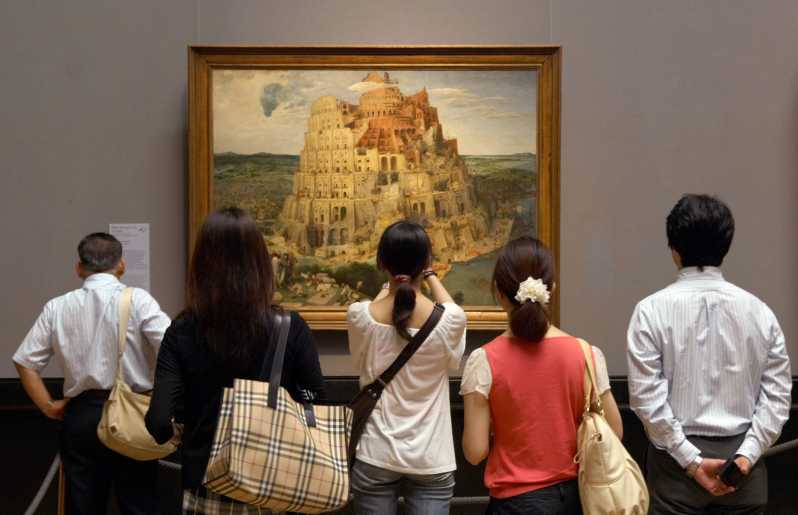
- Breughel’s Tower of Babel: this is one of those works where your eyes start to wander—then realize the entire painting is built to reward that wandering.
- Vermeer’s The Art of Painting: Vermeer is perfect for a guided moment because you can learn what to look for in the way he stages art itself.
- Caravaggio’s Crowning with the Thorns: Caravaggio tends to grab people immediately, but guidance helps you slow down and notice how the drama is manufactured.
Guides often do more than point. They connect the works to why they were made, how they fit into broader traditions, and what makes each artist’s approach distinct. You’ll also get a timeline feel as you move, even though you’re seeing just a curated slice.
Caravaggio and Vermeer: two stops that repay attention
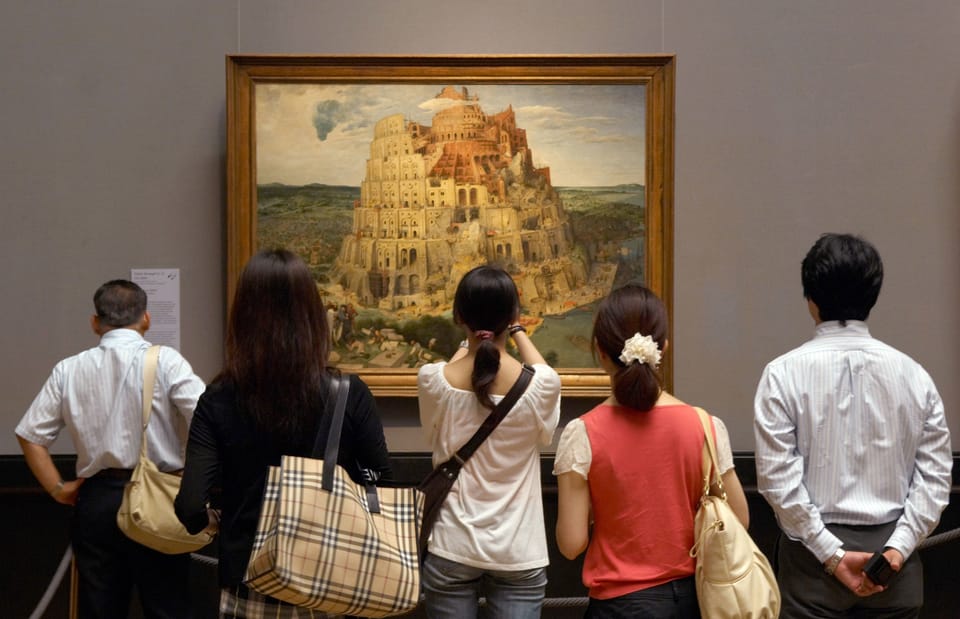
If you love art, two moments here can become your “main event”: Caravaggio’s Crowning with the Thorns and Vermeer’s The Art of Painting.
Caravaggio’s work often feels like it’s pushing out of the canvas. With a guide, you’re more likely to notice the mechanics—how darkness, gesture, and lighting combine to make the scene feel tense rather than just dramatic.
Vermeer’s The Art of Painting is different. It’s about representation itself, which means you get a chance to think about how art is made and displayed. When you see it with explanation, you’re not only admiring the surface; you’re learning why the painting is constructed the way it is.
Even if you’re not an art expert, these two stops are great for turning your visit from “I liked it” into “I get it.”
You can also read our reviews of more museum experiences in Vienna





Kunstkammer time: the odd, rare, and oddly fascinating
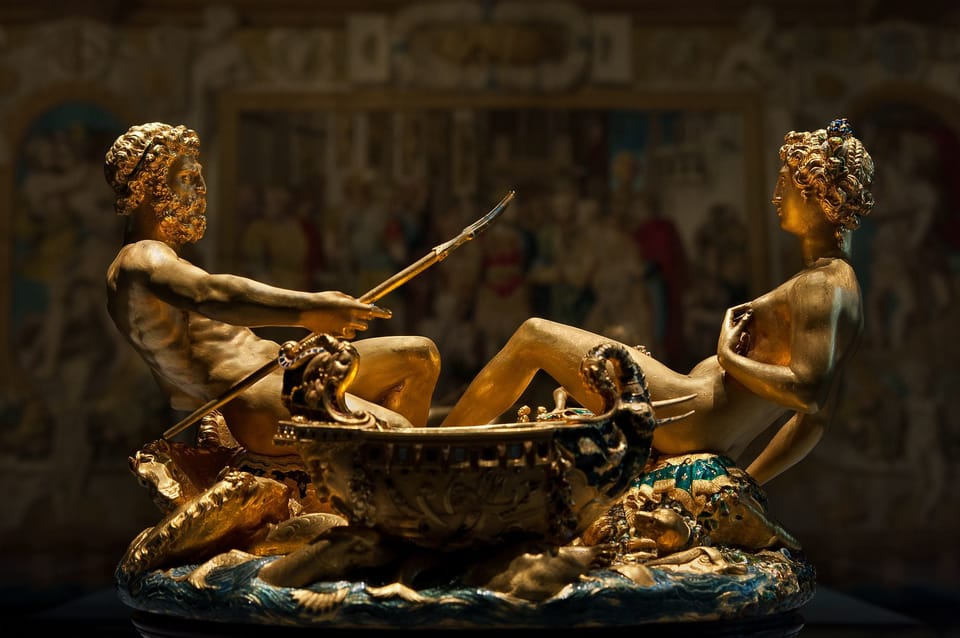
After the picture-focused portion, you’ll also see the Kunstkammer—the museum’s cabinet of curiosities style collection. This is the part that often surprises people most, because it’s not strictly about painting skill. It’s about craftsmanship, design, materials, and the cultural imagination behind collecting rare objects.
Two items to look for in this tour:
- Cellini’s golden Saliera: a famous piece because it’s a technical marvel and also a political/cultural statement in metal and function. Seeing it with guidance helps you understand why an object like this would matter to collectors.
- The Madonna of Krumau: it’s the kind of devotional object that can feel both intimate and mysterious, depending on what you’re noticing.
You might also encounter other rare or unusual pieces depending on the museum’s current display condition. The tour highlights these items as major “wow” stops, but the Kunstkammer experience is really about learning to look at objects like art too.
After the tour: how to use your free time smartly
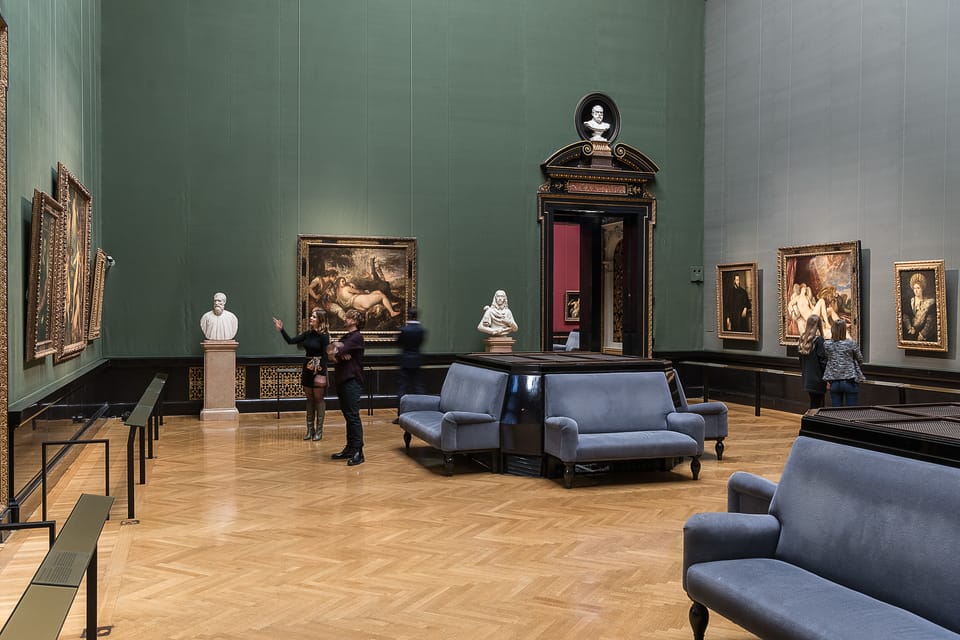
Once your guided session ends, you can stay in the museum and explore what you skipped. This is where you decide what kind of visitor you are.
If you’re painting-focused, you can re-visit the galleries that grabbed you during the tour. Use the guide’s structure as your shortcut: you’ll know what to seek because the route already taught you how to read the collection.
If you want variety, spend time in areas that cover ancient Greek, Roman, and Egyptian art. The museum holds those collections too, and it’s a nice change of pace after focusing so long on early modern European works. Even a short wander here can make your visit feel like a complete “museum day,” not just a highlights sprint.
Practical tip: plan for time to sit down for a minute. In a museum this big, your eyes need recovery time. If you don’t, the last rooms start to feel like blur.
Meeting point details that save you time (and stress)

You’ll meet outside the museum at the right end of the stairs leading up to the entrance, next to the group ticket counter labeled Container 2. Your guide will wear a red-white-red badge with the inscription Austria Guide.
Arrive at least 15 minutes early. This doesn’t just help you find the right group—it also gives you a buffer if you’re coming from another part of the city and walking faster than you planned.
And one more practical note: umbrellas, backpacks, and raincoats have to be left in the cloakroom, so travel light if you can. It makes your entry smoother and less frantic.
Price and value: is $116 fair for this experience?
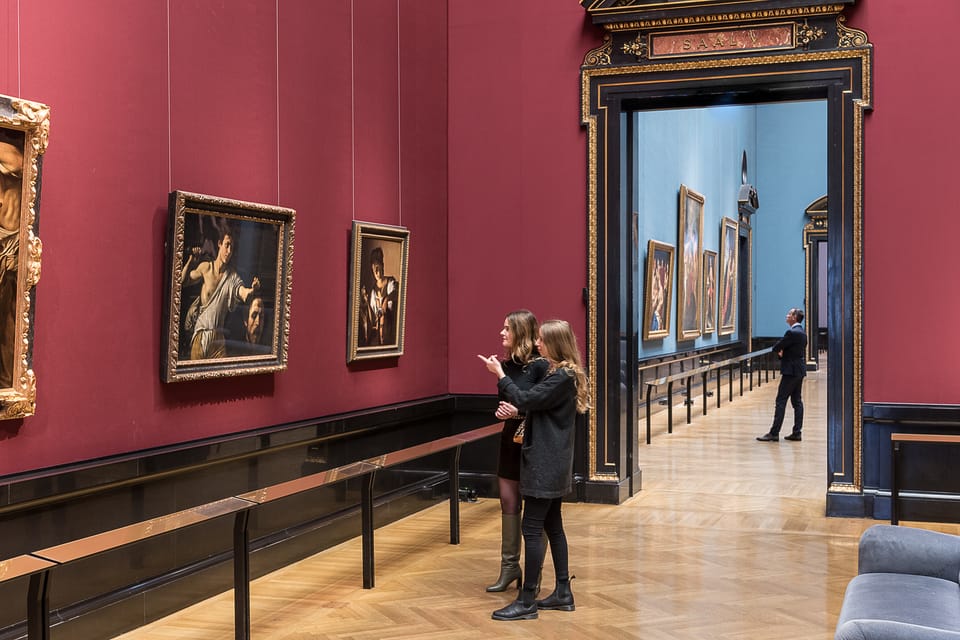
At $116 per person, the value comes from what’s included: a professional guide, a small group (max 15), entrance fees, and time saved by skip-the-line entry. This isn’t just a ticket with a label; it’s guided time in a top-tier museum where the difference between self-guided and guided is often how clearly you understand what you’re looking at.
Two things make the price feel more reasonable:
- The tour targets a tight window—about 135 minutes—so you’re getting efficient coverage of high-impact works.
- You’re allowed to stay afterward, which stretches the value beyond the guided portion.
If you’re the type who loves art enough to keep wandering after the tour, you’ll feel like you “won” the spend. If you only want a casual look and you’re comfortable reading museum labels yourself, the cost might feel less justified.
Who this guided Kunsthistorisches Museum tour fits best
This is a strong match if you want:
- A curated route through major old master works like Caravaggio, Vermeer, Rembrandt, Raphael, Breughel, and Rubens.
- The balance of paintings plus the Kunstkammer oddities.
- A small group experience where you can actually hear the guide and ask questions.
It may not be ideal if you need wheelchair access, since the tour is not suitable for people with mobility impairments or wheelchair users. Also keep in mind that the museum security rules apply—especially for kids.
For families: all guests aged 0 to 18 must bring valid photo ID for security checks.
If you’re traveling solo or as a couple, you may end up with a much smaller group than the maximum, and that often means more pacing flexibility and more direct guidance.
Booking advice: what to do before you go
To get the most out of this tour, I’d do two things ahead of time:
- Pick what kind of art you want to prioritize. If your focus is painting, know the names above so you can track them. If you’re more of an objects person, be ready for the Kunstkammer surprises.
- Wear comfortable shoes and plan to move. Even with a guided route, you’ll be standing and walking enough to feel it.
And on the day of: don’t show up rushed. Meeting early helps you settle in before the guide starts.
Should you book this Kunsthistorisches Museum guided tour?
If Kunsthistorisches Museum is on your Vienna list and you don’t want to spend your day wondering what to look at first, I’d book this. The small-group limit, skip-the-line access, and the mix of big paintings plus Kunstkammer rarities make it a smart way to turn a famous museum into an actually memorable one.
I’d skip or consider an alternative if you only want a self-paced browse, or if mobility needs make this tour hard to navigate.
Otherwise, this is a solid value play: you pay for guidance and entry, then you keep the benefits by staying longer on your own.
FAQ
How long is the Kunsthistorisches Museum guided tour?
The tour lasts 135 minutes.
What’s the group size limit?
The group size is never more than 15 guests.
What language is the tour in?
The tour is conducted in English.
Where do I meet the guide?
Meet at Kunsthistorisches Museum Wien, Maria-Theresien-Platz, 1010 Wien, outside the museum at the right end of the stairs leading up to the entrance next to the group ticket counter (Container 2). Arrive at least 15 minutes early.
Can I take photos in the museum?
Yes, photos are permitted without flash.
Is the tour wheelchair accessible or suitable for mobility impairments?
No. This tour is not suitable for people with mobility impairments or wheelchair users.
Can I cancel and get a full refund?
Yes. You can cancel up to 24 hours in advance for a full refund.