REVIEW · VIENNA
Vienna: City Center Guided Walking Tour
Book on GetYourGuide →Operated by Schärf Baltikum Reisen e.U · Bookable on GetYourGuide
Vienna can feel big and confusing fast. This small-group walking tour gives you a clear route through the imperial center, with just enough story to make the landmarks click.
I really like two things about it: the headsets (so you don’t lose the guide’s voice in busy streets) and the way the stops connect big-name sites with personal details, like where Beethoven first conducted Eroica.
One thing to consider: it’s a moderate walk for about 150 minutes, and it isn’t suitable for people with mobility impairments. Wear good shoes and plan for time outdoors in every weather.
In This Review
- Key things you’ll notice
- Starting at Maria-Theresien-Platz: where your Vienna route actually begins
- Ring Road to Volksgarten and Heroes’ Square: big monuments, clean pacing
- Hofburg Palace and Burggarten: Habsburg power with breathing room
- Augustinerkirche: imperial weddings and Napoleon’s famous marriage
- Spanish Riding School and the Lipizzaner home: seeing tradition with context
- Opera House, Lobkowitz Palace, and Beethoven’s Eroica first conducting
- Sacher torte and coffee-house Vienna: the sweet side of the inner city
- Finishing near St. Stephen’s Cathedral: what you do next matters
- Guides, headsets, and small-group comfort that makes a difference
- Price and value: is $74 for 150 minutes worth it?
- Should you book this Vienna City Center Guided Walking Tour?
- FAQ
- How long is the Vienna city center guided walking tour?
- Where do I meet the guide?
- What language is the tour guide speaking?
- How big is the group?
- Are headsets provided?
- Is the tour mainly outdoors?
- Is this tour suitable for people with mobility impairments?
- Are entrance fees included?
- What stops and landmarks will I see on the walk?
- What is the cancellation policy?
Key things you’ll notice
- Maria-Theresien-Platz start makes it easy to orient yourself from day one
- Ring Road loop links the main monuments into one logical storyline
- Hofburg + Burggarten mixes power, private space, and formal gardens
- Spanish Riding School focus puts the Lipizzaners in context, not just on a poster
- Beethoven’s Eroica connection lands at Lobkowitz Palace for a memorable “wait, really?” moment
- Hotel Sacher and Graben give you the sweet-and-sparkly Vienna vibe without forcing extra museum time
Starting at Maria-Theresien-Platz: where your Vienna route actually begins
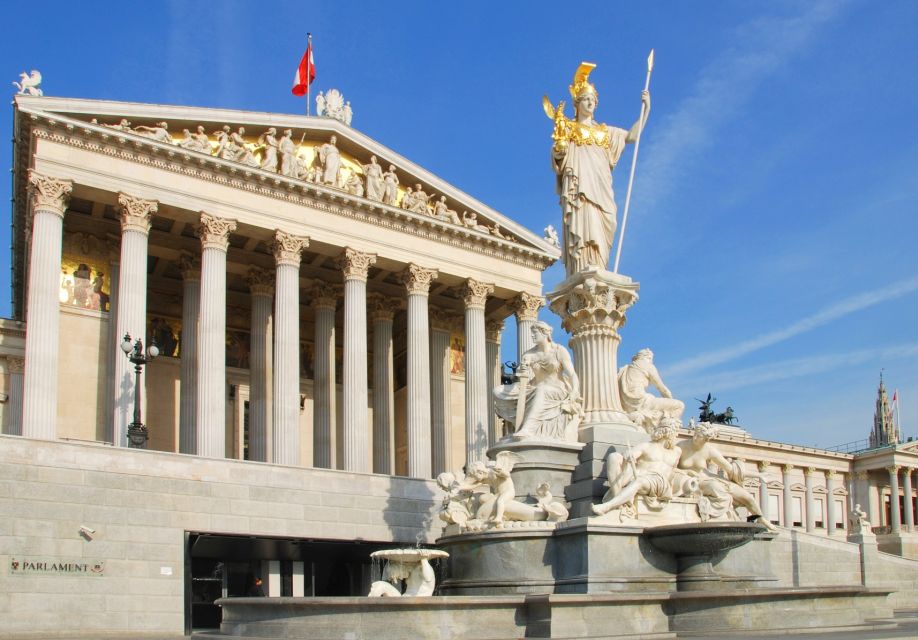
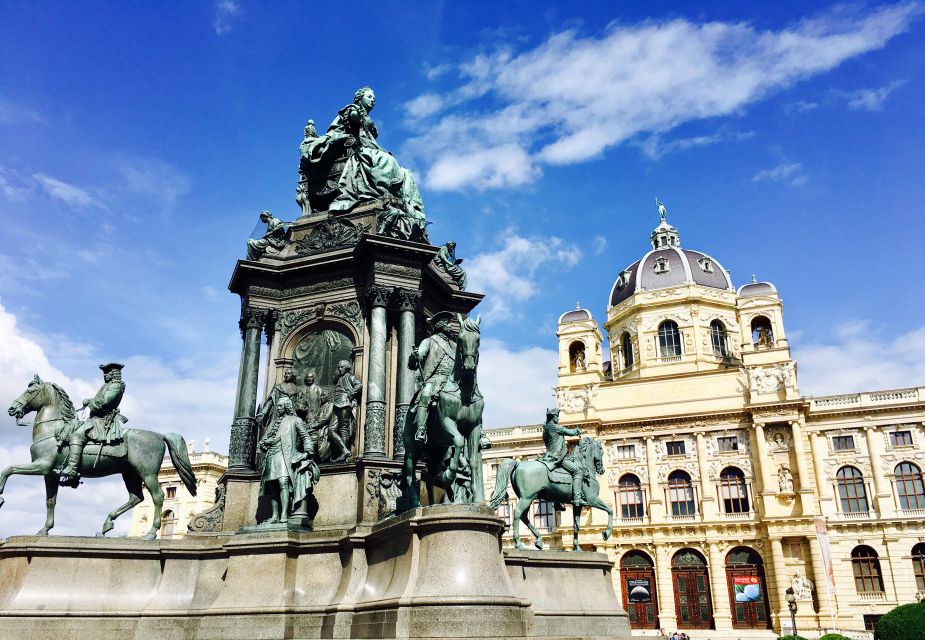
Your tour meets by the statue of Empress Maria Theresa on Maria-Theresien-Platz, on the side facing the Kunsthistorisches Museum and Naturhistorisches Museum. The guide holds a green sign reading Vienna City Walking Tour. It’s a smart start point: you’re already in the city’s grand “showcase” area, not hidden lanes.
If you’re using transit, the nearest metro stop is Station Volkstheater (U3). Tram stops include Burgring (lines D, 1, 2, and 71). Plan to arrive a little early—starting on time matters when you’re walking in a group.
This first stretch sets the tone. You’re not just looking at buildings; you’re learning how the city’s major pieces fit together. That matters in Vienna because so many landmarks are close, but the stories are spread across eras. A good route helps you remember what you saw—and why it mattered—without needing a museum ticket.
You can also read our reviews of more walking tours in Vienna

Ring Road to Volksgarten and Heroes’ Square: big monuments, clean pacing
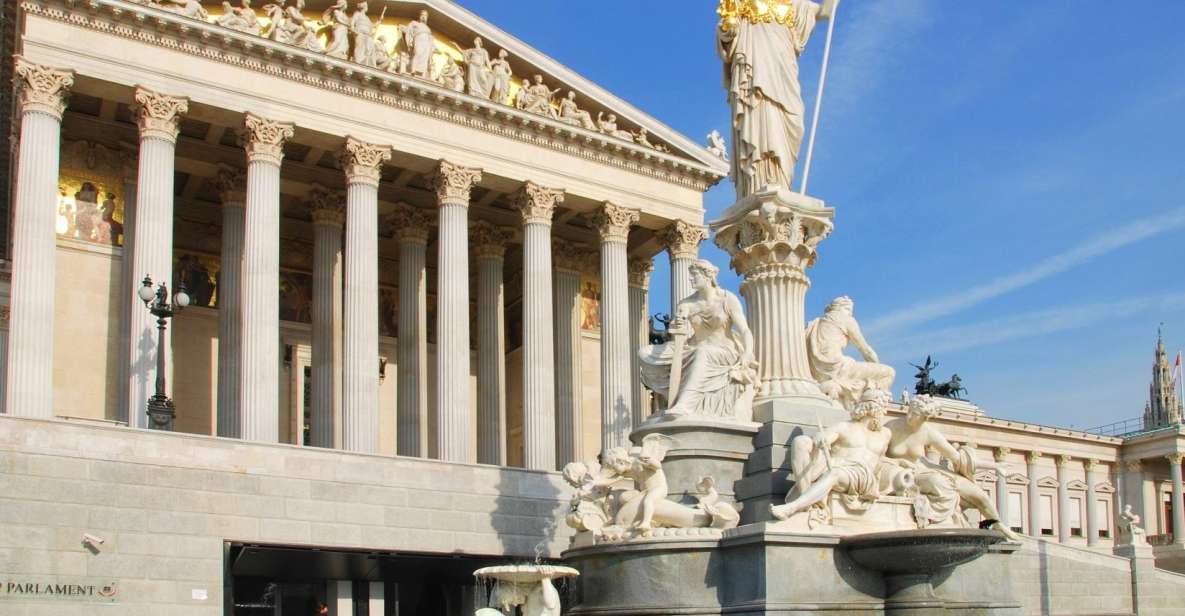
After you meet, you’ll walk along the famous Ring Road, the grand circular boulevard that frames Vienna’s historic center. The Ring Road is where Vienna’s “imperial scale” shows up fast: wide streets, monumental facades, and a feel that this city designed itself to impress.
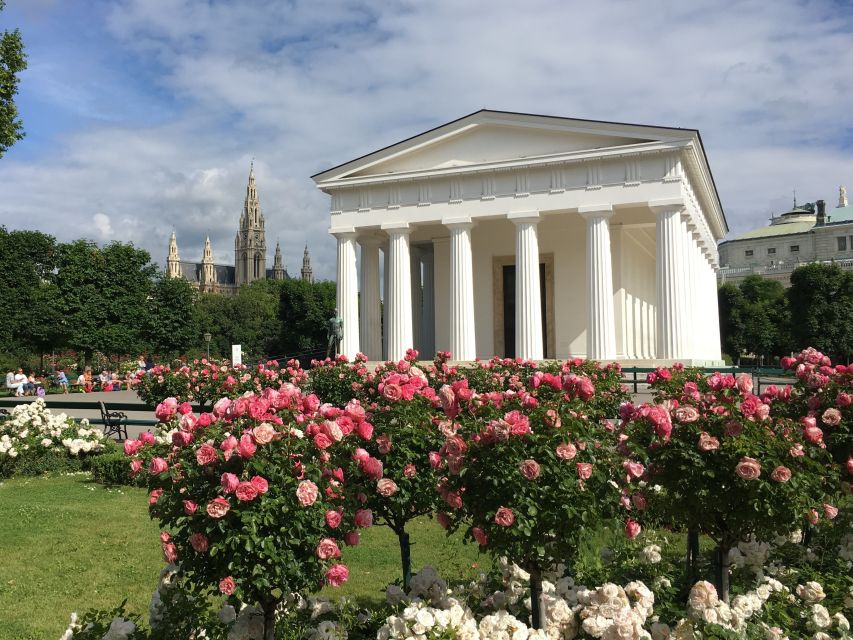
Then comes a more human pause in the Volksgarten rose garden. Even if you’re not a garden person, it’s useful. The greenery gives your brain a break before you hit the heavier imperial sites, and it also helps you understand how Vienna blended ceremony with leisure.
Next is Heroes’ Square, another “wow” stop. This is the kind of place where a guide’s storytelling pays off—because the statues and design aren’t just decoration. They reflect how Austria wanted to remember itself.
What you get here is orientation. By the time you reach the next stops, you’ll start seeing the city as a planned sequence, not a random collection of sights.
Hofburg Palace and Burggarten: Habsburg power with breathing room
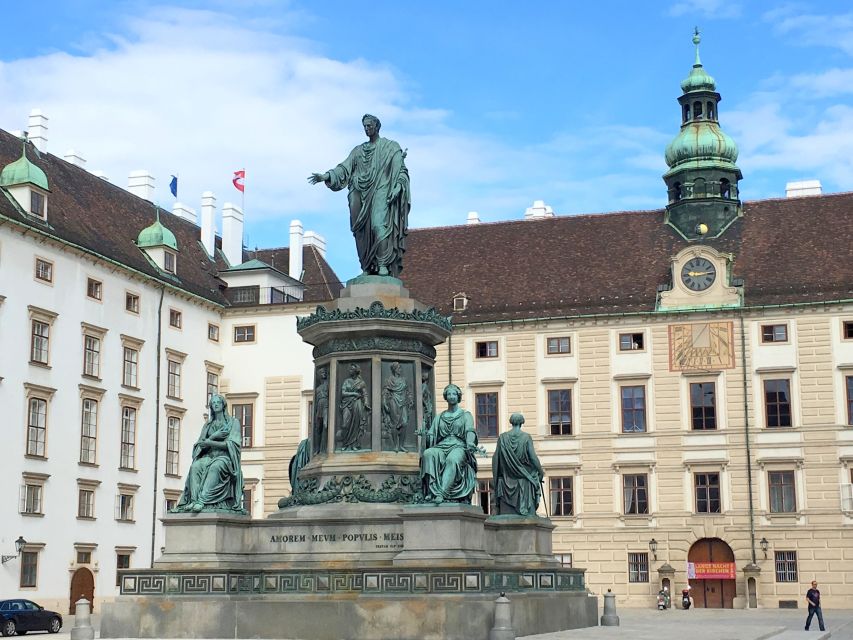
The tour’s heart is the Hofburg Palace, the imperial residence where the Habsburg family ruled. Hofburg is one of those places you can see and still not fully grasp unless someone connects the architecture to the people who lived there. This stop does that by shifting from stone-and-stories to how court life shaped Vienna.
You’ll also pass the emperor’s private garden area and the former butterfly house at the Burggarten. That mix is telling: Vienna’s imperial world wasn’t only grand halls and official ceremonies. There was also private space, controlled nature, and a sense of curated calm.
A practical note: this section can feel a bit “dense” in terms of information. The guide keeps it moving, but don’t be afraid to ask a question if something sparks your curiosity. Guides like Dace (who’s known for adding humour while staying organized) are especially good at making the details land without turning it into a lecture.
This part of the walk is also where headsets earn their keep. You’ll be close to other pedestrians, street noise, and passing traffic, and you’ll want every sentence.
Augustinerkirche: imperial weddings and Napoleon’s famous marriage
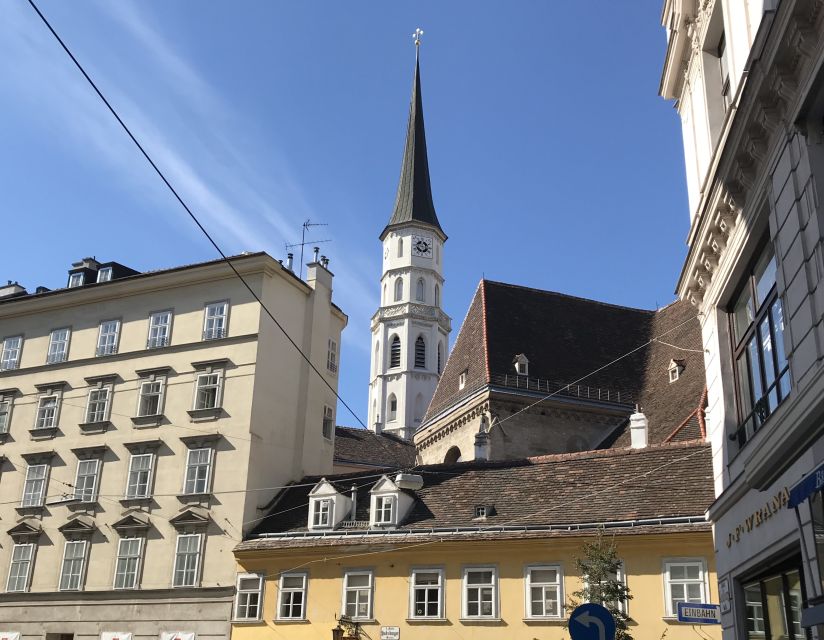
The next stop is the Augustinerkirche, a church tied to imperial life—especially weddings. The tour highlights how many imperial weddings took place here, which changes how you look at the building. It’s no longer just a pretty church on the way to something else.
One of the most striking stories connected to this site is that Napoleon married Princess Marie Louise there. That’s an unexpected crossover: Austrian imperial symbolism meets a French historical moment. It’s the kind of detail that makes the city feel larger than its own borders.
This stop is also a good “quiet reset.” You’ll likely pause longer here than at some purely exterior viewpoints, just because churches invite slower looking. If you like context with your walking, this is one of the more satisfying moments.
Spanish Riding School and the Lipizzaner home: seeing tradition with context
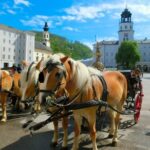
You’ll then reach the Spanish Riding School, specifically where the legendary Lipizzaner horses are based. Even if you’ve seen photos before, it’s worth seeing the setting in person. The tour frames it as more than a tourist attraction—this is a living tradition tied to imperial prestige and carefully preserved horsemanship.
The value here is perspective. If you only learn facts from a website, you might treat it like a standalone “thing to see.” With a guide, it becomes part of the same imperial map you’ve been building all along: courts, ceremonies, and the refined side of Vienna that extended beyond palaces and churches.
Also, it’s a relief that this section isn’t built around entrance tickets. You can still get meaningful value just by walking, listening, and looking.
You can also read our reviews of more guided tours in Vienna
Opera House, Lobkowitz Palace, and Beethoven’s Eroica first conducting
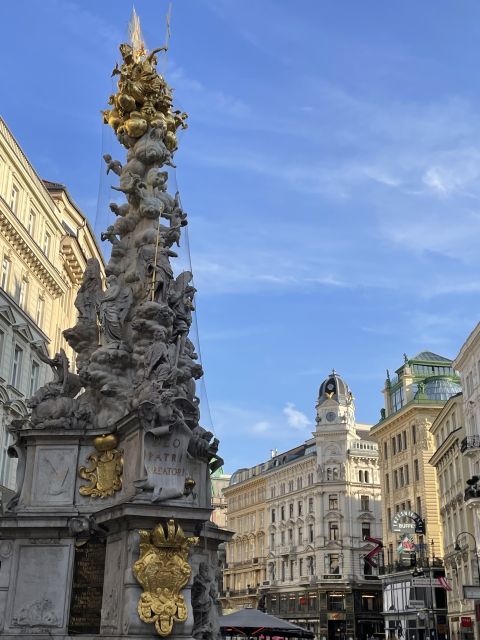
One of the tour’s best “story payoff” moments is tied to Lobkowitz Palace and Beethoven. You’ll also admire the Vienna State Opera House during the walk.
The big highlight: this is where Beethoven first conducted his symphony Eroica. Hearing that in the right location changes everything. Suddenly, the city isn’t just an architectural museum—it’s a place where music history happened in real time.
This stop works well for music lovers and non-music lovers alike. If you know Eroica, you’ll likely connect the drama of the music with the grandeur of the setting. If you don’t, the guide’s job is to make the reference understandable, so you still leave with something memorable, not just a name.
For me, this is the kind of detail that justifies paying for a guided walk instead of doing a DIY route. It turns scenery into a story you can retell later.
Sacher torte and coffee-house Vienna: the sweet side of the inner city
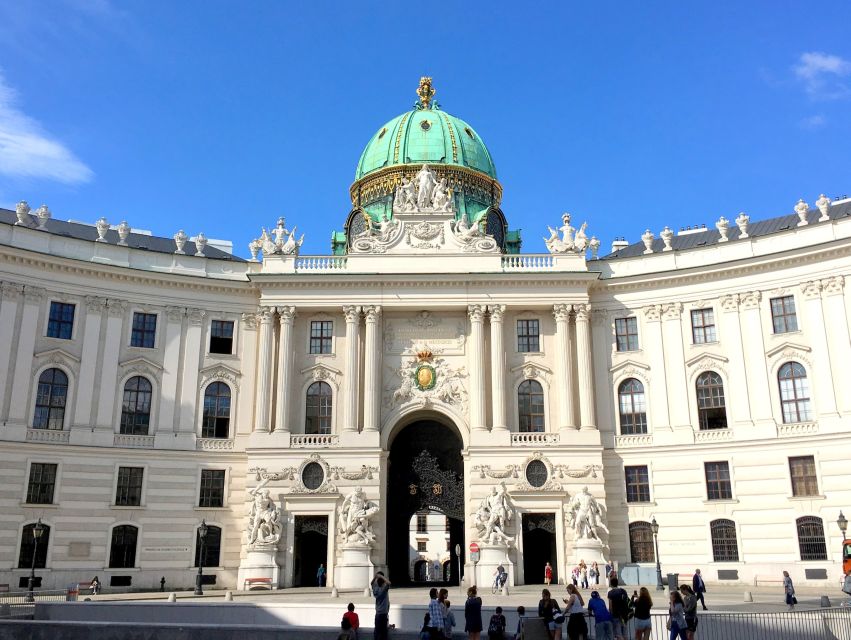
Vienna has a reputation for coffee houses, and this tour gives you a few elegant “coffee culture” moments without forcing you into a long sit-down.
You’ll pass some legendary places, including Hotel Sacher, where the famous sacher torte is still served. Even if you don’t stop for dessert (no pressure), it’s a fun waypoint. It’s also practical: once you know where it is, you can decide later if you want a slice on your schedule.
This part of the route continues toward the shopping street of Graben. That section helps you see the other side of Vienna’s center—less ceremonial, more everyday. After so many palaces and formal buildings, Graben feels like a release valve.
My practical advice: if the day is hot, plan to grab water on breaks. One guide experience shared by Alex highlights how he helped the group stay in shade and even checked in to refill water bottles. Use that as a cue—ask the guide for a short shade break if you need it. Vienna’s streets can be long when the sun hits the stone.
Finishing near St. Stephen’s Cathedral: what you do next matters
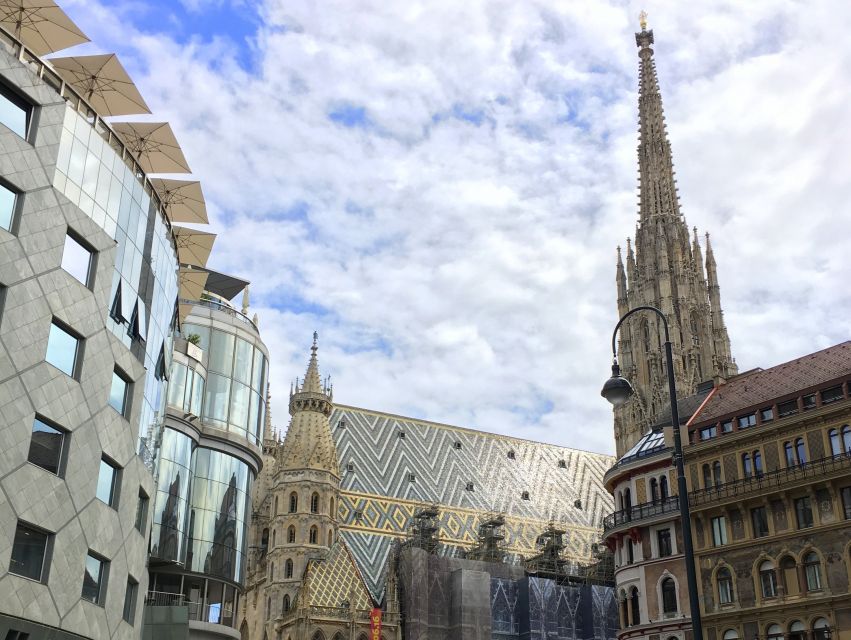
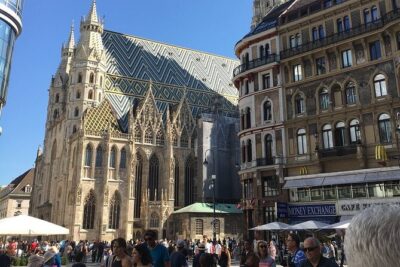
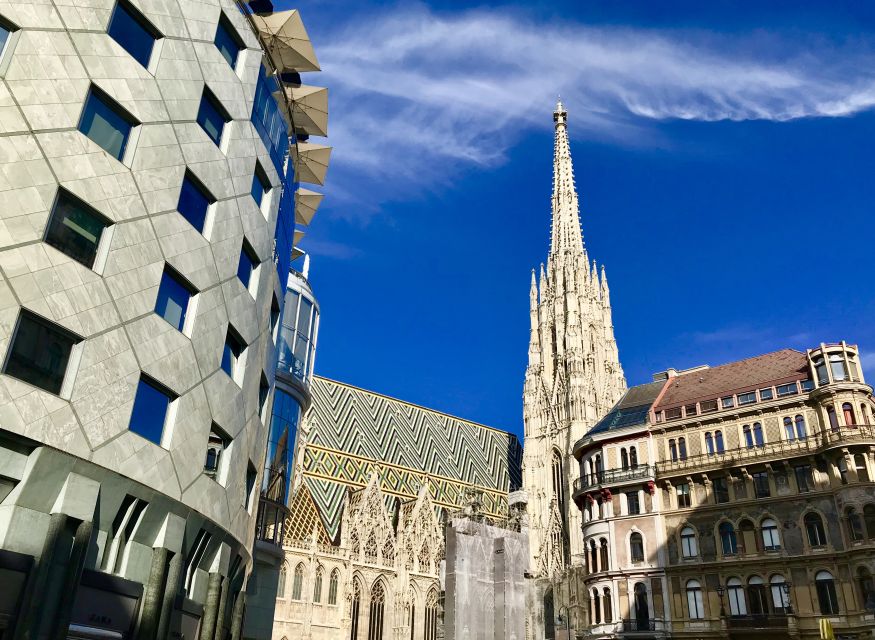
The tour ends next to St. Stephen’s Cathedral. That finish is smart because it’s one of the most recognizable places in Vienna, and from there you’re positioned to explore at your own pace.
If you’re new to the city, you can use this moment to steer your next day: you’ll know which neighborhoods and streets feel most your style—imperial grandeur, garden calm, music and arts, or shopping and café culture.
Also, ending near a major landmark helps solo travelers and small groups. You don’t feel stranded at the end of a walk; you’re dropped into an easy-to-navigate area with plenty of options around you.
Guides, headsets, and small-group comfort that makes a difference
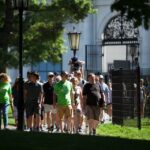
This tour runs with a small group of no more than 15 people, and it’s led in English by a licensed local guide. You’ll also get headsets, which is genuinely useful in Vienna’s inner streets where sound can bounce and conversations can get lost.
The tone matters too. Guides like Dace are praised for combining facts with humour, keeping it light while still covering major sites. Alex is mentioned for extra care during hot weather and for helpful advance communication (texting before the walk and waiting a few minutes if someone was late). That kind of organization makes the walk feel smooth instead of chaotic.
One more detail worth knowing: one group noted an unexpected audio element during the tour. You should expect mostly live guide narration, but don’t be surprised if there’s an occasional extra audio touch to reinforce a story.
Finally, remember the weather rule: the tour happens in every condition. Dress for it. In winter, the cold can feel extra sharp among tall buildings, so you’ll want layers. In warm months, build in water breaks and use shade when you can.
Price and value: is $74 for 150 minutes worth it?
At $74 per person for about 150 minutes, this is priced for convenience and context, not for museum entries. Entrance fees are not included, so you’re paying for a guided route and interpretation—not access to paid interiors.
Here’s the value logic:
- You get a compact overview of Vienna’s major imperial and cultural landmarks in one walk.
- The small-group size keeps it personal enough for questions.
- Headsets reduce the most common walking-tour frustration: straining to hear the guide.
If you’re visiting for the first time and want to understand what you’re seeing without spending hours building a DIY route, this kind of guided orientation is usually a good deal. If you’re the type who loves deep museum time, you’ll still likely want extra visits later—just don’t expect this walk to replace ticketed attractions.
For most people, the sweet spot is this: use the tour to build your map and your mental “story,” then choose the places you want to return to.
Should you book this Vienna City Center Guided Walking Tour?
I’d book it if you want a first-day-friendly introduction to Vienna’s center and you care about stories that connect palaces, gardens, music, and coffee-house culture. The route is built to help you see the city as one system, not separate photo stops.
Skip it (or choose a different format) if you need a low-walking option, since it involves moderate walking for about 2.5 hours. Also, if your main goal is entering buildings with paid access, plan on spending extra time and money on those later—entrance fees aren’t part of this tour.
If you do book, show up at Maria-Theresien-Platz with good shoes, stay hydrated, and don’t hesitate to ask questions. Done well, this tour gives you the kind of Vienna familiarity that makes the rest of your trip feel easier.
FAQ
How long is the Vienna city center guided walking tour?
The tour runs for 150 minutes (about two and a half hours).
Where do I meet the guide?
Meet at the statue of Empress Maria Theresa on Maria-Theresien-Platz, on the side the statue is facing. The guide will hold a green Vienna City Walking Tour sign.
What language is the tour guide speaking?
The tour is conducted in English.
How big is the group?
It’s a small group with no more than 15 people.
Are headsets provided?
Yes. Headsets are included so you can hear the guide clearly.
Is the tour mainly outdoors?
It’s a walking tour through the city center and takes place in every weather condition, so you should dress appropriately.
Is this tour suitable for people with mobility impairments?
No. It is not suitable for people with mobility impairments.
Are entrance fees included?
No. Entrance fees are not included.
What stops and landmarks will I see on the walk?
The tour includes major sights such as Hofburg Palace, the Spanish Riding School, Vienna State Opera, Lobkowitz Palace (connected to Beethoven’s Eroica), coffee-house stops including Hotel Sacher, and it ends near St. Stephen’s Cathedral.
What is the cancellation policy?
You can cancel up to 24 hours in advance for a full refund.