REVIEW · VIENNA
Introducing Vienna Walking Tour: The Capital of the Habsburgs
Book on Viator →Operated by Viennatour - Herbert Stojaspal · Bookable on Viator
Vienna’s Habsburg story fits on two hours. It’s a tight little loop of palaces, squares, and big-brain history—kept fun by a guide who makes the streets do the talking. Habsburg drama, small-group pacing, and a sweet finish at Lindt in the city center make this one more than a checklist.
I love the 15-person max, because you actually get time to ask questions. I also like the practical extras, including where to find the cheapest opera tickets in town (often as low as 3 Euros). One thing to consider: check the tour language on your ticket, since the language can vary by day.
In This Review
- Quick highlights you’ll feel right away
- Starting at Michaelerplatz: the fast way to get oriented
- St. Michael’s church, medieval ruins, and the white stallions moment
- Hofburg and the Habsburg residence from the 12th century
- Hero Square, Austrian government, and the Holy Lance + Holy Roman Empire
- Joseph’s Square, Maria Theresia, and the drawing collections stop
- Monument Against War and Fascism, opera ticket tips, and St. Stephen’s endgame
- Price, timing, and small-group value in real terms
- Who should book (and who might want a different plan)
- Should you book this Vienna Habsburg walking tour?
- FAQ
- How long is the Vienna Walking Tour?
- How big is the group?
- Where does the tour start and end?
- Is the tour in English?
- What’s included in the price?
- Is hotel pickup or drop-off included?
- Do I need to bring food or drinks?
- Will the tour run in bad weather?
- Can I cancel for free?
Quick highlights you’ll feel right away
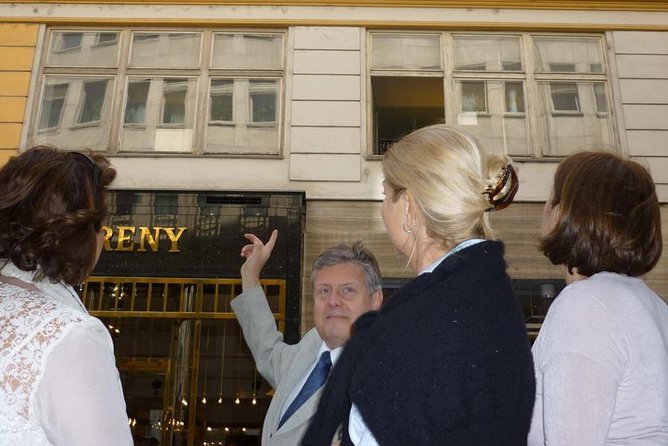
- Small group (up to 15): easier questions and less waiting around.
- Central, walkable route: key stops in a compact area around the Hofburg and St. Stephen’s.
- Storytelling with context: imperial power, Austrian government, and religion all meet on the street.
- Imperial curiosities: learn what the Holy Lance is said to be and why the Holy Roman Empire mattered.
- Modern Vienna tie-ins: a clear tip on daily opera ticket pricing.
- Lindt finish at Stephansplatz: a convenient end point in the middle of everything.
Starting at Michaelerplatz: the fast way to get oriented
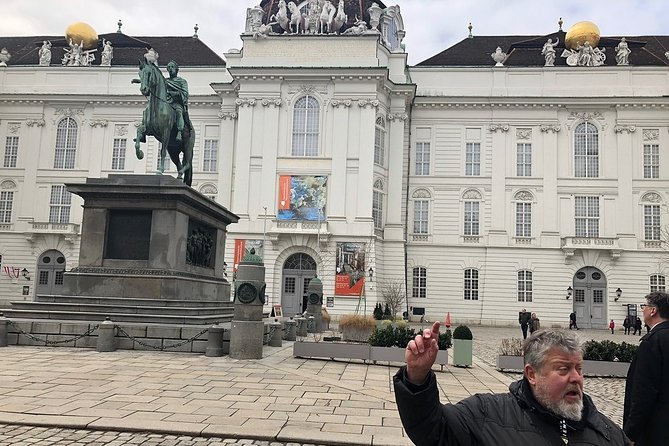
The tour kicks off at Michaelerplatz 3 (near the Hofburg area), where Vienna’s imperial story begins to feel real. This spot is a smart start because it puts you close to the power centers you’ll be seeing—church, ruins, palaces, and the squares that later served government and public life.
From the first minutes, the guide’s job is simple: help you understand where you are, not just where to look. You’ll move through the medieval layers and imperial highlights as a single timeline, so later, when you’re walking on your own, you’ll know why a street corner matters.
One practical bonus: the tour is built for real travel days. It runs in all weather, and the route is centered around major landmarks you can keep using for plans. If your Vienna days are already packed with museums, this kind of “orientation walk” pays off because it gives you a mental map.
You can also read our reviews of more walking tours in Vienna

St. Michael’s church, medieval ruins, and the white stallions moment
The first substantive stop is St. Michael’s church with Roman and medieval ruins. Even if you’ve seen Vienna photos before, this is where you start to feel the city’s age. The point isn’t to memorize dates—it’s to understand that Vienna’s big imperial era didn’t appear out of nowhere. It grew over older foundations.
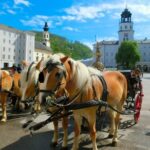
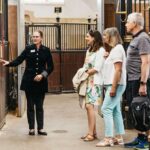
Then comes a more specific detail that adds personality to the route: white stallions. You’ll get detailed information about them, tied into how Vienna’s court life looked and how power displayed itself through ceremony and spectacle. This kind of stop is why I like guided walks: you notice things you’d otherwise walk past.
Keep in mind the pace is history-focused. If you want long photo breaks, you’ll likely need to grab pictures during natural pauses rather than expecting lots of standstill time. The trade-off is you get more territory covered in two hours.
Hofburg and the Habsburg residence from the 12th century
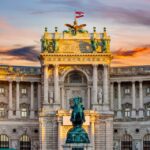
Next, you’ll land in the heart of the Habsburg story: the Hofburg, described as the residence of the Habsburg dynasty going back to the 12th century. That’s a big claim, and the guide helps you connect it to what you see today—how an “old” residence turned into a political machine that shaped much of Central Europe.
This is where the tour earns its main theme. You’re not just looking at impressive buildings. You’re learning how the dynasty used location, architecture, and public spaces to stay in control. Vienna’s center is dense with symbolism, and the guide helps you spot what matters without turning it into a lecture that kills your legs.
Also, this tour stays practical. You’ll understand the relationship between the palace area and the nearby squares you’ll be walking through, so the next time you read a plaque or see a statue, it won’t feel random. It’ll feel like it belongs to a story you already know.
Hero Square, Austrian government, and the Holy Lance + Holy Roman Empire
From there, the walk heads to Hero Square, where you’ll also learn why it has that name and how the Austrian government system works. This part is a nice reminder that history isn’t locked in museums. Public spaces still carry political meaning.
Then you get the sort of Europe-weird-but-fascinating history that only Vienna can pull off: stories tied to the Holy Lance and the crown of the Holy Roman Empire. You’ll learn why the Holy Lance is associated with the piercing of Jesus, and you’ll hear what the Holy Roman Empire crown represented in the medieval and imperial imagination.
This is one of the tour’s strengths: it doesn’t treat religion as a separate world. It shows how beliefs, legitimacy, and power were braided together. If you’ve ever wondered why European rulers cared so much about symbols, this is where you start seeing the logic.
One consideration: the tour covers a lot of concepts fast. If you prefer slow museum-style reading, go in ready to process in chunks. Two hours is enough for context; you’ll still want longer visits later if a topic hits you hard.
Joseph’s Square, Maria Theresia, and the drawing collections stop
Joseph’s Square brings you another chapter of the Habsburg era, with secrets tied to Maria Theresia’s reign. That’s a solid choice for a first or second Vienna day, because she’s one of the names that keeps showing up. The guide helps connect why her rule matters and how Vienna’s identity formed under rulers like her.
After that, you’ll visit the residence of Albert and Maria Christina, described as the place that hosts today the largest drawing collections worldwide. That stop is a smart balance: you get imperial politics up front, and then you see how culture and collecting fit into the same world. Even if you’re not a museum person, it helps to know where the city stores the art and ideas behind the throne.
If you like learning how private collections shape public culture, you’ll probably appreciate this part more than you expect. Vienna’s court life wasn’t only power. It was also taste, collecting, and public display when the dynasty wanted attention.

Monument Against War and Fascism, opera ticket tips, and St. Stephen’s endgame
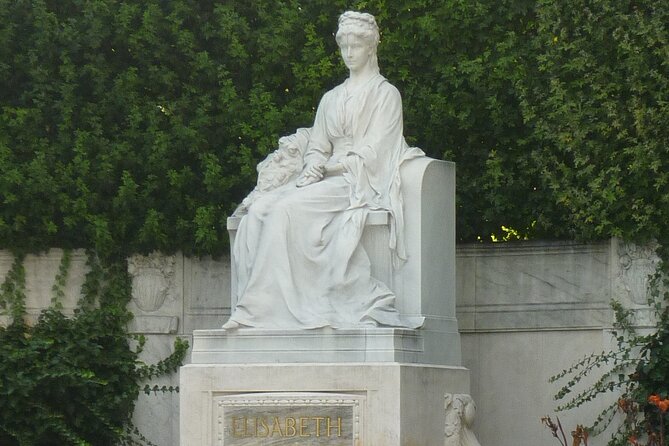
A big tonal shift comes with the Monument Against War and Fascism. The tour notes its official name, and the intent is clear: it’s here to remember victims of war, including Nazi rule of Austria. This stop matters because it keeps the walking tour from becoming only palace postcard history. It grounds the imperial story in 20th-century reality.
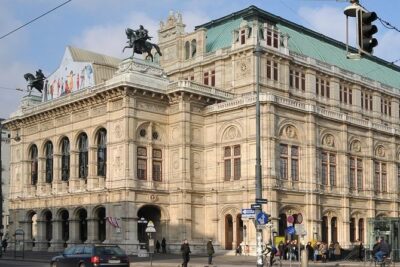
Then you get one of the most useful modern tips on the entire route: the opera. In Vienna, the program changes daily, and the guide explains that the cheapest tickets can be around 3 Euros. That’s not just trivia. It’s a way to experience a major cultural institution without blowing your budget—and without scrambling last minute.
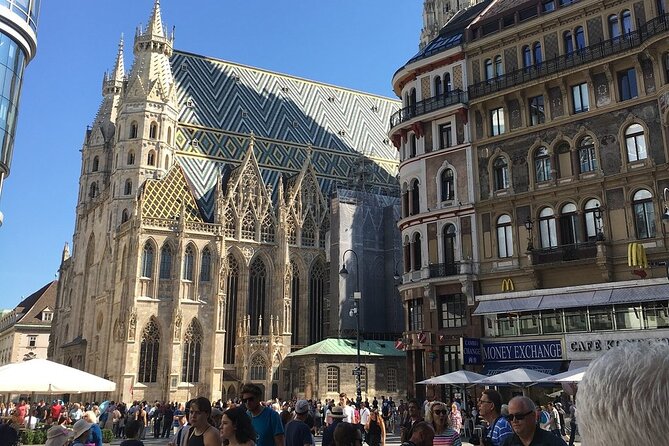
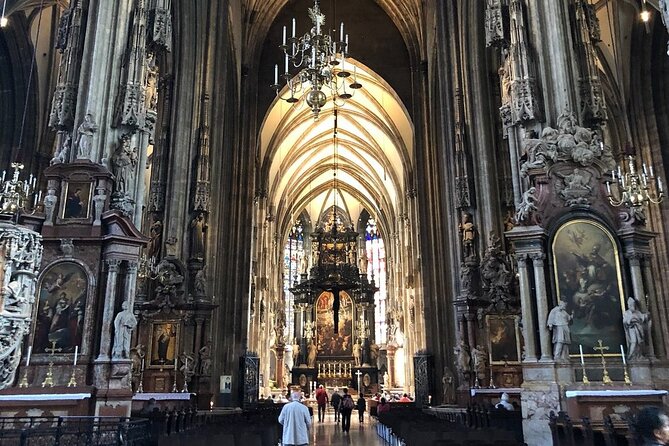
Finally, the tour ends at St. Stephen’s Cathedral area, in the center of Vienna, and continues to the finishing point: Lindt Chocolate Boutique at Stephansplatz 8A. It’s a great landing spot because you’re already in a transport-friendly zone and walking distance to a ton of evening plans.
In short: you end where you can keep your momentum. Cathedral sights, dinner wandering, or just a calm coffee while you digest the day.
Price, timing, and small-group value in real terms
At $35.07 per person for about 2 hours, this is priced like a serious orientation walk, not a quick “look at this building” stroll. The math works best because you’re paying for a professional certified tourist guide and a route designed to make sense on foot.
The max 15 limit is part of the value. In a city like Vienna, you don’t want to be packed shoulder-to-shoulder. You want space for explanations and questions, especially when the tour touches topics like court history, relic stories, and government.
A key practical note: the tour is offered in English, but you should still confirm the language printed on your ticket. The operator’s own guidance indicates language can vary by day, and you don’t want any surprises right when you meet.
If your schedule is tight, this is a strong use of one of your half-days. If you’re traveling with younger children, note that it’s not recommended for younger kids, likely because the content and walking time fit better with older attention spans.
Who should book (and who might want a different plan)
This tour is a good match if you want:
- an introduction to Habsburg Vienna that connects palaces, squares, and real-world politics
- a guide who helps you connect what you see with why it exists
- a budget-friendly way to get opera ticket strategy plus cathedral-area timing
You might skip it if:
- you only want art or only want medieval church details
- you need lots of long photo stops with minimal talking
- you’re traveling with very young children (the tour isn’t recommended for younger kids)
If you’re the type who likes to build a mental map before museums, you’ll likely get your money’s worth fast.
Should you book this Vienna Habsburg walking tour?
I’d book it if you want a focused, central Vienna overview with enough story to make the buildings feel alive. The combination of imperial sites, the government-square context, and the modern opera tip gives you both history and immediate usefulness for the rest of your stay. The Lindt finish is a nice bonus, but the real win is leaving with a clear sense of how Vienna’s past still shapes its streets.
Just double-check the tour language on your ticket so the day runs the way you expect.
FAQ
How long is the Vienna Walking Tour?
It runs for about 2 hours.
How big is the group?
The tour is limited to a maximum of 15 travelers.
Where does the tour start and end?
It starts at Michaelerplatz 3, 1010 Wien, Austria, and ends at Lindt Chocolate Boutique, Stephansplatz 8A, 1010 Wien.
Is the tour in English?
The tour is offered in English, and you should confirm the language shown on your ticket.
What’s included in the price?
A professional certified tourist guide is included.
Is hotel pickup or drop-off included?
No, hotel pickup and drop-off are not included.
Do I need to bring food or drinks?
Food and drinks are not included.
Will the tour run in bad weather?
Yes, it operates in all weather conditions.
Can I cancel for free?
Yes. You can cancel up to 24 hours in advance for a full refund.