REVIEW · VIENNA
Vienna: City of Music Private Walking Tour
Book on Viator →Operated by Insight Cities · Bookable on Viator
Music + Vienna street corners = instant context. This private tour is built to make classical composers feel close, not academic, as you move from big landmarks to the homes and rooms where pieces were created. I like the format most: a private guide for just your group and music playing through headphones while you walk, so the story lands in real time.
The two best parts for me are how personal it feels and how easy it is to follow. In reviews, guide Annalie is praised for making the tour fit real humans: answering questions, sharing personal stories, and even showing photos of the people behind the music. You’ll also get a clear route through Vienna’s core composer sites without needing a music degree to enjoy it.
One consideration: this is a short walking tour on a set route. If you want lots of interior museum time (not just outside views and short stops), you may find the pacing a bit strict, especially since several stops have admission not included or are primarily sight-focused.
In This Review
- Quick hits: Vienna’s music tour, in 5 minutes
- How Vienna’s music becomes a walkable story
- St. Stephen’s Cathedral: where composers found a stage
- Mozarthaus Vienna: Mozart’s address and the operas on the page
- Beethoven at a distance, then up close
- Mölker Bastei and the Pasqualati-House connection
- Wiener Staatsoper: listening to Vienna’s music culture today
- Hofburg and Archduke Rudolph: when patronage met piano
- Inner City headphone listening: the 45-minute “sound check”
- Pickup, timing, and pacing: what the 3 hours really feels like
- Price and value: when $564.72 per group makes sense
- Who should book this private music walking tour
- Should you book it? My practical take
- FAQ
- What is the duration of the Vienna City of Music private walking tour?
- Is this tour private, and how large is the group?
- Does the tour include hotel pickup?
- Are tickets for attractions included?
- What language is the tour offered in?
- Is public transportation involved?
- What cancellation options are available?
Quick hits: Vienna’s music tour, in 5 minutes
- Private group feel: flat per-group pricing for up to 10, so you can keep the conversation going
- Headphones on the move: 45 minutes of listening while you explore major inner-city sights
- Composer “where it happened” stops: from St. Stephen’s Cathedral to Mozart and Beethoven locations
- Good for non-experts: reviews highlight that you don’t need prior classical training
- Flexible timing: morning or afternoon departures let you plan around your day
How Vienna’s music becomes a walkable story
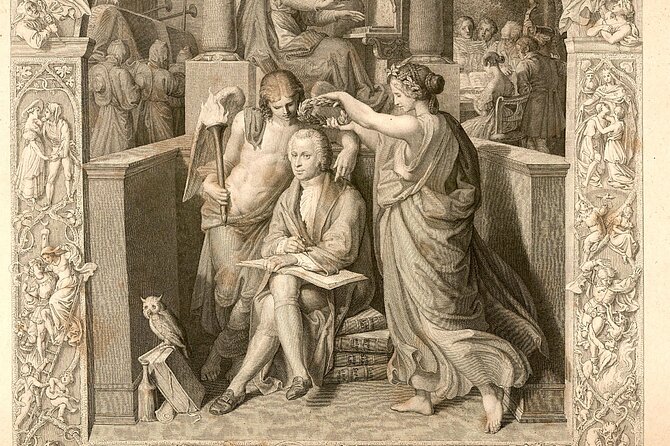
Vienna can feel like a museum city, but this tour tries to break that spell in a smart way. Instead of listing names and dates, you connect the composers to actual places where music was performed, written, or supported by powerful patrons.
That’s why I like the private setup. With a small group, you can ask the obvious questions without waiting for the rest of the group to catch up. It also helps the guide tailor the pacing—some people want more context on opera and patronage, while others just want to hear what makes Beethoven tick.
And the headline trick is the headphone portion. Listening to selected classical pieces while you’re standing in the city’s historical core turns the music into a “seatbelt” for your attention. You’re not just walking past famous buildings; you’re hearing the sound-world they belonged to.
You can also read our reviews of more walking tours in Vienna


St. Stephen’s Cathedral: where composers found a stage
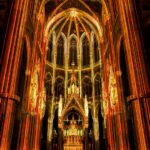
Your first stop is St. Stephen’s Cathedral (Stephansdom), and it’s not there just for postcard value. This is an iconic Vienna landmark that also served as a meaningful performance venue in earlier centuries, with composers tied to its musical life, including Haydn and Mozart, Salieri, and Vivaldi.
What makes this stop work on a walking tour is the immediate atmosphere. Even if you only spend about 20 minutes here, the guide’s job is to connect what you’re looking at—an enormous church space, a major public landmark—with the idea that serious music wasn’t kept behind closed doors. It was part of city life.
Practical note: admission is free for this stop. If you’re curious, you can use that time to get oriented with the cathedral’s scale, then let the guide steer you toward what matters musically.
Mozarthaus Vienna: Mozart’s address and the operas on the page
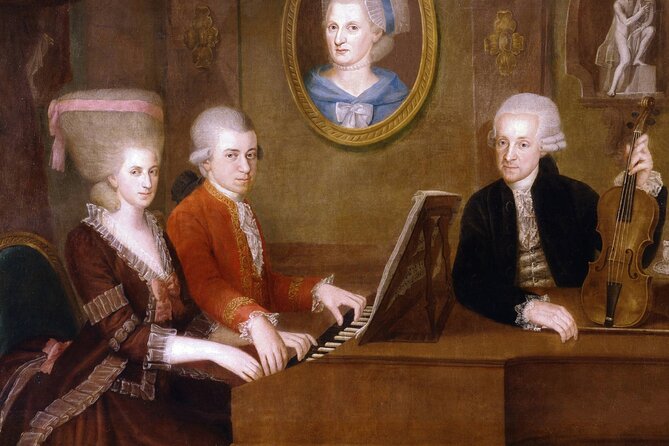
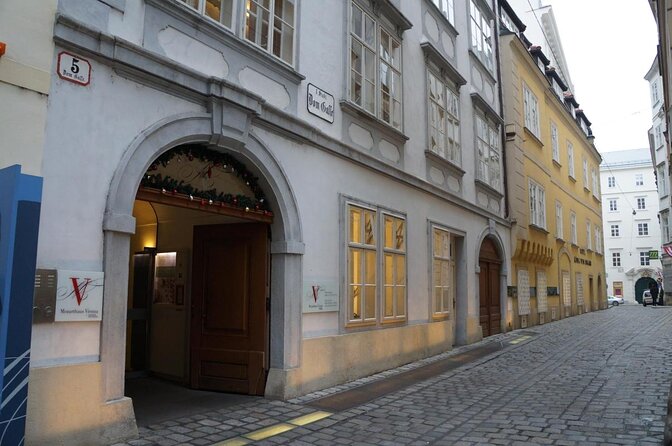
Next you head toward Mozarthaus Vienna, including the area tied to the Figaro House. This is where the story gets personal in a very specific way: Mozart lived in the city from 1784 to 1787, and the tour frames that period as a major chapter for operas and instrumental works he created.
A walking tour beats a museum sometimes because you can see the city as Mozart would have recognized it—streets, movement, and the daily city rhythm around a composer’s home. You’re not just learning trivia; you’re imagining the routine of writing, rehearsals, and composing while surrounded by Vienna’s social engine.
One caution: admission is not included for Mozarthaus Vienna. That means you’ll need to plan for separate ticket costs if you want to go further than the outside stroll. If your priority is the story and the street-level context, you can still enjoy the stop without paying for extra indoor time.
Beethoven at a distance, then up close
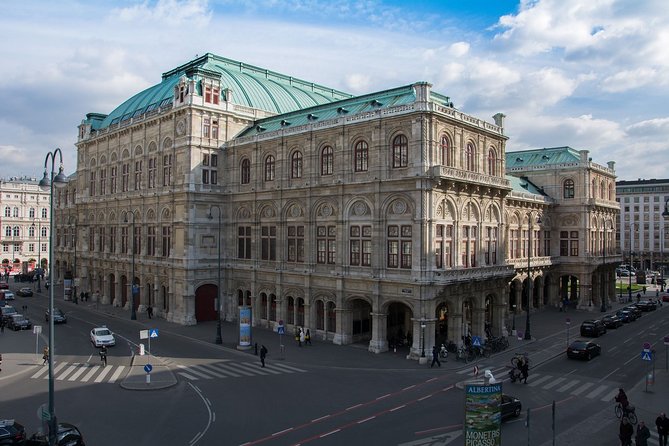
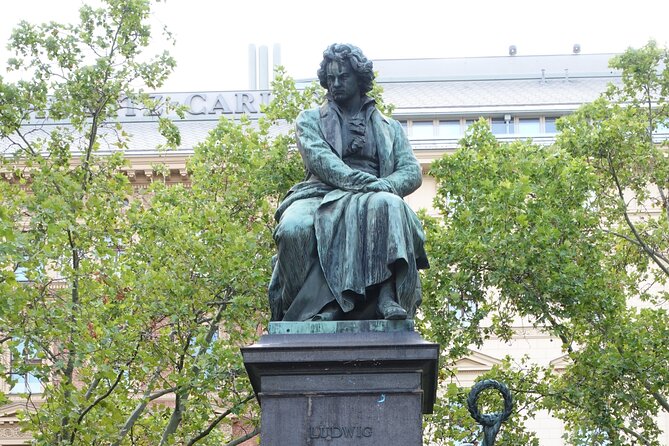
Beethoven is everywhere in Vienna, and this tour gives you a useful way to track him without getting lost in name-dropping. You’ll start with a Beethoven monument, then follow the thread of a restless life—he lived in sixty different apartments across the city, and the guide uses that chaos to make his music feel more human.
This is one of those stops where a guide can make or break the experience. The reviews clearly love the personal storytelling style, and that matters most here. Instead of treating Beethoven like a flawless statue, the tour leans into his erratic movement and the way his life intersected with changing Vienna.
You also get two key “place” layers that help your brain store the facts:
- you see a physical monument tied to him
- then you move toward the neighborhoods and residences that represent his frequent relocations
If you’re the kind of traveler who remembers places by walking them, you’ll likely love this section.
Mölker Bastei and the Pasqualati-House connection
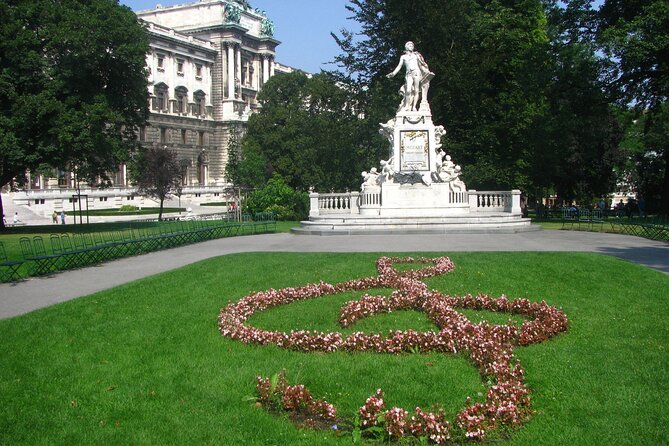
From the Beethoven monument energy, you move to Molker Bastei, specifically toward the Pasqualati-House. This stop is paired with one of the tour’s strongest story themes: Beethoven’s restless residence pattern and how it shaped his Vienna life.
The tour also places Pasqualati-House in a very practical city setting—directly opposite the University of Vienna. That detail helps you orient the story in real geography, not just on a map. You’re tying Beethoven to a recognizable modern anchor point, which makes the old story easier to recall later.
Also, this stop frames Beethoven’s music as a turning point: it connects the Classic era and points toward the Romantic developments that followed. That’s a useful angle because it’s not only biography; it’s what his career meant for music as a whole.
Admission is listed as not included, which fits the usual walking-tour pattern here. Think of this as a meaningful sight and story stop, not a full museum session.
You can also read our reviews of more city tours in Vienna



Wiener Staatsoper: listening to Vienna’s music culture today
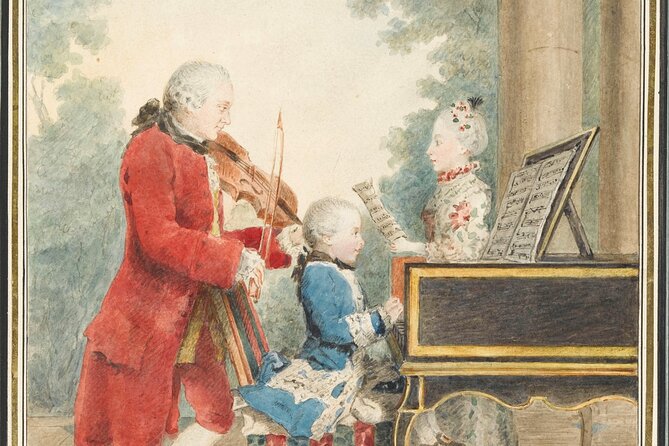
Then you reach Wiener Staatsoper, the State Opera House area, and the tour uses it as a “then and now” bridge. The point here isn’t to argue with history; it’s to show how Vienna stayed a center of opera and concert culture.
The guide connects the building’s role to today’s musical dominance and points you toward the idea of the city as a continuing performance hub. In other words, you’re not only learning about Mozart and Beethoven; you’re learning how Vienna kept music as a public identity.
Admission is not included for this stop, which makes it a straightforward part of the walk. You’ll get the cultural context and the visual reference, and then you move on while the story stays fresh.
If you love the modern opera scene, this stop can also help you decide whether you want to add an opera or concert ticket later on your trip. Even without entering the building, you get a strong sense of why Vienna stays famous.
Hofburg and Archduke Rudolph: when patronage met piano
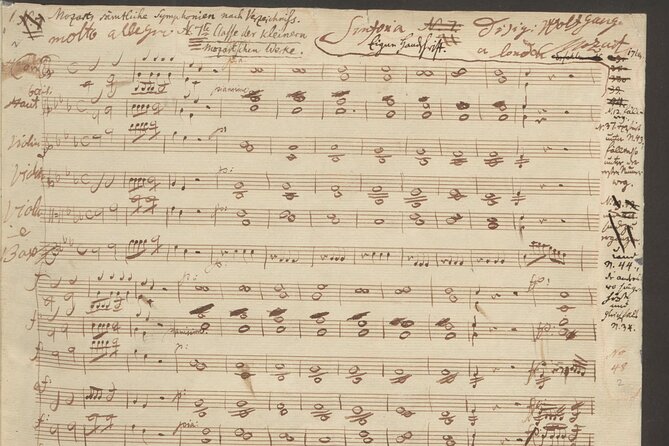
You finish with a stop at the Hofburg area tied to a key relationship: Beethoven’s connection to Archduke Rudolph. The tour frames Rudolph as one of Beethoven’s best friends among the aristocracy, and it also emphasizes Rudolph as a real supporter who took piano lessons with Beethoven.
This matters because it’s one thing to admire Beethoven’s genius; it’s another to understand how patronage and power shaped what got written and performed. The tour highlights that Beethoven dedicated his Missa Solemnis to Archduke Rudolph, using that dedication as a way to show the interaction between the Habsburg court and major musicians in Vienna during the 18th and 19th centuries.
Admission is not included here, so expect this to be a story-and-sight moment rather than a long interior time block. The value is the perspective shift: Beethoven isn’t only a lone composer. He was a working artist inside Vienna’s social and political structure.
Inner City headphone listening: the 45-minute “sound check”
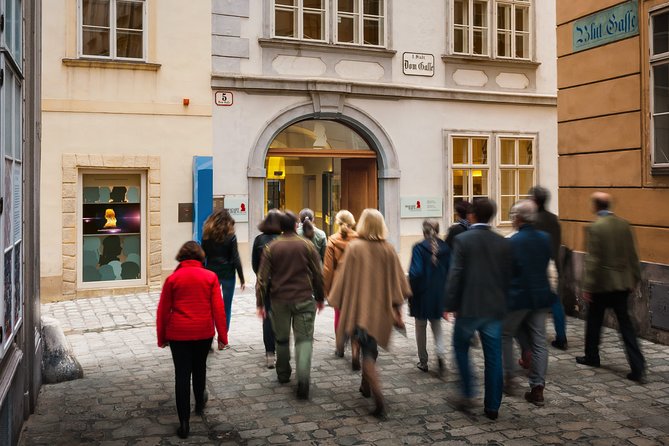
The tour’s pacing changes for the final big block: Inner City includes about 45 minutes where you stop to listen to selections on headphones while exploring major sights. This is the moment that turns the day from sightseeing into a controlled listening experience.
Here’s why it works well for different types of travelers:
- If you’re new to classical music, the headphones can guide you through moments you’d otherwise miss.
- If you already like composers, this gives you a fresh way to experience familiar music in context.
It also helps you mentally “reset” during the walk. Three hours can add up fast, and this section breaks it into a “guided listening” phase rather than nonstop walking.
Admission is free for this segment, and the tour design makes it feel like part of the experience rather than a bonus.
Pickup, timing, and pacing: what the 3 hours really feels like
This is a 3-hour private walking tour, offered in morning or afternoon departures, which is great because Vienna days are often packed. A music-focused outing works best when you have a buffer afterward—so you can process what you learned without rushing into the next thing.
The group size is capped at up to 10 per group, and the price is per group rather than per person. That’s a big deal for value if you’re traveling with friends or family. You can split the fee and still keep the private-guide feel.
Pickup is offered. The guide can meet you at your hotel or holiday flat, and you’ll get the guide’s photo and contact info ahead of time. If you’d rather meet centrally, there’s also a named meeting option at Café Mozart, Albertinaplatz 2.
One transportation note you should know: tram/metro tickets are not included. The guide can help you purchase public transport tickets if you don’t have a pass. So if you’re planning to arrive from the outskirts, build a little extra time for getting settled.
Price and value: when $564.72 per group makes sense
Let’s talk money like an adult. The tour costs $564.72 per group (up to 10), for about 3 hours of private guiding. That sounds steep if you’re thinking like an individual traveler buying a ticket for a bus tour.
But for a family or small group, the math changes fast. You’re paying for:
- a private historian guide
- customized interaction time for your group size
- time-saving route planning across composer-linked stops
- the headphone listening experience
- a format designed to work even if nobody in your party is a classical-music scholar
In other words, you’re buying attention and interpretation, not just “seeing buildings.” Reviews also point out that the guide made the tour personal and handled questions well, which is exactly what you’re paying for in a private setup.
If you’re traveling solo, this tour may be less cost-effective compared to a shared group option. If you’re part of a duo, it might still be worth it if you care about a guided narrative and not just passive sightseeing.
Also consider booking timing: this tour is commonly booked well in advance (on average 111 days). If you have fixed plans, don’t wait for the last week.
Who should book this private music walking tour
This is a strong fit if:
- you want a guided story that connects composers to places
- you like listening to classical selections in context, not only reading about them
- you’re traveling with people who don’t all share the same music knowledge
The reviews make one point especially clear: it works well for non-music geeks. So if you’ve ever worried that you’ll feel out of place in a classical-focused tour, you can relax. The guide’s job is to make it understandable and fun, even if your classical training is minimal.
It’s also ideal if you want a walking tour that doesn’t feel random. Each stop ties back to a theme—performance venues, composer homes, Beethoven’s movement, and how patronage supported music.
Should you book it? My practical take
Book this tour if you want Vienna to feel like a living music city instead of a list of famous names. The combination of headphones, composer-linked stops, and a private guide creates a tight “learn while you walk” loop.
Skip it (or downgrade expectations) if you’re chasing lots of interior museum time. Several elements have admission not included, and the visit style is short and sight-focused. You’ll leave with strong impressions, not with a stack of museum tickets.
If your trip includes Vienna’s big landmarks already, this tour is a smart way to add meaning. And if you’re traveling with up to 10 people, the group fee structure can make it one of the better value uses of a private guide in the city.
FAQ
What is the duration of the Vienna City of Music private walking tour?
The tour lasts about 3 hours.
Is this tour private, and how large is the group?
Yes, it’s private. Only your group participates, and it covers up to 10 people per group.
Does the tour include hotel pickup?
Pickup is offered. The guide can meet you at your hotel or holiday flat, or at Café Mozart, Albertinaplatz 2 if you prefer a central meeting point.
Are tickets for attractions included?
Not all stops include admission. St. Stephen’s Cathedral is listed as free, while Mozarthaus Vienna has admission not included. Other sites on the route are also listed as not included.
What language is the tour offered in?
The tour is offered in English.
Is public transportation involved?
The meeting points are near public transportation. Tram or metro tickets are not included, but the guide can help you purchase tickets if you don’t have a pass.
What cancellation options are available?
You can cancel for a full refund if you cancel at least 24 hours before the experience’s start time. Free cancellation is offered up to that cutoff.