REVIEW · VIENNA
Vienna: Private Walking Tour
Book on GetYourGuide →Operated by Austria Tours & Travel · Bookable on GetYourGuide
Mozart’s Vienna comes alive on foot. This private walking tour strings together composer lore, imperial power, and street-level history, from St. Stephen’s to the Ringstrasse views. I especially love the Mozart-and-Classical-Music storytelling, and I also like how the walk spotlights Vienna’s world-famous coffee house culture and Sacher torte references.
One thing to plan for: it’s a 150-minute walk with lots of major stops. If your legs tire easily or you’re pushing a stroller, wear solid shoes and keep a steady pace from the start—this is sightseeing on streets, not long sit-down breaks.
In This Review
- Key things that make this tour work
- A private walk that actually fits Vienna’s center
- From Celts and Romans to the Habsburg era
- Mozart, Beethoven, and the city’s musical “map”
- Ringstrasse views and the big imperial sights
- St. Stephen’s Cathedral and the city’s most famous spine
- Jewish Square, Burggarten, and Volksgarten: more Vienna than monuments
- Coffee house culture and Sacher torte context (without a food stop)
- Price and value: $530 per group for 2.5 hours
- Who this tour suits best
- Should you book this Vienna Private Walking Tour?
- FAQ
- How long is the Vienna private walking tour?
- Is the tour private or shared with other people?
- Where does the pickup happen?
- What languages are the guides available in?
- Is the tour wheelchair and stroller accessible?
- What’s included in the price, and what’s not?
- What is the cancellation policy?
Key things that make this tour work
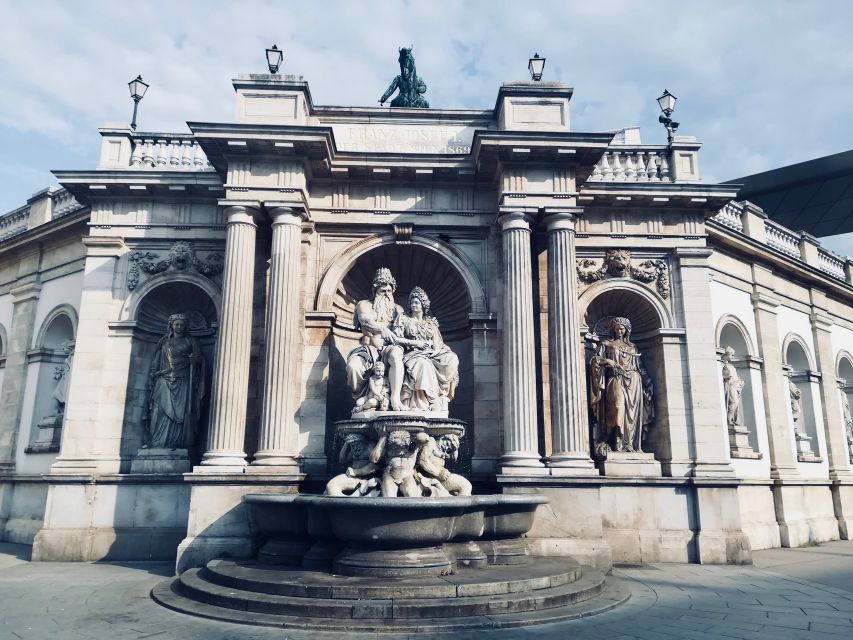
- 150 minutes of high-value sightseeing with a live guide guiding you between major sights
- Mozart and Beethoven threads tied to real locations, not just a lecture
- Ringstrasse and imperial landmarks in one coherent route
- Habsburg stories built around the places they ruled
- Coffee house culture and Sacher torte context, even though no food is included
A private walk that actually fits Vienna’s center
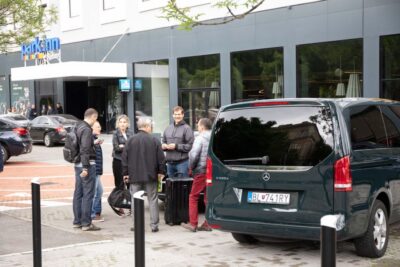
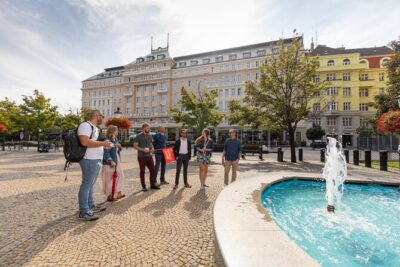
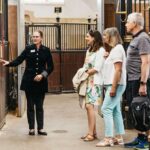
This tour is set up as a private group with hotel pickup and drop-off. Your guide will meet you either in your hotel lobby (if you’re in the inner city) or at Helmut Zilk Platz—both options make it easier to start on time without hunting for the meeting spot.
The tour runs about 2.5 hours, which is long enough to feel like you’ve learned Vienna, but short enough to still enjoy the rest of your day. Because it’s private, the guide can usually shape the tone to your interests—music history fans and architecture lovers both tend to get a lot out of the route.
Logistically, the route is walking-heavy. You’ll want comfy footwear, especially if you’re doing other long activities afterward. Still, that walking pace is part of the point: you see the city as a connected whole, street by street.
You can also read our reviews of more walking tours in Vienna


From Celts and Romans to the Habsburg era
The tour’s best trick is its storyline. You start with Vienna’s deeper roots, moving from Celts and Romans to the city that later becomes the stage for the Habsburgs. It’s not just a list of dates. The guide connects political change to the places you’re standing near.
Then the focus shifts to the Habsburg family—how members of this royal house shaped Europe and left their mark on Vienna’s identity. When you walk toward places tied to imperial rule, you start noticing details that casual sightseeing often misses: power has geography here, and the streets help explain why.
If you like history that feels practical, this approach helps. You’re not memorizing trivia. You’re learning how one era builds on the next, and you can recognize those layers as you go.
Mozart, Beethoven, and the city’s musical “map”
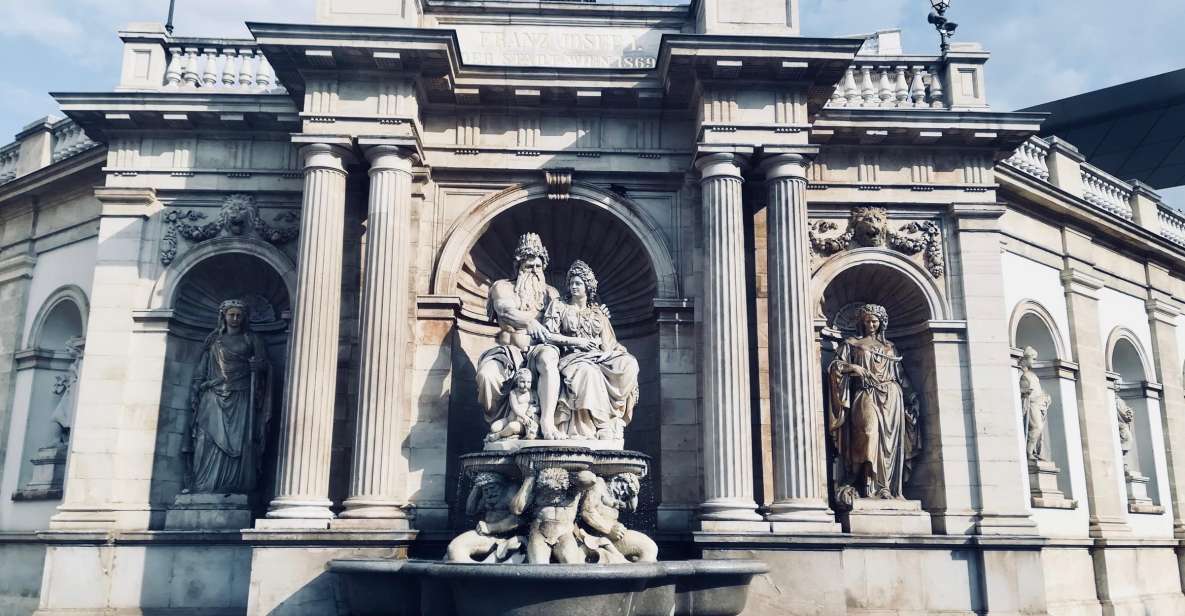
If classical music is part of your travel personality, you’ll like how the guide links famous composers to Vienna’s streets. The tour highlights Wolfgang Amadeus Mozart and also brings in Ludwig van Beethoven, using major landmarks as anchors for the stories.
This matters more than it sounds. When someone points out what a building or square meant in the city’s cultural life, the music history becomes visible. Stroll near the places tied to Viennese tradition and you start understanding why the city earned its reputation—this wasn’t background music. It was identity.
A practical note: you’re not getting a concert here. You’re getting a “music map.” That makes the tour a great first step if you want to plan later performances or museum visits with better context.
And yes, the tour keeps the tone lively. Multiple guides associated with this experience are noted for being engaging, story-driven, and responsive—so expect conversation, not just a monologue. Names that have come up include Lisa, Catherine, Long, and Marko.
Ringstrasse views and the big imperial sights
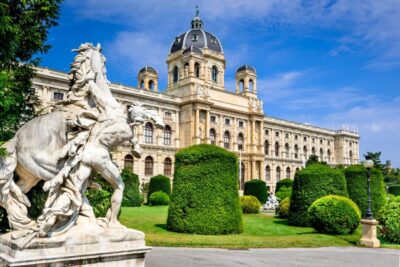
One of the headline experiences is the chance to see the Ringstrasse, Vienna’s famous boulevard lined with monumental architecture. Even if you’ve seen photos, walking near it gives you a real sense of scale—how grand buildings dominate the skyline and how the city’s imperial era shaped its look.
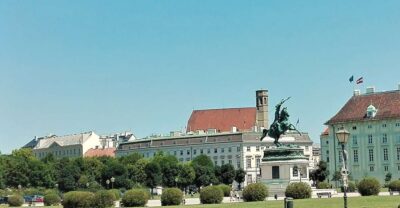
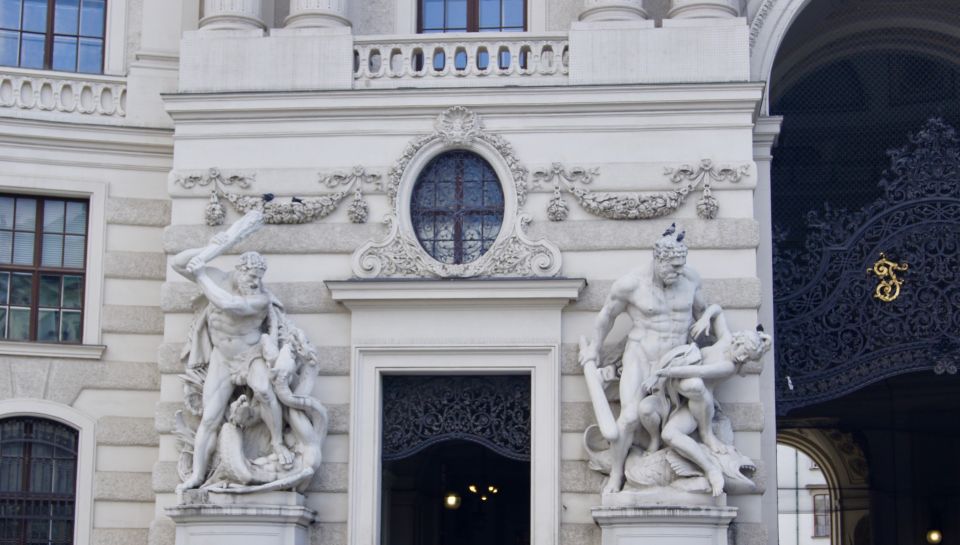
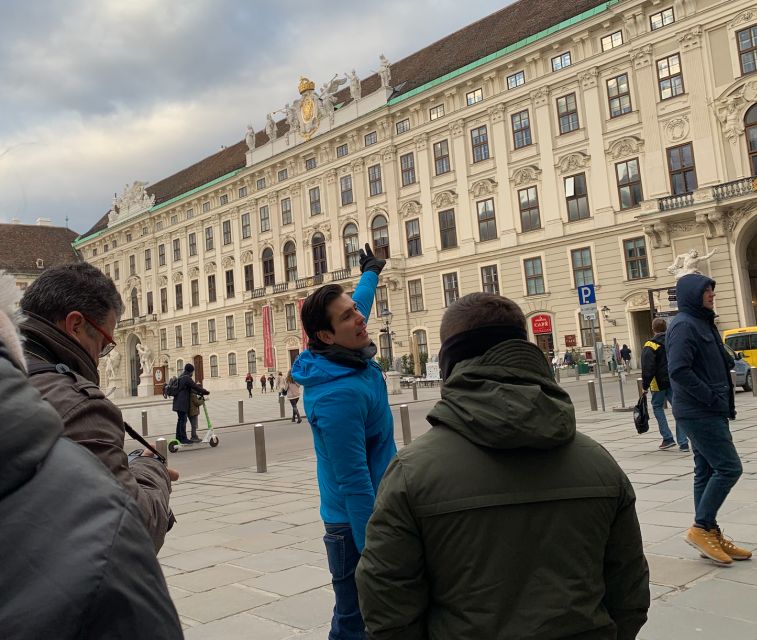
As you move through the walk, you’ll also visit major power-adjacent sites, including Heldenplatz and Hofburg Imperial Palace. These aren’t just scenic stops. The guide uses them to explain how Vienna functioned as a center of rulership, diplomacy, and public life.
Hofburg is the kind of place where the details can overwhelm you if you’re on your own. On a guided walk, you get a calmer approach: the guide helps you connect what you see to what it meant. That turns “big palace” into something you can actually understand.
Potential drawback: the imperial landmarks are visually impressive, but the walk still keeps moving. If you want long indoor time or deep museum-style studying, this tour is more about the streets and key exteriors than long stops inside.
St. Stephen’s Cathedral and the city’s most famous spine
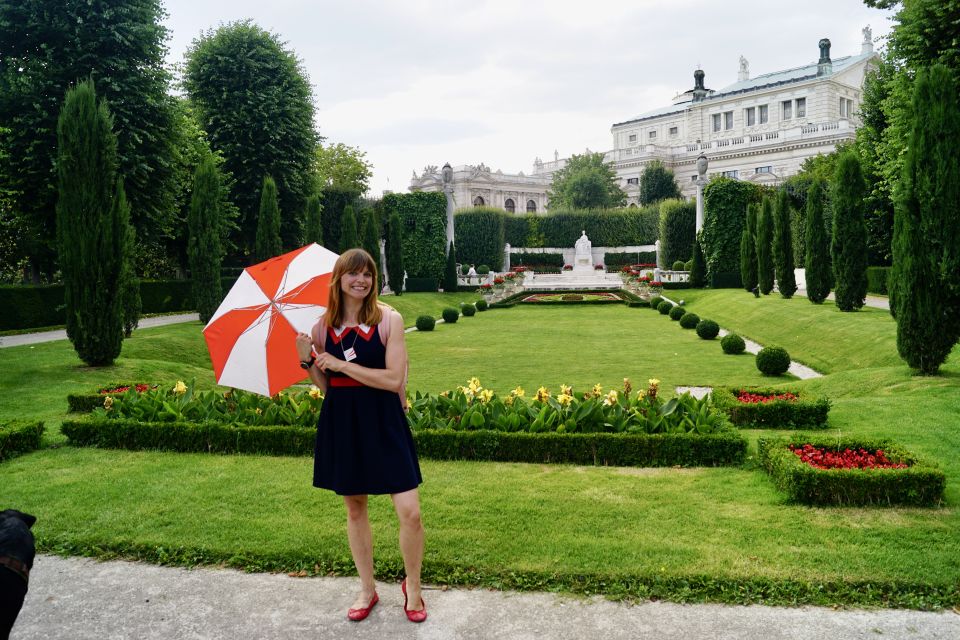
You’ll spend time at St. Stephen’s Cathedral, one of Vienna’s most recognizable symbols. This stop is valuable because it frames the city’s identity beyond just empire and music. You get a sense of Vienna as a layered place where spiritual life, civic life, and art culture all overlap.
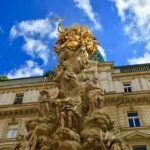
From there, the route continues toward central Vienna’s classic streets. You’ll see The Graben and the Plague Column, two landmarks that show how Vienna remembers both prosperity and catastrophe. A guide can make these stops land emotionally, because the Plague Column isn’t just decoration—it’s part of the way communities responded to hardship.
This part of the walk often clicks for people who like contrasts. You see elegance and grand architecture, then you see memorialization tied to real events. It’s a reminder that history in Vienna isn’t only royal portraits and concert halls.
If you’re photographing, bring a bit of patience. These areas are central and you’ll likely share space with others. The upside is that you also get the classic feel of Vienna right in front of you.
You can also read our reviews of more private tours in Vienna



Jewish Square, Burggarten, and Volksgarten: more Vienna than monuments
The tour includes Jewish Square, which adds an important social and cultural dimension to the walk. Instead of treating Vienna’s story as only rulers and composers, you get a broader sense of community and change over time.
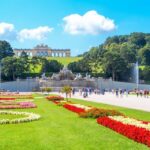
Then you head toward quieter, greener parts of the center, including Burggarten and Volksgarten. These gardens help balance the heaviness of imperial and historical themes. They also offer a nice change of pace during the 150 minutes.
Burggarten and Volksgarten are useful stops for travelers who want more than stone and statues. You get space to reset your senses, look at city layout from calmer angles, and keep the walk from feeling like a sprint between major sights.
If you like architecture, the contrast helps. Gardens give you breathing room, while the surrounding structures help you read the city’s planning in a more intuitive way.
Coffee house culture and Sacher torte context (without a food stop)
The tour highlights Vienna coffee house culture and the famous Sacher torte. The key detail here: food and drinks aren’t included, so you’re not paying for a tasting during the walk.
Instead, this is context. You’ll learn why coffee houses matter in Vienna’s social life and how desserts like Sacher torte became part of the city’s brand. That’s genuinely useful, because it changes how you order later. You’ll know what you’re actually stepping into, not just what you’re consuming.
After the tour, you can put that knowledge to work: pick a coffee house for a slower break, or order Sacher torte with a better sense of why it’s famous. This turns the walking tour into an evening plan, not a stand-alone activity.
Price and value: $530 per group for 2.5 hours
At $530 per group (up to 20), this isn’t a budget tour. It’s a private-guided experience, and the price reflects that.
Here’s how to judge value. If you’re traveling as a small group and you want a guide to connect Mozart, Beethoven, Habsburg power, Ringstrasse architecture, and Vienna’s social stories into one route, you’re paying for coherence. Many sightseeing tours scatter you across landmarks with minimal connection. This one aims for a linked storyline.
It can also be good value when your group size is closer to the upper end of the range, because the cost is per group rather than per person in a small fixed number. If you’re a solo traveler or a couple, you may feel the price more, since you’re still paying for private attention.
My practical take: if you’ll use the guide’s context to plan other things (coffee house stop, music choices, or later museum reading), this can pay off more than a standard group walk.
Who this tour suits best
This private walk fits best if you like history and music, and you want them tied to specific places. It’s also a solid pick if you want a clean introduction to central Vienna without spending your first day getting lost.
You’ll likely enjoy it if:
- you care about Mozart and Beethoven and want more than a quick name-drop
- you want the Habsburg story explained where it matters, not only in a classroom
- you want a route that mixes major monuments with calmer garden stops
If your ideal day is mostly indoor time or long museum sessions, this may feel a bit too “outside and moving.” Use it as a foundation, then add indoor experiences afterward.
Should you book this Vienna Private Walking Tour?
I’d book this when you want a well-structured Vienna orientation with a music-and-history connection that makes the city easier to navigate afterward. The route covers the major anchors—St. Stephen’s Cathedral, Hofburg, Heldenplatz, Ringstrasse views, central streets, and garden breaks—and it adds meaningful context like Jewish Square and the coffee house tradition.
Skip it only if you want lots of sitting time, indoor museum depth, or a tasting experience. This is a guided walk designed to get you grounded fast and help you see Vienna as one connected story.
FAQ
How long is the Vienna private walking tour?
The tour lasts about 150 minutes (2.5 hours).
Is the tour private or shared with other people?
It’s listed as a private group. The pricing is per group, up to 20.
Where does the pickup happen?
Pickup is included. If your hotel is in the inner city, the guide meets you in the hotel lobby. Otherwise, you meet at a predetermined location: Helmut Zilk Platz (with pickup noted for 1010).
What languages are the guides available in?
The live guide is available in English and German.
Is the tour wheelchair and stroller accessible?
Yes. The tour is wheelchair accessible and stroller accessible.
What’s included in the price, and what’s not?
Included: private guided tour plus hotel pickup and drop-off. Not included: food and drinks.
What is the cancellation policy?
You can cancel up to 24 hours in advance for a full refund.