REVIEW · VIENNA
Vienna; Cooking Class: Make Schnitzel & Apple Strudel
Book on GetYourGuide →Operated by Schnitzel&Strudel Cooking Classes e.U. · Bookable on GetYourGuide
Cooking Austrian classics in a real Viennese apartment. I like the hands-on approach, and I loved learning the family-style logic behind the recipes, from Lena’s Austrian family traditions to the final plate of schnitzel and strudel. One thing to keep in mind: the apartment kitchen has no air conditioning, so it can feel hot in summer.
You’ll meet in the city center at Lena’s apartment—an 1800s Biedermeier-style building, full of antiques and modern art. After a quick chat about Austrian cuisine and its Austro-Hungarian, Bohemian, Hungarian, and Italian influences, you get to work right away, with clear English and German instruction.
You’ll cook, then eat what you made. The class is designed for no experience needed, and you take the recipes home so you can recreate the meal later. That combo—skill + dinner + take-home notes—is where the value really shows.
In This Review
- Key points worth knowing before you book
- Meeting Lena in a 1800s Biedermeier apartment in Vienna
- The menu: potato soup, schnitzel with cucumber salad, and apple strudel
- How the 3-hour class actually runs (and what you’re doing the whole time)
- The schnitzel lesson: crisp technique and practical Austrian sides
- Apple strudel: the dessert you’ll want to repeat
- Dinner together: why the meal feels like part of the lesson
- Value check: $153 and what you’re actually paying for
- Group size, comfort, and food needs: the practical considerations
- Who should book this Vienna schnitzel and strudel class?
- Should you book it? My take
- FAQ
- How long is the cooking class?
- Where do I meet for the class in Vienna?
- What dishes will we make?
- Do I need prior cooking experience?
- Are dietary restrictions accommodated?
- Is transportation included to and from the activity?
- What should I bring?
- What is included in the price?
Key points worth knowing before you book
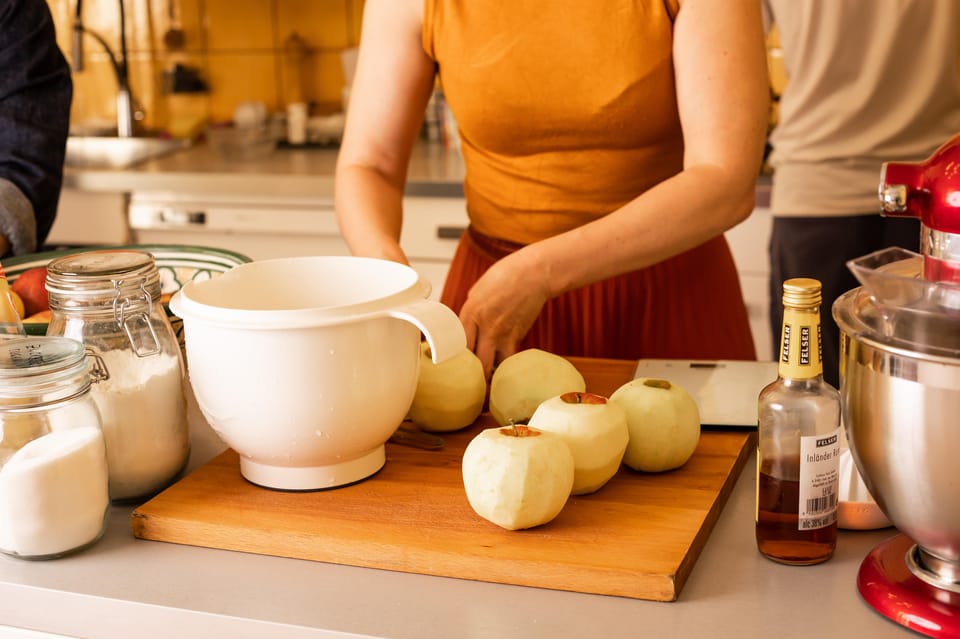
- Family recipes with real context: You learn how Austrian dishes evolved and how Lena’s family has cooked them for generations.
- You cook as much as possible: The class is structured so you’re doing the work, not just watching.
- Schnitzel and strudel from scratch: You’ll make both the main dish and dessert, not just one recipe.
- 2–3 courses, depending on group size: The menu expands or contracts based on how many people join.
- A cozy apartment setting: Intimate, apartment-cooking style in a traditional Vienna building.
- No A/C in the kitchen: Comfortable clothes matter, especially in warmer months.
Meeting Lena in a 1800s Biedermeier apartment in Vienna
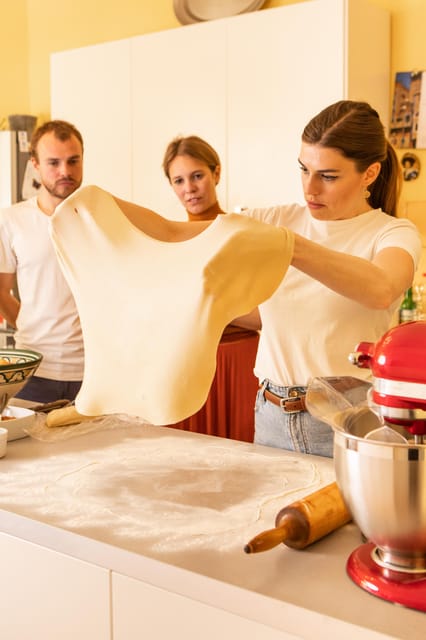
This class isn’t in a fancy cooking studio. You’ll step into a lived-in, city-center Vienna apartment and cook in Lena’s kitchen. The building is a typical Viennese Biedermeier-style house from the 1800s, and the space has that mix of antiques and modern art that feels very Vienna—old bones, modern spirit.
The practical setup is simple but important. Once you arrive, you ring Top 20. Lena opens the door, and her apartment is on the second floor on the left side. Wear comfortable clothes; cooking means you’ll be moving, standing at counters, and working with ingredients. And because there’s no air conditioning, plan for the possibility of a warm kitchen if you’re traveling in summer.
I also appreciate how personal the start feels. Lena introduces Austrian cuisine first, then connects what you’re cooking to why it matters. Austrian food here isn’t just a list of dishes—it’s a story of regional overlaps from the Austro-Hungarian Empire and neighboring influences, including Bohemia, Hungary, and Italy.
You can also read our reviews of more cooking classes in Vienna


The menu: potato soup, schnitzel with cucumber salad, and apple strudel
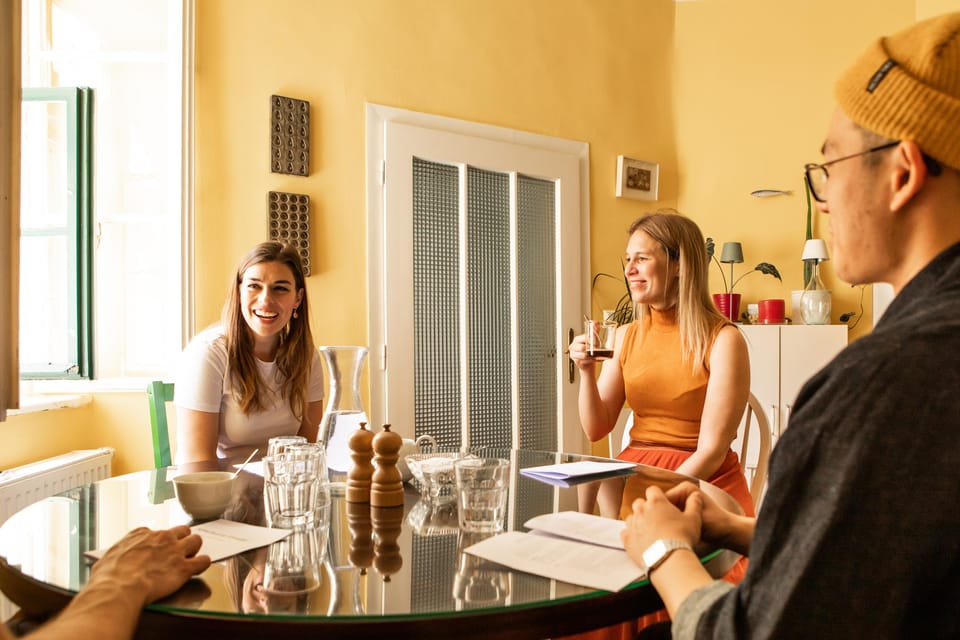
The class includes more than one dish, and it stays very focused on Austrian home cooking. Depending on how many people are in your group, you’ll prepare 2 or 3 courses. That means the exact flow can shift, but the core set of dishes stays the same.
Here’s what you’ll make:
- Viennese potato soup (Lena’s grandmother’s recipe)
- Chicken schnitzel plus cucumber salad and potato salad
- Apple strudel (freshly baked dessert)
What I like about this menu is that it covers two key Austrian comfort-food lanes. First, you get the crisp, classic dinner plate of schnitzel with sides. Second, you end with apple strudel, which is the kind of dessert people associate with Austria but rarely learn how to build properly.
You’re not just tasting these dishes. You’ll work through the steps so you can understand what makes the result taste right. And because the recipes are taken home with you, this becomes a repeatable cooking experience instead of a one-time vacation meal.
A quick note on food rules: dietary restrictions are no problem if you advise in advance. The one clear limitation is that it’s not suitable for vegans, so if that’s you, you’ll want to look for a different class type.
How the 3-hour class actually runs (and what you’re doing the whole time)
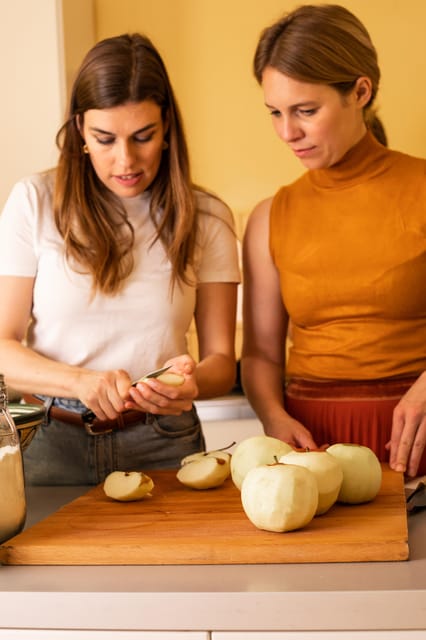
This experience lasts about 3 hours, and the structure is built to keep you active. You’ll spend all your time in Lena’s apartment—there’s no hopping around town, no waiting for transfers, no “meet here, then walk there” shuffle.
A typical rhythm goes like this:
- Meet and orientation in the apartment kitchen area.
- Quick intro to Austrian cuisine, including the influence story Lena shares.
- Hands-on cooking where you do the steps yourself as much as possible.
- Sit down and eat the dishes together.
- Take home recipes so you can recreate everything.
Why this timing matters: schnitzel and strudel both take multiple steps and small decisions. If you only had a short window, you’d end up with shortcuts or a mostly observational experience. Here, you have enough time to learn what happens during breading, frying/finishing, making sides, and getting strudel ready for baking.
One real-world consideration comes from the group setup. Groups run between 2 and 12 participants. In a smaller group, you’ll naturally get more direct time at the cutting boards and cooking stations. In a larger group, it can be harder to keep everyone working continuously, so you may get slightly less hands-on time during certain steps. The class aims to keep you doing the cooking, but group size still affects how much action you personally get.
The schnitzel lesson: crisp technique and practical Austrian sides
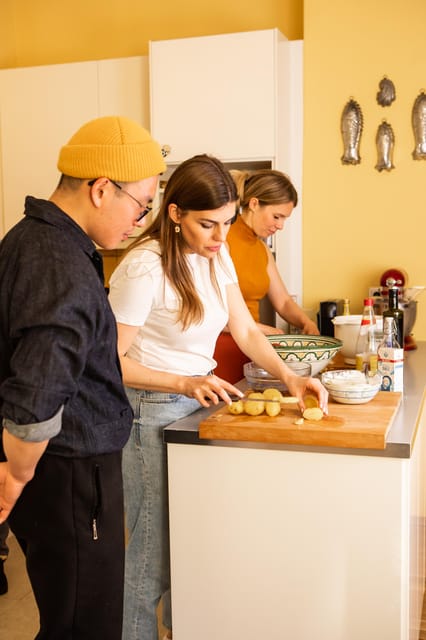
Chicken schnitzel is the headline dish, but the best part is learning how it works as a system. You’re paired with instructions that explain what you’re aiming for—texture, coating behavior, and how the finished schnitzel should feel and look when it’s ready.
And you’ll be doing more than schnitzel alone. You also make:
- Cucumber salad
- Potato salad
That matters because schnitzel in Austria usually doesn’t stand alone. You’re learning how the sides balance the plate. The cucumber salad brings freshness, while the potato salad rounds out the meal and gives it that classic comfort-food feel. When you cook the sides yourself, you understand why the dish tastes complete, not just like fried chicken.
Also, the class is set up for beginners. You don’t need prior cooking experience. Lena’s teaching approach is built around clear steps, and the atmosphere stays relaxed. It’s the kind of lesson where your goal isn’t to impress the chef—it’s to learn what to do next time you cook at home.
Apple strudel: the dessert you’ll want to repeat
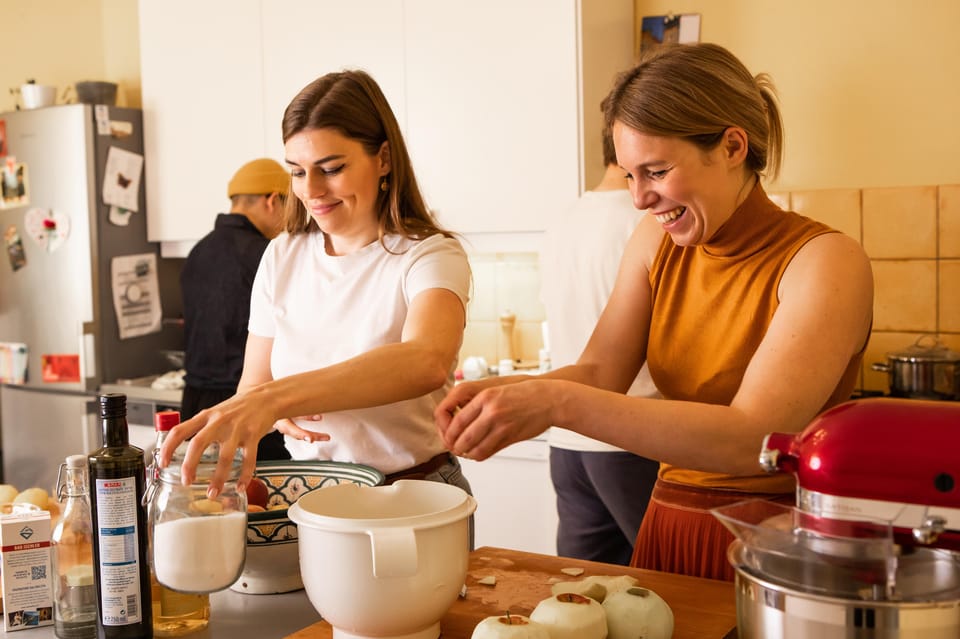
Apple strudel is the other big win. It’s a dish people order confidently in restaurants, but fewer people truly know how to make it from scratch. Here, you’ll do the work and see how the dough and filling process connect.
The class finishes with freshly baked strudel, and the satisfaction is immediate. You’re not waiting for a final product far away from your hands—you see it come together in the apartment oven and then you eat it as a group.
This is also where taking home the recipes pays off. Even if you don’t bake strudel every week, having the exact method and amounts in your own notes makes the next attempt much less stressful. Strudel recipes can vary, and this one comes with the kind of detail that helps you recreate the familiar version you ate in Vienna.
You can also read our reviews of more tours and experiences in Vienna





Dinner together: why the meal feels like part of the lesson
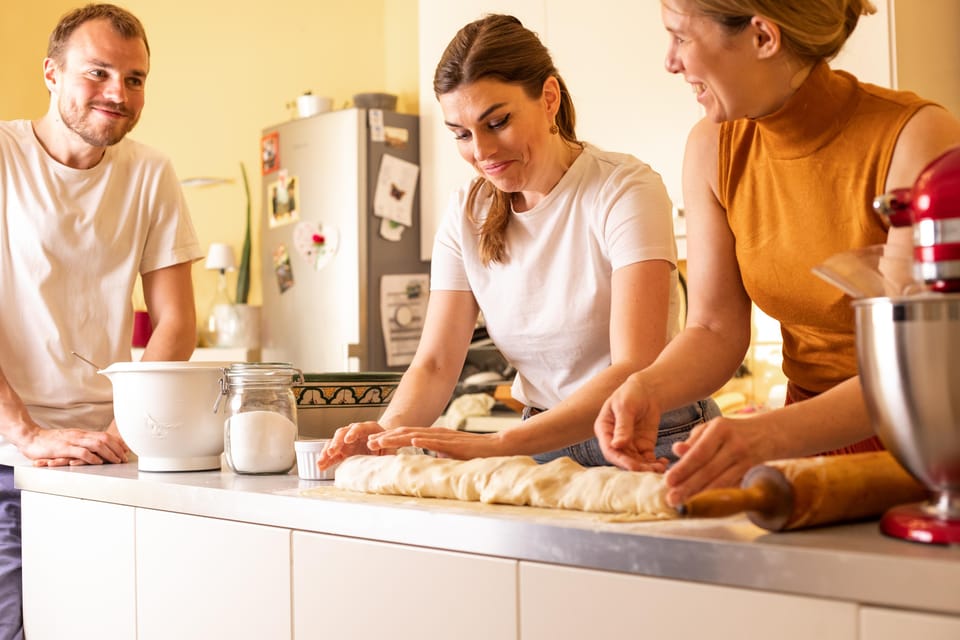
After cooking, you sit down and eat what you made with your fellow participants. That shared meal matters more than it sounds. It helps you connect the technique to the taste right away.
You’ll also get a natural sense of what “right” looks like. People who are new to schnitzel or strudel still know whether the result feels like the classic Austrian version. When your plate matches your expectations, you’re more likely to repeat it later.
One bonus if you’re traveling with kids: the class format is very engaging, and it gives families something structured to do together. The group meal also turns the experience from a solo cooking project into a shared dinner table moment.
Value check: $153 and what you’re actually paying for
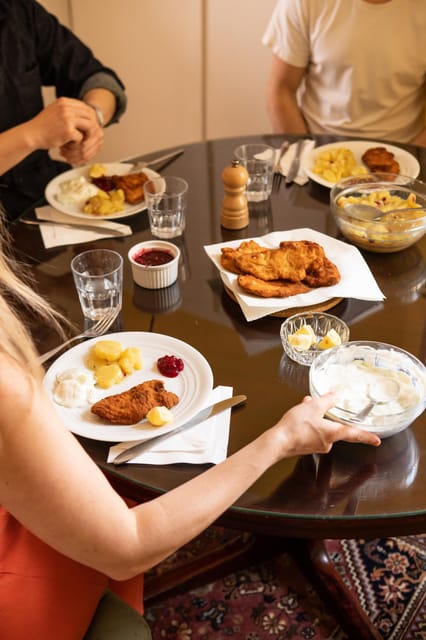
At $153 per person for a 3-hour class, the price can look steep at first glance—until you break down what’s included. You’re getting:
- Ingredients for the dishes
- Dinner (the meal you cook)
- Recipes to take home
- A local chef/instructor who teaches the steps in English or German
- A full apartment-based cooking experience with no added local fees for the core activity
You’re also paying for time and instruction. A schnitzel-and-strudel meal at home takes effort: prep, cooking, cleanup, and learning the method. Here, you’re buying the shortcut: the thinking and the technique, delivered in a relaxed setting.
So who gets the best value? People who want to learn a skill, not just eat a meal. If you’d rather buy dinner and call it a day, you might not use the recipes much. But if you like cooking or want a “Vienna lesson” you can recreate, the take-home instructions make the cost easier to justify.
Group size, comfort, and food needs: the practical considerations
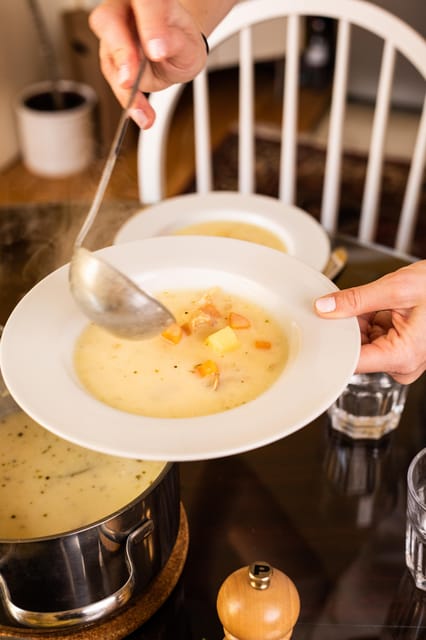
Let’s be honest: apartment cooking is cozy, and that can affect comfort. Kitchens don’t have room for everyone to work at once, and group size affects how much active prep each person gets. Groups are 2 to 12, so if you want maximum hands-on time, smaller groups are your friend.
Comfort-wise, bring comfortable clothes. There’s no air conditioning in the kitchen, and summer heat can creep in. Also, the class is fully handled in the apartment, so you’ll likely stand and work for stretches.
What about dietary restrictions? Lena says dietary restrictions are no problem if you tell her in advance. The class is not suitable for vegans, though, so plan accordingly.
One more practical note: containers for leftovers are optional but helpful. The class includes dinner and you’ll likely eat what you made. Still, if you want leftovers, bring containers if you have them.
And alcohol? Alcoholic beverages are not included. If you like pairing your meal with a drink, plan on that being separate.
Who should book this Vienna schnitzel and strudel class?
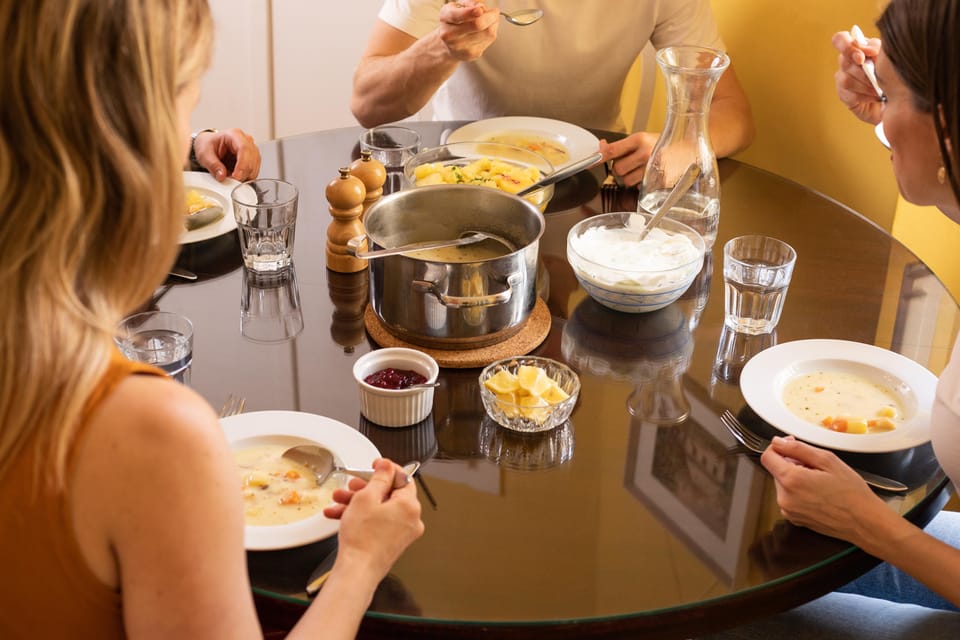
You’ll enjoy this class most if you fit one of these profiles:
- You want classic Austrian skills you can repeat at home, not just a one-time meal.
- You like hands-on activities where you’re cooking the full meal.
- You’re traveling with friends or family and want a shared experience with structure.
- You’re visiting Vienna and want something grounded in real home cooking—family recipes, not a performance.
You might skip it if:
- You’re strongly vegan (this class isn’t suitable for vegans).
- You hate the idea of a warm kitchen without A/C in summer.
- You’re hoping for a mostly observational show. This is built for participation, though group size can limit how constant your hands-on time is.
Should you book it? My take
I think this is a smart booking if you want a genuine Vienna food memory that goes beyond eating. The combination of family recipes, a clear cooking process, and take-home instructions turns it into something you can recreate—so your trip keeps paying off after you go home.
If you’re price-sensitive, I’d treat it as a skills class first and a dinner second. You’re not paying for a tour bus. You’re paying for time with Lena, ingredients included, and the know-how to make schnitzel and apple strudel in your own kitchen.
If you want, tell me your travel month and group size (just you, couple, or family). I can help you decide whether timing and group size are likely to suit your comfort and hands-on goals.
FAQ
How long is the cooking class?
The class runs for about 3 hours.
Where do I meet for the class in Vienna?
You meet in the instructor’s apartment in the city center. When you arrive at the building, ring Top 20. The apartment is on the second floor on the left side.
What dishes will we make?
You’ll learn to make Viennese potato soup, chicken schnitzel with cucumber salad and potato salad, and apple strudel for dessert.
Do I need prior cooking experience?
No. No prior cooking experience is expected.
Are dietary restrictions accommodated?
Dietary restrictions are no problem if you advise in advance. The class is not suitable for vegans.
Is transportation included to and from the activity?
No. Transportation to and from the activity is not included.
What should I bring?
Bring a camera and wear comfortable clothes suitable for cooking. If you want leftovers, it’s suggested to bring containers.
What is included in the price?
The price includes ingredients, recipes, and dinner. Everything is included for the class so you do not need to bring anything for the cooking itself. Alcoholic beverages are not included.