REVIEW · VIENNA
Vienna: Heidi Horten Collection Museum Entry Ticket
Book on GetYourGuide →Operated by Heidi Horten Collection · Bookable on GetYourGuide
Pop art meets palace quiet in Vienna.
This museum is a great pick when you want major modern art without the fuss, plus an architecture story you can literally walk through. You get the permanent show KLIMT ⇄ WARHOL, a sculpture garden right outside, and a free audio guide that helps you move at your own pace.
I especially like the way the museum frames ideas, not just paintings. The KLIMT ⇄ WARHOL exhibition is built around icons and their visual “dialogue,” and it’s paired with an architecturally distinctive display designed by Markus Schinwald. I also like the added layers: the Tea Room on the first floor and the museum’s sculpture garden set in front of a former Habsburg palace.
One thing to keep in mind: this ticket is self-guided. A guided tour is not included, so you’ll want to rely on the free Smartify audio guide (in English or German) to get the most out of the art and design choices.
In This Review
- Key highlights to plan your visit
- Entering the Heidi Horten Collection: turnstiles, phones, and timing
- Start outside: the sculpture garden in front of a former Habsburg palace
- The architecture comes first: Schinwald’s Tea Room and a building as artwork
- KLIMT ⇄ WARHOL: how the museum builds a conversation between icons
- The Line (Die Linie / The Line): a temporary show that follows one idea across decades
- Smartify audio guide: the fastest way to turn a self-guided visit into something meaningful
- Price and value: $18 entry, plus architecture and both shows
- Museum rules: what to avoid so you don’t lose time
- Who should book this ticket (and who might skip it)
- Should you book the Heidi Horten Collection entry ticket?
- FAQ
- How do I enter the museum?
- What’s included with the entry ticket?
- Is a guided tour included?
- Are luggage and large bags allowed?
- Which exhibitions can I see with this ticket?
- Is the museum wheelchair accessible?
Key highlights to plan your visit
- Sculpture garden first: start outside in the garden directly in front of the museum
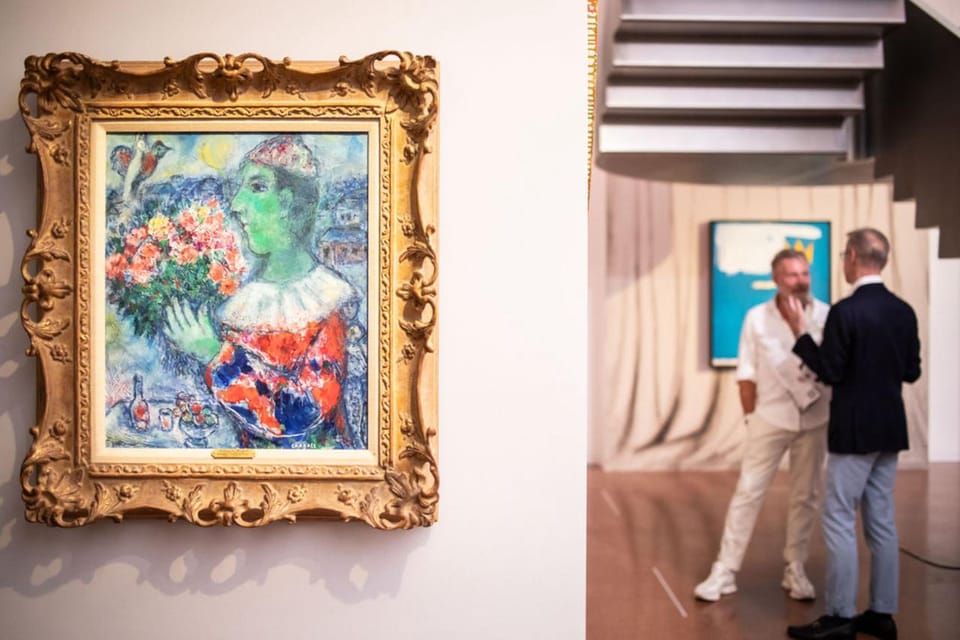
- KLIMT ⇄ WARHOL permanent exhibition: icons by both artists plus a strong mix of modern names
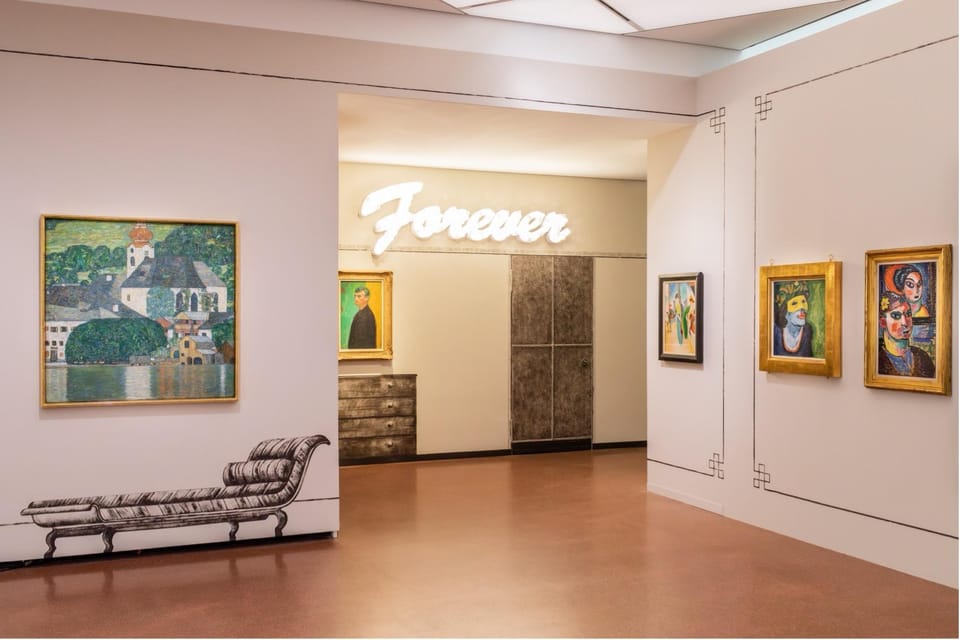
- Tea Room on the first floor: a designed room combining a parlour vibe with a cabinet of curiosities feel (Schinwald and Kupelwieser)
- The Line temporary show (until 8 March 2026): see how one element—the line—evolves across eras and continents
- Free Smartify audio guide: English or German on your mobile, designed for a smooth walk-through
- Go straight to the turnstiles: validate your ticket right at the entrance
Entering the Heidi Horten Collection: turnstiles, phones, and timing
To get in smoothly, don’t wander around looking for desks. Your meeting point is simple: go directly to the museum’s turnstiles and validate your ticket. Since the ticket is listed as skip-the-ticket-line, your goal is to be ready the moment you arrive.
The biggest practical tip is about your phone. Your ticket is likely on your mobile, and the museum will need to scan/accept it at the entry point. I recommend you check that your screen is bright enough and your ticket is easy to read before you reach the turnstiles, not after. One small snag (like a ticket that won’t scan well) can turn a fast entry into a slow one.
Also plan for the museum rules right away. No large bags and no flash photography means you’ll want to travel light. If you have a big day in Vienna planned, consider keeping only what you need for art viewing.
You’re not locked into a fixed route, though. With a 1-day validity window, you can pace yourself for the architecture, the permanent show, and the temporary exhibition.
You can also read our reviews of more tours and experiences in Vienna
Start outside: the sculpture garden in front of a former Habsburg palace
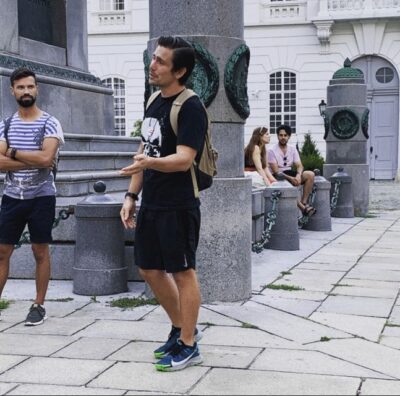
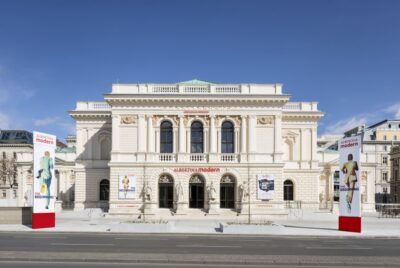
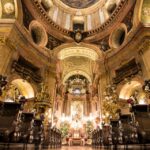
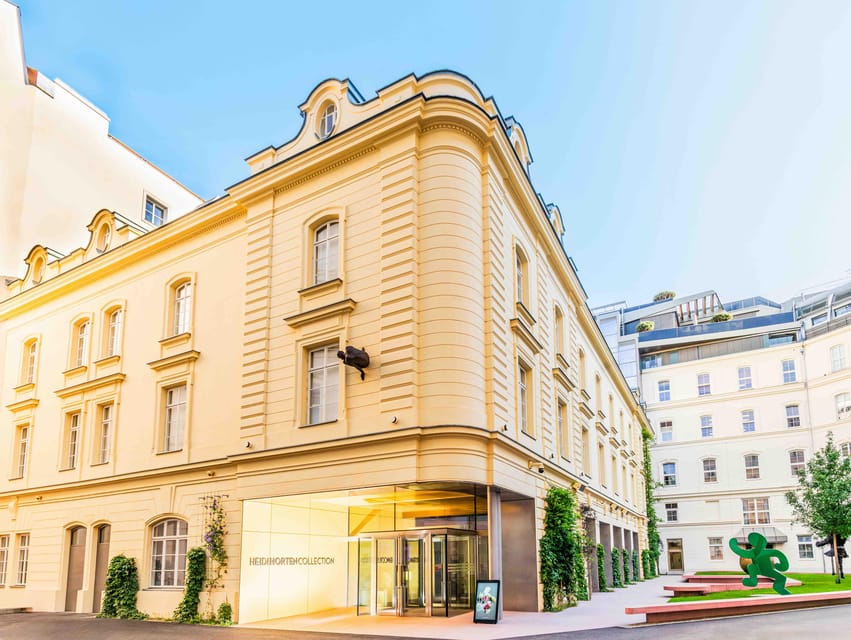
I like beginning with the sculpture garden because it sets the tone before you see the galleries. It’s located directly in front of the museum, in a space connected to the former Habsburg city palace. That matters. You’re going from imperial Vienna atmosphere into modern art, and the transition feels intentional rather than random.
This is also where the museum’s “total work of art” idea starts to make sense. The building isn’t just a container for exhibitions. It’s presented as part of a larger designed environment, and the garden helps you clock that from the first minute.
Use this time to get your bearings. Even if you’re not sure where you’ll spend the most time, a quick garden look helps you understand how you’ll move once inside. You’ll also get an outdoor break before you settle into the concentrated world of modern and contemporary works.
If you’re the type who appreciates design and setting as much as the artworks, this opening stop can be a standout. It’s also a nice “reset” when you’re visiting Vienna in busy seasons.
The architecture comes first: Schinwald’s Tea Room and a building as artwork
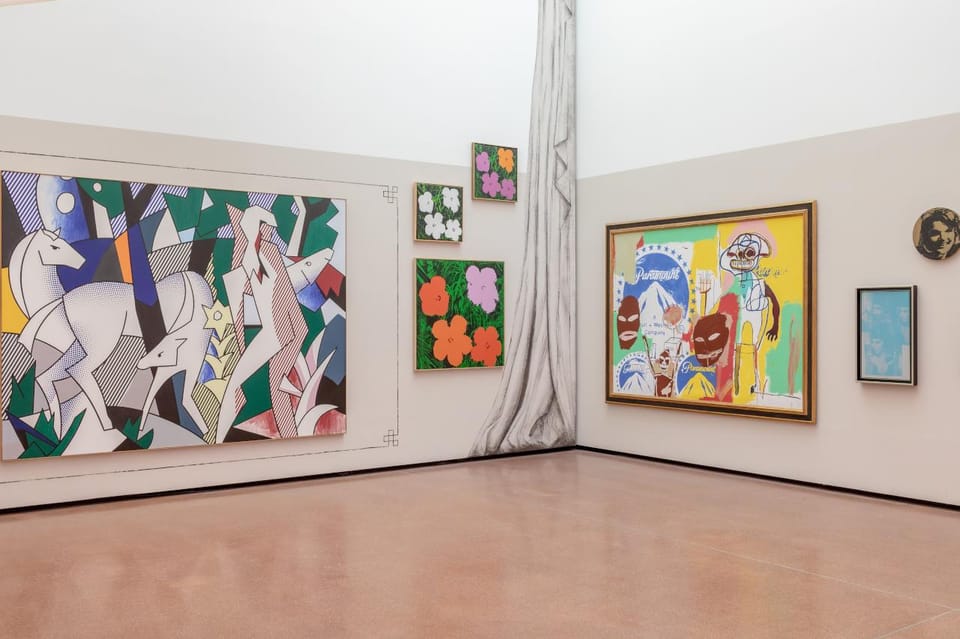
Inside, the Heidi Horten Collection delivers something many art museums only promise: the architecture is part of the experience, not a background detail. The museum is described as a total work of art, and you can feel that when you start connecting rooms, displays, and atmosphere.
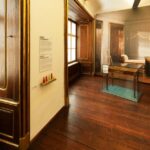
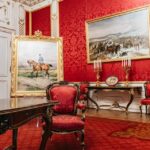
One spot you’ll want to plan for is the Tea Room on the first floor. It was designed by Markus Schinwald together with Hans Kupelwieser, and it’s presented as a combination of parlour and a cabinet of curiosities. That’s a useful description because it signals what to look for: this is not a normal café break room. It’s a designed space that displays treasures and valuable handicrafts from three centuries.
Why does this matter for your art day? Because it trains your eye. Before you jump into modern masterpieces, the Tea Room encourages you to notice objects, craft, and presentation—skills that translate directly to how the museum shows modern works.
There’s also a practical planning note for a specific date window: from 9 to 26 March 2026, only one floor of the museum is accessible, and the ticket price is reduced. If you’re visiting during those dates, it changes how you should structure your time. In that case, you’ll want to focus on what’s open and avoid over-planning for a full multi-floor route.
KLIMT ⇄ WARHOL: how the museum builds a conversation between icons
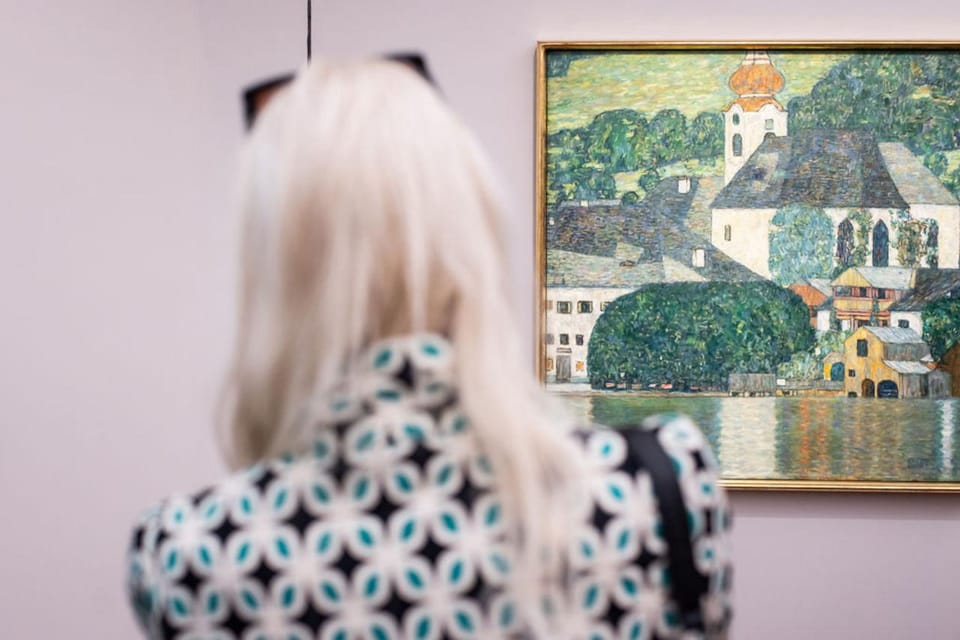
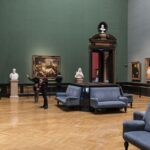
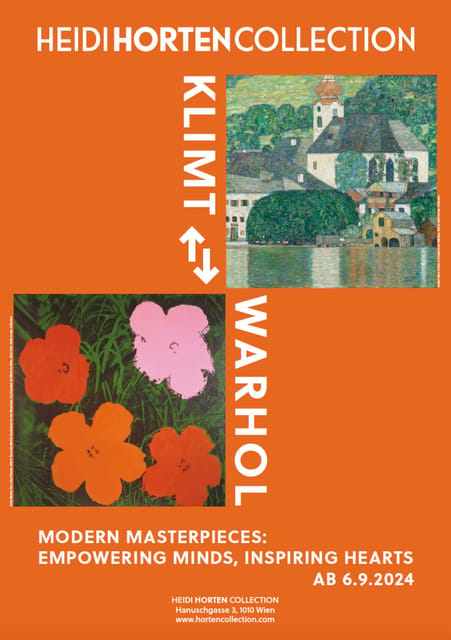
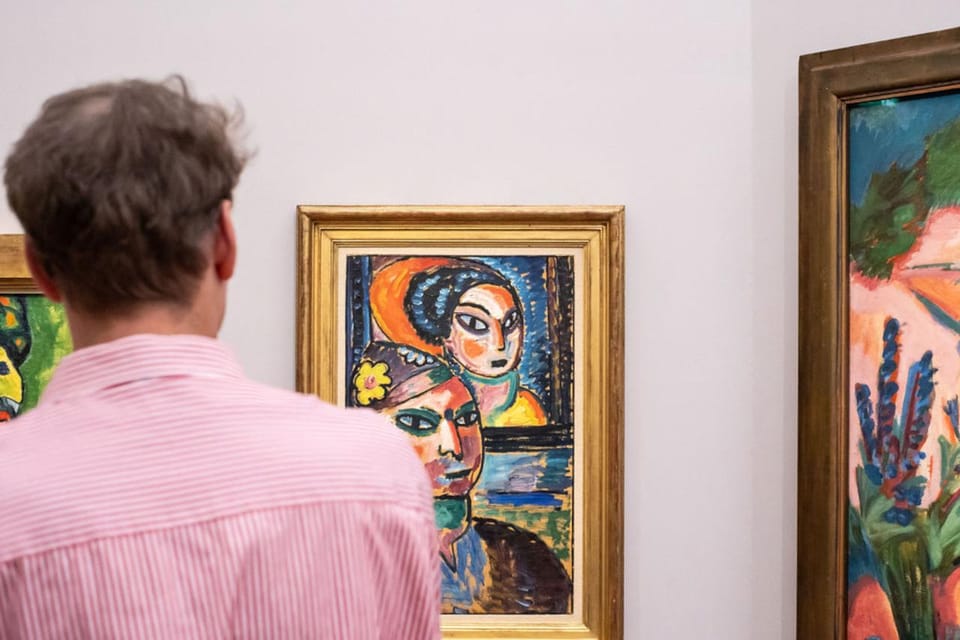
The permanent exhibition KLIMT ⇄ WARHOL. Modern Masterpieces is the big reason many people come. It’s built around icons by both Gustav Klimt and Andy Warhol, and it shows you how modern and contemporary art developed through the twentieth century.
What I like here is the museum’s emphasis on dialogue, not just a collection of famous names. You don’t simply read a list of artists. The presentation is designed to help you see connections—stylistic echoes, shifts in subject matter, and changing ideas about what art can do.
A key detail: the exhibition’s display was designed by Markus Schinwald, which ties the show directly into the museum’s larger architectural concept. If you like when a museum’s design choices support the artwork’s meaning, you’ll likely appreciate this.
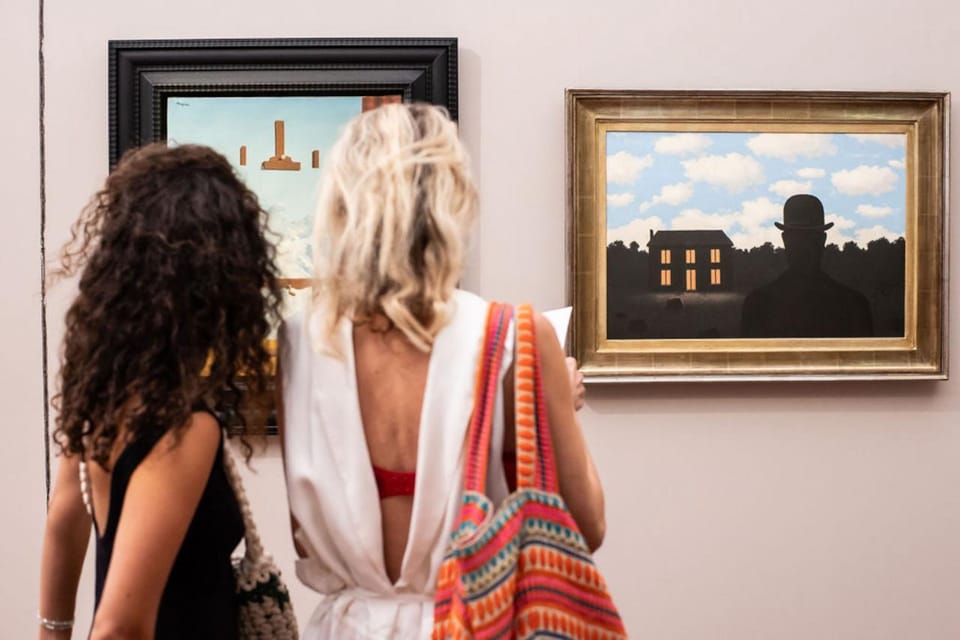
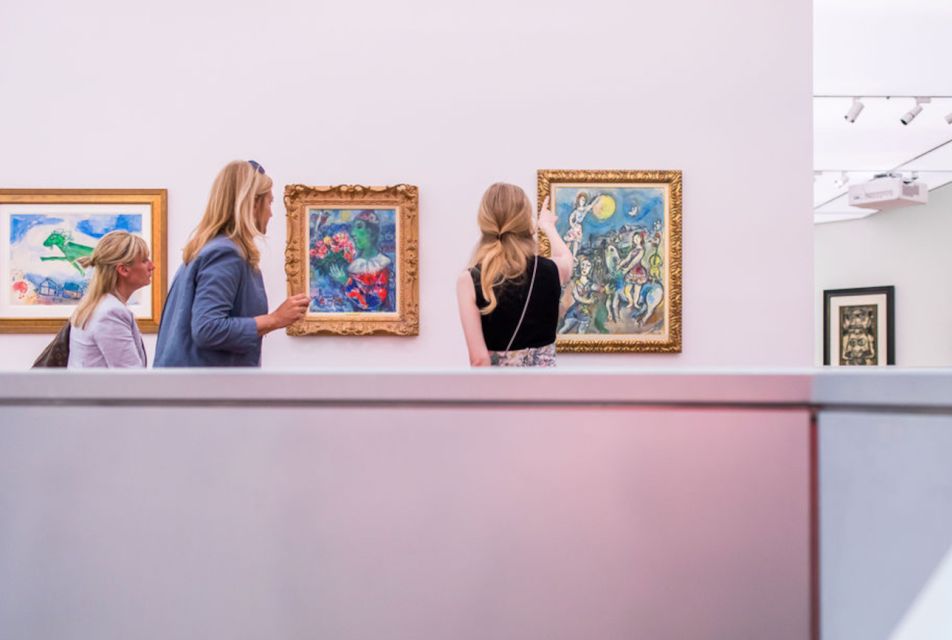
You’ll see major international names in the mix, including Francis Bacon, Georg Baselitz, Jean-Michel Basquiat, Marc Chagall, Kees van Dongen, Lucio Fontana, Keith Haring, Damien Hirst, Paul Klee, Yves Klein, Roy Lichtenstein, René Magritte, Pablo Picasso, Robert Rauschenberg, Gerhard Richter, Mark Rothko, and many more alongside Klimt and Warhol. That list is impressive, but the practical question is how to manage it without feeling overwhelmed.
My suggestion: spend time on fewer works and read the labels closely where you see contrasts. Look for what changes between eras—how color is used, how portraits are handled, and how modern art challenges older ideas about beauty and craft.
The Line (Die Linie / The Line): a temporary show that follows one idea across decades
Then there’s the temporary exhibition Die Linie / The Line, running until 8 March 2026. This show is built around something simple to say and hard to appreciate fully without seeing it in person: the line as a fundamental element of art.
The exhibition invites a journey across time and places, starting from Vienna around 1900 and moving through the art world of the 1960s to the present day. That timeline is a big deal because lines are one of those tools artists use differently depending on the moment—sometimes for drawing and description, sometimes for rhythm and structure, sometimes for pure visual energy.
You can expect masterworks by artists such as Paul Klee, Lucio Fontana, Roy Lichtenstein, Egon Schiele, Jackson Pollock, Agnes Martin, Andy Warhol, and Chiharu Shiota, plus more. Seeing these names in one thematic frame helps you connect their approaches without needing a PhD in art history.
Practical approach: don’t just look at the lines. Ask what the line is doing—dividing space, forming a figure, breaking boundaries, or turning motion into a visual trace. If you’ve ever felt that modern art is too abstract to enter, this exhibition can be a helpful bridge, because it gives you a starting point that even non-experts can track.
You can also read our reviews of more museum experiences in Vienna




Smartify audio guide: the fastest way to turn a self-guided visit into something meaningful
You’re getting a free Smartify audio guide included with the entry ticket. It’s available in English or German, and it’s designed for a mobile tour, so you can follow at your own pace.
For self-guided museums, audio guides are the difference between reading labels and actually learning something. Use it like a steering wheel, not like homework. Pick a few stops you care about most—then play the relevant audio for those works and rooms. If you try to follow every single track back-to-back, you’ll likely burn out before the end of the day.
Here’s a simple way to get value out of it:
- Start the permanent exhibition with the audio, so you understand the overall logic first
- Use the audio again in the temporary show if you want the line-theme framework explained
- Save the architecture and Tea Room for later if you prefer context once you’ve seen the art
Also, if you prefer more structure, the museum indicates you can join private guided experiences or creative workshops in the museum studio. Those are not included in this entry ticket, but it’s useful to know they exist if you decide you want more guidance than audio alone.
Price and value: $18 entry, plus architecture and both shows
The ticket price is listed at about $18 per person. That may sound like a lot until you look at what’s included: entry to the Heidi Horten Collection plus the free audio guide on your mobile, and you’re also set up for skip-the-ticket-line entry.
Value here comes from variety in a compact format. You’re not paying just for one gallery of art. You’re paying for:
- the permanent show KLIMT ⇄ WARHOL
- the temporary show Die Linie / The Line
- the museum’s architecture and the Tea Room design
- the sculpture garden outside as part of the experience
There’s also a specific discount window worth knowing. From 9 to 26 March 2026, only one floor is accessible, and the entrance ticket price is reduced from EUR 16 to EUR 12. If your dates fall in that range, the math gets even better. You’ll likely want to adjust your plan so you don’t feel like you’re waiting for a floor that’s closed.
If you strongly prefer a guided tour with live explanations, this ticket alone won’t satisfy that need. But if you enjoy choosing your own pace and using audio as your guide, this is a fair deal.
Museum rules: what to avoid so you don’t lose time
The museum is clear about what you can’t bring in. No luggage or large bags are allowed. Pets aren’t allowed, though assistance dogs are allowed. Flash photography is not permitted. Umbrellas are also not allowed.
This is one of those places where a little planning saves hassle. Keep what you carry to a minimum. If you’re coming from a long day of walking and sightseeing, avoid bringing a big tote or anything you’d rather not check.
If you’re the type to bring a full daybag with everything possible, you might want to switch tactics for this visit. Think light and easy—so your day stays about art and not about what you can and can’t carry through security.
Who should book this ticket (and who might skip it)
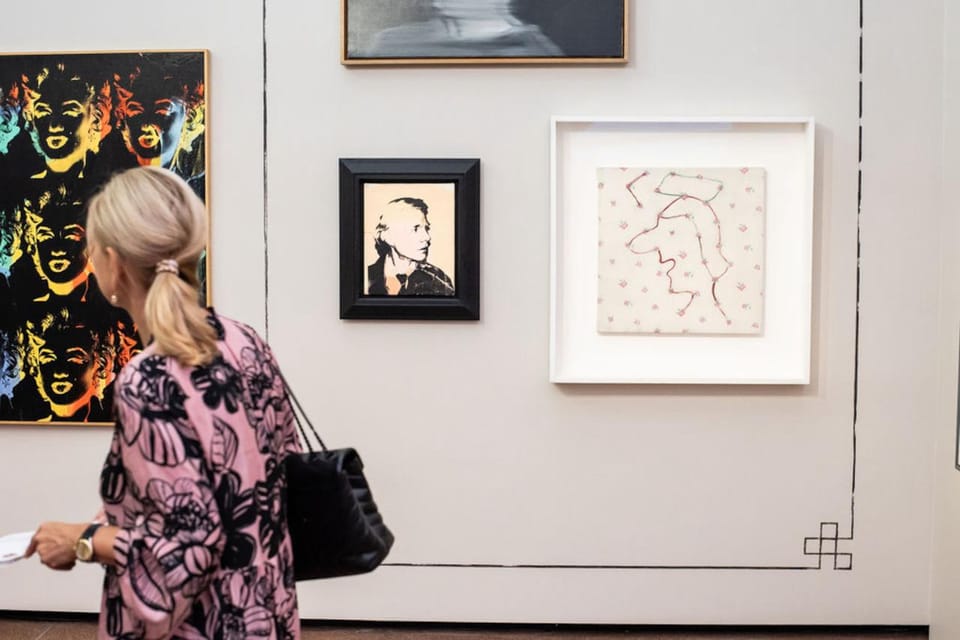
I think this ticket fits best if you want a strong mix of modern and pop art plus design. The permanent exhibition KLIMT ⇄ WARHOL is perfect if you like learning how artists reshape icons and styles over time. The temporary show, The Line, is ideal if you enjoy art themes you can track through different media and eras.
It’s also a great match for anyone who loves architecture and room design. The Tea Room and the overall building-as-art approach give you another layer beyond paintings and sculptures.
A practical plus: the museum is wheelchair accessible. That matters because it helps you plan a visit that includes the spaces you want, not just the ones with stairs and tight pathways.
I’d consider skipping (or at least adding another art-learning plan) if you need live narration. Guided tours are not included with this ticket, and the self-guided format means the audio guide is your main teacher.
Should you book the Heidi Horten Collection entry ticket?
If you want a smart 1-day art stop in Vienna’s historic center, I’d book it. You’re getting more than a standard museum visit: you get the sculpture garden, an architecture-forward building, the Tea Room designed by Markus Schinwald and Hans Kupelwieser, and two major exhibitions—permanent KLIMT ⇄ WARHOL plus the thematic temporary show Die Linie / The Line until 8 March 2026.
Book it especially if you like modern art, and you’re comfortable learning through an audio guide. The price feels reasonable for the amount of content and the included Smartify tour.
The only strong reason to hesitate is if you’re relying on a guided tour experience. This ticket won’t give you that by default. Also, if you’re visiting in 9–26 March 2026, note that only one floor is accessible, so plan around what will actually be open.
FAQ
How do I enter the museum?
Go straight to the museum’s turnstiles to validate your ticket.
What’s included with the entry ticket?
You get entry to the Heidi Horten Collection plus a free Smartify audio guide on your mobile phone (English or German).
Is a guided tour included?
No. A guided tour is not included with this ticket.
Are luggage and large bags allowed?
No. Luggage or large bags are not allowed.
Which exhibitions can I see with this ticket?
You can see the permanent exhibition KLIMT ⇄ WARHOL. Modern Masterpieces and the temporary exhibition Die Linie / The Line (until 8 March 2026).
Is the museum wheelchair accessible?
Yes. The museum is wheelchair accessible.
If you want, tell me your travel dates and what else you’re doing in Vienna that day, and I’ll help you map a realistic order for seeing the permanent show, the Tea Room, and The Line without feeling rushed.