REVIEW · VIENNA
Vienna: Highlights Walking Tour with a Local Guide
Book on GetYourGuide →Operated by Guydeez Tours · Bookable on GetYourGuide
Vienna turns into a walkable story. In about 3 hours, you connect the city’s imperial palaces and baroque flourishes to the bigger political and cultural picture, from Maria-Theresien-Platz to St. Michael’s Church. I especially like how the stops are packed with context, so landmarks don’t feel like random photos, and how guides can make the architecture click into place fast—whether that’s Hugo’s jokes or Nathalie’s warm, detail-heavy storytelling. One thing to watch: language. The tour is offered in English, French, and Spanish, but I saw cancellations when Spanish guides weren’t available, so double-check language fit when booking.
The route is designed for momentum. You’ll move through a cluster of top sights, including Ringstrasse’s major civic buildings and the Kunsthistorisches Museum area, while still keeping it walkable. A potential drawback is simply pace: you’re seeing a lot in 3 hours, so if you prefer slow wandering and long museum time, you may want to plan an add-on visit afterward.
In This Review
- Key things I’d plan around
- A 3-hour route that hits Vienna’s “big idea”
- Starting point on Babenbergerstraße 9: set your bearings
- Neue Burg and the Hofburg area: where politics turns into stone
- A quick stop by the Danube area: context beyond the palace blocks
- Burgtor: a triumphal arch with a defensive backstory
- Kunsthistorisches Museum: why palaces feel different from museums
- Ringstrasse: the former fortress line turned into a grand boulevard
- Maria-Theresien-Platz: twin museums and the Empress in the middle
- Heldenplatz and St. Michael’s Church: the tour ends in older Vienna
- Price and value: is $38 a smart buy?
- Language matters more than people expect (English, French, Spanish)
- Who this tour is perfect for
- Should you book this Vienna highlights walking tour?
- FAQ
- How long is the Vienna highlights walking tour?
- How much does it cost?
- Where do we meet the guide?
- What sights are included on the walk?
- Is the tour available in different languages?
- Is there a private group option?
- Is the tour wheelchair accessible?
- What’s included in the price?
- Is there free cancellation?
- Can I reserve without paying right away?
Key things I’d plan around
- Maria-Theresien-Platz first: a quick, high-impact overview of Empress Maria Theresa and the two great museums flanking the square
- Ringstrasse’s transformation: how a former defensive line became a boulevard of big-name architecture
- Burgtor and Hofburg vibes: a photo-friendly gateway tied to Vienna’s history and old walls
- Kunsthistorisches Museum context: how the palace-like setting supports the royal art story
- End at Heldenplatz + St. Michael’s Church: a classic shift from formal imperial space to one of the city’s oldest churches
- Guide quality makes the difference: I’d choose this tour mainly for the guide—Hugo, Nathalie, Ge, and Gulam all came through strongly in past tours
A 3-hour route that hits Vienna’s “big idea”
This Vienna highlights walking tour is built for people who want the headline scenes without spending the whole day scheduling. You start at Babenbergerstraße 9, then the walk threads through the imperial center like someone drew a line from power, to culture, to the human scale of an old church.
I like that the tour doesn’t treat Vienna as a list of buildings. The guide’s job is to link each place to what was happening in the city and why it looks the way it does—so you’re not just collecting landmarks. That’s also where guide choice matters most. In past tours I’ve learned that personalities like Hugo (funny, laughter-friendly), Gulam (humor plus deep detail), Ge (helpful and responsive), and Nathalie (dynamic and enthusiastic) can turn a 3-hour walk into a real understanding of the city.
The other big practical upside: you’re moving between several major stops efficiently. At $38 per person for 3 hours, the price feels fair when you think about the convenience of having someone map the logic of the city for you. You’re paying for guided interpretation and time saved, not just walking next to buildings you could find on your own.
You can also read our reviews of more walking tours in Vienna
Starting point on Babenbergerstraße 9: set your bearings
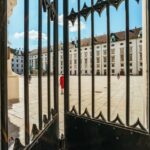
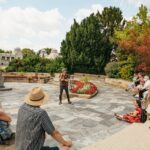
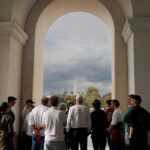
You’ll meet your guide at Babenbergerstraße 9. This matters more than you might think. Vienna’s center can feel orderly, but it’s also easy to get turned around because landmarks sit close together yet belong to different eras. Starting with a guide helps you orient quickly so every next stop lands in your head.
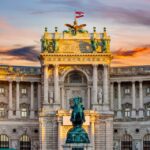
The tour begins with the Neue Burg, part of the Hofburg cultural complex. You’ll get a photo stop and guided walk there, with time to look rather than rushing. This first segment is a smart warm-up because it frames the imperial world you’re about to see: Vienna wasn’t built as one style or one decade. It’s layers—power and taste updated over time.
Neue Burg and the Hofburg area: where politics turns into stone
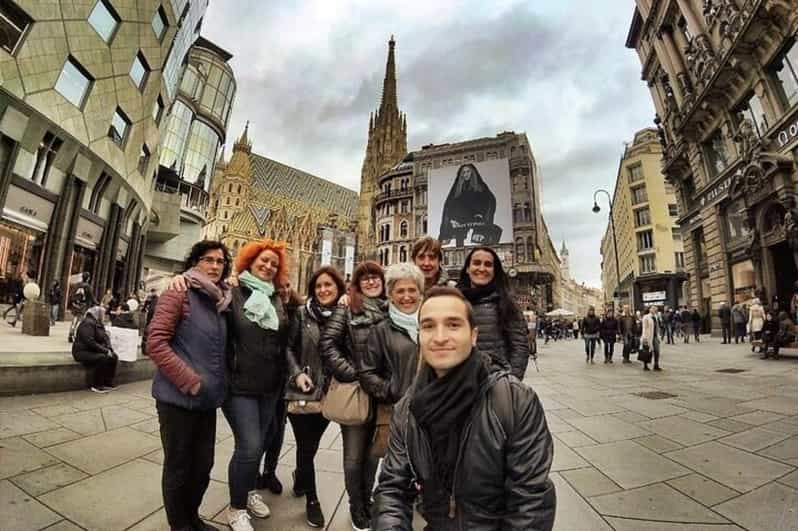
The Neue Burg connection to the Hofburg gives you the imperial “center of gravity.” Even if you’re not an architecture expert, you can feel what the area is trying to communicate: authority, permanence, and cultural ambition.
From a practical viewpoint, this early stop is also a pacing tool. The first 30 minutes help you settle into the walk rhythm while your guide explains what you’re looking at and what to notice later. If you’re hoping the rest of the tour is more than just photos, this start is where that expectation gets set.
A quick stop by the Danube area: context beyond the palace blocks
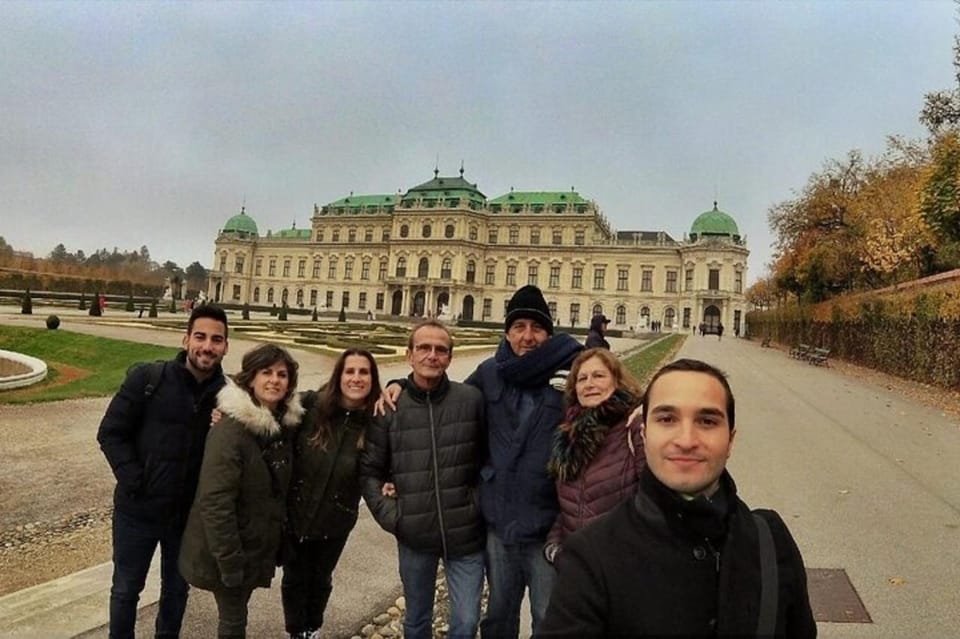
The itinerary includes a segment labeled Danube, Austria, with a photo stop and guided time. Even without a long scenic break, this kind of stop is useful because it reminds you Vienna isn’t only about buildings. The river and the city’s geography have always shaped trade, movement, and development.
If you’re the type who likes cause-and-effect—how a city’s location creates its growth—this stop is worth paying attention to. If you’re mainly there for architecture, you can still use the guide’s explanation to connect why certain districts grew the way they did.
Burgtor: a triumphal arch with a defensive backstory
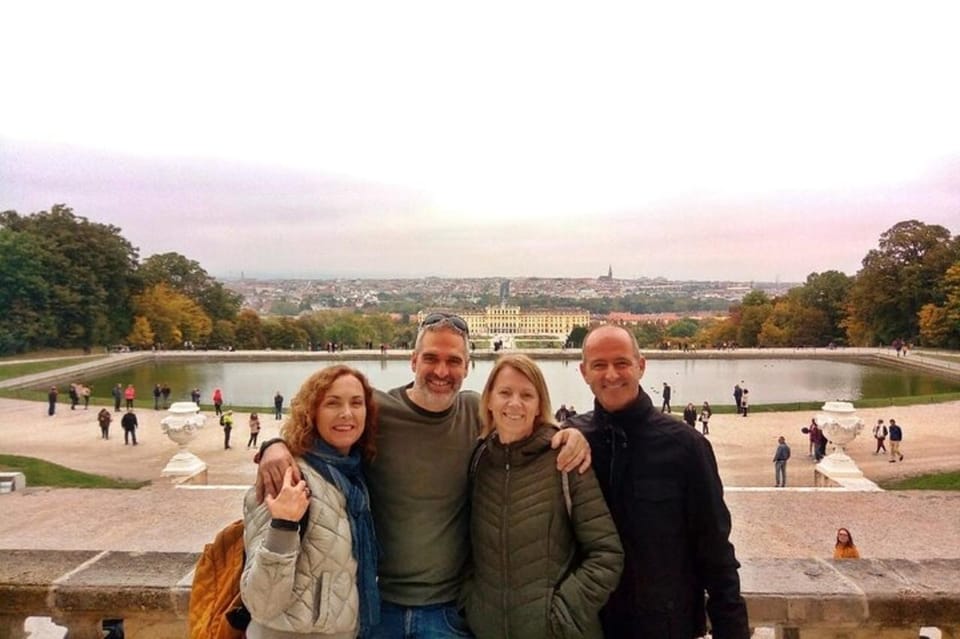
Next comes Burgtor, a major arch tied to Vienna and the defeat of Napoleon by Vienna and its allies. That title alone tells you this isn’t just decorative. It’s propaganda made of stone: victory, unity, and the idea that Vienna stands strong.
Burgtor also works visually during a walking tour because it’s a strong focal point. You can circle your attention around it quickly, get the historical thread from your guide, and then keep moving without losing the narrative.
One watch-out: because it’s a classic photo stop, the area may be busy at certain times. If you want a clean shot, plan to wait your turn rather than rushing. The guide’s timing helps here, especially when they’re managing the group’s flow.
You can also read our reviews of more guided tours in Vienna
Kunsthistorisches Museum: why palaces feel different from museums
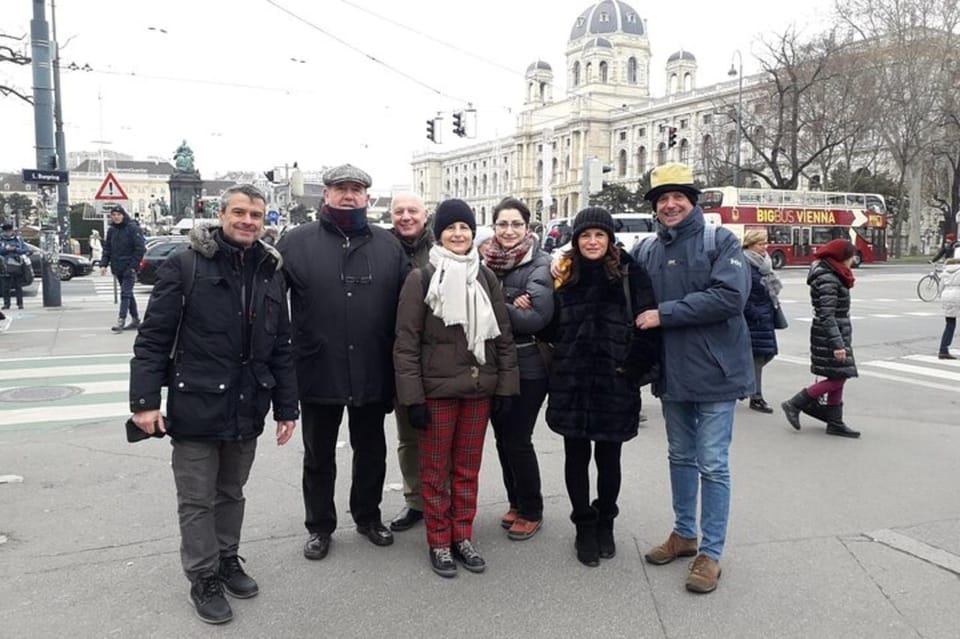
The tour spends time at Kunsthistorisches Museum, described as a royal-art setting with a palatial façade. This is a key moment on the walk because it bridges what you’ve been seeing: civic grandeur at Ringstrasse, imperial space near Hofburg, and then art housed like it belongs to power.
Even if you don’t go inside for a full museum session, I like what this stop accomplishes. Your guide can point out how the building’s scale and design tell you what kind of institution it is. You start to see it not as a random must-see museum, but as part of Vienna’s system for collecting culture—and showing it.
If you love art and want more, you can treat this stop as a teaser. The tour gives you enough context to know what to look for when you return on your own time.
Ringstrasse: the former fortress line turned into a grand boulevard
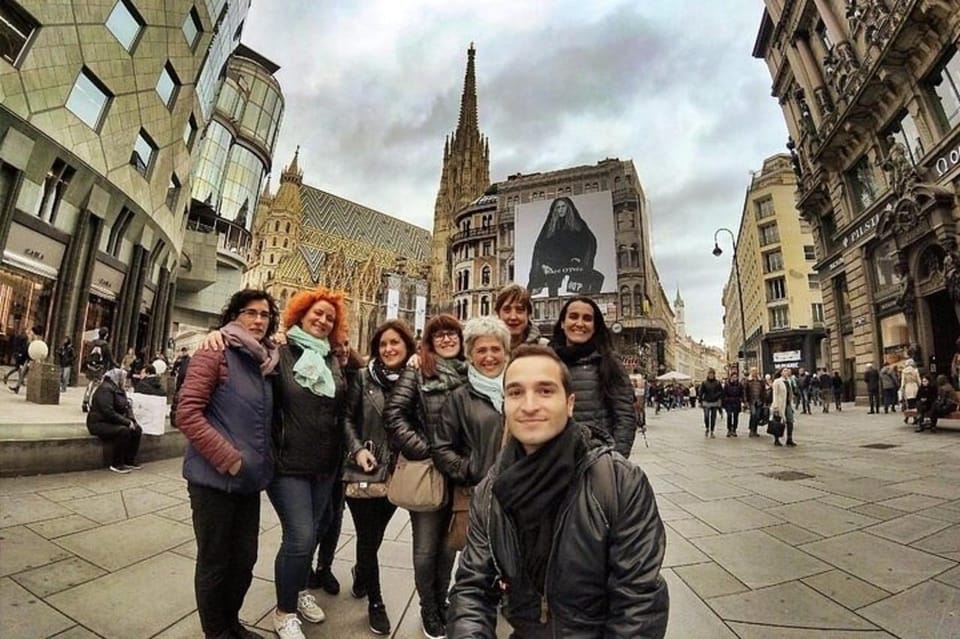
Ringstrasse is the heart of the architecture story on this walk. The guide frames it as a former medieval fortification area turned into a boulevard lined with major civic and cultural buildings.
This segment is where the tour can feel most satisfying, because the buildings aren’t just pretty. The names and functions matter. You’ll see references to City Hall, Parliament, Burgtheater, and Vienna State University, all part of the boulevard’s theatrical mix of governance, education, and culture.
Why this matters for you: Ringstrasse is one of those places where you can easily walk past details and miss the overall logic. With a guide, you learn what the architecture is signaling—how Vienna projected identity through public works. And because the walk stays moving, you get the feeling of the whole boulevard instead of stopping at one building and calling it a day.
The drawback here is purely time. The tour gives you photo stops and guided time, but it’s not a multi-hour architecture masterclass. If you want to study façades like a student, you’ll need a follow-up walk later.
Maria-Theresien-Platz: twin museums and the Empress in the middle
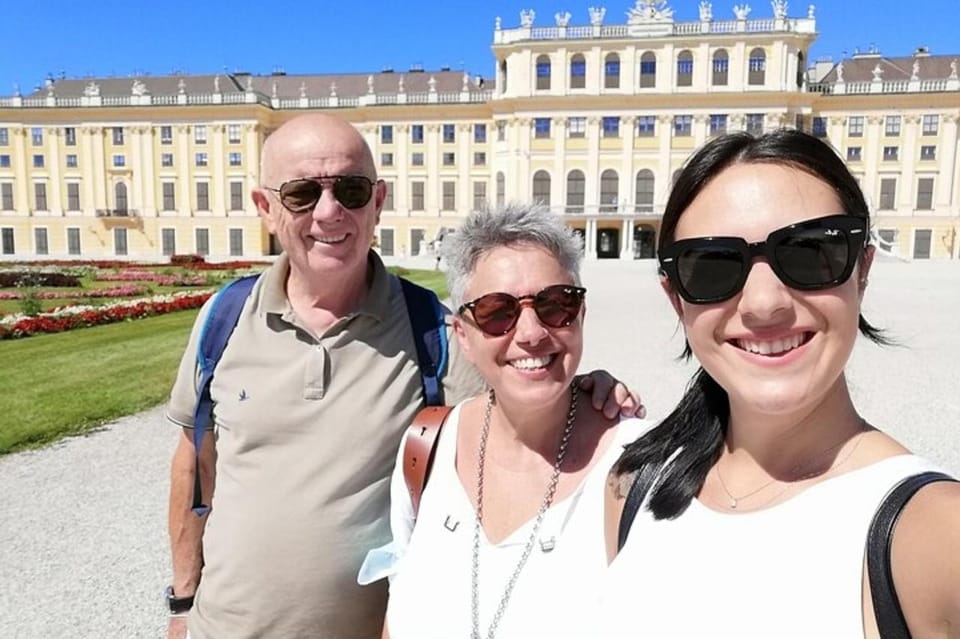
Then you reach Maria-Theresien-Platz, a square packed with meaning and easy sightlines. The two museum buildings—Natural History Museum and Art History Museum—flank the statue of Empress Maria Theresa, which makes the place instantly readable.
This is one of my favorite “tour anchor” moments on the walk. It gives you a clear visual structure: center figure, twin sides, and a square designed to host public attention. It’s also a great place to slow your attention even if the tour moves on schedule, because the guide can explain how Maria Theresa’s era shaped the city’s image.
If you’re the type who likes to understand the why before the wow, this stop delivers. The architecture isn’t isolated here; it’s part of a larger plan for learning, science, and cultural identity.
Heldenplatz and St. Michael’s Church: the tour ends in older Vienna
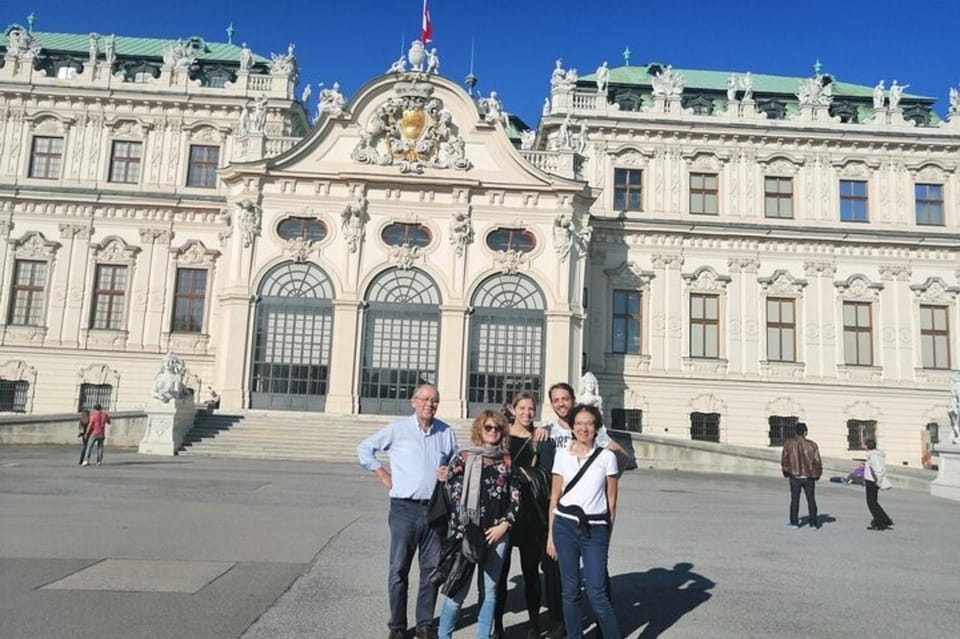
The tour finishes at Heldenplatz, described as a green, open space with historical atmosphere. The shift from the grand boulevard and museum areas into Heldenplatz feels right. It’s still formal, still political, but it gives your eyes a break.
And then you close with St. Michael’s Church, noted as one of the city’s oldest churches and Romanesque in character. This ending is clever because it changes the mood. You’re no longer only dealing with imperial power and civic presentation. You’re looking at a place that speaks to continuity—Vienna remembering itself across centuries.
For you, this is a good ending point if you want a last visual that feels grounded and human. It’s also a natural spot to ask your guide where to go next, since after a 3-hour highlights tour you’ll likely want something nearby for a coffee or a proper sit-down meal.
Price and value: is $38 a smart buy?
At $38 per person for 3 hours, this tour sits in the “good value if you care about context” category. If you’re the kind of traveler who likes to read plaques and then connect the dots yourself, you might feel like you can piece it together without a guide. But if you want the city’s story translated into walkable pieces, the cost makes sense.
Here’s the value equation I’d use:
- You’re covering multiple major sites that would take real time to research and connect.
- You get guide interpretation at several stops, not just one.
- You get a route built around key landmarks, so your time in Vienna doesn’t get wasted zigzagging.
The guide quality seems to be the biggest variable. When guides like Hugo (fun, laughter while learning), Gulam (humor plus strong knowledge), Ge (responsive and helpful), or Nathalie (energetic and information-packed) lead, the tour feels worth it fast. When the language doesn’t match your expectations, it can fall apart—so language choice is part of the value too.
Language matters more than people expect (English, French, Spanish)
The tour lists live guides in English, French, and Spanish, and that’s great when it works. But the most important caution from real-world experience is that language availability can change day to day.
I’d recommend you treat Spanish as something to confirm before arrival, especially if Spanish is a must-have. When that doesn’t happen, the entire point of a highlights tour—clear explanations—gets harder, and you may end up spending time adapting on the fly instead of enjoying the walk.
If you’re flexible and comfortable in multiple languages, you’re less likely to get stressed if your preferred language isn’t available. If you’re not flexible, build in a backup plan for seeing the main stops on your own.
Who this tour is perfect for
This is a strong match if:
- You’re short on time and want Vienna highlights in a single loop
- You care about how architecture connects to history and politics
- You like having a guide point out what to notice so you don’t miss details
- You enjoy a structured walk with photo stops and guided time
It may be less ideal if:
- You want long museum time or deep interior visits
- You prefer to wander with no schedule at all
- You strongly need a specific guide language and can’t adapt
Should you book this Vienna highlights walking tour?
I’d book it if you want a guided “main-story” version of Vienna’s center in 3 hours, with a focus on the imperial look, Ringstrasse’s architectural logic, and an ending at Heldenplatz and St. Michael’s Church.
I would hesitate only if language is non-negotiable for you and you can’t tolerate changes. In that case, look hard at language options before you go, and be ready with a self-guided fallback that still lets you see Maria-Theresien-Platz, Ringstrasse, Burgtor, and the museum area.
If you do book, bring comfy shoes and keep your expectations realistic: you’ll see a lot, learn a lot, but you won’t do long museum soaking. For many people, that’s exactly what makes it a smart start to Vienna.
FAQ
How long is the Vienna highlights walking tour?
The tour lasts 3 hours.
How much does it cost?
It’s listed at $38 per person.
Where do we meet the guide?
Meet your guide at Babenbergerstraße 9.
What sights are included on the walk?
You’ll see Maria-Theresien-Platz, Ringstrasse, Burgtor, Kunsthistorisches Museum, and you’ll end at Heldenplatz with a visit/stop at St. Michael’s Church.
Is the tour available in different languages?
Yes. The live tour guide is available in English, French, and Spanish.
Is there a private group option?
Yes. Private group available is offered depending on the option you select.
Is the tour wheelchair accessible?
Yes, it is listed as wheelchair accessible.
What’s included in the price?
The price includes a walking tour with a guide (private or group depending on the option).
Is there free cancellation?
Yes. Free cancellation is offered if you cancel up to 24 hours in advance for a full refund.
Can I reserve without paying right away?
Yes. There is a reserve now & pay later option, so you can book your spot and pay nothing today.