REVIEW · VIENNA
Vienna: Small Group Guided Walking Tour of City Highlights
Book on GetYourGuide →Operated by Maria Tours Live · Bookable on GetYourGuide
Two hours can change how you see Vienna. This small-group walking tour with Maria (Maria Tours Live) hits the big landmarks and keeps them human with storytelling about the Habsburgs, Empress Sisi, Mozart, and the city’s coffeehouse culture. I love how you get personal attention and quick answers as you walk. One thing to know: it’s exterior-only, so you won’t go inside the major sights on this tour.
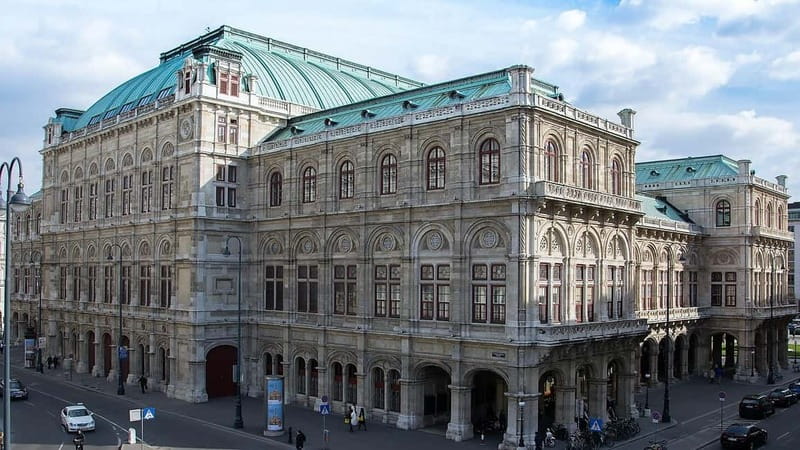
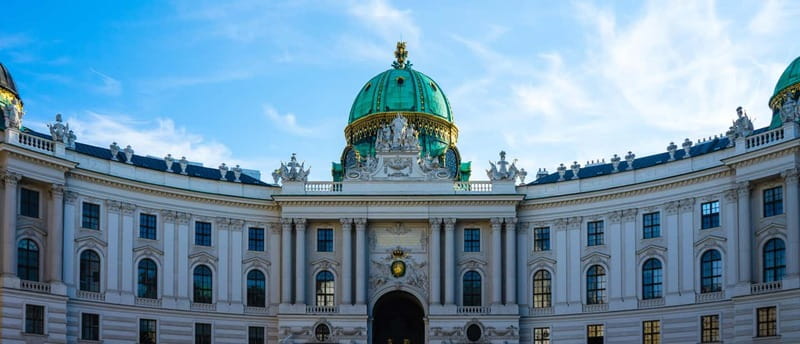
You’ll cover a smart slice of central Vienna on foot, with stops and photo moments at Hofburg Palace, the Vienna State Opera, the Spanish Riding School area, and St. Stephen’s Cathedral. You also get visual aids like maps and pictures, plus local recommendations to help you keep exploring after the walk ends near the cathedral.
In This Review
- Key Highlights to Expect
- Two Hours Can Work Wonders on a First Vienna Visit
- Starting at Ankeruhr or the Maria Theresia Memorial
- Ringstraße Photo Stops: Kunsthistorisches and Naturhistorisches Museums
- Hofburg Palace and the Burggarten to Palmenhaus Break
- Albertina, Hotel Sacher, and the Vienna State Opera Front
- Austrian National Library to the Spanish Riding School Area
- Historic Center Essentials: Michaelerplatz to Graben and Demel
- Vienna’s Plague Column and St. Stephen’s Cathedral Finish
- Price and Value: Is $40 a Good Deal for This 2-Hour Walk?
- The Maria Factor: What Makes This Guide Approach Work
- What I’d Pack and How I’d Plan Your Day Around It
- Should You Book This Vienna Small-Group Walking Tour?
- FAQ
- How long is the Vienna small-group guided walking tour?
- What languages is the tour offered in?
- Is this tour inside museums and cathedrals?
- What sites are included along the walk?
- How big is the group?
- What should I bring?
- Is the tour suitable for wheelchair users or people with mobility impairments?
- Where does the tour end?
Key Highlights to Expect
- Small-group pace (max 14): easier questions, less waiting, more connection to the guide
- Maria’s guided storytelling: Habsburg power, Sisi drama, and legendary Viennese personalities
- Iconic exteriors and photo stops: Ringstraße views, Opera facades, Albertina area, and more
- Imperial gardens moment: Burggarten and the Palmenhaus area for a calm break in the route
- Historic center on foot: classic shopping streets and church-and-plague-column landmarks
- Ends where you want to keep going: near St. Stephen’s Cathedral (with drop-off options near Albertina too)
Two Hours Can Work Wonders on a First Vienna Visit
Vienna can feel big and formal at first. This tour helps you get your bearings fast without trying to do everything at once. The length matters: 2 hours is enough time to connect the dots between the monarchy, the arts, and the streets you’ll walk later on your own.
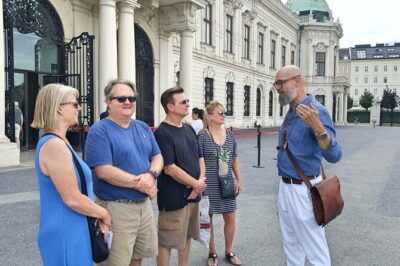
I also like the group size. With no more than 14 people, you’re not shouting over a crowd. Maria can ask the room what you’re most curious about, then steer the stories and photo stops to match.
The other reason I’d do this early: it gives you a simple mental map of the center. You learn what you’re looking at, so later you can pick which museums or interiors you actually want to pay for.
You can also read our reviews of more walking tours in Vienna

Starting at Ankeruhr or the Maria Theresia Memorial
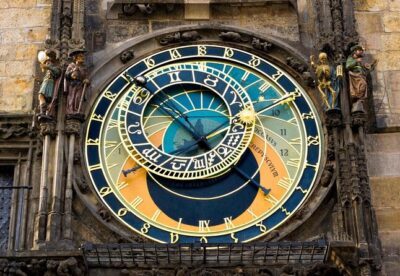
You start at one of two convenient points: Ankeruhr or the Maria Theresa Memorial. Both are solid for setting the tone. Ankeruhr gives you a quick Vienna-meets-history vibe right away, while the Maria Theresia Memorial points you toward the grand civic spine of the city.
From there, you’re guided into the heart of Vienna’s most recognizable visual themes: imperial power, arts prestige, and a parade of architecture along Ringstraße. If you like understanding where a place’s “main character” energy comes from, this start helps.
Practical note: you’ll be walking, outdoors, and weather still matters. Bring water and wear comfortable shoes. Vienna sidewalks are great, but you’ll still feel the miles by the end.
Ringstraße Photo Stops: Kunsthistorisches and Naturhistorisches Museums
Early on, you get photo stops at the Kunsthistorisches Museum and the Naturhistorisches Museum. Even without going inside, these buildings tell a story. They represent a Vienna that wanted to show the world both art and science—magnificent facades as a statement of national identity.
Then you move along Ringstraße for sightseeing and street views. Ringstraße is where the city’s planning ambition shows up in stone. I like that the tour gives you the timeline feeling: you start to see the monarchy’s era and how it shaped the city’s layout.
Why these stops help you: if you later decide to buy museum tickets, you already know which direction the big institutions sit and what they connect to historically.
Hofburg Palace and the Burggarten to Palmenhaus Break
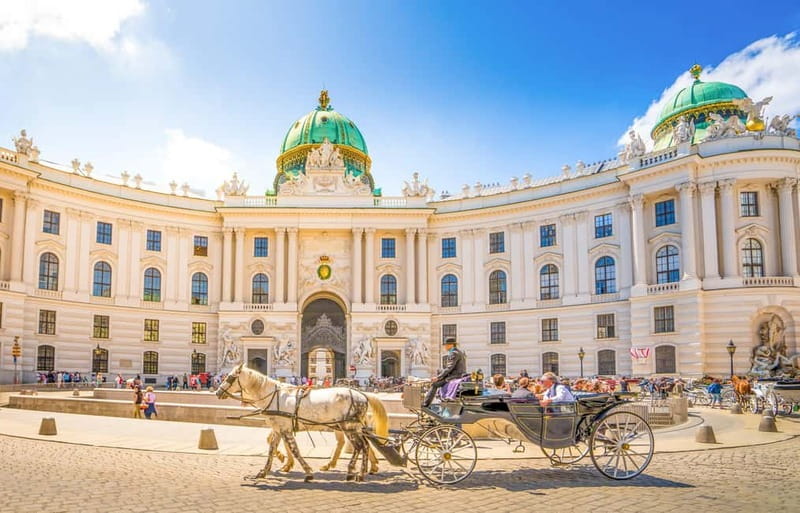
Hofburg Palace is a must-see, and you’ll get a photo stop plus guided sightseeing as you pass through its orbit. The Hofburg is one of those places where it’s easy to think, I’ll understand it when I go inside. But even from outside, it helps to know it functioned as a center of power for centuries.
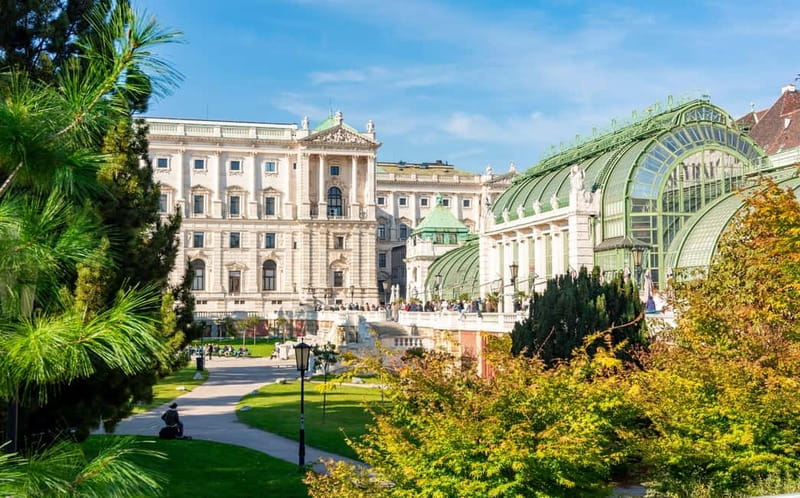
From there, you head toward Burggarten and the Palmenhaus area. This is a smart mid-tour shift: after big monuments, you get a more relaxed pocket in the imperial garden park setting. The tour includes a photo stop around the Palmenhaus and a pass-by of the Schmetterlinghaus area (the butterfly house zone).
Then there’s the Brasserie Palmenhaus Wien photo moment, which is ideal if you want the classic Vienna contrast: grand empire buildings close to a more laid-back garden greenhouse atmosphere. If you’re the type who plans café breaks, this stop also gives you a realistic sense of where you might want a drink later.
Albertina, Hotel Sacher, and the Vienna State Opera Front
You’ll work your way toward the Albertina Museum area with guided sightseeing. This is a great “look and learn” section because Albertina sits in the zone that feels like Vienna’s cultural runway—perfect for understanding how music, visual arts, and elite institutions connect.
Next, the route includes the Hotel Sacher area. You’ll get the kind of exterior reference point that makes Vienna’s café legend make more sense. Even if you don’t stop for dessert that day, seeing where it all lives helps you place the stories.
Then comes one of the big-picture moments: the Vienna State Opera photo stop plus more sightseeing. I like these Opera exterior segments because they train your eye. You start noticing the scale and symmetry that you might otherwise skim past. And if you’re a photo person, you’ll want your camera ready—this is a stop designed for that.
You can also read our reviews of more guided tours in Vienna
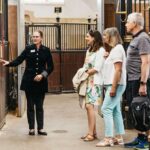
Austrian National Library to the Spanish Riding School Area
As you continue, you pass by or stop near the Austrian National Library for a photo moment and walk-by context. Libraries in Vienna aren’t just quiet rooms; they’re part of the city’s prestige. This stop helps explain why Vienna treats arts and learning as something tied to identity, not just a hobby.
The tour also includes the idea of composers in the mix—Mozart and other legends come up as you move through the route. You’ll connect the dots between where these figures influenced Vienna and how the city still leans into that reputation today.
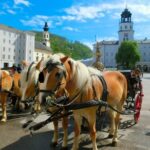
Then you reach the Spanish Riding School photo stop, plus sightseeing and a pass-by. The main value here is the history behind what you’re seeing. The tour explains the Spanish Riding School tradition and the Lipizzaner horses that made it world-famous. Even from outside, you get why this place became a symbol of Austrian cultural identity.
If you’re curious about royal Europe without turning your day into a ticket-purchase marathon, this portion is a strong fit.
Historic Center Essentials: Michaelerplatz to Graben and Demel
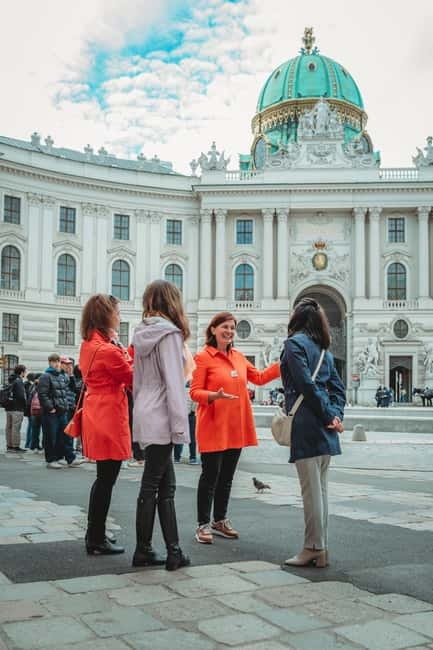
From the imperial-adjacent areas, the tour shifts into the classic historic center feel—churches, shopping streets, and landmarks you’ll recognize later in photos.
You’ll hit Michaelerplatz and Kohlmarkt for sightseeing and walking views. This is where Vienna’s street-level elegance becomes real, not just postcard architecture. Then you pass by or stop around Demel for a photo moment. Demel fits perfectly into the tour’s theme: Vienna loves its food legends as much as its royal stories.
Next, you move through Graben for sightseeing and walking. Graben is one of those streets that makes you slow down without forcing you to. It’s wide enough to feel grand, but human enough that your guide can point out details as you pass.
The tour also includes St. Peter’s Church as a photo stop, plus a pass-by. You’ll get the church context that helps it feel less like random sightseeing and more like a marker in the city’s long timeline.
Vienna’s Plague Column and St. Stephen’s Cathedral Finish
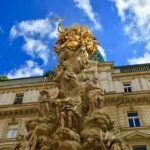
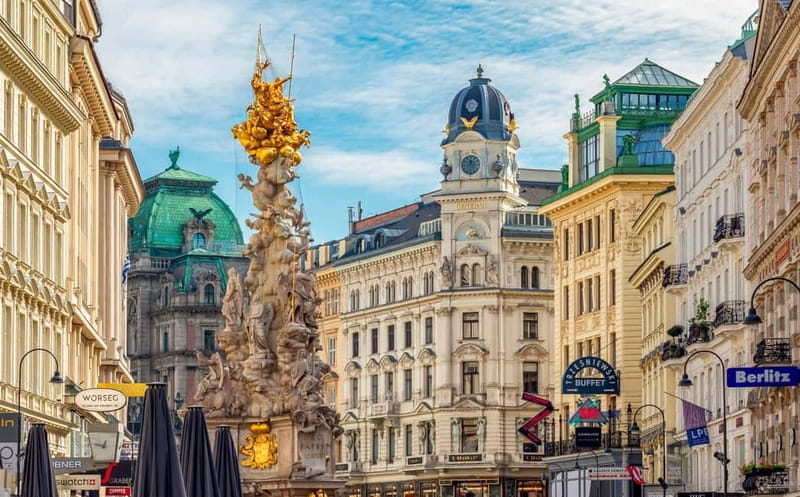
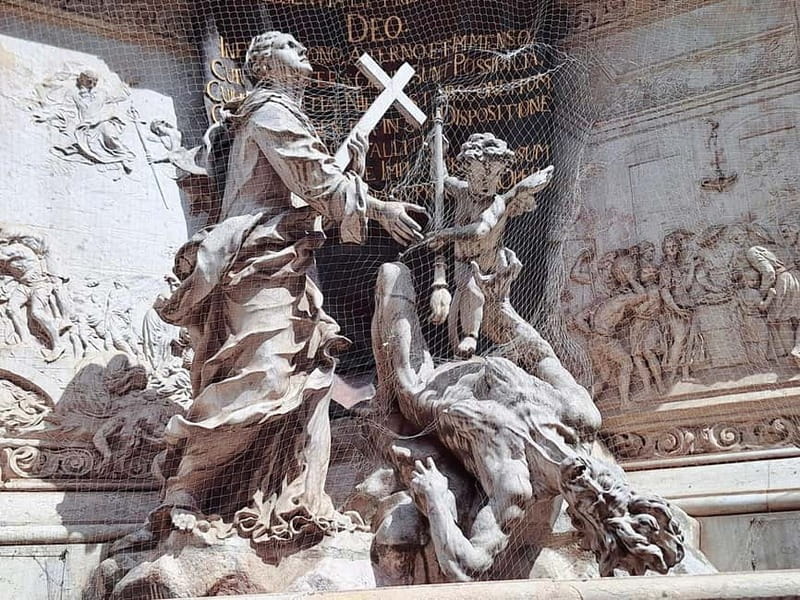
There’s a powerful stop built into the walk: the Vienna Plague Column. You’ll pass by and see it as a photo stop, with sightseeing context. This isn’t just a statue moment. It’s a reminder that the city’s history includes suffering and survival, not only celebrations.
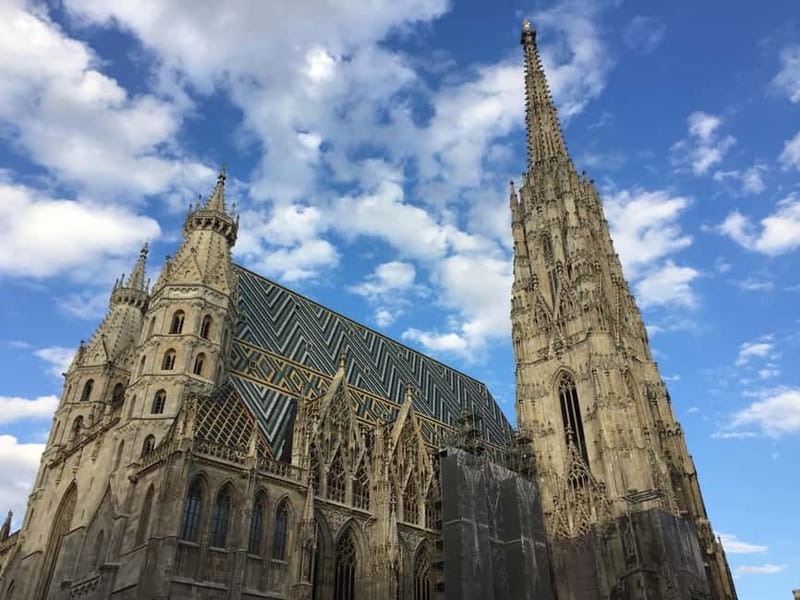
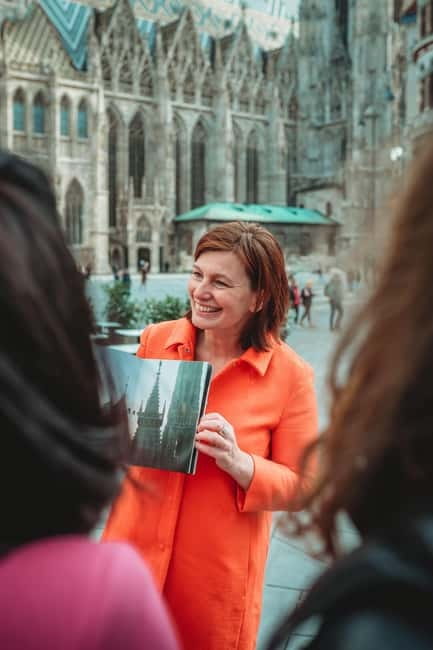
Then you reach St. Stephen’s Cathedral for photo stop and sightseeing, finishing next to it in the heart of the city. The tour includes guided tour time in the historic center right around the cathedral area, so you get a structured way to approach what you’re seeing.
If you haven’t been to Vienna before, St. Stephen’s is the place that pulls it all together. You can look up and understand the scale, then connect it to the streets you’ve just walked. The cathedral area is also the best kind of finish: you’re dropped into the zone where you can instantly choose your next move—another walk, a café, or a longer museum visit.
Price and Value: Is $40 a Good Deal for This 2-Hour Walk?
At $40 per person for a 2-hour guided walking tour, the value comes from three places: time efficiency, guide quality, and the amount of key sights you can actually see without paying for entrances.
First, two hours is a sweet spot in Vienna. You get major anchors—Hofburg, the Opera area, Spanish Riding School area, St. Stephen’s Cathedral—and a lot of “in-between” streets that you would likely miss if you only chase the biggest ticket items.
Second, you’re not just receiving a list of sights. Maria brings a narrative thread: the Habsburgs, Empress Sisi’s life, Mozart and other legendary composers, and coffeehouse stories tied to how Vienna thinks and talks. That kind of context is hard to replicate if you’re self-guiding with a phone.
Third, you get added support beyond pure walking. Visual aids, including pictures and maps, make the tour feel less like wandering and more like structured orientation. That’s especially helpful if you like to take your own notes and plan your remaining days afterward.
Drawback again, just to be clear: you’re not paying for entry tickets here. If your dream day includes interior visits to major sites, you’ll still need to budget for those separately.
The Maria Factor: What Makes This Guide Approach Work
The standout feature in my mind is the guide style. Maria’s approach is friendly, engaging, and very good at keeping the group involved while still moving at a pace that covers the highlights. You can ask questions, and you’ll get answers that connect directly to what you’re standing near.
I also appreciate that she focuses on practical local recommendations. The tour isn’t only about monuments. You get pointers for where to eat and what to look for next, including coffee and strudel suggestions that fit Vienna’s café culture.
There’s even a playful side reported in the group’s experiences—on at least one occasion, Maria helped turn a birthday into a memorable group moment, including chocolates and hot punch on the route. That doesn’t mean it will happen for you, but it does show how human and attentive the tour experience can be.
Finally, the tour often feels almost private in how included everyone is. In a small group, it’s easier for your guide to learn what you care about and adjust the storytelling.
What I’d Pack and How I’d Plan Your Day Around It
Pack basics: comfortable shoes, a camera, water, and weather-appropriate clothing. This tour runs in all weather conditions, and it stays outside. If you’re traveling in shoulder season, bring an extra layer even if the forecast looks good early in the day.
Plan timing too. If you do this tour later in your trip, you may still enjoy it a lot, but you’ll have fewer days to act on the recommendations. If you do it early, you’ll use the mental map immediately to plan your museum picks and coffee stops.
Also, check your expectations about strollers and luggage. Baby strollers aren’t allowed, and it’s not suitable for mobility impairments or wheelchair users. The walk is central-city streets, and the rules reflect that.
Should You Book This Vienna Small-Group Walking Tour?
Book it if you want a smart Vienna orientation with major sights in a short window, plus guided context that makes the city feel coherent. It’s especially a good match if you love stories about the Habsburgs, Empress Sisi, Mozart and other musical legends, and you want to learn why Vienna became the city it is today.
Skip it if you’re mainly chasing interior experiences. This is exterior-only, and you won’t go into the big attractions. If your priority is cathedral interiors, opera house visits, or museum time, you’ll need separate tickets and a longer day plan.
If you’re undecided, here’s my simple rule: if you want to understand the center first, this tour is a great first move. If you already know Vienna well and just want ticket time inside, you can probably spend your money more directly elsewhere.
FAQ
How long is the Vienna small-group guided walking tour?
It lasts 2 hours.
What languages is the tour offered in?
The live tour guide speaks English.
Is this tour inside museums and cathedrals?
No. It is an exterior-only tour, and entrance fees are not included.
What sites are included along the walk?
You’ll see or stop for photos around major landmarks such as Hofburg Palace, Vienna State Opera, the Spanish Riding School area, and St. Stephen’s Cathedral, plus other historic-center streets and landmarks.
How big is the group?
The maximum group size is 14 participants or fewer.
What should I bring?
Bring comfortable shoes, a camera, water, and weather-appropriate clothing.
Is the tour suitable for wheelchair users or people with mobility impairments?
No. It is not suitable for people with mobility impairments, and wheelchair users are not accommodated.
Where does the tour end?
It concludes next to St. Stephen’s Cathedral in the city center, with drop-off options near St. Stephen’s Cathedral and Albertina, depending on the booked option.