REVIEW · VIENNA
Vienna: Walking Tour of the Historic Ringstrasse
Book on GetYourGuide →Operated by Husa Travel Events · Bookable on GetYourGuide
One street, one empire shift, and a lot of wow. The best part of a Ringstrasse walk is how the architecture tells the story of Vienna’s 19th-century ambition, from emperor-led planning to banker palaces. I like that this tour keeps the focus on overwhelming historic facades and mixes big-picture context with human-scale details you can actually picture.
I also love the short garden breaks—spacious patches of greenery with statues and flower arrangements—so you get a breather without losing momentum. And when the buildings get busy, the guide’s stories bring the “why” behind the shapes and symbols, including the fate of the wealthy (and the not-so-wealthy) who were drawn to Vienna.
The one drawback to keep in mind: in just 2 hours you’ll see a lot of stops, so it’s more of a strong overview than a slow, deeply technical history seminar. If you want maximum depth on one single building, you may wish you had a longer walk or a second targeted tour.
In This Review
- Key highlights worth your time
- Why the Ringstrasse Still Feels Like a Stage
- Starting at Liebenberg-Denkmal: Getting Your Bearings Fast
- Palais Ephrusi and the Amber-Eyes Connection
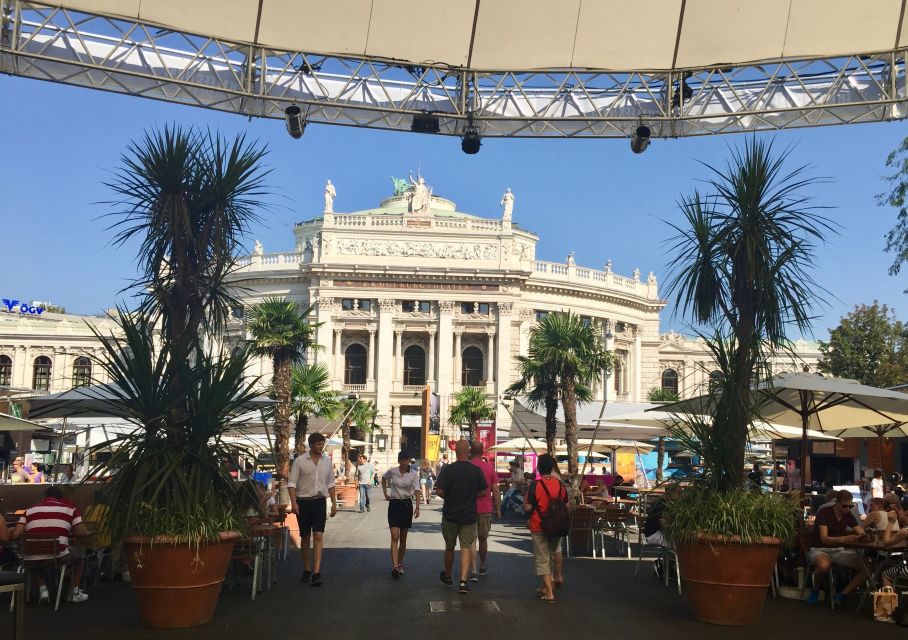
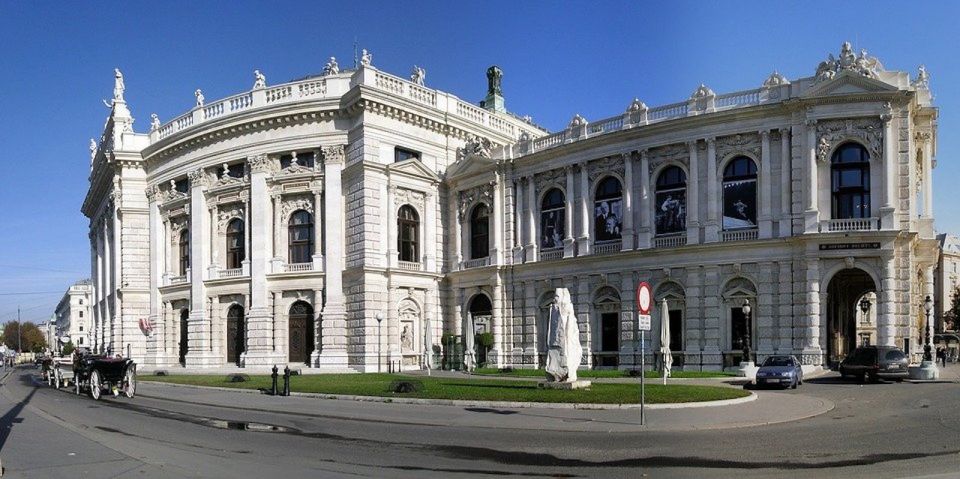
- Votive Church, University of Vienna, City Hall, and Burgtheater
- Parliament, Heldenplatz, Museums, and Volksgarten Breaks
- Statues Along the Route: Liebenberg-Denkmal and Pallas Athene
- Finishing by the Opera House: Keep Exploring on Foot
- Price and Value for a Private Group Up to 8
- Who This Walk Fits Best (and Who Might Want More)
- Practical Notes That Make the Walk Easier
- Should You Book This Vienna Ringstrasse Tour?
- FAQ
- How long is the Vienna Historic Ringstrasse walking tour?
- Where do I meet the guide?
- What languages are the guides available in?
- Is the tour wheelchair accessible?
- What should I bring?
- Is hotel pickup or drop-off included?
- What is included, and what isn’t?
Key highlights worth your time

- Ringstrasse’s design plan, explained as you walk: carriage, rider, pedestrian paths and the boulevard idea in plain language.
- Palais Ephrusi stop with a book-linked story: the rich Jewish banker family and how their fate shows up in The Hare with the Amber Eyes.
- Stories behind the buildings, not just facts: the “who lived here and what happened” angle that makes facades feel personal.
- Garden breaks with statues and flowers: quick rest moments that still fit the flow of the city sights.
- A smart architectural mix: the way styles combine across churches, civic buildings, theaters, museums, and parliament.
- Ends near Vienna’s Opera House: easy to keep exploring right after the tour.
Why the Ringstrasse Still Feels Like a Stage
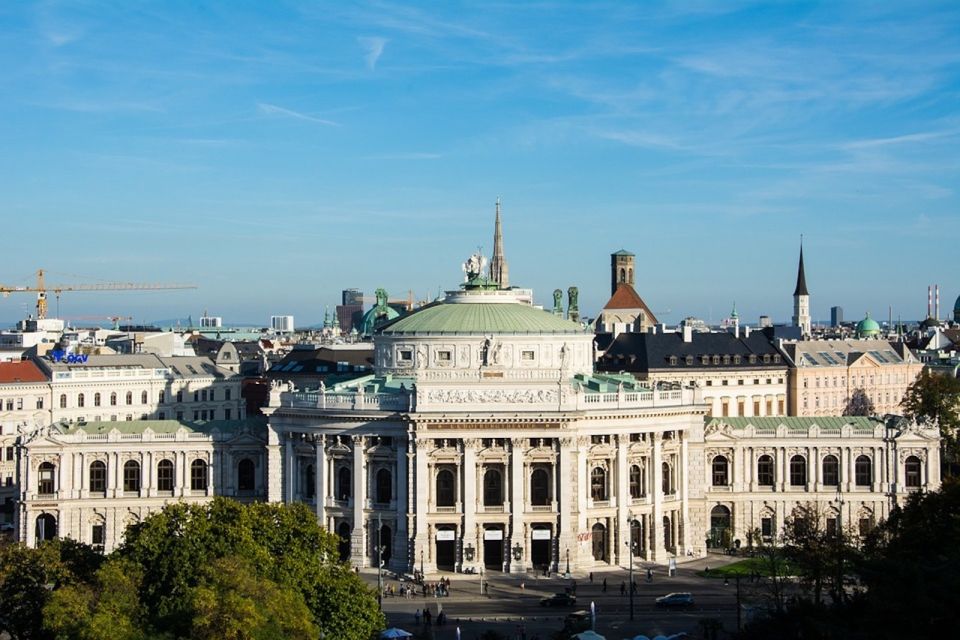
The Ringstrasse is Vienna at full volume. About 150 years ago, Emperor Franz Josef ordered the city walls torn down, then used that space to create a grand new ensemble for public life—culture, education, government, and civic pride all in one sweeping ring.
As you walk, you’ll see how that planning shows up in the layout. The boulevard wasn’t just meant for strolling; it was set up with separate paths for carriages, riders, and pedestrians. That matters because it explains why the street feels so “performed.” Even the pacing of your walk mirrors the city’s own showmanship.
What I appreciate most is that the tour doesn’t treat the Ring as a museum piece. It connects the architecture to people and power: industrialists and bankers who used the project to display wealth and earn titles, artists and planners drawn from across Europe, and poor workers who came looking for jobs and worked under brutal conditions. You start seeing the Ring as a real social engine, not only pretty buildings.
You can also read our reviews of more walking tours in Vienna

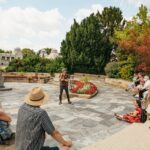

Starting at Liebenberg-Denkmal: Getting Your Bearings Fast

You meet at Liebenberg-Denkmal, Mölker Bastei 8, 1010 Wien. Arrive about 10 minutes early so you can settle in and get oriented before the first stop chatter begins.
This starting point is a nice choice because it sets the tone: the Ringstrasse isn’t only about emperors and generals—it also spotlights civic figures and public symbolism. From there, the walk line builds a path of meaning. The guide frames what you’re about to see and then points out details that most people would otherwise miss.
A small practical tip: bring your public transport ticket. Even though you’re walking the main route, Vienna’s transit is part of how you’ll move before and after, and you don’t want to scramble at the end.
Palais Ephrusi and the Amber-Eyes Connection
One of the most memorable parts of the walk is the stop at Palais Ephrusi, commissioned by a rich Jewish banker family. The guide ties this to The Hare with the Amber Eyes, where their fate is described in a more personal way than any simple plaque can do.
This stop is valuable because it shifts your attention from “look at the building” to “who built their future here, and what did it cost?” You get a chance to connect the luxury you see in stone and ornament with the human story behind it.
Also, this is where the tour’s style-and-story combination really works. You’re not just handed a list of architectural names. You’re shown how wealth wanted to look—how status, taste, and identity played out in the design. And because the guide brings the family’s fate into the conversation, the palace becomes more than an impressive exterior. It becomes a chapter in Vienna’s wider transformation.
If you’re a fan of literature that anchors history, this is the kind of stop you’ll appreciate extra. It turns the Ring into something you can read, not just walk past.
Votive Church, University of Vienna, City Hall, and Burgtheater
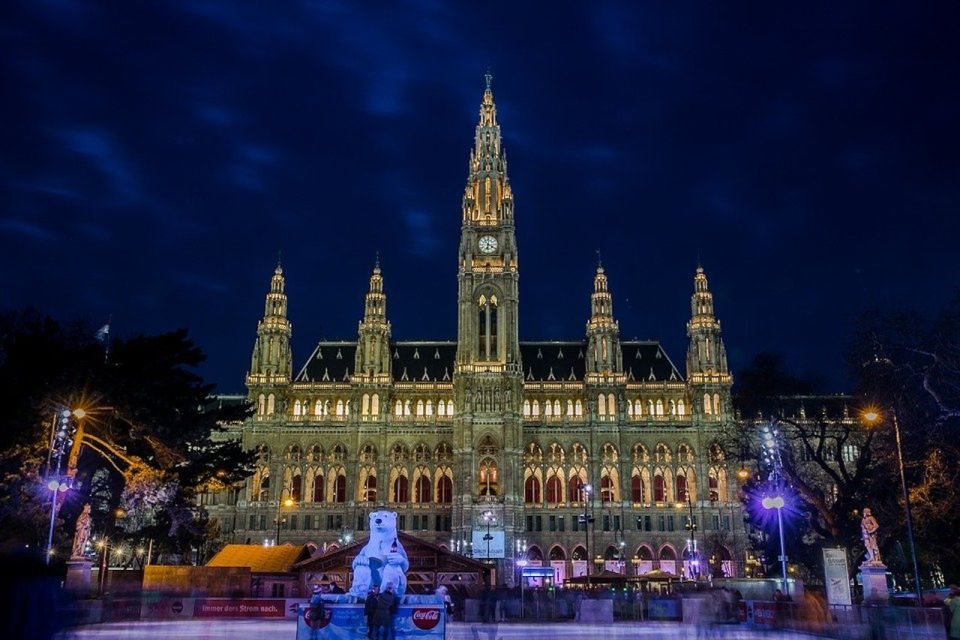
Once the walk gets moving, you’ll start spotting the Ring’s “big cast.” The tour includes major landmarks such as the Votive Church, the main building of the University of Vienna, City Hall, and Burgtheater.
Here’s what makes this cluster worth your time: each building represents a different kind of Vienna. The church brings religious grandeur and public visibility. The university signals learning and institutional power. City Hall reflects civic authority and the city’s self-image. Burgtheater reminds you that culture wasn’t a side hobby—it was a core public mission.
You’ll also learn about how styles combine and how decoration carries meaning. Even when a facade looks like it’s all ornament, the guide points out patterns—so it’s easier to see why the building feels the way it does. It’s the difference between seeing ornament and understanding what it’s trying to say.
A practical note: because this area is dense with landmarks, your attention can drift if you’re only passively looking. The guide keeps you engaged by linking each stop to the bigger story—who was in charge, what they built for, and who benefited. It’s one reason people rate the experience highly: the guide doesn’t just point; the guide interprets.
Parliament, Heldenplatz, Museums, and Volksgarten Breaks
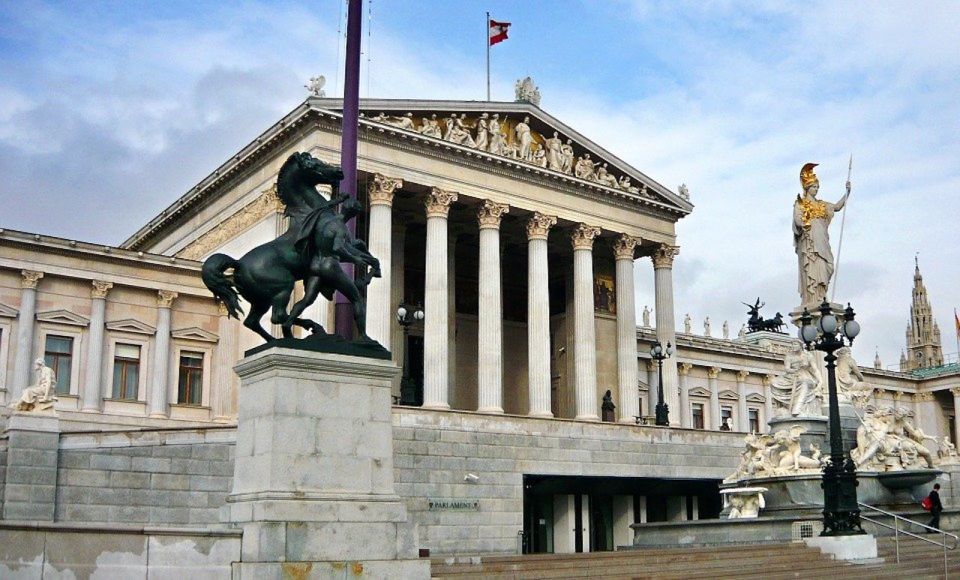
As you continue, the walk takes you through the political and cultural heart—Parliament, Heldenplatz, and museum territory including the Museums area. You’ll also reach Volksgarten, a spacious green space that acts like a reset button on this busy boulevard.
This is where the Ringstrasse becomes easier to enjoy. Your feet still work, but your eyes and brain get a pause. Gardens with marvelous flower arrangements and statues give you a chance to refresh before the next wave of landmark architecture.
I like how Heldenplatz functions on this tour. It’s a broad, public-feeling space that helps you understand why the Ring was planned as more than a street. It’s a theater of state. From the open feel of the plaza, government and public power make more sense visually.
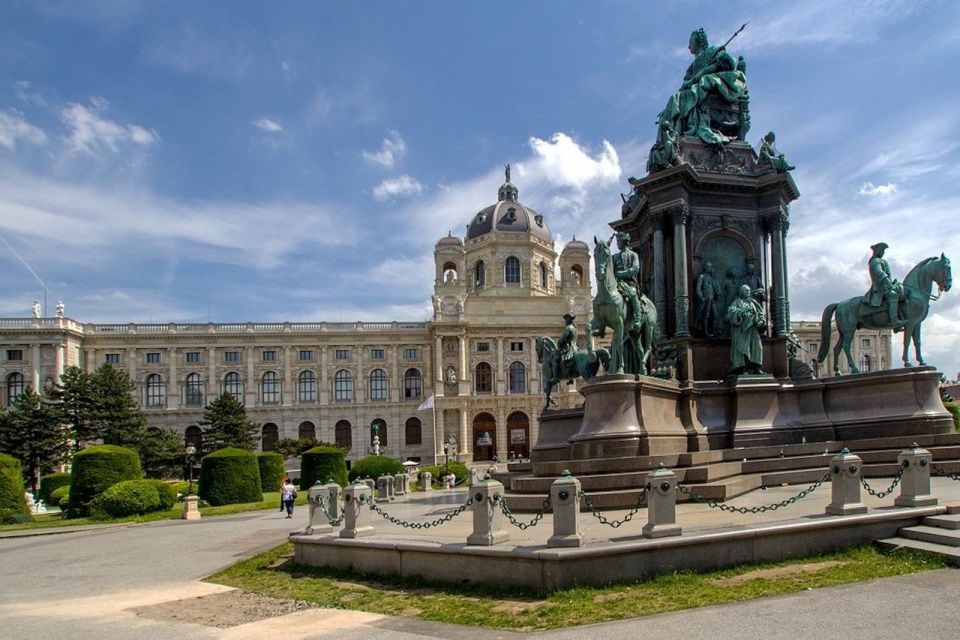
Museums and civic buildings then feel connected instead of random. The tour nudges you to see the “ensemble” idea—cultural things, universities, and political structures all arranged so the city can present itself as an identity machine. That’s the value of having the story told while you’re still standing in front of the stone.
You can also read our reviews of more historical tours in Vienna






Statues Along the Route: Liebenberg-Denkmal and Pallas Athene
If you’re the type who likes reading cities through their details, you’ll enjoy the statue moments. The tour includes notable statues such as Liebenberg (including the mayor-style figure you start near) and Pallas Athene.
Statues can be easy to walk past, even when they’re right in front of you. The guide’s job here is to give you a handle: who the figure is, why they’re placed there, and what they represent in the city’s public language.
This matters because the Ringstrasse is loaded with symbolism. When you understand one or two key figures, you start noticing the rest on your own after the tour. And since you end near the Opera House, that symbolism keeps working for you as you continue exploring the city center.
Finishing by the Opera House: Keep Exploring on Foot
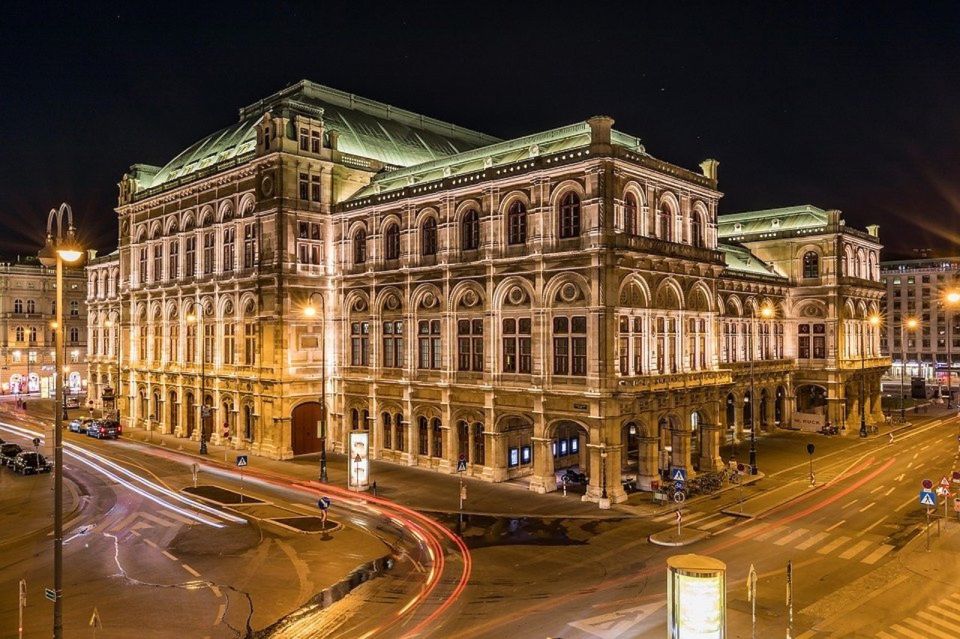
Your tour ends next to the Opera House. That’s a smart landing spot for two reasons.
First, it keeps you in the most dramatic part of the Ring system—public culture right where you can see the results of all that planning. Second, you’re placed at a natural starting point for your own follow-up wandering. From there, you can keep going at your pace, whether you want to look at nearby buildings longer, pop into museums you’ve already been curious about, or just enjoy the night-and-evening energy around the center.
The 2-hour format means you finish while you’re still fresh, not drained. If you’re planning dinner, you can use the Opera area as your practical anchor.
Price and Value for a Private Group Up to 8
The price is $353 per group for up to 8 people, with a 2-hour duration. That pricing structure matters, because it changes the math depending on your group size.
If you travel with a small group and can fill out closer to the 8-person cap, the tour becomes easier to justify as a per-person experience. You also get something you don’t always get with standard walking tours: a more focused dynamic with a private group and a guide available in Polish, German, or English.
So the real question isn’t only cost. It’s whether you want a guide to connect what you’re seeing—Ringstrasse planning, wealth display, civic institutions, and worker hardship—while you’re actually in the middle of it. If you’re aiming for a fast, high-impact introduction to Vienna’s grand core, this tour offers solid value for the time.
If you’re solo or just two people, it may feel pricier per person. In that case, you might decide it’s better as a shared outing with friends or family.
Who This Walk Fits Best (and Who Might Want More)
This is a strong fit if you like:
- Architectural sightseeing with context, where the story behind the buildings matters.
- A route that covers key Ringstrasse landmarks without requiring you to stitch together multiple tours.
- Book-and-history connections, especially if The Hare with the Amber Eyes interests you.
It’s also a good choice if you want a guide who can handle questions and keep things engaging even when weather isn’t ideal. One of the nicer strengths shown in past experiences is that the tour stays entertaining, including in rain.
Now for the fair warning. One earlier evaluation mentioned the content felt thin. That doesn’t mean it’s uninteresting. It means the 2-hour structure can lean toward an overview. If you want deep analysis of every building, you may need either a longer version or a second, more specialized stop-by-stop tour.
Practical Notes That Make the Walk Easier
Before you go, remember these simple things:
- Bring your public transport ticket.
- Wear shoes made for city walking and slight pace changes as you move between landmarks.
- Expect lots of exterior viewing—this is built for seeing, comparing, and hearing stories at the curb, not for long indoor museum time.
Weather won’t be fully avoidable in Vienna. The guide style seems built to keep the experience moving regardless, but you’ll still be happiest in clothing that handles wind and rain.
And if you like flexibility, you can take advantage of options like free cancellation up to 24 hours in advance and reserve now/pay later (helpful if your plans are still settling).
Should You Book This Vienna Ringstrasse Tour?
I’d book it if you want a 2-hour, story-led walk that covers the Ring’s most representative landmarks and gives you the social context behind the grand architecture. The Palais Ephrusi stop with the The Hare with the Amber Eyes link is a standout reason to choose this specific walk, and the garden breaks make the route feel less exhausting than a pure sightseeing sprint.
I would think twice if you’re chasing ultra-deep history on just one or two buildings. This tour is designed for overview and momentum. For most people, that’s exactly what makes it valuable: you finish with a clear sense of how Vienna reinvented itself after the city walls came down—and you know what to look for when you keep exploring after the Opera House.
FAQ
How long is the Vienna Historic Ringstrasse walking tour?
It lasts 2 hours.
Where do I meet the guide?
You meet at Liebenberg-Denkmal, Mölker Bastei 8, 1010 Wien. Arrive about 10 minutes before the start time.
What languages are the guides available in?
Live guides are available in Polish, German, and English.
Is the tour wheelchair accessible?
Yes, the tour is wheelchair accessible.
What should I bring?
You should bring a public transport ticket.
Is hotel pickup or drop-off included?
No. Hotel pickup and drop-off are not included.
What is included, and what isn’t?
The tour includes a guided city tour. You’ll need to arrange your own tram ticket if you use transit.