REVIEW · VIENNA
World War II History Vienna Old Town Private Walking Tour
Book on GetYourGuide →Operated by Rosotravel Austria · Bookable on GetYourGuide
Vienna’s WWII story is written in stone. This private walking tour strings together the major events that led from the First World War into the Second, using Vienna’s own landmarks and memorials as your timeline. You’ll follow a guided route through Inner Stad where politics, propaganda, and tragedy played out street by street.
What I like most is the way the guide connects big history to places you can actually point to: the tour starts at the Memorial to the Victims of Nazi Terror near the former Hotel Metropol, once used as Gestapo headquarters. I also like the balance of themes—WWI and WWII context, then Austrofascism and the Holocaust—without turning the walk into a memorization test. You can ask questions, and the group size is kept small enough that everyone can hear.
One consideration: this is serious subject matter. You’ll be walking outside for about two hours, so wear comfortable shoes and dress for the weather, and mentally plan for moments that are heavy.
In This Review
- Key highlights you won’t get from a self-guided stroll
- Meeting Morzinplatz: starting with the Nazi Terror memorial
- Walking Inner Stad: WWI into WWII on a street-level timeline
- Holocaust remembrance stops: seeing how memory is built into the route
- Hofburg and Heldenplatz: the imperial backdrop with a war memorial twist
- Hitler, Austrofascism, and propaganda: why the guide’s narrative matters
- The ending near the Vienna State Opera: bombing made physical
- Private group comfort: pace, questions, and real-life realities
- What you’ll learn (without turning it into a quiz)
- Price and value: is $214 for two hours fair?
- Practical tips before you go
- Who should book this WWII Vienna walk
- Should you book this Vienna WWII tour?
- FAQ
- How long is the WWII history private walking tour?
- Where does the tour meet?
- Is this tour private?
- What languages are offered for the guide?
- What sites and memorials will I see during the walk?
- What’s included in the price?
- Can I cancel or pay later?
Key highlights you won’t get from a self-guided stroll
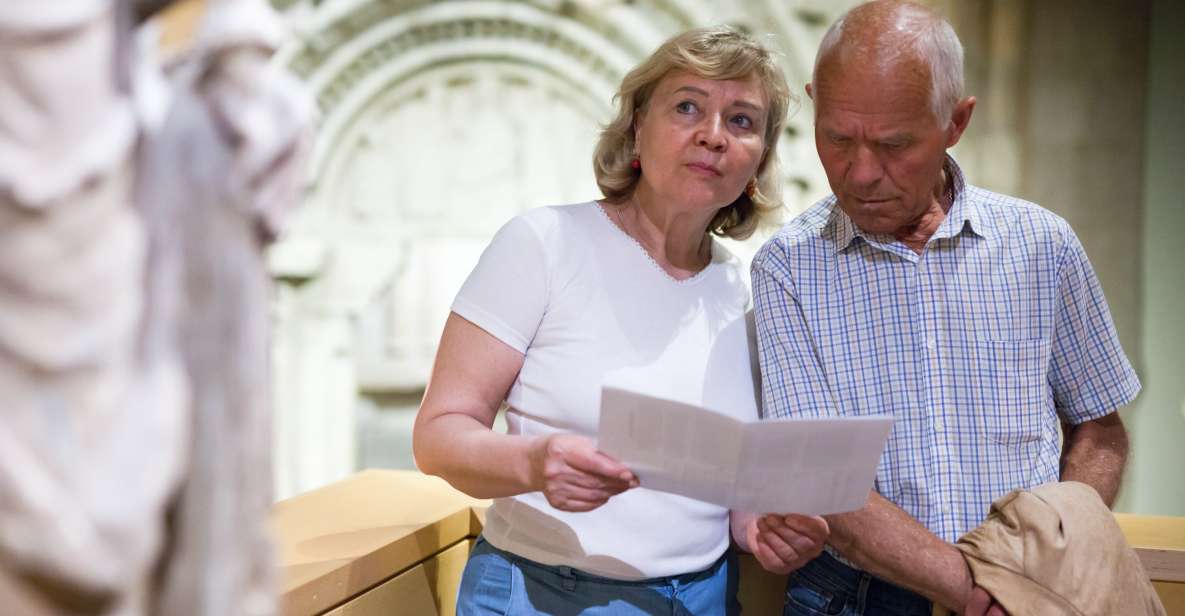
Start at Morzinplatz and the Gestapo-era Hotel Metropol site
Follow a clear WWI-to-WWII timeline with visible “time witnesses”
See Holocaust remembrance stops, including a Holocaust Memorial and Remembrance Stones
Pass the Hofburg complex and the Memorial Crypt in Heldenplatz (exterior only)
End near the Vienna State Opera at a monument tied to the 1945 bombing
Private, language-specific guide support so you can ask real questions
Meeting Morzinplatz: starting with the Nazi Terror memorial
The tour begins at Denkmal der Opfer des Faschismus (Memorial to the Victims of Nazi Terror) at Morzinpl. 4. This is a powerful starting point because it anchors the whole story in what happened to people, not just dates and uniforms.
Right nearby is the site of the former Hotel Metropol, which in 1939 was used as Gestapo headquarters in Vienna. Standing in that area helps you understand how quickly authoritarian power translated into surveillance, arrest, and terror. If you’ve ever wondered how a regime can take over daily life, this opening gives you a real answer fast.
Morzinplatz also works well as a practical start. You’re already in Vienna’s Old Town, so you don’t waste time commuting or guessing where to go next. The guide takes care of the “where” and the “why,” and that’s exactly what you want for a two-hour format.
You can also read our reviews of more walking tours in Vienna
Walking Inner Stad: WWI into WWII on a street-level timeline
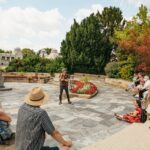
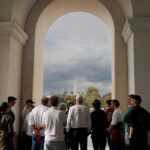
From the start, the walk moves through Inner Stad, where the city’s architecture and layout make history feel immediate. The guide is focusing on how the First and Second World War eras connect in Austria, beginning with the chain of events around the assassination of Franz Ferdinand. That incident is often treated like a distant headline, but here it’s used as a stepping stone to the broader forces that shaped Europe.
Then you move forward to the rise of Adolf Hitler and the annexation of his homeland. The guide also brings in Austrian Nazi figures such as Ernst Kaltenbrunner, which matters because Austria’s story in this period includes both external Nazi pressure and internal collaboration.
One smart thing about this tour: it doesn’t treat Vienna as a backdrop. You’ll hear about daily life under German-occupied Austria and the role of political propaganda. Even when you’re just passing buildings, the guide helps you see what you might otherwise miss—like how messaging and fear can be woven into public space.
Holocaust remembrance stops: seeing how memory is built into the route
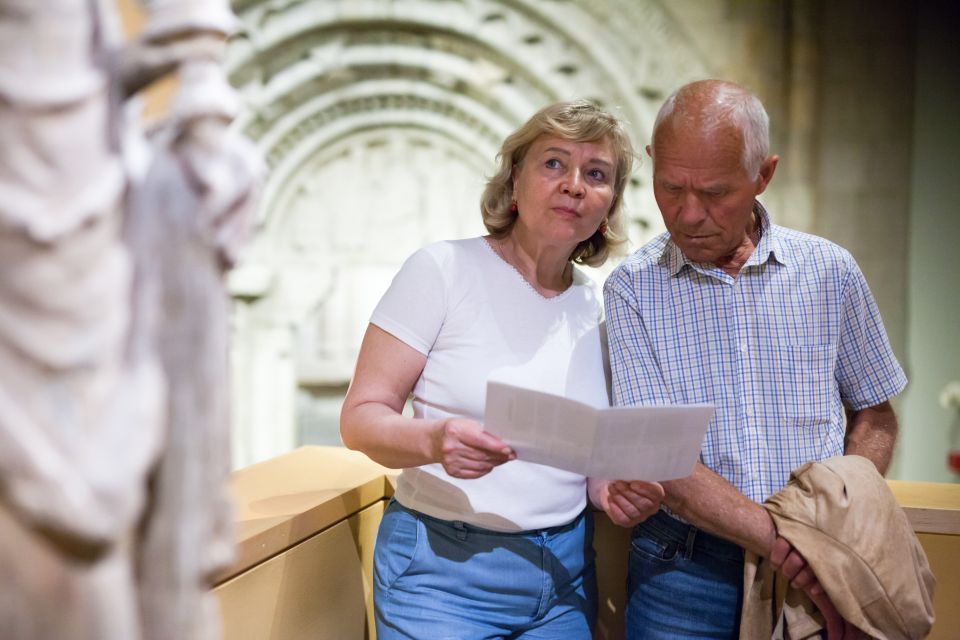
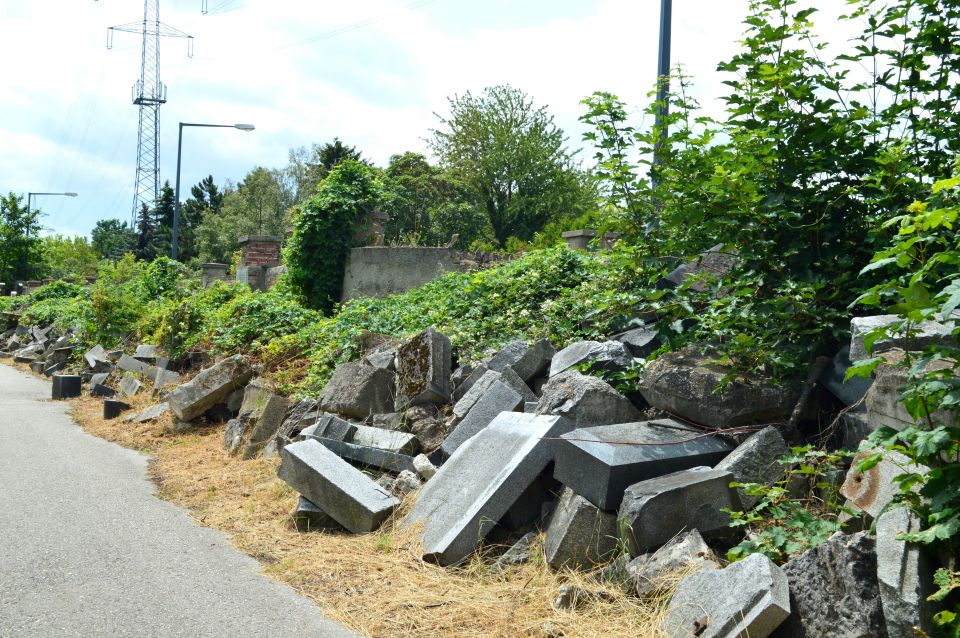
As you continue, you’ll pass a Holocaust Memorial and several Remembrance Stones. The tour frames these stops as part of the modern landscape of remembrance, not as a single “check this box” stop.
This is where a guide earns their fee. Without explanation, memorials can feel abstract, like you’re reading a plaque without context. With a guide, you understand what the remembrance is trying to do—honor victims, mark responsibility, and keep the story from being softened or forgotten.
The route is designed so you don’t just see one marker and move on. You’ll get the sense of how remembrance is distributed across Vienna, tied to real locations and real histories. It’s also a good moment to ask questions, because the guide can explain how different terms and eras in the story relate to each other.
For anyone who wants to be respectful and informed, this portion helps you do both. You’re not expected to “perform” emotion. You’re expected to understand what the city is telling you.
Hofburg and Heldenplatz: the imperial backdrop with a war memorial twist
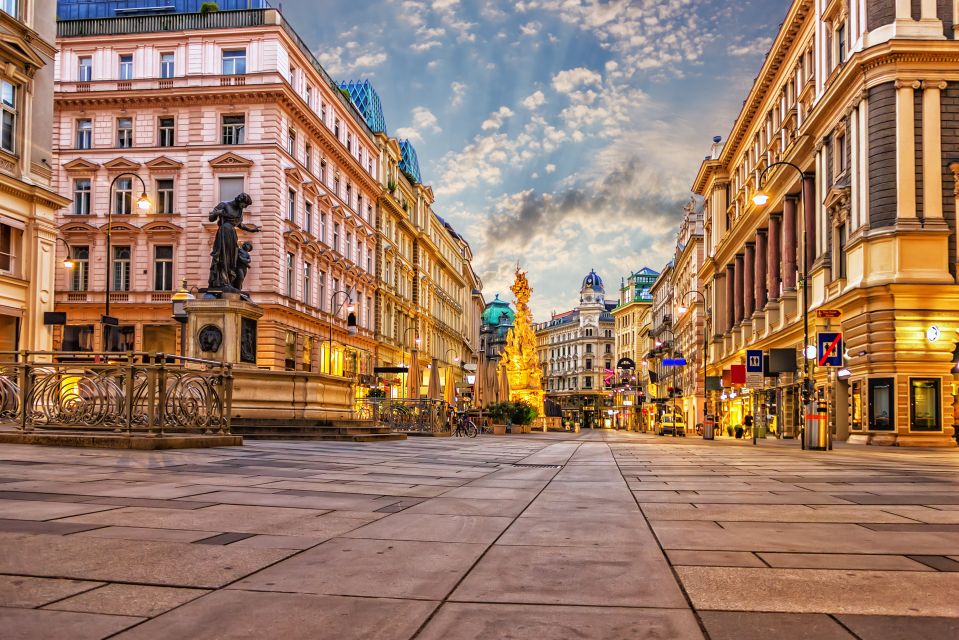
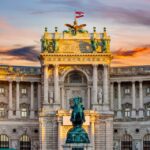
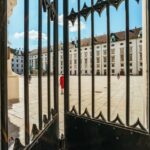
Next comes the Hofburg area. You’ll see the imperial palace complex of Hofburg (exterior only), which is visually impressive in its own right. But the tour angle keeps it grounded: the point isn’t to admire power for its own sake. The point is to show you how Vienna’s symbols of authority sit close to the memory of war and its victims.
In Heldenplatz, you’ll see the Memorial Crypt dedicated to WWI and WWII victims. This is one of the most important transitions on the walk because it connects two world wars in a single place of remembrance. It helps you see that the Second World War wasn’t an isolated rupture—it grew out of unresolved consequences and another world torn apart.
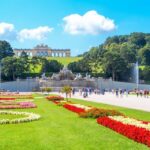
And right near there, you’ll also see the monument to Emperor Franz Joseph I in Burggarten. That detail helps the guide set up the broader time frame. You can compare an older imperial image of order with the chaos and violence that followed decades later.
If you’re the kind of person who notices that cities have layers—different eras stacked on top of each other—this section will click. The tour turns that instinct into a guided experience.
Hitler, Austrofascism, and propaganda: why the guide’s narrative matters
The tour covers several themes you’ll hear named clearly: Austrofascism, the Holocaust, and Austria’s involvement in the war years. It also includes a look at major people tied to the Nazi system, including Adolf Hitler and Ernst Kaltenbrunner.
What I appreciate about this approach is that it doesn’t reduce everything to one villain. The guide’s narrative ties together causes and consequences of WWI and WWII, then shows how ideologies changed life on the ground. That’s how propaganda works, and that’s why hearing it explained matters.
You’ll also learn about the timeline—what happens before and after key turning points—so the tour doesn’t feel like a random sequence of stops. You’re building a mental map of Europe’s collapse and Vienna’s role inside it.
The result is a walking history lesson that stays concrete. You look at something in front of you, then the guide connects it to what people experienced. That’s the difference between “I saw monuments” and “I understand the story behind them.”
You can also read our reviews of more private tours in Vienna

The ending near the Vienna State Opera: bombing made physical
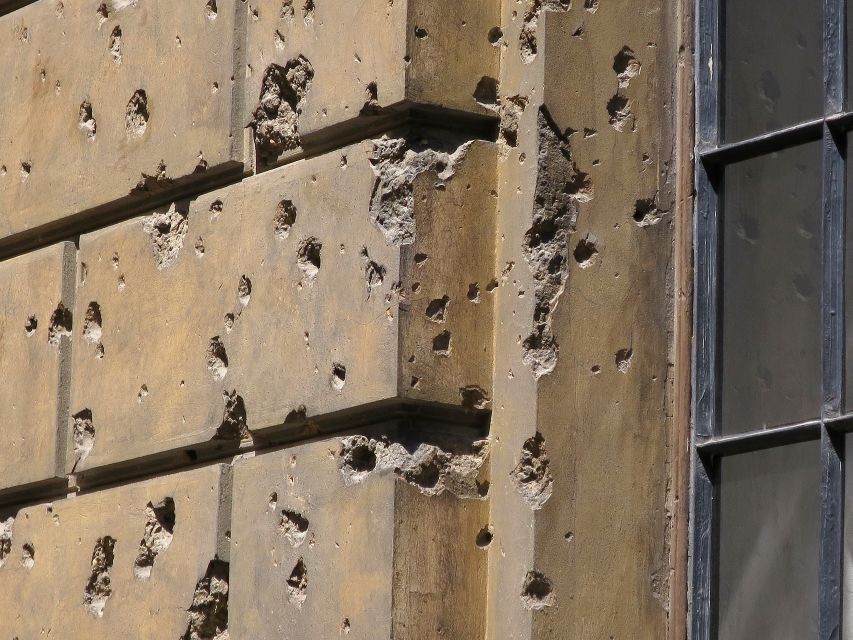
The walk ends at the Monument Against War and Fascism near the Vienna State Opera. This final stop ties the story to the 1945 bombing, which heavily damaged the opera building.
Ending here is smart because it lands the emotional and historical theme together. You’ve moved from early causes and Nazi rise, through occupation and terror, into remembrance and the physical scars of war. A memorial against war and fascism feels like a human pause at the end of a difficult topic.
The Vienna State Opera area also gives you a strong location to regroup. After two hours of walking and explanation, you can step into the energy of the city center again, without losing the context you just learned.
Private group comfort: pace, questions, and real-life realities
This is a private walking tour with a guide fluent in your selected language. Available languages include English, German, Italian, French, Spanish, Russian, Polish, Chinese, Japanese, Croatian, Portuguese, Arabic. If you want the story explained in your comfort zone, this is a genuine advantage.
You’ll also benefit from a group size limit of 1–25 people per guide. That small-group rule matters more than it sounds. It means you’re more likely to get answers instead of listening to a one-way lecture, and it’s easier to hear the guide from a comfortable distance.
One of the strongest pieces of feedback tied to this tour is how the guide handles questions and pace. For example, one guide named Peter was praised for explaining everything in detail and answering questions, with patience even when a small child joined the walk. Another guide, Sanda, was described as very professional. And a guide named Alexander was also singled out positively for the experience.
There’s also practical evidence that the pacing is flexible. Frau Heuberger was praised for finding a balance between tour and presentation with breaks, even during big heat. That’s a real-world issue in Vienna, and it can make the difference between learning a lot and feeling drained.
What you’ll learn (without turning it into a quiz)
By the time you reach the end point, you should be able to tell the WWII story in Vienna with clear links back to WWI. You’ll cover the timeline, causes, and consequences of WWI and WWII, then connect those to Austrian realities—occupation, propaganda, and persecution.
You’ll also have names and concepts in place, not just vague terms. Adolf Hitler is included in the narrative. Ernst Kaltenbrunner is included too. And the tour explicitly addresses Holocaust themes, plus Austrofascism.
Even if you know the broad outline already, the real value is how Vienna-specific landmarks turn those outlines into something you can remember. You’ll leave with a sense of where the turning points happened, not just that they happened.
Price and value: is $214 for two hours fair?
At $214 per person for a two-hour private walking tour, this isn’t the cheapest way to see Vienna. But it’s also not trying to be generic sightseeing. This is guide-driven, language-specific, and focused on a very specific theme with multiple remembrance and WWII-related stops.
Here’s what makes the pricing feel more reasonable. You’re paying for an expert who can explain the timeline, clarify how Austrofascism and Nazi persecution fit together, and interpret memorial sites you might otherwise misunderstand. You also get private-group handling so you can ask questions without shouting over crowds.
So think of the cost as paying for clarity and context. If your priority is a fast photo route, you’ll likely find cheaper options. If your priority is understanding the story behind what you’re seeing, this price makes sense.
Practical tips before you go
This is a walking tour, so comfortable shoes matter. You’ll want to dress for weather because you’re outside for the full two hours.
Also, check your email the day before the tour. The tour notes that important information will be sent there, and it’s worth doing so you’re not surprised on the day.
Finally, since the topic is serious, you’ll do better if you come ready to listen. Bring questions about terms you hear, like how propaganda changed daily life, or how the timeline connects. The whole point of a guided private format is that you can slow down for understanding.
Who should book this WWII Vienna walk
This tour fits best if you:
- want WWII-era context tied to actual Vienna locations, not just a general lecture
- like history that explains cause-and-effect, not just events
- prefer a private guide who can answer questions in your language
- are comfortable walking through remembrance sites with a respectful, informed approach
It may be less ideal if you’re looking for purely scenic sightseeing or if you need a very light, distraction-free itinerary. The theme here is heavy, and the tour makes sure you understand why.
Should you book this Vienna WWII tour?
If you care about understanding how Vienna’s WWI-to-WWII story connects to Nazi terror, Holocaust remembrance, and war-scarred landmarks, this is a strong choice. The setting is unusually effective: you start at the Nazi terror memorial near the Gestapo-era Hotel Metropol, and you end near the opera with a direct link to the 1945 bombing.
The biggest deciding factor is whether you want guided interpretation. With that, the monuments and palace area stop feeling like random stops and start feeling like a coherent timeline you can picture later. If that’s what you want from Vienna, I’d book it.
FAQ
How long is the WWII history private walking tour?
The tour lasts 2 hours.
Where does the tour meet?
Meet your guide in front of Denkmal der Opfer des Faschismus (Memorial to the Victims of Nazi Terror), Morzinpl. 4, 1010 Wien, Austria.
Is this tour private?
Yes. It’s a private group walking tour.
What languages are offered for the guide?
The guide is available in English, German, Italian, French, Spanish, Russian, Polish, Chinese, Japanese, Croatian, Portuguese, Arabic.
What sites and memorials will I see during the walk?
You’ll see WWII-related places and monuments including the memorial at Morzinplatz near the former Hotel Metropol site, a Holocaust Memorial and Remembrance Stones, Hofburg (exterior only), the Memorial Crypt in Heldenplatz, the monument to Emperor Franz Joseph I in Burggarten, and the Monument Against War and Fascism near the Vienna State Opera.
What’s included in the price?
Included are the private walking tour, a 5-star licensed guide who is fluent in your chosen language, expert commentary on WWII, WWI, and the Holocaust, and sightseeing of WWII-related monuments and places. The tour is tailored to your interests.
Can I cancel or pay later?
You can reserve now & pay later. Free cancellation is available up to 24 hours in advance for a full refund.