REVIEW · VIENNA
Highlights of Vienna in a Historical & Cultural 3h Walking Tour
Book on Viator →Bookable on Viator
Vienna makes sense on foot. This 3-hour historical walk strings together Mozart’s Vienna, the Hofburg Habsburg world, and headline stops like St. Stephen’s Cathedral, all in a small-group format where you can actually ask questions. I also love the built-in Viennese coffee-house break that keeps the pace human. One drawback to plan for: it’s still a walking tour with some standing around big landmarks, so wear comfortable shoes.
I like that the tour is designed for a mix of first-timers and return visitors. The guide setup is typically friendly and interactive, and names like Nicoletta and Nikoleta show up in the guide credits from past groups, with humor and quick answers that help the city click faster. You’ll get a printed Vienna Information Package plus a city map, and you can use a mobile ticket to start.
You also end in a great spot for the rest of your day: in front of the Vienna State Opera, so you can keep roaming, grab dinner nearby, or connect to public transport without backtracking.
In This Review
- Key things that make this tour worth your time
- A 3-hour Vienna historical walking tour that ends at the Opera
- Starting at Mozarthaus: Mozart’s home base in the old city
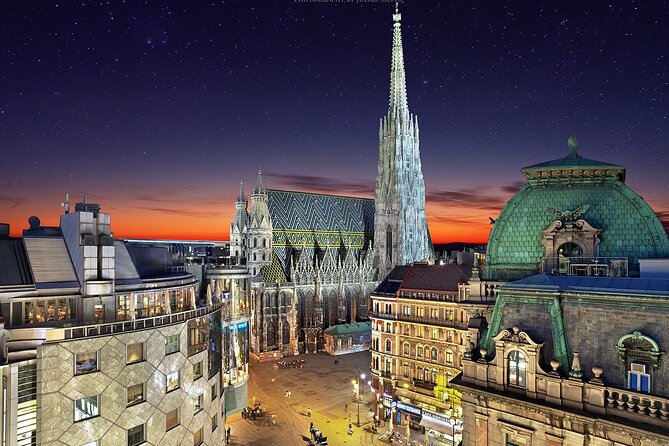
- St. Stephen’s Cathedral and the medieval spine of Vienna
- Small stops, big flavor: St. Peter’s, the plague column, and Vienna’s coffee culture
- Parliament, Rathaus, and passing under Freyung’s arcade
- Hofburg Winter Palace: the Habsburg residence from the 1200s
- Spanish Riding School stables: tradition in the making
- From Hotel Sacher to the Vienna State Opera: finishing on glamour
- Tour price and logistics: what $66.37 buys you in real terms
- Who should book this tour (and who might skip it)
- Should you book this tour?
- FAQ
- How long is the Vienna walking tour?
- Where does the tour start?
- Where does the tour end?
- Is the tour offered in English?
- What group size should I expect?
- Are museum entrance fees included?
- Is there a coffee break during the tour?
- Is the tour ticket mobile?
- What if the weather is bad?
- Can I cancel for free?
Key things that make this tour worth your time
- Mozarthaus start: a direct hit on Mozart’s Vienna from Domgasse, before the walk shifts to broader imperial power.
- St. Stephen’s Cathedral stop: medieval architecture and deep timeline context in a short, focused visit.
- Coffee culture on the route: you’ll hear how Vienna’s long coffee habit formed and where it shows up in the city.
- Hofburg Winter Palace + Habsburg residence: built-for-century storytelling about emperors and empresses.
- Spanish Riding School stables area: tradition from the 15th century, with a close look at the horses’ home base.
- Ends at the State Opera: a dramatic finish that helps you map what you’ll want to see next.
A 3-hour Vienna historical walking tour that ends at the Opera
If you only have a half-day to get your bearings, this is the kind of tour that saves you time. You start with Mozart-related stops, then you move into the political and cultural center of Vienna—Habsburg life, public buildings, and the grand stage that is the Vienna State Opera.
The pacing works because the route keeps chaining together “why this matters” stories. You’re not just looking at photos—you’re learning the logic behind where buildings sit, how power moved through the city, and why certain places became symbols. And because the group is small (4 up to 18), it’s easier to hear the guide and ask questions without the whole thing turning into one-way lecturing.
Practical note: the tour runs about 3 hours and does include a short break (30 minutes in a traditional Viennese coffee house). That break is a big deal in Vienna, because the city has a talent for making you want one more cake before you’re ready to move on.
You can also read our reviews of more walking tours in Vienna
Starting at Mozarthaus: Mozart’s home base in the old city
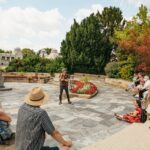
You begin at Mozarthaus Vienna, the Mozart apartment area on Domgasse 5. This start matters because it puts Vienna’s biggest cultural name into real-world context early, while you’re still fresh and walking with full attention.
From here, the guide frames Mozart’s life in Vienna—not just dates, but what the city meant to him and how his career intersected with the era’s institutions. The result is that later, when you see monumental buildings and old power centers, they don’t feel like random scenery. They feel like the stage set behind the music.
The stop itself is short (about 15 minutes), so don’t expect a slow museum experience. Think of it as a “connect the dots” entry point. If you’re the kind of person who wants to read every plaque, you may want to plan a separate visit later. But for orientation and story, this works well.
St. Stephen’s Cathedral and the medieval spine of Vienna
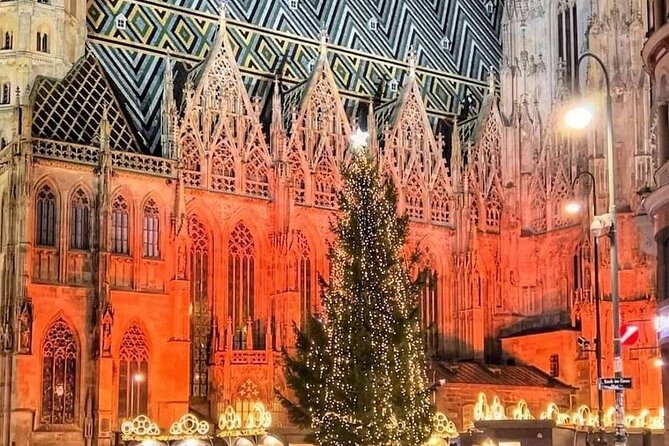
Next comes St. Stephen’s Cathedral, the classic Vienna stop that still surprises people with how long its story stretches back. You’ll get medieval architecture context and why it became the city’s religious anchor.
At around 15 minutes, this is not a full cathedral tour either. Instead, you’ll likely focus on key features and the timeline behind them. That’s actually a good thing for many first-timers: you get the big picture without losing half your morning inside.
One consideration: cathedral areas can be busy, especially in peak seasons. Bring patience and keep your expectations aligned with a walking itinerary. If you want more time to sit and absorb, plan to return after the tour.
Small stops, big flavor: St. Peter’s, the plague column, and Vienna’s coffee culture
This is where the walk turns from “major landmarks” into “Vienna as a lived-in city.”
You’ll pass through the historic center with several smaller stops that add meaning fast:
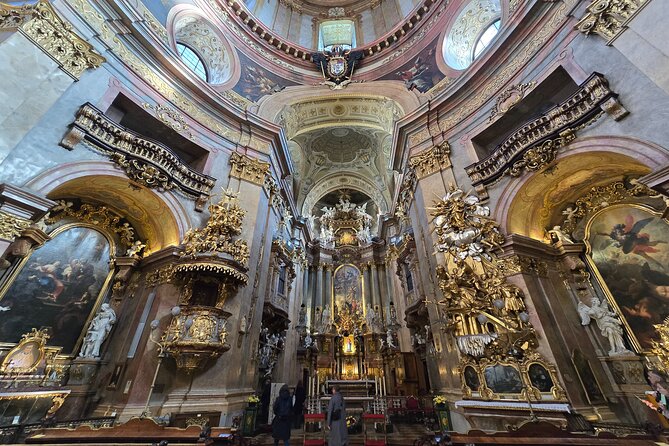
- St. Peter’s Church (a classic old-center marker)
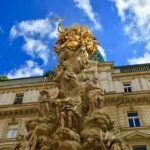
- The Plague Column (a reminder that Vienna’s past includes suffering as well as pomp)
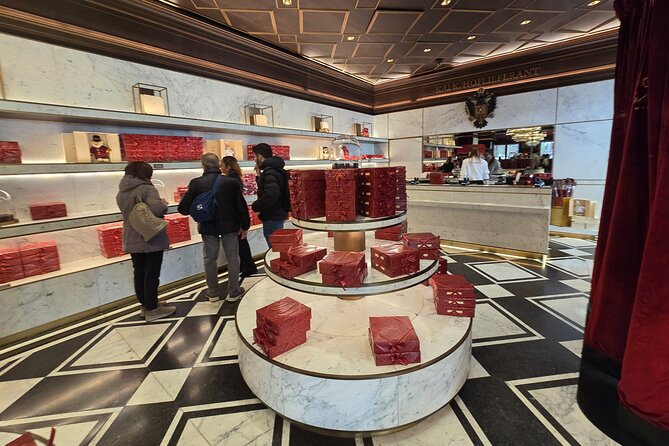
- Demel cake shop (so your sweet tooth has a “place in history” angle, not just a shopping stop)
Then you shift into coffee culture, which is one of Vienna’s best real-world experiences. At Julius Meinl Am Graben, you’ll learn how Vienna’s coffee tradition grew over centuries. This isn’t just brand trivia; it helps you understand why coffee houses sit at the center of social life and why Vienna takes its café routines so seriously.
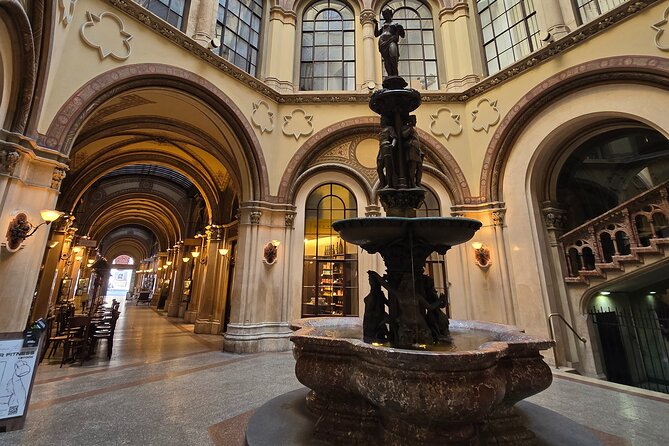
From there you walk through Freyung Passage, where the city’s arcades and small streets do their magic. This is also where Café Central comes into the story, letting you connect “Vienna café culture” to a physical location you can recognize later.
Why I like this cluster: it teaches you how to spot Vienna’s rhythm. The city isn’t only monuments. It’s passages, courtyards, corners where people linger, and institutions that grew from everyday habits.
Parliament, Rathaus, and passing under Freyung’s arcade
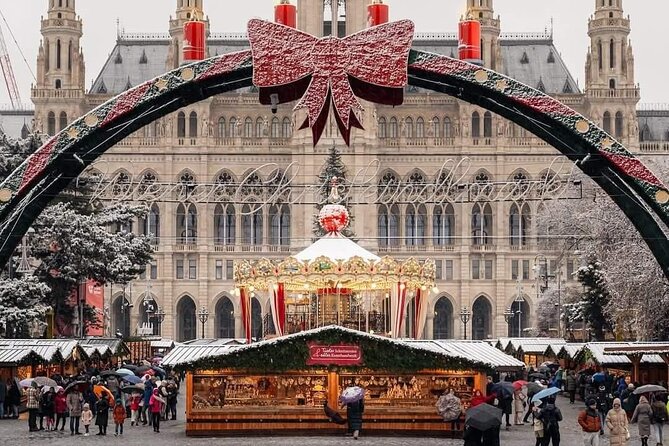
The route continues into the civic heart of Vienna, and the stops here explain how the city presents authority.
At the Austrian Parliament, you’ll see the Greek-style building and the Pallas Athene Fountain out front. The guide uses this to explain symbolism—how a new government era borrowed visual language from the classical world.
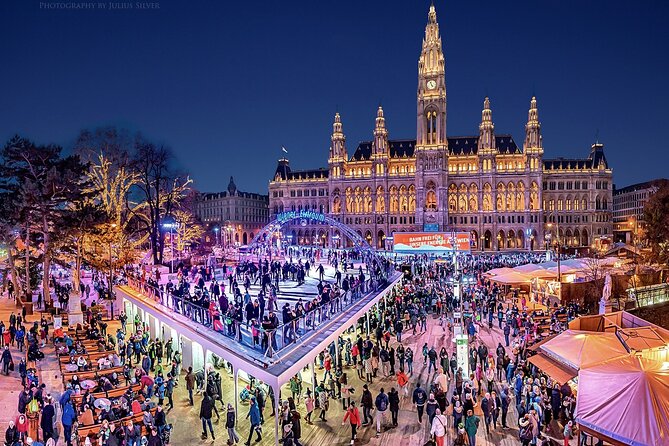
Then you move to Rathaus (city hall), where the gothic architecture gives you another layer: Vienna wasn’t just an imperial machine; it also became a modern city with its own civic identity. Some seasons add extra flavor here. In past groups, guides have worked in time around seasonal markets near Rathaus, so if you’re visiting in colder months, you might find opportunities for a warm drink while still keeping the tour flow.
One practical tip: treat these stops as quick context boosts. If you want long photos sessions or inside views, that’s best done after the tour with your own time.
You can also read our reviews of more historical tours in Vienna
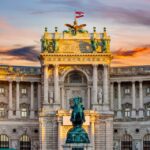
Hofburg Winter Palace: the Habsburg residence from the 1200s
Hofburg is where the tour’s “power story” really lands.
You’ll visit the Winter Palace and the Habsburg residence that dates back to the 13th century. Even in a short window (about 20 minutes), the guide can connect the dots between emperors and empresses, the idea of a permanent court, and why Hofburg became the center of rule rather than a temporary residence.
This stop works best if you let it create a mental map. After Hofburg, the other grand buildings across Vienna start to look less random. You start to see what’s connected: where culture and politics overlapped, and why so much of the city’s identity is tied to imperial life.
A consideration: it’s a “look and learn” stop, not an all-day palace tour. If you’re the type who wants rooms, artifacts, and deep interior details, you’ll want to follow up with a separate museum visit later.
Spanish Riding School stables: tradition in the making
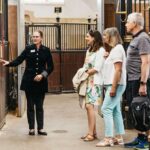
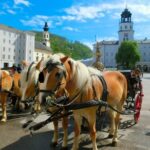
The Spanish Riding School stop is one of those experiences that feels instantly real. You’ll stop at the stables area (about 10 minutes) and see the horses connected to a tradition that began in the 15th century.
The best part of this section is the contrast. Vienna gives you music and imperial ceremony through the previous stops, but this is bodily, practical, and alive. Even if you only see the horses’ environment from where the tour positions you, the tradition theme becomes much more concrete.
Practical note: horse-related areas can have temperature swings depending on the day and your viewing spot. If you’re visiting in winter, dress in layers. You’ll thank yourself when you’re standing still for a short period and the air decides to act dramatic.
From Hotel Sacher to the Vienna State Opera: finishing on glamour
You’ll pass Hotel Sacher and hear the story of how the historic hotel was built, along with the connection to Austria’s famous chocolate cake. Again, it’s a short stop (about 10 minutes), but it adds a food-and-culture thread to the day, not just a “must see building” checklist.
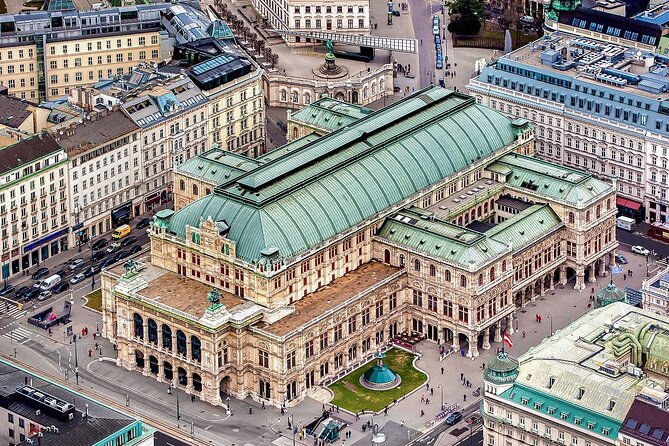
Then you land at the Wiener Staatsoper (Vienna State Opera). This is a visual payoff: the building is stunning, and the guide ties it into stories about the emperor’s reaction and the consequences of blunt criticism.
This ending is well chosen. Finishing at a major public landmark means you don’t feel stuck at the end of your tour. You can immediately keep going—either by wandering along Opernring and nearby streets, or by jumping on public transport for your next stop.
Tour price and logistics: what $66.37 buys you in real terms
At $66.37 per person for about 3 hours, you’re paying for more than a walk. You’re paying for:
- A guide for the whole route
- A small group size (up to 18) that supports questions
- Practical suggestions for museums, venues, restaurants, and coffee stops
- A printed Vienna Information Package and a city map
- A 30-minute break in a traditional Viennese coffee house
Entrance fees to museums are not included. Also, tips are not included. So if you plan to turn the tour stops into deeper museum visits, budget extra time and money for those add-ons.
The value angle is simple: Vienna is a city where context changes everything. If you try to self-tour the same highlights, you’ll either miss the connections or spend extra time researching in real time. Here, you get the connections bundled into one route.
One more planning detail: this tour is commonly booked ahead (on average about 38 days). If your dates line up with a busy week, I’d book early so you get the time slot that best fits your first days in Vienna.
Who should book this tour (and who might skip it)
This tour fits best if you:
- Want a fast orientation to Vienna’s central sights
- Like story-driven walking with lots of stop-and-ask moments
- Enjoy food culture (especially coffee) woven into the sightseeing
- Are comfortable with moderate walking and standing
It may be less ideal if you:
- Want a slow, museum-style day with long interior time at each location
- Dislike walking-based itineraries or standing in crowded areas for short stops
- Are only interested in one single theme (for example, you only want palaces or only want music)
Good news: the route is structured so you still get variety. Mozart, imperial power, civic architecture, coffee culture, and the opera finish all show up, which helps you decide what to prioritize on your next day.
Should you book this tour?
I think it’s a solid “first Vienna day” move. You’ll leave with a usable mental map: where power lived, where culture performed, and why coffee houses matter so much in everyday Vienna life. The guide format (small group, question-friendly, story-led) is a major part of the value, and the 30-minute coffee-house break is the kind of detail that makes a walking tour feel fair.
Book it if you want highlights plus context in one organized route. Consider skipping or supplementing it if you know you’ll spend lots of time inside museums anyway, because this is built for learning from the streets first.
FAQ
How long is the Vienna walking tour?
The tour lasts about 3 hours.
Where does the tour start?
It starts at Mozarthaus Vienna, Domgasse 5, 1010 Wien, Austria.
Where does the tour end?
The tour finishes in front of the Vienna State Opera, Opernring 2, 1010 Wien, Austria.
Is the tour offered in English?
Yes, it is offered in English.
What group size should I expect?
It’s a medium-size group, with 4 up to 18 people.
Are museum entrance fees included?
Entrance fees to museums are not included.
Is there a coffee break during the tour?
Yes. The tour includes an extra 30-minute break in a traditional Viennese coffee house.
Is the tour ticket mobile?
Yes, the tour uses a mobile ticket.
What if the weather is bad?
This experience requires good weather. If it’s canceled due to poor weather, you’ll be offered a different date or a full refund.
Can I cancel for free?
You can cancel for free up to 24 hours in advance for a full refund.