REVIEW · VIENNA
Private Tour with an Art Historian of the Leopold Museum: Gustav Klimt, Egon Schiele and Viennese Art Nouveau
Book on Viator →Operated by Art with me! — Art experience for the intellectually curious · Bookable on Viator
Vienna’s darker side gets clear explanations. This private Leopold Museum tour with an art historian gives you admission included and a tight focus on the most important works, so you don’t get lost in the museum. One thing to plan for: the huge staircase at the main entrance can be tough if you’re mobility-limited.
You meet at Museumsplatz 1, right in front of the Leopold Museum’s main entrance, and your guide is waiting at the bottom of that staircase. The tour runs about 2 hours 15 minutes, is offered in English, and it’s only for your group—so you can set the pace as you go.
In This Review
- Key Things That Make This Leopold Museum Tour Worth Your Time
- Entering The Leopold Museum With a Point of View
- Why Schiele, Klimt, and Art Nouveau Belong Together Here
- Meeting at Museumsplatz 1: The One Logistics Detail That Can Trip You Up
- The Tour Flow Inside: Focused Works, Not Random Walking
- Schiele’s Works: Why the Shock Still Feels Personal
- Klimt, Kokoschka, Gerstl, and the Web of Viennese Modernism
- The Vienna Secession Angle: How Movements Explain the Art
- Getting Your Money’s Worth: Private Guide Plus Admission Included
- Who This Tour Suits Best (And Who Might Skip It)
- A Quick Practical Checklist Before You Go
- Should You Book This Private Leopold Museum Tour?
- FAQ
- How long is the private tour at the Leopold Museum?
- Is museum admission included in the price?
- What language is the tour offered in?
- Where do we meet for the tour?
- Can we use a phone or paper voucher?
- What’s the cancellation window?
Key Things That Make This Leopold Museum Tour Worth Your Time
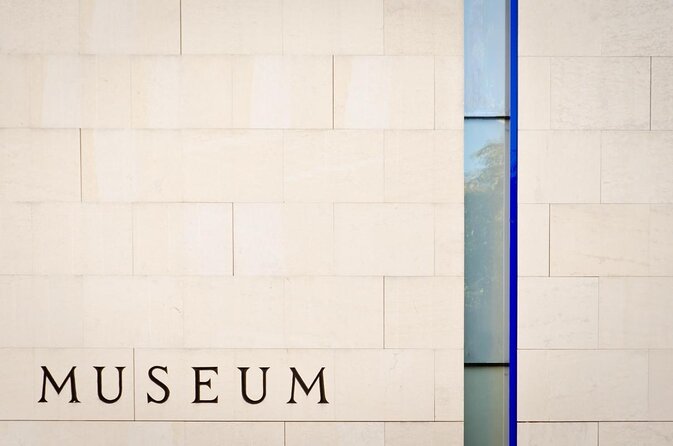
- A real art historian leads the show, not a generic museum script
- Admission is included, so you’re not juggling tickets mid-plan
- Egon Schiele’s permanent exhibition anchors the experience
- Vienna Art Nouveau and Secession ideas connect painters you’ll recognize
- The themes still spark debate today, including the line between pornography and art
- A focused route helps you avoid museum overwhelm
Entering The Leopold Museum With a Point of View
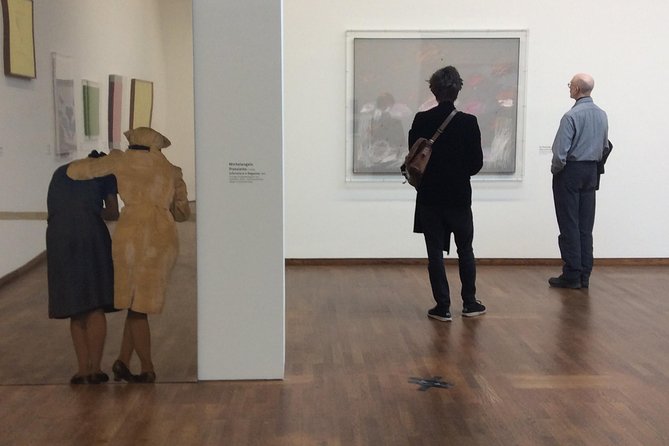
If you’ve been to Vienna expecting mostly pretty façades and tidy stories, the Leopold Museum can feel like a friendly ambush—in the best way. The art here pushes buttons, and not just in a historical sense. It asks what counts as art, who decides, and why the same images still feel charged in modern life.
What makes this tour work is that it’s designed to keep you oriented. Instead of trying to see everything (a fast-track to numbness), your guide steers you toward the strongest works and the ideas they’re built on. That focus is especially helpful at the Leopold, where the collection spans paintings and also things like furniture and handicrafts, all tied to one private collection. You come out with a stronger sense of what the museum is actually saying.
I also like the practical setup: the tour is private, about 2 hours 15 minutes, and includes museum admission. That combination matters. A private guide helps you move with purpose, while included admission keeps your day from turning into a ticket-lookup chore.
You can also read our reviews of more private tours in Vienna

Why Schiele, Klimt, and Art Nouveau Belong Together Here
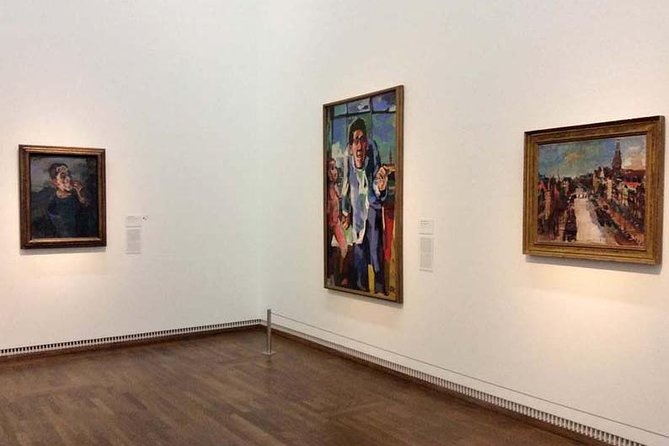
Vienna’s turn-of-the-century art isn’t just one style. It’s a collision of aesthetics, provocation, and identity. The Leopold Museum is a standout place to see that collision because it carries a strong backbone in Egon Schiele’s work, alongside major themes that overlap with Gustav Klimt and the wider Vienna Art Nouveau world.
Schiele is the big gravity. The museum features a permanent exhibition of his works, and the tour leans into why that matters. His images are often described as exhibitionist, but the more useful lens is the cultural argument around them. Themes like the boundary between pornography and art still generate heat today. Your guide doesn’t just point at paintings. You get help reading why these works scandalized in their time—and why the discomfort hasn’t fully disappeared.
Then the tour widens the frame. You’ll connect the personalities and movements that sit around this moment in Vienna—especially the Vienna Secession side of things. That matters because it explains why these artists weren’t trying to produce safe, official-looking art. They were challenging what public taste should be.
Meeting at Museumsplatz 1: The One Logistics Detail That Can Trip You Up
The meeting point is the Leopold Museum itself: Museumsplatz 1, 1070 Wien. You’ll want to arrive punctually, because this is a live guided experience and the guide is waiting at a specific spot.
Here’s the key practical detail: there’s a huge staircase leading to the entrance. Your guide waits at the bottom of that staircase, not at the door. If you arrive late, or if you wander around upstairs, you can easily miss them. If you’re having any trouble finding the meeting point, you should use the contact details on your voucher.
Also note the physical side of the plan. The tour expects moderate physical fitness and it isn’t stroller accessible. Pets aren’t suitable either. If you fall into any of those categories, you’ll likely want to choose a different museum plan or ask the provider ahead of time what options exist for your specific needs.
The Tour Flow Inside: Focused Works, Not Random Walking
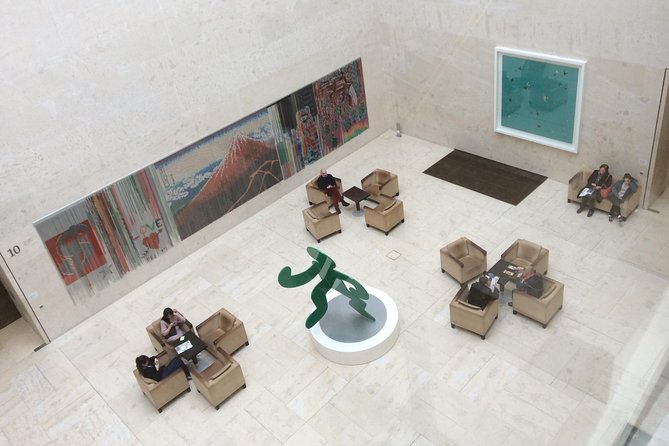
The schedule is simple: you start at the Leopold Museum and you finish back at the same meeting point area. The length—about 2 hours 15 minutes—is long enough for meaningful discussion, but short enough to keep things from turning into a blur.
The best part is how the guide curates your attention without shrinking your curiosity. You concentrate on the most important works instead of trying to see everything. That approach is ideal if you like museum days but you also know how easy it is to burn out—especially in a museum that mixes genres and objects.
This is also a private setup, so you’re not stuck with a herd pace. You can ask questions, slow down for a detail, or move along when something isn’t your focus. From what you’ll hear in the guide’s explanations, you’ll notice they aim for clarity. The goal isn’t to overwhelm you with art history jargon. It’s to help you see the art’s structure—what it’s doing and what it’s responding to.
Schiele’s Works: Why the Shock Still Feels Personal
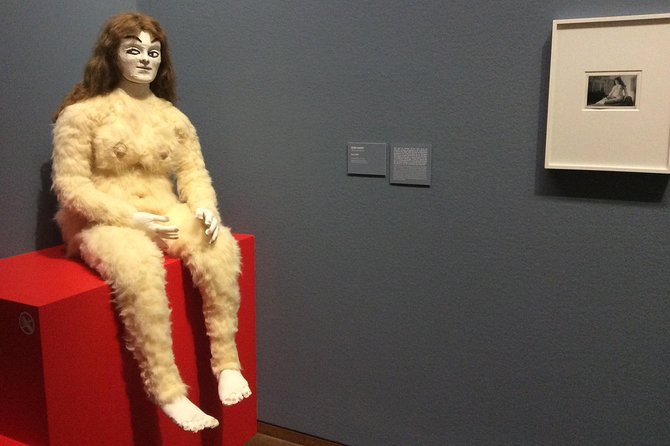
If you want one reason to book this tour, it’s the way Schiele is handled. His work isn’t presented as just scandal. It’s presented as argument—about body, desire, gaze, and representation.
The museum’s Schiele permanent exhibition gives the tour a strong backbone. And rather than treating every image the same way, the guide helps you look at how Schiele builds intensity: the pose, the line, and the emotional charge that comes from directness. You also get context for why themes like explicitness and art were debated so aggressively in his era.
This is not a sit-and-listen lecture. The guide’s style comes through in the reviews: they’re engaging and able to explain complex meanings in an approachable way. You end up with a better sense of what to notice when you look at the works on your own later.
One more subtle point: understanding Schiele here helps you understand Vienna. It shows how artists tested limits, then forced society to answer back.
You can also read our reviews of more museum experiences in Vienna


Klimt, Kokoschka, Gerstl, and the Web of Viennese Modernism
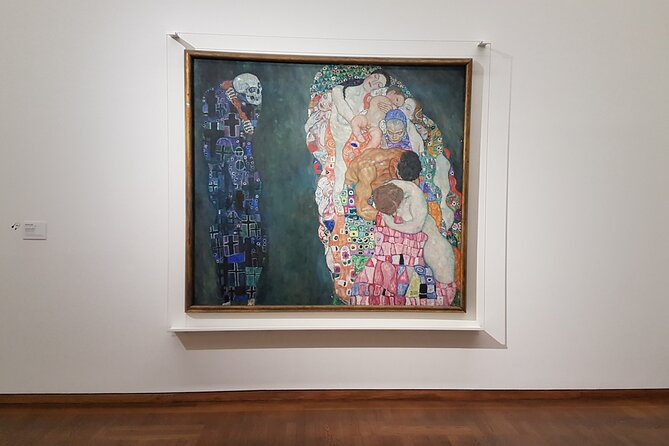
Even with Schiele at the center, this tour doesn’t trap you in one artist. The art conversation in Vienna is a web, and the guide connects the strands in a way that’s easy to follow.
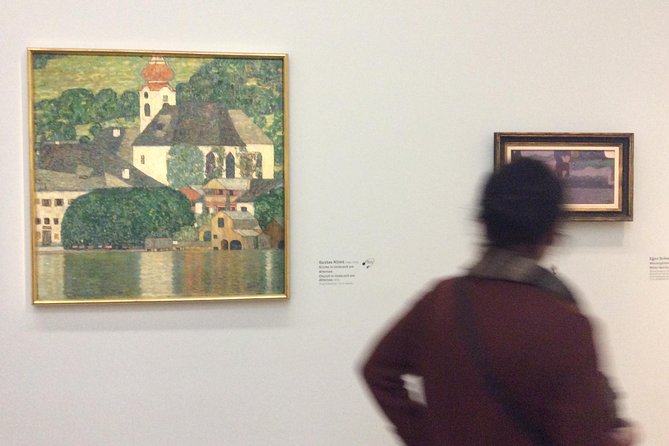
You’ll learn about Gustav Klimt and other Viennese painters around the same period, plus figures like Kokoschka and Gerstl. Those names matter because they help you see the range of attitudes toward modern art in Vienna. Some artists pursued beauty and pattern. Others leaned toward psychological intensity or emotional rawness. When you understand that these approaches coexist, the museum stops feeling like a single style display and starts feeling like a living cultural argument.
And because Vienna Art Nouveau is tied closely to the Secession movement, you’ll also hear how those ideas shaped what artists dared to put on gallery walls. Reviews highlight that the guide was particularly good at explaining the meaning behind the works and the hidden intricacies that aren’t obvious at first glance. That’s exactly what you want in a private tour: help you read the art, not just identify it.
The Vienna Secession Angle: How Movements Explain the Art
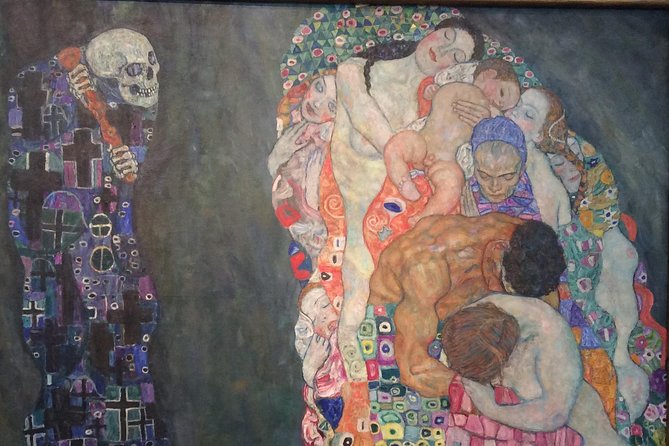
Paintings can feel confusing if you treat them like isolated masterpieces. Movements change that. When you understand the Vienna Secession context, the art becomes less random and more intentional.
This tour includes that layer. You’ll get an explanation of the Succession or Secession-era shift—how these artists positioned themselves against traditional norms. That helps you interpret why certain aesthetics show up, why certain subject choices were made, and why Vienna became such a hotbed for pushing artistic boundaries.
The pay-off is practical. After the tour, when you see works by Klimt, Schiele, or related artists in other places, you’ll recognize recurring ideas faster. You’ll have a sense of what to ask: Is the artist chasing a new visual language, or challenging social rules—or both?
Getting Your Money’s Worth: Private Guide Plus Admission Included
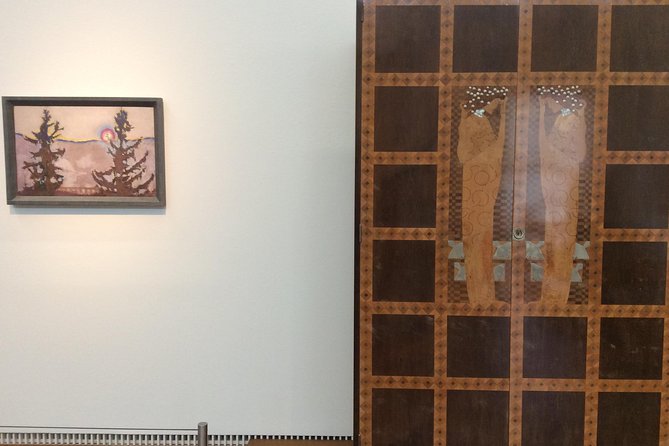
Let’s talk value. The price is $216.27 per person for about 2 hours 15 minutes, with museum admission included. Is that “worth it” depends on how you travel.
If you’re the type who can stare at art for hours and you also likes context, a private art historian is a great match. Admission included removes a common friction cost, and the focused route means you spend your limited museum time on the works that actually carry the story.
If you prefer to speed-run museums with an audio app, this won’t feel essential. But if you want your questions answered and you want to understand what makes these artists click—especially the reasons people argued, and still argue—then the guide pays for itself in time and clarity.
Also, it’s offered in English and the tour is private for your group. That combination matters more than people think. You don’t have to translate nuance in your head, and you don’t have to wait for the slowest person in the group to catch up.
One more booking reality: it’s commonly booked about 24 days in advance. If you’re traveling during a busy season or you have a specific day/time window, it’s smart to reserve earlier rather than gambling.
Who This Tour Suits Best (And Who Might Skip It)
This works best for you if:
- You want Vienna Art Nouveau and Viennese modern art explained in plain language.
- You’re interested in Klimt and Schiele but also want the connecting tissue—like Secession ideas.
- You like a focused museum plan that prevents overload.
- You value an art historian’s interpretation, especially around the controversial themes.
You might skip or pair it differently if:
- You want a fully self-paced museum visit with no structured stops.
- You need stroller access or have mobility constraints that make staircase-heavy meeting points difficult.
- You’re traveling with pets (this one isn’t set up for them).
A Quick Practical Checklist Before You Go
- Show up at the front of the Leopold Museum on time, and meet your guide at the bottom of the main staircase.
- Bring comfortable shoes. Even with a short route, you’ll be moving through museum space.
- If you’re sensitive to challenging themes in art, know the tour centers on works that still provoke debate today.
- You can use a paper or electronic voucher, and the tour uses a mobile ticket.
Should You Book This Private Leopold Museum Tour?
I’d book it if you want your Vienna art day to feel purposeful, not random. The strongest reasons are the admission included convenience, the private pace, and the way the tour connects Schiele’s charged images to the wider Vienna modern story. If you care about what art means—especially when it makes people uncomfortable—this is exactly the kind of experience that turns a museum visit into understanding.
If you’re unsure, ask yourself one question: do you want to see the art, or do you want to get what you’re seeing? This tour is built for the second one.
FAQ
How long is the private tour at the Leopold Museum?
It runs about 2 hours 15 minutes.
Is museum admission included in the price?
Yes. The admission ticket is included.
What language is the tour offered in?
The tour is offered in English.
Where do we meet for the tour?
You meet at Leopold Museum, Museumsplatz 1, 1070 Wien. Come in front of the museum’s main entrance; there is a large staircase, and your guide waits at the bottom.
Can we use a phone or paper voucher?
Yes. You can present either a paper or an electronic voucher.
What’s the cancellation window?
You can cancel for a full refund up to 24 hours before the experience starts. Changes inside 24 hours aren’t accepted.