REVIEW · VIENNA
Private Klimt & Vienna Art Walk — From Baroque to Secession
Book on Viator →Operated by SCHINDL Local Services & Day Tours · Bookable on Viator
Vienna turns into an art-history time machine. I especially love the Belvedere gardens leading to Klimt’s Kiss and the Secession Building with the Beethoven Frieze—two totally different styles, placed close enough to feel like one continuous story. It’s a small, private format with licensed guidance, so you get context fast instead of wandering with just a phone map.
One consideration: the main admissions aren’t included, so you’ll still need tickets for the Upper Belvedere and the Secession building. Also, this is a walking tour built for moderate fitness, so plan comfortable shoes and accept that Vienna is a “walk first, look second” kind of city.
In This Review
- Key highlights worth marking on your plan
- Private walking tour setup: small group, hotel pickup, and real time value
- Belvedere garden gates and Klimt’s Kiss: why this start works
- What to watch for at Belvedere (so it lands in your brain)
- Lower Belvedere: three garden levels and the Versailles idea in miniature
- Schwarzenbergplatz and the shift from imperial power to modern city growth
- A Baroque church seen from afar, then Otto Wagner’s Art Nouveau at Karlsplatz
- Vienna Philharmonic and the Golden Hall: why an acoustics stop makes sense
- Secession Building: how rebel artists turned a building into an argument
- Quick way to enjoy the Secession stop more
- Naschmarkt timing: where your walk can turn into lunch or a snack break
- Pace, weather, and what to wear for a 4-hour Vienna circuit
- What you actually get for the money (and what you pay separately)
- Who should book this Klimt and Vienna Art Walk
- A realistic note on guide style
- Should you book this tour?
- FAQ
- How long is the Private Klimt & Vienna Art Walk?
- What does the tour cost?
- Are museum tickets included?
- Is line-skipping included?
- Where do you meet the guide?
- What are the tour start times?
Key highlights worth marking on your plan
- Skip-the-line access paired with a small group size (up to 8) to keep the day moving
- Belvedere’s Baroque garden palace setting the stage for Klimt’s most famous moment
- A focused Secession stop: the Beethoven Frieze story is short, clear, and made for on-the-spot viewing
- Street-level Vienna design cues, including Art Nouveau around 1900 near Karlsplatz
- A smart food break option at Naschmarkt if your timing lines up
- Two tour start times (09:30 or 14:00) so you can match your energy and your other plans
Private walking tour setup: small group, hotel pickup, and real time value
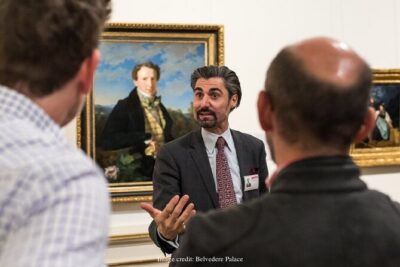
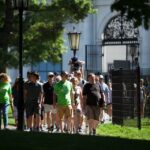
This is a private Klimt + Vienna art walk designed to cover a lot without making you sprint. Your group is capped at up to 8, so you’re not pressed shoulder-to-shoulder with strangers while a guide explains details. That matters, because Klimt and the Art Nouveau/Baroque split only really clicks when someone points out what you’re actually looking at.
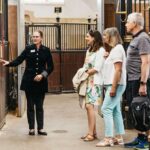
The big practical win is the pickup. You meet your guide at hotels and vacation rentals across town, at Reichsbrücke pier, or at major stations like Vienna Hbf and Vienna West. It’s one less logistics headache when you’re also trying to manage museum timing and short attention spans.
Price is listed as $372.47 per group for about 4 hours. With a group size up to 8, the cost-per-person can drop noticeably compared to per-person tours—as long as you really travel as a group. If you’re traveling solo, this is often worth it only if you care about the guided pacing and not just the buildings.
You can also read our reviews of more walking tours in Vienna
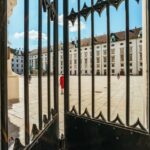
Belvedere garden gates and Klimt’s Kiss: why this start works
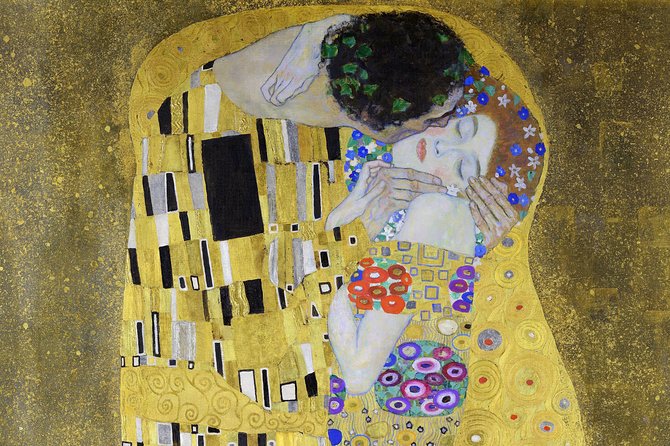
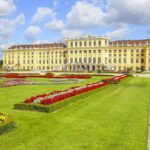
The tour begins at the Belvedere Museum, and that choice is smart because Vienna’s Baroque energy hits immediately. You start with the wrought-iron gates opening into the Belvedere gardens, which are not just pretty background. They help you understand why Baroque architecture loves drama, sightlines, and theatrical entrances.
Then comes the core Klimt moment: Klimt’s The Kiss, embedded in the Austrian Gallery. The guide helps you skip the line, which is huge here—Belvedere can be slow-moving at peak times. Admission for the museum is not included, but the “skip” element is still valuable because it can reduce your dead time once you’re there.
You typically get about 40 minutes at this first museum stop. That’s enough time to see the key work and still absorb what the building and garden setting are doing around it. If you’re the type who likes to linger, I’d treat this as a “see the essentials with guidance now, go back later to savor” plan.
What to watch for at Belvedere (so it lands in your brain)
- How the gardens frame views before you even get inside
- Where The Kiss sits in context, not as an isolated poster
- Why the museum layout changes how you experience the artwork
Lower Belvedere: three garden levels and the Versailles idea in miniature
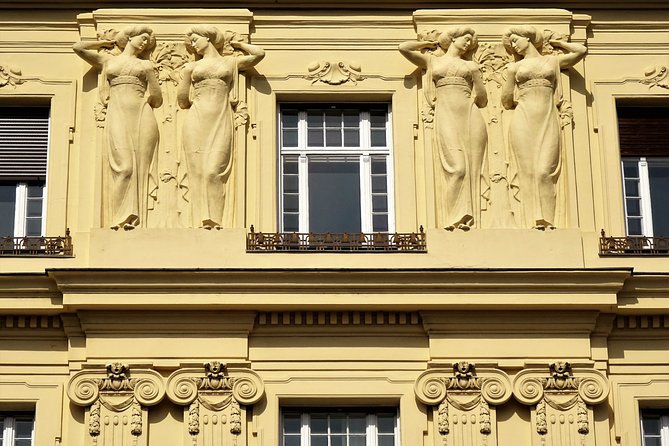
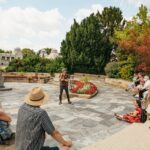
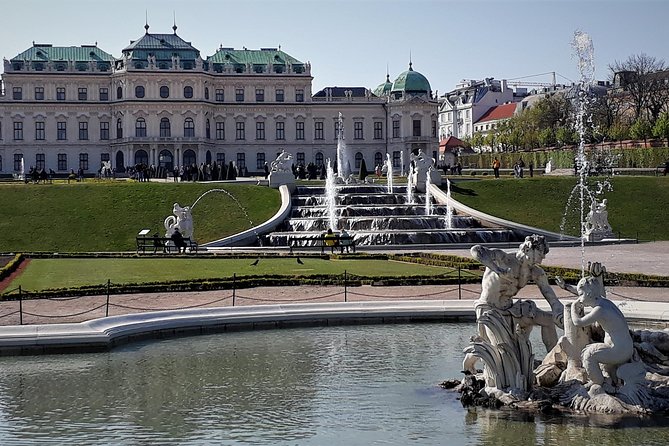
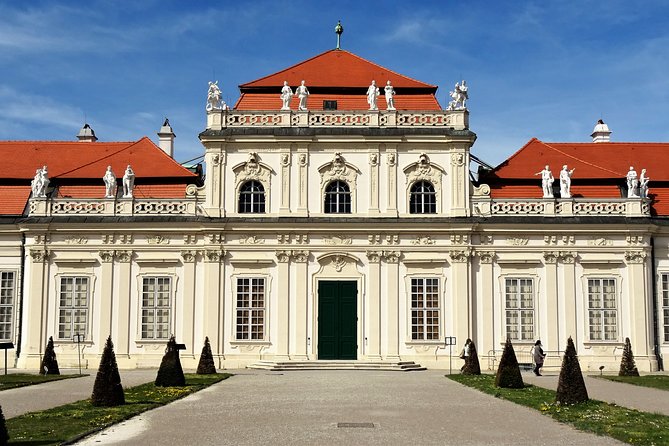
After the first museum moment, you continue down through the Belvedere grounds and into the Lower Belvedere area. This is where the tour becomes more than “go see paintings.” You decode the three-level garden design and the way the gardens play with visual tricks.
One detail that makes this stop feel taught (not just toured) is the explanation of what Prince Eugene brought into Vienna from Versailles. The idea is not that Vienna copy-pasted France. It’s that you can see a miniaturized version of the Versailles ambition: order, symmetry, controlled drama.
The tour pauses long enough for you to understand the garden room and the honor court. That’s the point where Baroque stops being “style trivia” and starts feeling like a message system—everything is arranged to direct your eyes and your mood.
The Lower Belvedere segment can be a calm reset after museum crowds. If you’re visiting in less cooperative weather, this part can also be a morale booster because the design is still readable even when you’re tired.
Schwarzenbergplatz and the shift from imperial power to modern city growth
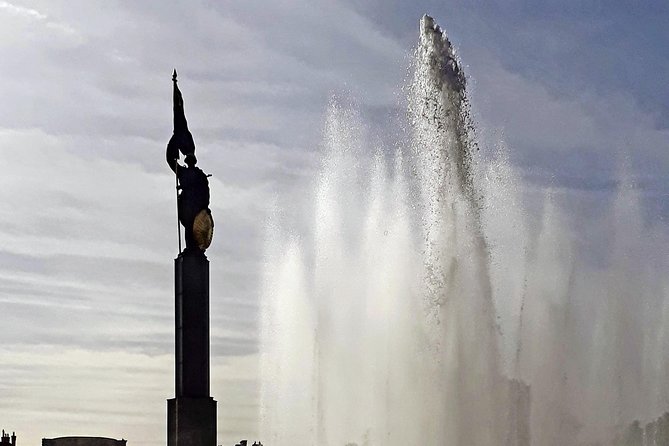
From Belvedere, you move into the streets around Schwarzenbergplatz. The square is dominated by a Soviet Memorial, and that single landmark changes the tone of the walk. Vienna isn’t only a museum city; it’s a city that kept rewriting its identity.
You also get a look at the surrounding building mix tied to Vienna’s boom period at the end of the 1800s. Walking here with guidance helps you connect architectural styles to the era that produced them, instead of just taking photos and moving on.
This stretch isn’t about one famous building. It’s about training your eye: you start seeing Vienna as a timeline you can physically walk through.
You can also read our reviews of more private tours in Vienna
A Baroque church seen from afar, then Otto Wagner’s Art Nouveau at Karlsplatz
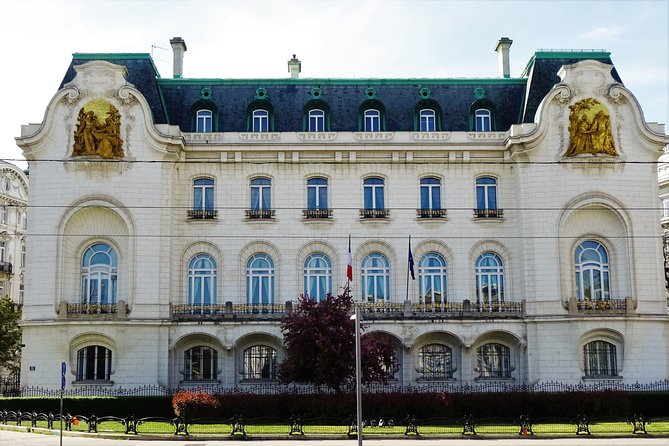
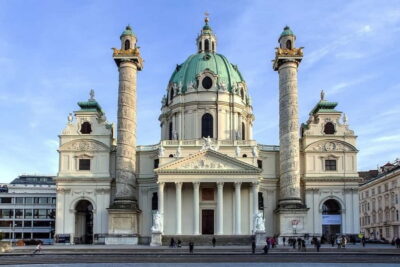
Next, the tour heads toward a grand Baroque church built to impress from a distance. The guide frames it as the setup for Austria’s glorious 1700s epoch, which is a helpful lens. Baroque churches often look like they’re trying to out-talk the sky, and that’s the point—design as persuasion.
After that dramatic swing, you hit a very different mood at Karlsplatz: the Otto Wagner metro-station. This is another “read it with the right explanation” moment, because Wagner represents that around 1900 Art Nouveau confidence. You’re no longer in a “church speaks to God” world. You’re in a “city speaks to the modern person” world.
Even if you don’t care about transit architecture, the comparison works. Baroque says: follow the light, feel the drama. Art Nouveau says: trust materials, trust the new idea of design.
Vienna Philharmonic and the Golden Hall: why an acoustics stop makes sense
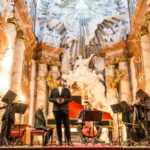
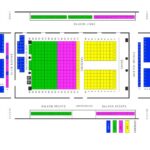
Then you reach the Wiener Musikverein—the home of the Vienna Philharmonic Orchestra. The highlight is the Great/Golden Hall (Großer Saal), known for acoustics that many consider among the best in the world.
This stop can feel surprising in a walking tour focused on Klimt. But it actually fits. Vienna’s art revolutions weren’t just visual. They were also musical. A good guide uses this moment to remind you that Vienna’s “great era” wasn’t one museum ticket—it was a broader cultural machine.
You may not get a long inside-the-hall visit on a half-day walk. Still, it’s a strong marker of why these architecture choices mattered to Austrians beyond decoration.
Secession Building: how rebel artists turned a building into an argument
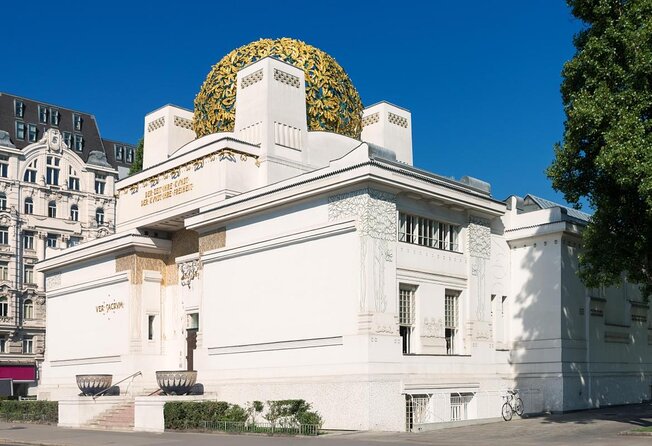
The second main anchor is the Secession Building (Secessionsgebaude). This place is worth your attention because it’s described as an architectural manifesto for Art Nouveau. The guide explains it as a breakaway moment: a group of artists seceded from a long-established fine art institution.
That framing is the key. You don’t just see a style. You understand why that style existed—because artists wanted different rules. That context makes it easier to interpret the rest of what you’re seeing during the walk.
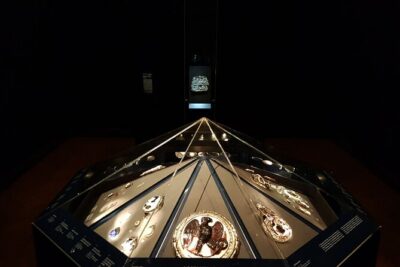
Inside this stop is where Klimt gets another famous “signature” moment: the Beethoven Frieze. Your guide explains that it was painted for an exhibition celebrating the composer. It was painted directly on the walls with light materials, so it was designed for that event, not forever. It culminates in a kiss to the world, which gives you a tidy theme to carry as you move.
Time here is about 30 minutes, and again, admission tickets aren’t included. You’re relying on the guide’s “skip the line” help and your own ticket purchase to get in.
Quick way to enjoy the Secession stop more
- Arrive ready to look, not just take in the building
- Let the guide connect the frieze to why the Secession group mattered
- Remember: it was an exhibition piece, not a permanent shrine
Naschmarkt timing: where your walk can turn into lunch or a snack break
One of the smartest parts of this route is the chance to head toward Naschmarkt in its current transitional stage from 1915. The market is described as a mix of market stalls and an international food experience, which makes it ideal for an al fresco lunch or a late-afternoon snack.
This is not a heavy sit-down lunch by design. It’s more like: you eat where the city eats, you keep your day moving, and you don’t lose the momentum you built with the art stops.
If you have dietary needs, plan to use your own judgment at the stalls. The tour doesn’t spell out meal options, so keep your expectations flexible.
Pace, weather, and what to wear for a 4-hour Vienna circuit
The tour runs about 4 hours, with start times at 09:30 and 14:00, and it’s built around walking between several major sites. The day is designed for moderate physical fitness, so if long stretches of pavement are a problem, you’ll want to plan your shoe choice and bathroom breaks like a pro.
Comfort matters because the route includes museums plus several street-level stops. Vienna’s also known for quick weather changes, and even the most confident art walk can become an endurance test in rain or wind.
One practical tip I always give for this kind of day: dress for shifting temperatures and bring something light for showers. Your guide will likely adjust the pace if needed, but the route still has to follow the sites.
What you actually get for the money (and what you pay separately)
Here’s the value equation in plain terms.
Included:
- Live guiding by a licensed Austria Guide
- Pickup from hotels, vacation rentals, piers, or stations
- Skip-the-line help
Not included:
- Admissions for Upper Belvedere and the Secession
- Public transportation
- Personal expenses
Mobile ticketing is offered, which usually means less friction when you’re entering. Still, admissions are the main extra budget item. If you’re comparing against other “Klimt tours,” check carefully whether they cover museum entry or only the guided experience.
For me, the “why this is worth it” part comes down to time. When you’re trying to see Baroque + Art Nouveau in one half-day, skipping delays matters. A guide also turns buildings into stories, not background scenery.
Who should book this Klimt and Vienna Art Walk
This is best for you if:
- You want a fast, structured overview of Vienna’s transition from Baroque grandeur to Art Nouveau ideas
- You care about Klimt’s works and want context at the places where the art lives
- You like walking with a guide who points out what you might miss on your own
It’s also a good fit for people who want their sightseeing to feel like a connected narrative instead of a checklist.
A realistic note on guide style
This tour is private, and private guiding often includes personal commentary. One guide-led experience in the provided feedback mentioned political opinions during the tour. If that’s a deal breaker for you, I’d choose a guide by preference when possible—or at least be ready to steer the conversation back to art if needed.
You should also be aware that pace can vary by the group. The tour is built for moderate walking, and one piece of feedback criticized the pace as slow. On the other hand, other feedback praised a perfectly paced day, including adjustments for slower walkers.
Should you book this tour?
I’d book it if your goal is Klimt plus a Vienna “style timeline” in one half-day, with hotel pickup and a guide who keeps you from wasting time in lines. The route is well chosen: Belvedere gives you Baroque theatre, and the Secession Building gives you the rebel Art Nouveau mindset—two Klimt-flavored viewpoints in a single circuit.
Skip it if you hate walking, or if you prefer totally “quiet museum mode” where the guide avoids personal commentary. Also budget for admissions since they aren’t included.
If you go in with comfortable shoes and a little patience for the pace, this is the kind of tour that helps Vienna stop being a postcard city and start being a place with ideas you can actually feel.
FAQ
How long is the Private Klimt & Vienna Art Walk?
It lasts about 4 hours (approximately).
What does the tour cost?
The price is $372.47 per group (up to 8 people).
Are museum tickets included?
No. Admission tickets for Upper Belvedere and the Secession building are not included.
Is line-skipping included?
Yes. The tour includes skip-the-line access, but admissions are still your responsibility.
Where do you meet the guide?
Pickup is offered at hotels and vacation rentals in town, Reichsbrücke pier, or train stations including Vienna Hbf and Vienna West.
What are the tour start times?
The tour starts at 09:30 and 14:00 (morning and afternoon options).