REVIEW · VIENNA
Vienna: Historical Walking Tour – Hitler and the 1900s
Book on GetYourGuide →Operated by Prime Tours · Bookable on GetYourGuide
Vienna is never just one story. This 2-hour Prime Tours walk links Adolf Hitler’s early life in Vienna with the city’s big cultural shifts in the early 1900s. You’ll move through real neighborhoods and recognizable landmarks while your guide turns street corners into context, from the Habsburg-era backdrop to the Vienna people know today.
What I like most is the way the tour blends the controversial and the cultural without turning it into a one-note lecture. I’m especially drawn to the focus on hidden spots and stories beyond the usual routes, and the fact that the guides bring it to life with clear narration and strong details—like Joseph’s anecdotes, Cristina’s easy-to-follow explanations, and Ángeles & Mia’s history coverage.
One thing to consider: this is a topic-heavy walk. If you’d rather avoid difficult subject matter in public spaces, this format may feel heavy for your day in Vienna.
In This Review
- Key things you’ll notice on this Vienna walk
- Why the Hitler-and-1900s theme works in Vienna
- Meeting point and how the tour starts with clarity
- Following Hitler’s early years without losing Vienna
- Karlsplatz: where Vienna’s turns become visible
- MuseumsQuartier: Vienna’s shift from imperial roots to today
- Klimt to Wagner: art and ideas sharing the same streets
- The value of “hidden spots” and street-level storytelling
- What’s included in the ticket price—and what isn’t
- Time on your feet: planning around the 2-hour format
- Who should book this Vienna historical walking tour
- Should you book Prime Tours’ Hitler and the 1900s walk?
- FAQ
- How long is the tour?
- What language is the tour guide?
- Where do I meet the guide?
- Where does the tour end?
- How much does the tour cost?
- Is food or drink included?
- Are museum entrance fees included?
- Is the tour wheelchair accessible?
- Can I get a full refund if I cancel?
Key things you’ll notice on this Vienna walk
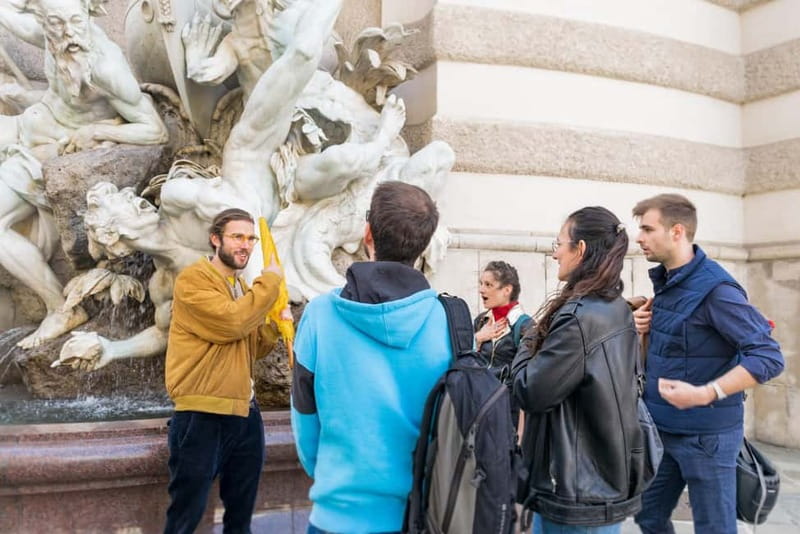
- Hitler’s early footsteps through real city spaces, explained in a Vienna-focused way
- Art and music context, tying the early 1900s to figures like Klimt and Wagner
- Stops such as Karlsplatz and MuseumsQuartier, where you can see Vienna’s layers
- Local guide insight and insider tips, including recommendations beyond the main sights
- A 2-hour pacing, built for walking and discussion without rushing nonstop
Why the Hitler-and-1900s theme works in Vienna
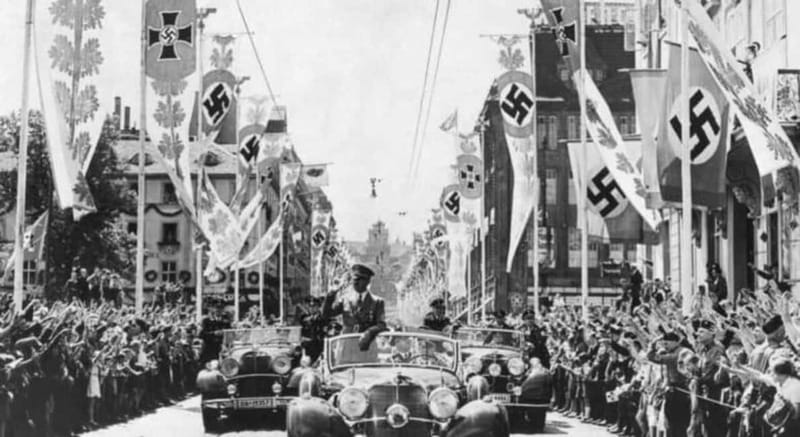
If you’ve visited Vienna before, you already know the city looks calm. That’s exactly why a theme like this can be so thought-provoking. The streets, squares, and landmark districts make it easy to imagine different eras overlapping—imperial grandeur, turn-of-the-century ambition, and a modern city shaped by what came after.
This tour’s angle is not just “history facts.” It’s about how Vienna’s political and cultural changes in the early 1900s affected the city’s atmosphere and the people living in it. By the time you finish, you should have a clearer sense of how a place can influence later events, not by magic, but through art, ideas, identity, and the mood of the era.
And because it’s a walking tour, you don’t just read about these changes. You see where the story takes place—then your guide helps you connect it to the present-day streetscape. That’s the practical value here: you’re learning how to look at Vienna more intelligently on your next walk.
You can also read our reviews of more walking tours in Vienna

Meeting point and how the tour starts with clarity
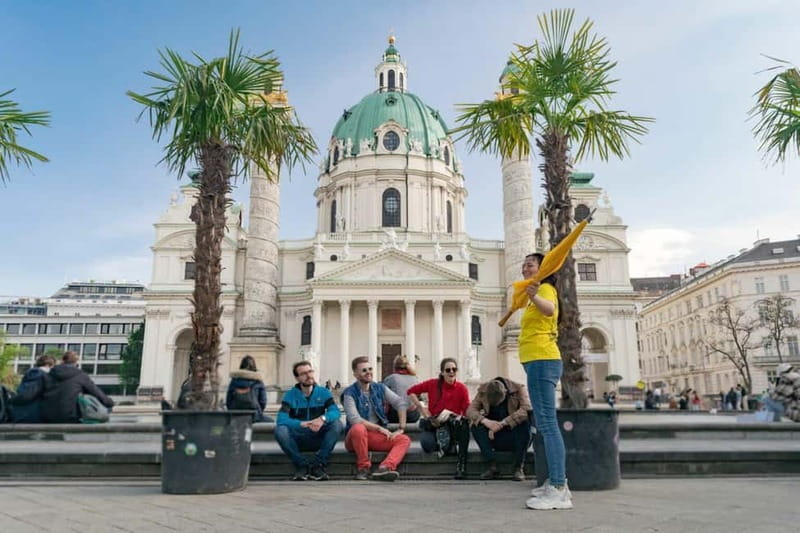
The tour begins at a very easy-to-find spot: look out for the YELLOW PRIME TOURS UMBRELLA. That matters more than it sounds. Walking tours live and die on quick regrouping, and a clear meeting point reduces the usual stress.
From there, you’ll head into the areas that connect the tour’s main threads—Hitler’s early years in Vienna and the city’s transformation across the early 1900s. Because you’re moving on foot, you’ll also get a feel for distance and layout. That helps if you’re building the rest of your sightseeing day after the tour.
You’ll return back to the meeting point at the end, so you’re not stranded across town after two hours—good if you still want time for cafés, museums, or a night walk.
Following Hitler’s early years without losing Vienna
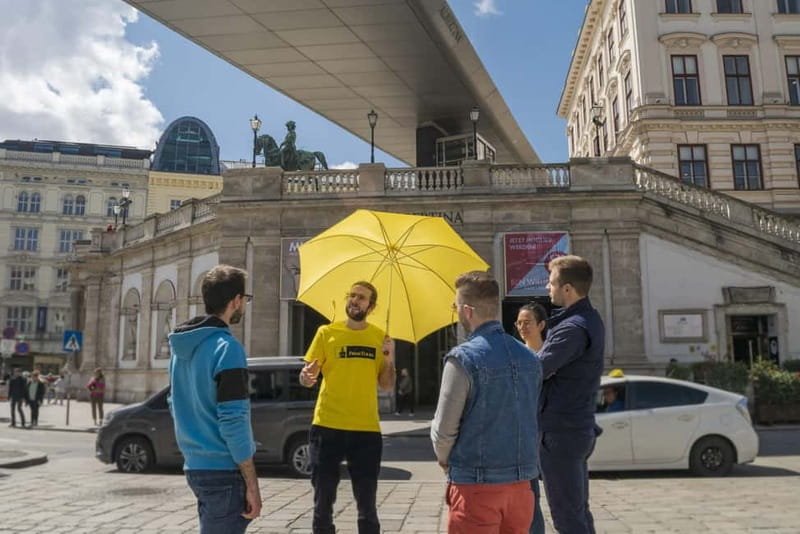
This is the controversial center of the experience: you follow Adolf Hitler’s early footsteps in Vienna and explore how that time in the city influenced his later life. The tour’s premise is city-based—Vienna as a factor, Vienna as a stage, Vienna as a set of conditions.
Practically, what you should expect is a guided explanation that connects early life to the broader political and cultural atmosphere of the era. You’re not just hearing dates; you’re walking through the kinds of places that shaped the early 1900s mood—the mix of art, public life, and political tension that characterized Vienna as it moved toward a modern identity.
One reason I think this tour is compelling is that Vienna is not a blank background. The city’s look and institutions matter. When your guide points out architectural and historical shifts, you start to understand the atmosphere behind the story, not just the story itself.
A consideration: this theme can be emotionally uncomfortable for some people. If you’re sensitive to history tied to Nazi ideology, approach it with the mindset that this is an educational walk focused on understanding causes and context, not entertainment.
Karlsplatz: where Vienna’s turns become visible
One of the named stops is Karlsplatz, which gives the tour a strong “Vienna-on-foot” anchor point. Even if you’ve seen the general area before, a good guide can help you notice the city’s layers—how old and new ideas sit side by side.
On a tour like this, stops like Karlsplatz matter because they help you grasp how the early 1900s city would have felt. The guide’s job is to translate stone, streets, and layout into meaning: how public spaces functioned, how neighborhoods connected people, and how the city’s direction was shifting.
The drawback to keep in mind is simply weather and walking comfort. Two hours is manageable, but you’ll still be outside, and your experience will depend on how comfortable you are moving around Vienna’s streets for a solid stretch.
MuseumsQuartier: Vienna’s shift from imperial roots to today
The tour also includes MuseumsQuartier, and that choice fits the theme well. MuseumsQuartier represents Vienna’s modern identity as a cultural hub—so it’s a natural place to discuss the city’s shift from its earlier imperial framing toward a more contemporary metropolis.
When your guide ties the walk to Vienna’s transformation, this is where the city can feel especially “readable.” You see how Vienna packages culture today, then you compare that with the ideas and conditions of the early 1900s that shaped what came later.
For you as a visitor, this kind of stop helps with more than just this tour. It changes how you plan the rest of your day. If you’re going on to museums or galleries afterward, you’ll have a better sense of why Vienna treats art and culture so seriously.
One practical note: the tour doesn’t include museum entrance fees after the walk. That means you can treat MuseumsQuartier as a context stop during the tour, then decide on your own whether to go inside (based on your time and budget).
You can also read our reviews of more historical tours in Vienna


Klimt to Wagner: art and ideas sharing the same streets
The overview highlights an artistic arc from Klimt to Wagner, and that’s smart. Vienna’s identity has long been tied to music, art, and the way culture becomes part of public life. When a tour connects art figures to the era’s political and cultural change, it helps you see the period as more than just conflict.
Instead of compartmentalizing history into separate boxes, your guide links creative movements with the wider environment of the early 1900s. You get a sense of how art and public thought can influence the way people interpret the world—sometimes inspiring, sometimes reflecting tensions in society.
What I like about this approach is that it keeps the tour grounded in Vienna as a lived city. You’re not only tracking one person’s story. You’re also tracking a whole atmosphere.
The value of “hidden spots” and street-level storytelling
A strong highlight is hidden spots and stories beyond the typical tourist routes. That’s where walking tours can either disappoint or really pay off. When they work, the guide gives you small moments that you can replay later when you’re wandering on your own.
This tour leans into that. The guide shares local insight and includes insider tips and recommendations, which is useful in a very practical way. After a tour, I don’t just want facts—I want to know what to do next, where to go for a good meal, and how to structure time so you don’t waste it.
The guide-led storytelling also seems to be a big part of why people rate this tour so highly. Notes from named guides in English commentary include Joseph bringing lots of anecdotes, Cristina being exceptionally well spoken and knowledgeable, and strong explanations from Ángeles and Mia. Even if you don’t know those guides ahead of time, it signals that the narration style matters here: clear, detailed, and not just “read the plaque.”
What’s included in the ticket price—and what isn’t
The price is $22 per person for about 2 hours. That’s good value for Vienna, where guided time can easily cost much more, especially when you factor in a live local guide, a planned route of historic sites, and guide-specific recommendations.
Here’s what you do get:
- An expert local guide (live, English)
- A walking tour through Vienna’s historic sites
- Reserved spot with your booking
- Insider tips and recommendations during the walk
- Instant booking confirmation
- A small note about tipping the guide on the spot
What you don’t get:
- Food and drinks
- Entrance fees to museums or attractions after the tour
- Transportation to and from the meeting point
For your budgeting, this tour is easiest to pair with a self-planned meal afterward. Bring water if you need it, and plan any museum tickets separately.
Time on your feet: planning around the 2-hour format
Two hours is a sweet spot for a theme tour. It’s long enough for your guide to set context, connect dots, and reach places like Karlsplatz and MuseumsQuartier. It’s short enough that it doesn’t wreck an entire day.
That matters for value, because you can fit this tour early, then build the rest of your itinerary with less guesswork. For example, if you’re planning a museum visit or a self-guided stroll afterward, the tour helps you choose based on what you learned rather than just what’s nearby.
Keep in mind: the tour ends back at the meeting point. That reduces logistical friction and makes it easier to keep moving with your day.
Who should book this Vienna historical walking tour
This tour fits best if you want:
- A guided walk focused on Vienna’s early 1900s political and cultural shifts
- A city-first lens on Hitler’s early life and how it ties into broader context
- A mix of historic places and art/music references, from Klimt to Wagner
- Practical guide insight, including recommendations and insider storytelling
It may be a less perfect match if you want a lighter, purely scenic walk. This is history with heavy subject matter, and the theme is intentional.
Also, if you’re the kind of traveler who likes to “see the city as a system”—how neighborhoods, institutions, and culture connect—this tour format will feel rewarding.
Should you book Prime Tours’ Hitler and the 1900s walk?
Yes, if your travel style includes context and meaning. The ticket price is reasonable for what you’re getting: an English-speaking local guide, a route through major Vienna areas tied to the theme, and on-the-ground storytelling that helps you understand how Vienna’s early 1900s atmosphere connects to later events.
No, if you’re hoping for a casual stroll or you prefer not to focus on controversial political history while walking through everyday public spaces. In that case, you might enjoy other Vienna tours that stick to architecture and culture without this specific thread.
My practical advice: decide based on what you want your Vienna day to feel like. If you want a guided, thought-provoking walk that teaches you how to read the city’s layers, book it. If you want a simple sightseeing reset, save this one for a day when you’re ready for the topic.
FAQ
How long is the tour?
It lasts 2 hours.
What language is the tour guide?
The tour is guided in English.
Where do I meet the guide?
Meet at the meeting point where you should look out for the YELLOW PRIME TOURS UMBRELLA.
Where does the tour end?
The tour ends back at the meeting point.
How much does the tour cost?
The price is $22 per person.
Is food or drink included?
No. Food and drinks are not included.
Are museum entrance fees included?
No. Entrance fees to museums or attractions after the tour are not included.
Is the tour wheelchair accessible?
Yes. The tour is wheelchair accessible.
Can I get a full refund if I cancel?
Yes. Free cancellation is available up to 24 hours in advance for a full refund.