REVIEW · VIENNA
Vienna Walking Tour with Audioguide on Your Smartphone
Book on Viator →Operated by TouringBee · Bookable on Viator
Vienna is best when you move at your own speed, not on someone else’s schedule. This smartphone audio walking tour strings together the city’s big-name sights and a few quieter corners using 29 professional historian recordings plus an offline route map you follow on your phone.
I love that it’s genuinely low-pressure: you can pause for a photo, stretch, or coffee, then pick up right where you left off. I also like the way the route hits variety, from Gothic and Baroque churches to imperial monuments and major museums.
One thing to consider: it’s self-guided, so if GPS or app directions act weird, you’ll need patience (and ideally a backup map). Some folks also found the walk taking longer than the stated 2 hours 30 minutes because you’re on your feet for a longer circuit.
In This Review
- Key highlights you’ll feel right away
- How the smartphone audio guide works in real life
- Stephansplatz to St. Stephen’s Cathedral: start with Vienna’s loudest landmark
- Church of the Teutonic Order and the Plague Column: quieter stories, sharp impact
- Peterskirche and Café Demel: church beauty plus the sane place to regroup
- Michaelerplatz, Joseph II, and the Hofburg edge: imperial Vienna in bite-size pieces
- Donnerbrunnen and the Memorial against War & Fascism: pause for tone change
- Imperial Crypt: Habsburg final resting place, solemn and worth the time
- Albertina and the Vienna State Opera: art and music on the same mental level
- Mozart Monument, Maria Theresien Square, and the Burggarten walk
- Empress Elisabeth (Sisi) and Vienna City Hall: softer legend meets civic pride
- University of Vienna, Beethoven’s House, and the Café Central pause that saves the day
- Collalto Palace and the Schönbrunn Marriage Fountain: aristocratic corners and a romantic break
- Ankeruhr Clock: your final “wait, that’s cool” moment
- Price value: $8.40 for independence, but budget time too
- Tips so your phone doesn’t steal the show
- Who should book this, and who might skip it
- Should you book this Vienna smartphone audio walk?
- FAQ
- How long is the Vienna walking tour with smartphone audio guide?
- How much does it cost?
- Do I need tickets or an entrance fee for the stops?
- Is this tour guided by a person?
- What equipment do I need?
- Where does the tour start and end?
- Can I cancel, and how late?
Key highlights you’ll feel right away
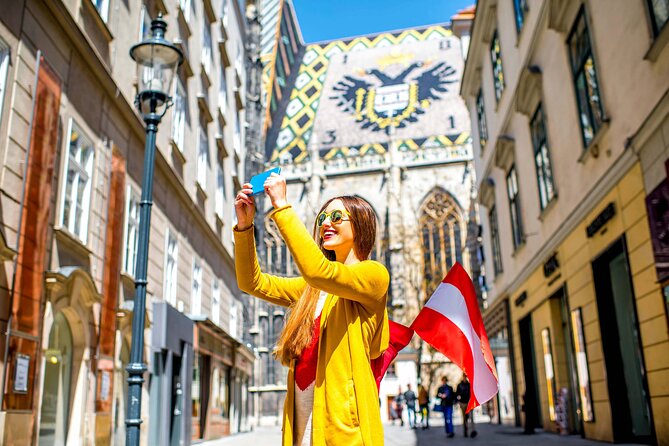
- 29 historian-recorded stops that mix story and practical sight-reading, not just dates
- Offline map + GPS-style blue-dot guidance, so you’re not constantly guessing the next turn
- Major Vienna anchors on one loop: St. Stephen’s, Hofburg area sights, Mozart, Maria Theresa, City Hall
- Free-to-see itinerary stops, since the tour is designed around sights you can view without timed entry
- Break-friendly pacing, with the option to split the walk across days when your energy dips
- Designed for phones (not human-guide chat), which is great if you like independence and tough if you don’t
How the smartphone audio guide works in real life
This is a self-guided walk, so there’s no person meeting you with a flag and a “follow me.” Instead, you download the app for iPhone or Android, activate your purchase, and follow the route using the map in the mobile app.
That setup is the point. You can slow down for a close look at stonework, then speed through when you’ve had enough church domes for the day. You can also stop for a coffee break without feeling like you’re holding anyone up.
Here’s the practical part: bring your own headphones. Also, start with your phone battery healthy. One battery die near St. Stephen’s and you’re suddenly doing interpretive walking, which is fun only in movies.
You can also read our reviews of more walking tours in Vienna


Stephansplatz to St. Stephen’s Cathedral: start with Vienna’s loudest landmark
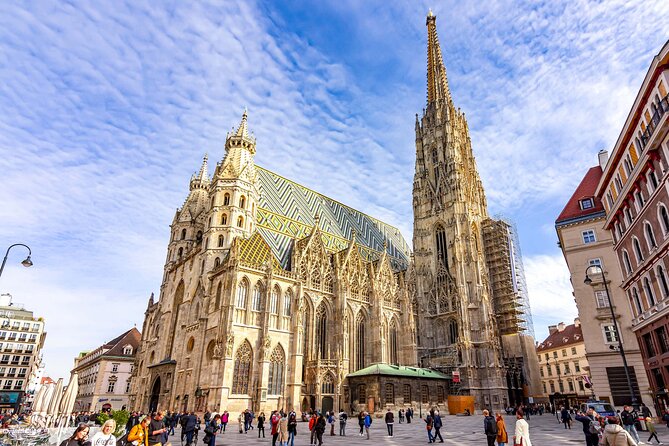
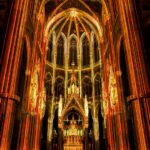
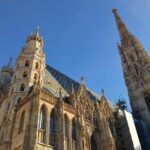
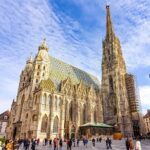
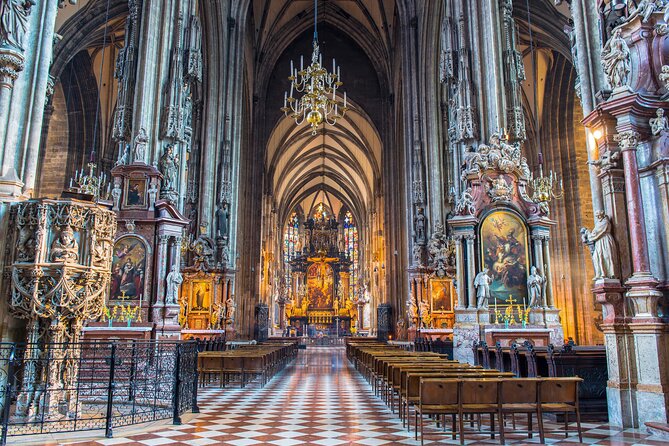
You begin at Stephansplatz (1010 Wien), and the tour quickly turns into the kind of first impression that makes you straighten your posture. St. Stephen’s Cathedral is the Gothic anchor. You’re guided to admire the spires, the carved façade, the stained glass, and then the interior highlights like the High Altar.
What I like about this start is that the audio helps you “read” what you’re seeing. You’re not just looking at a big building; you’re noticing details that explain why this place became a center of Vienna identity.
If you want views, the audio also points you toward the idea of climbing the South Tower. Keep in mind: even if the main sighting is free, stairs and crowds can slow you down, so build in time if you’re picky about photos.
Church of the Teutonic Order and the Plague Column: quieter stories, sharp impact
Next comes the Church of the Teutonic Order, a Baroque stop that feels more intimate than the cathedral. The audio steers you to the church’s ornate interior features like frescoes and sculptures. This is where your eyes get trained to spot artwork that you’d otherwise walk right past.
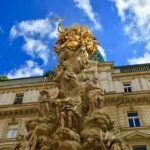
Then you reach the Colonna Della Peste (Pestsaule)—a plague column. Even though this is a short stop on paper, it tends to land hardest if you let it. The message is simple: it was built in gratitude after surviving a plague, and it’s packed with Baroque sculpture that rewards close looking.
One consideration: these stops can be harder to identify if street signage is unclear or if GPS doesn’t lock quickly. If you’re the type who hates “hunt mode,” keep a secondary map open on your phone screen.
Peterskirche and Café Demel: church beauty plus the sane place to regroup
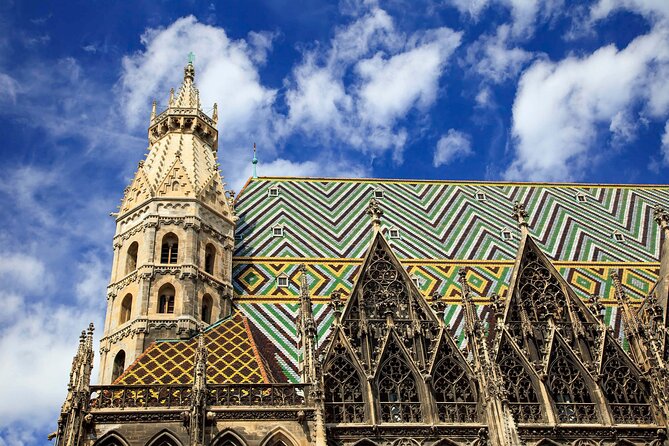
At Peterskirche, the tour nudges you toward the Baroque dome and frescoed interior. This is a strong contrast to the earlier Gothic vibe. You’re basically being taught how Vienna cycles through styles without losing the thread.
Then you get a very practical breath: Café Demel. The audio frames it as a chance to do the Viennese thing—slow down with pastries and coffee. If you like Sachertorte, this is the moment to treat yourself rather than doing it later when you’re tired and hungry.
This stop also matters because it’s a reset point. You’ll often see Vienna pace differences between travelers who stop for food on schedule and those who run on snacks until they’re done.
Michaelerplatz, Joseph II, and the Hofburg edge: imperial Vienna in bite-size pieces
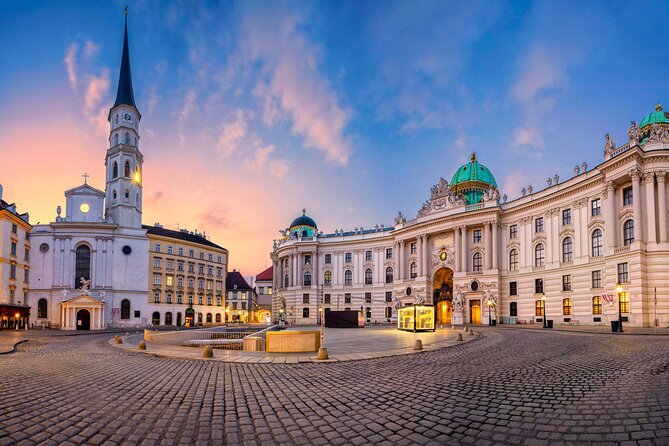
The route swings to Michaelerplatz, where you get a view of Hofburg Palace energy plus the Michaelerplatz Archaeological Excavations under the square. That under-your-feet contrast is one of the best “wait, what?” moments on the walk.
At Josefsplatz, the audio directs you to the Emperor Joseph II Monument. This helps you connect Vienna’s buildings to the political mindset behind reforms associated with Enlightenment ideas.
Now, if you’re thinking this sounds like a lot of statues, you’re right. But the good part is that the audio ties them together, so you’re not just collecting pretty bronze.
You can also read our reviews of more tours and experiences in Vienna

Donnerbrunnen and the Memorial against War & Fascism: pause for tone change
You’ll reach Donnerbrunnen in Neuer Markt. This fountain stop is one of those “nice break” moments because there’s usually open space to stand and look at the mythological sculpture.
Then comes Memorial Against War & Fascism, which shifts the mood quickly. The shattered column sculpture is meant to be stared at, not rushed. This part is valuable because Vienna isn’t only imperial glamour. It also carries modern reminders about the cost of oppression and war.
If you’re in a hurry, don’t. Even a 5-minute pause here makes the rest of the day feel more grounded.
Imperial Crypt: Habsburg final resting place, solemn and worth the time
The tour includes Vienna’s Imperial Crypt. This is guided as a journey through Habsburg history and royal burial spaces, with an emphasis on opulence and ornate artwork.
Why this matters on a walking route: it gives weight to everything you’ve been seeing around the Hofburg area. Without it, you can admire buildings and still miss the human story underneath.
This stop can also be a time-sink if you like details, which is why the self-guided format is helpful. If you’d rather keep moving, you can shorten the stay. If you want the quiet, you’ll have that option.
Albertina and the Vienna State Opera: art and music on the same mental level
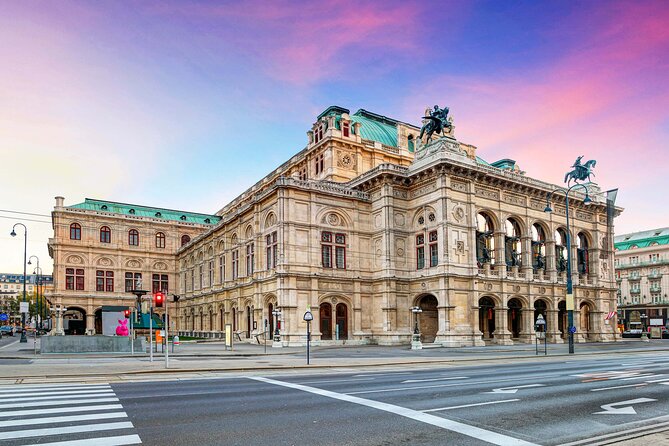
From memorial and crypt tones, the route transitions toward culture heavyweights: Albertina Gallery and the Vienna State Opera.
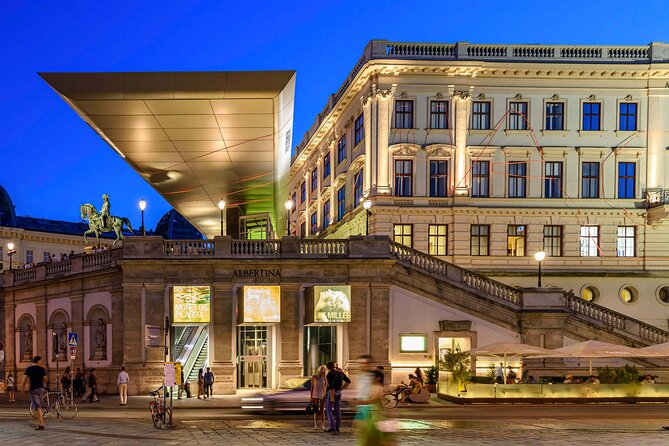
At Albertina, you’re pointed to the breadth of works across periods, including artists like Dürer, Monet, and Picasso. Even if you don’t become a museum marathon person, the audio primes you to look for what kind of art you’re actually seeing.
Then Vienna State Opera is the next mental click: architecture and interiors, plus the idea of world-class performances. You may not catch a show as part of the walking experience, but the exterior-to-interior framing helps you understand why opera became such a Vienna calling card.
Quick tip: if you’re visiting in a season when you can’t easily get tickets, still do the opera stop for the architecture. The city sells opera like a religion, and the building shows it.
Mozart Monument, Maria Theresien Square, and the Burggarten walk
Next up is the Mozart Monument in Burggarten Park. It’s a straightforward photo stop, but the audio encourages you to connect Mozart to the setting—then to keep walking. Burggarten’s garden style works well when your legs start negotiating with you.
After that, you’ll arrive at Maria Theresien Square with the statue of Empress Maria Theresa. This is a “look up and read the power” stop. You get the plaza feel—space to stand, look around, and reset.
This is also where you start seeing how Vienna organizes its grandeur: statue, square, and big buildings in a way that makes it easy to orient yourself for the rest of the day.
Empress Elisabeth (Sisi) and Vienna City Hall: softer legend meets civic pride
The tour includes the Monument to Empress Elisabeth in Volksgarten. The audio frames her as the beloved Sisi figure, which helps if you’re only vaguely familiar with her story. It’s a calmer stop than some of the emperor-and-opera moments, and that balance is useful.
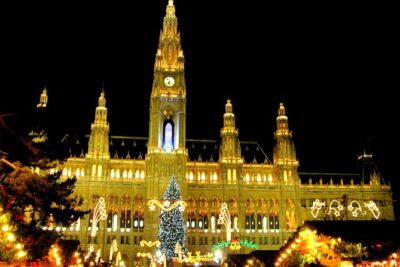
Then comes Vienna City Hall (Rathaus). The audio highlights its Gothic Revival look and the idea that it hosts cultural events. There’s also the Rathausmann statue, which is a small detail but gives you something specific to look for instead of just admiring the façade.
If your phone GPS is acting up, these larger landmark stops are often easier to confirm visually than tiny churches. They’re good safety points for navigation confidence.
University of Vienna, Beethoven’s House, and the Café Central pause that saves the day
The route includes the University of Vienna, one of the city’s academic centers. The audio points you to the historic campus and the Main Building and University Library, so you know what to notice rather than treating it like just another big school structure.
Then you get Beethoven’s House, tied to his residence from 1804 to 1815, with the museum framing his life and work, including original materials and personal belongings (as described in the audio).
If you’re a music history fan, this part clicks. If you’re not, it still gives you a clear human anchor inside a city full of monuments.
Finally: Café Central. The audio positions it as an iconic intellectual meeting place, founded in 1876, which matches the vibe. This is a great place for a longer sit if you’ve been walking hard. You’ll feel your energy return fast when you stop for real coffee and something sweet.
One practical note: if you’re hopping between cafés, do it intentionally. Vienna café stops are part of the culture here, but the walking loop can already be longer than you expect.
Collalto Palace and the Schönbrunn Marriage Fountain: aristocratic corners and a romantic break
Next is Collalto Palace, described as a Baroque building with 17th-century roots and detailed interior art. This is the kind of stop that can feel “small” in the moment, but the audio makes it easier to appreciate why it matters.
Then you reach Vermahlungsbrunnen (Marriage Fountain) in the courtyard of Schönbrunn Palace. You’re guided to see it as a Baroque fountain showing the union of two rivers, a romantic symbol meant for harmony and love.
Why this works near the end: it’s the kind of visual payoff that makes a long walking day feel worth it. You get a change of scenery too, which helps when you’re starting to feel the tiredness in your lower legs.
Ankeruhr Clock: your final “wait, that’s cool” moment
The walk ends with the Ankeruhr Clock on Hoher Markt, an Art Nouveau-style clock with whimsical figures that appear around the hour.
This is a strong finish because it’s memorable and playful. The audio also helps you connect the clock to the style and engineering creativity behind it.
You’ll return back to the meeting point area (Stephansplatz). The route is designed as a loop, which is great for orientation. It also explains why the walk can feel longer if you move slower or if GPS keeps nudging you off your line.
Price value: $8.40 for independence, but budget time too
At $8.40 per person, the value is strong if you want a self-guided way to see a stack of central Vienna highlights. You’re paying for narration (29 historian recordings), an offline route map, and one year access in your chosen language.
But value isn’t only money. The real cost here is time on foot. Even when the duration is listed around 2 hours 30 minutes, the route can take longer in practice, especially if you stop often or reroute due to GPS issues. One common theme from real-world use is that people end up splitting it into two days. That’s not a failure of the tour. It’s how you get the most out of it.
If you’re traveling with a sore knee or you want fewer stops, the self-guided format is perfect. You can skip a segment and still keep the day moving.
Tips so your phone doesn’t steal the show
Here’s how to make this tour work smoothly:
- Download and start early so you’re not troubleshooting under pressure.
- Use your headphones and keep the phone volume turned up enough to hear street noise.
- Turn on GPS/location so the map can show your position (some people noted GPS can be wonky).
- Keep a backup map if you’re worried about finding small stops with poor signage.
- If the app misbehaves, be ready to restart and re-check your position rather than giving up mid-walk.
This is an independent tour. It runs best when you treat the app like a tool, not like a strict conductor.
Who should book this, and who might skip it
This tour fits you if:
- You want a flexible walking plan without a group pace.
- You like reading history through stories tied to actual places.
- You’re okay relying on a phone for directions and timing.
You might skip or choose something else if:
- You hate tech dependence or you know your phone’s GPS can be unreliable.
- You want someone to fix navigation in real time.
- You’re not willing to commit to a longer walking circuit.
It’s also a great first-visit tool for orientation. It helps you understand what Vienna offers so you can decide what you want to see more deeply later.
Should you book this Vienna smartphone audio walk?
I’d book it if you want a low-cost, flexible way to connect Vienna’s highlights into one logical loop. The mix of landmarks, the historian narration, and the offline map are exactly what you need for a first day of orientation.
Skip it if you’re expecting a guided experience with clear turn-by-turn instructions at every step, or if your main travel style is to follow spoken directions without checking the map. This tour can be brilliant, but it assumes you’re willing to steer your own walking day.
If you do book it, go in with the right mindset: wear comfortable shoes, charge your phone, and plan coffee breaks on purpose. Vienna rewards that kind of pacing.
FAQ
How long is the Vienna walking tour with smartphone audio guide?
The tour is listed at about 2 hours 30 minutes, and the app is designed for you to move at your own pace.
How much does it cost?
The price is $8.40 per person.
Do I need tickets or an entrance fee for the stops?
Entrance fee/tickets are not included in the tour price. The itinerary presented includes stops marked as admission ticket free, but you should still expect that some areas may involve separate entry options.
Is this tour guided by a person?
No. It’s self-guided with an audio guide app, so you won’t have a human guide.
What equipment do I need?
You’ll need your own smartphone and your own headphones. Headphones are not included.
Where does the tour start and end?
It starts at Stephansplatz, 1010 Wien, Austria, and ends back at the meeting point.
Can I cancel, and how late?
You can cancel up to 24 hours in advance for a full refund. Changes made less than 24 hours before the experience’s start time aren’t accepted.